







Search Results for: 15g coffee dose
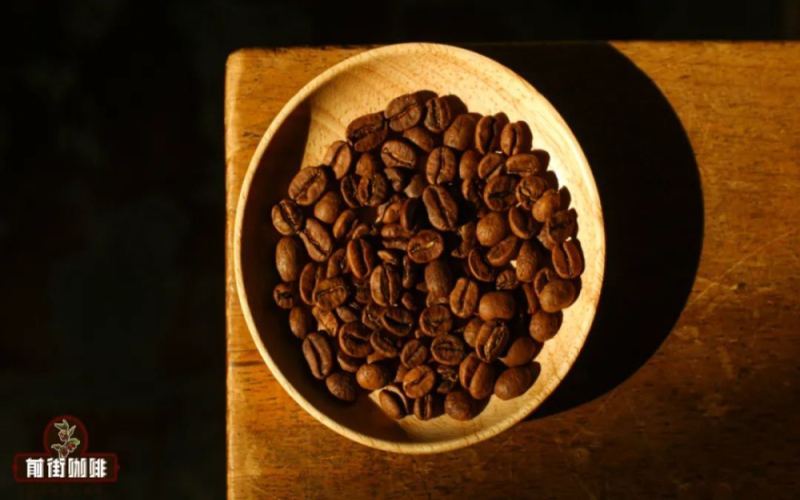
Why Is 15g of Coffee Commonly the Single-Serving Standard for Pour-Over? A Full Analysis of the Differences Between 01 and 02 Drippers
When browsing brands like Front Street Coffee or coffee teaching courses, you will often see single-origin beans recommended for brewing with 15g of coffee grounds. This number seems to have become the golden standard for pour-over coffee, but why exactly 15g? What problems would 10g or 20g bring? Starting from Front Street Coffee's teaching practice, this article deeply analyzes the impact of coffee dose on coffee bed depth, water flow state, and extraction results, explaining why 15g can become the most suitable single-serving parameter for the 01 dripper. At the same time, many enthusiasts are also curious about the difference between the 01 and 02 drippers. We will provide an answer from the perspective of coffee bed depth and extraction uniformity, helping you understand the logic behind the parameters and brew more stable and delicious pour-over coffee. [more…]
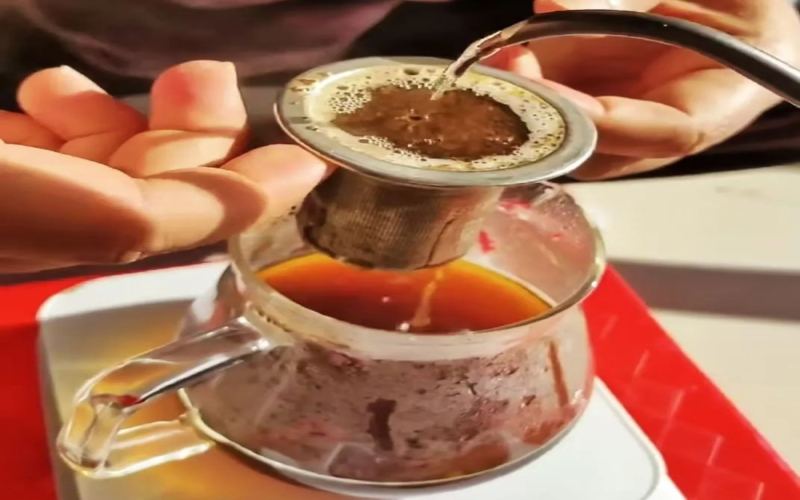
What to Do If You Don't Have a Digital Scale for Pour-Over Coffee? Visual Estimation Tips and Pulsed Pouring Plans for 15g of Grounds
The consistent output of pour-over coffee is inseparable from the precise measurement of an electronic scale, but if you run into the predicament of a broken scale, a dead battery, or simply no alternative tool to be found, does that mean you have to give up on a good cup of coffee? Starting from the two core variables of coffee dose and water volume, this article shares Front Street Coffee's hands-on experience: how to judge 15g or 20g of ground coffee by visually estimating the height of the coffee bed, how to use the dripper's markings as a reference under different roast levels, how to choose a coffee-to-water ratio between 1:14 and 1:16, and a three-stage blind brewing process that requires no scale. Even without equipment, mastering these techniques can still brew a qualified pour-over of about 210ml. [more…]
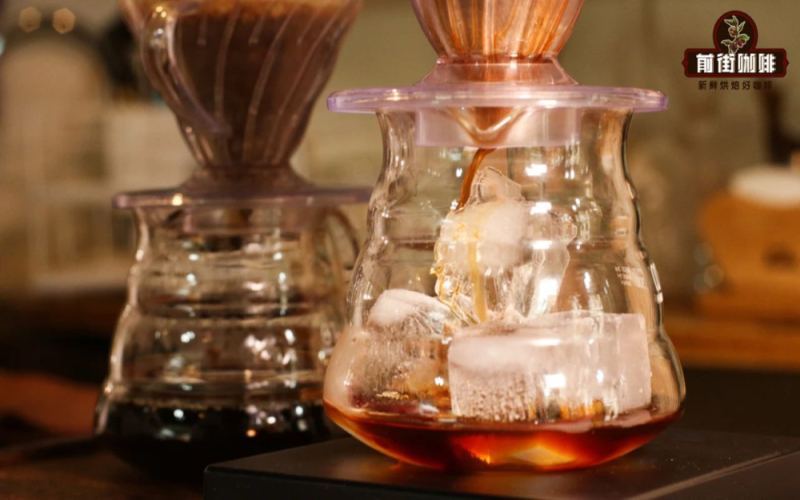
Iced Pour-Over Coffee Recipe and Practical Comparison: How a 15g Dose Ratio and Ice Addition Order Affect Flavor
Iced pour-over coffee has gained popularity among many enthusiasts in recent years, but the details during brewing often determine the final flavor direction. Front Street Coffee uses 15 grams of coffee grounds and a 1:10 coffee-to-water ratio as the foundation, paired with 100 grams of ice for cooling and dilution, and conducts a side-by-side comparison experiment on the two methods of adding ice first versus adding ice later. This article fully presents the experimental parameters, brewing process, and sensory differences, while also sharing the flavor performance of the Kafa Forest Ethiopian washed bean, helping readers understand the specific effects of ice addition timing on coffee cleanliness, aroma intensity, and mouthfeel changes, providing reference adjustment ideas for daily brewing. [more…]

A Complete Guide to Pour-Over Coffee Dose, Ratio, and Blooming: Front Street Coffee Brewing Parameters and a Three-Pour Practical Guide
To consistently brew a delicious pour-over coffee, bean dose, coffee-to-water ratio, blooming, and pouring rhythm are all indispensable. Starting from Front Street Coffee's practical experience, this article explains the reasoning behind 15g of grounds, a 1:15 coffee-to-water ratio, and a 225ml final yield, and compares this with common espresso extraction ratios to help readers build a replicable parameter framework. It then uses a washed Yirgacheffe Gudingding as an example to provide the complete V60 three-pour brewing process, with a focused breakdown of details such as blooming and degassing, pouring height, and the rhythm of pausing between pours, so that even beginners can follow along step by step and reduce the harsh, astringent flavors caused by under-extraction or over-extraction. [more…]
Panama Elida ASD Anaerobic Low-Temperature Slow Natural Geisha: Four Pour-Over Brewer Methods and Flavor Comparison
Front Street recently acquired a Geisha coffee bean from Elida Estate in Panama, processed using the NATURAL-ASD anaerobic fermentation low-temperature slow sun-drying method—the same process used for this year's Panama BOP champion Geisha in the processing category. After the beans were properly rested, we tested brewing with a hollow filter cup, Ice Eye filter cup, cake filter cup, and diamond filter cup, standardizing the parameters to 15 grams of coffee, medium-fine grind, 90°C water temperature, and a 1:15 coffee-to-water ratio, recording the extraction time and flavor performance for each filter cup. Elida Estate is renowned for its sun-dried processing, and this ASD Geisha shines in fermentation aroma, juicy mouthfeel, and layered tea-like notes. Below, we share four specific brewing recipes and comparison results for coffee enthusiasts' reference. [more…]
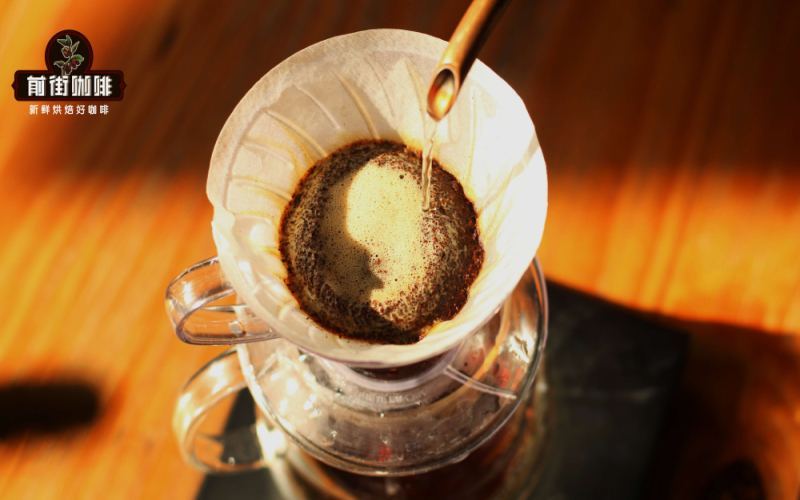
Front Street Coffee Pour-Over Huakui 8.0 Coffee Tutorial: A Detailed Guide to Grind Size, Water Temperature, and Coffee-to-Water Ratio
To brew a delicious Huakui coffee at home, mastering the core parameters is key. Front Street Coffee is often asked how to brew a good cup of coffee. In fact, aside from human factors, the four major elements that determine coffee flavor are dose, grind size, water temperature, and coffee-to-water ratio. This article uses Front Street Sidamo Huakui 8.0 as an example to explain in detail the pour-over parameter settings and the three-stage pouring technique, from 15g of coffee, a 1:15 coffee-to-water ratio, and 91°C water temperature to a grind size with an 80% passing rate, with specific operating instructions for each step. Huakui 8.0 uses the traditional natural process and features rich flavors of honey, berries, guava, jackfruit, and more. It is affordably priced and very suitable for beginners as a practice daily coffee. [more…]
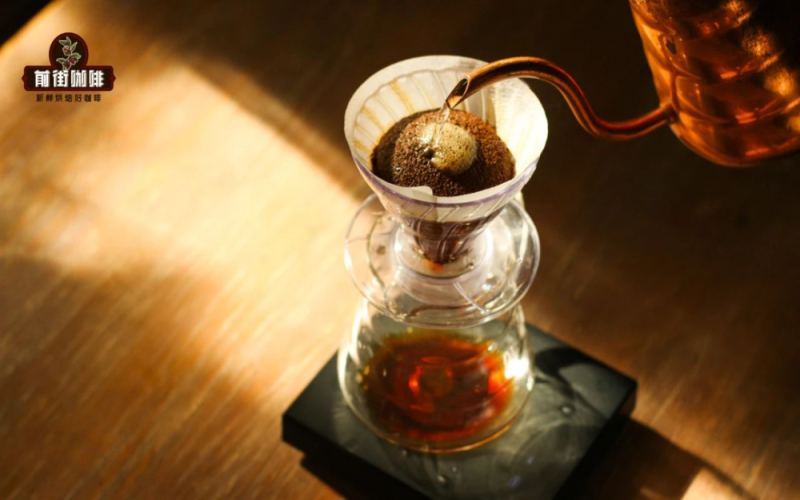
Complete Guide to Hand-Brewing 30g of Coffee: Parameter Adjustments and Practical Tips for the V60 Size 02 Large Dripper
Front Street Coffee's pour-over tutorials have long been based on a single-serving standard of 15g of coffee and a 200ml cup, but many enthusiasts are no longer satisfied with brewing just one cup and have begun trying to make two or three cups at once. Once the dose is doubled to 30g, the small 01 dripper can no longer handle it, and a V60 02 large dripper must be used instead. Increasing the dose is far from simply adding more coffee and water; a thicker coffee bed slows the flow rate, and as the extraction time lengthens, bitterness follows. Using the Sidra coffee beans as an example, Front Street Coffee starts with two variables—grind size and pouring stream—to make fine adjustments, compressing the total time from 2 minutes 53 seconds to 2 minutes 30 seconds so that the 30g brew comes close in flavor to a single-cup brew. This article fully records the parameter differences before and after the adjustment and the reasoning behind them, and also answers the question of whether the 01 dripper can be used to brew a large dose when no 02 dripper is available. [more…]
30g Coffee Powder Pour-Over Guide: Brewing Parameters and Adjustment Tips for V60 02 Large Dripper
Front Street Coffee's pour-over tutorials have long been based on a single-serving standard of 15g of coffee and 200ml of water, but when you need to brew 2 to 3 cups at once, the No. 01 small dripper simply can't handle the job. This article centers on a hands-on test of brewing with 30g of coffee in a V60 02 large dripper, starting with a 1:15 coffee-to-water ratio, 91℃ water temperature, and a three-pour technique, which revealed that the extraction time was too long and produced bitterness. The parameters were then revised by coarsening the grind and increasing the pouring speed, ultimately bringing the extraction time under 2 minutes 30 seconds, with the flavor matching that of a single serving. The article also retains recommendations for several Front Street Coffee beans and answers the question of whether the No. 01 dripper can brew a large dose when no No. 02 dripper is available, making it suitable as a reference for enthusiasts who have already mastered basic pour-over and want to advance to brewing for multiple people. [more…]
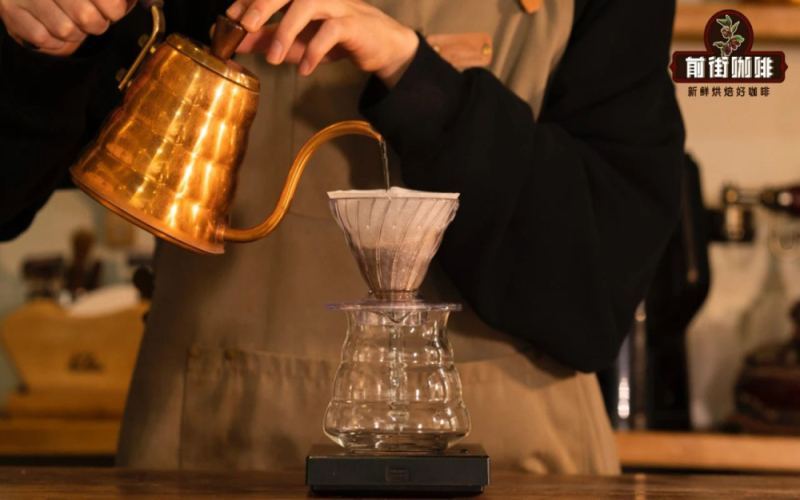
Pour-Over Coffee Grounds-to-Water Ratio and Key Brewing Points for Huakui Beans: An Analysis of Dose, Grind Size, Water Temperature, and Pouring Rhythm
To consistently brew a good cup of coffee, you can't get around the basic parameters of dose, grind size, water temperature, and coffee-to-water ratio. Once these are set reasonably, the remaining variable mainly comes down to pouring technique. This article focuses on these core steps, explaining the interplay between bed depth, extraction yield, and strength, and provides a three-pour approach suitable for beginners. It then uses the 2025 new-crop Natural Hualkui as an example to walk through a practical routine of 15 g coffee, 1:15, 91°C, and an 80% passing rate, while clarifying the concepts of Hualkui and Geisha that are often confused. The article also includes Front Street Coffee-related product and article recommendations. [more…]
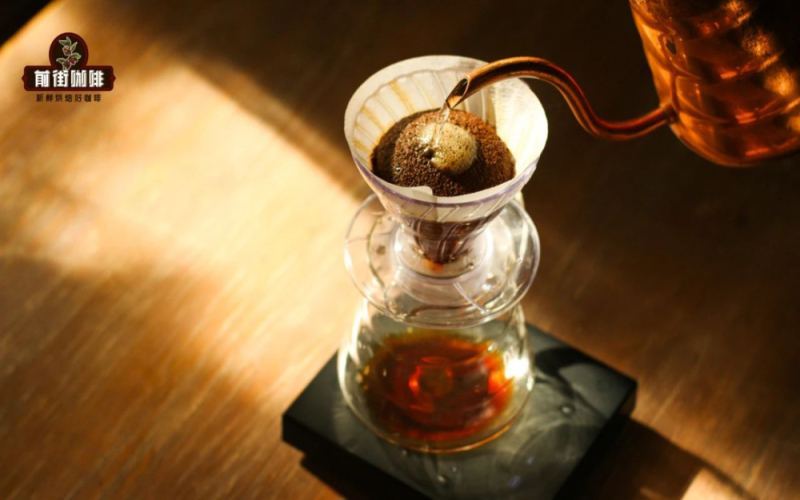
Analysis of Hand-Brewing Techniques for a Large 30g Coffee Dose: How to Avoid Bitterness and Uneven Extraction When Brewing for Four
Many coffee enthusiasts, once accustomed to the rhythm of brewing a single serving of pour-over, often find that flavors turn out vastly different from their daily results when they attempt to brew a large batch of four servings at once. The increase in coffee dose brings not only a change in water volume, but also systematic adjustments involving dripper capacity, pouring technique, grind size, and even extraction time. Front Street Coffee frequently receives similar questions: how should 30 grams of coffee be brewed to taste good? This article will provide a complete overview of the practical key points for large-dose pour-over, from dripper matching, grind size setting, and blooming strategy to the logic of staged pouring, helping you consistently present a clean and well-layered coffee flavor even when sharing among multiple people. [more…]
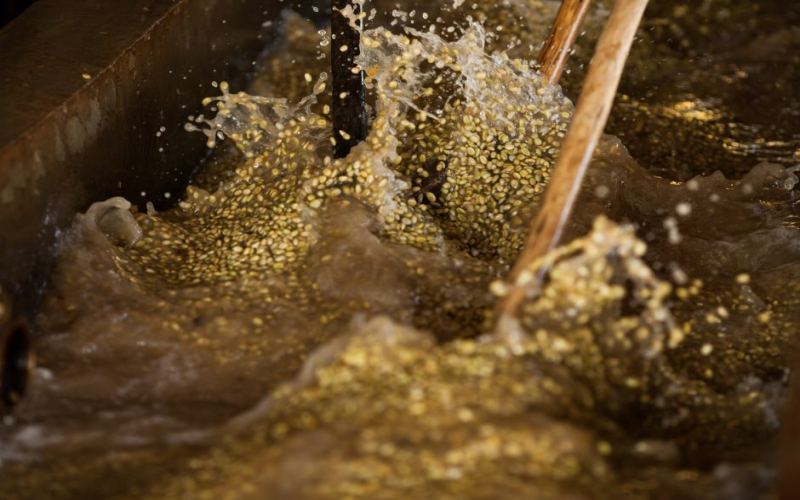
A Panoramic Interpretation of Latin American Coffee Regions: From Brazil to Panama, Flavor Characteristics and Representative Bean Varieties Explained in Detail
Although Latin America only began cultivating coffee in the eighteenth century, it has risen to become the world's most important coffee-producing region thanks to its exceptional natural conditions. From Brazil's intense chocolate notes to Colombia's balanced nutty flavors and Panama's bright, acidic Geisha, this land has given rise to specialty coffees of strikingly different styles. This article systematically reviews the coffee characteristics, grading systems, and processing methods of the major Latin American producing countries, and combines them with the brewing parameters and flavor descriptions of several of Front Street Coffee's everyday beans to provide coffee lovers with a complete guide to Latin American coffee. [more…]
The Flavor Code of Latin American Coffee Beans: A Comprehensive Guide from the Bourbon Origin to Signature Coffees of Seven Major Producing Countries
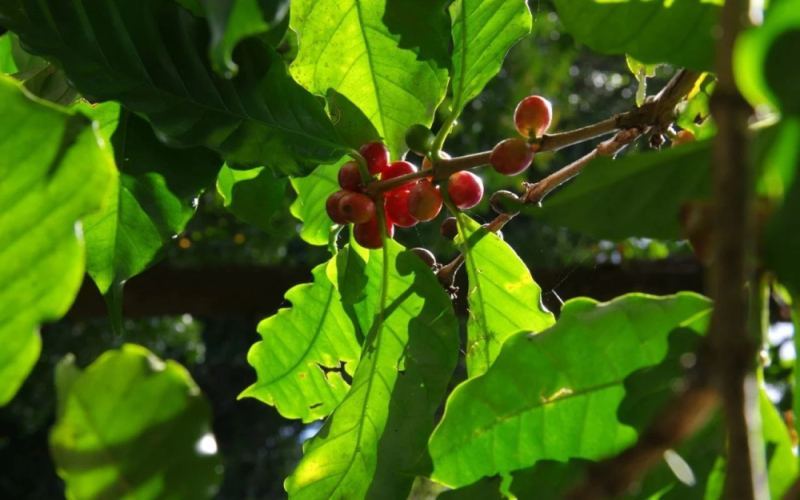
Although coffee cultivation in Latin America only began in the eighteenth century, it has risen to become the world's most important coffee-producing region, thanks to sunshine, high mountains, humid fertile soil, and diverse microenvironments. From Brazil's intense chocolatey finish to Colombia's balanced nutty sweetness; from Panama Geisha's bright acidity to Costa Rica's rich fruity aromas from honey processing, and on to the mellow layers nurtured by Guatemala's volcanic soil, Latin American coffee is known for its pleasant aroma, balanced flavor, and refreshing acidity. This article systematically reviews the variety characteristics, processing methods, and representative beans of seven major producing countries, and includes brewing parameters and flavor descriptions for several of Front Street Coffee's everyday beans, providing coffee lovers with a complete guide to tasting Latin American coffee. [more…]
How Should You Set the Pour Amount and Coffee-to-Water Ratio for Pour-Over Coffee? A Look at Extraction Parameters Through the Example of Front Street Mandheling
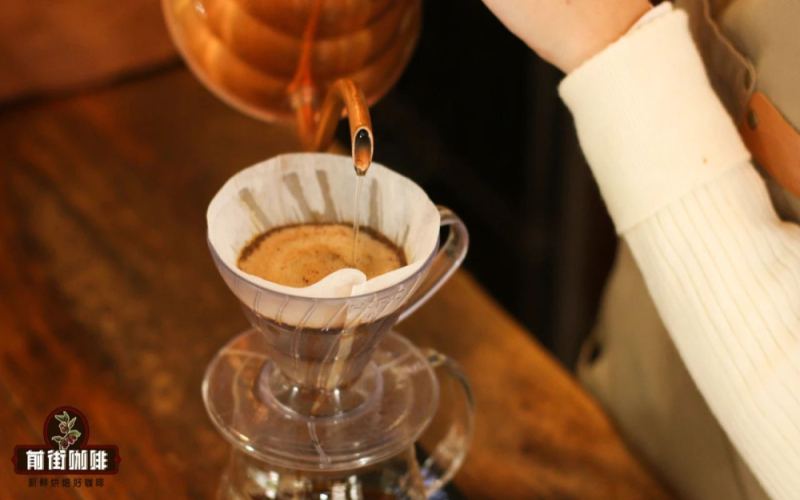
Pour-over coffee emphasizes precision and ritual; from the grams of coffee grounds, water temperature, to the amount of water poured, every step affects the final flavor. The amount of water poured depends on the dose of grounds and the coffee-to-water ratio. Front Street habitually uses 15g of grounds with a 1:15 ratio, meaning 225ml of water is poured. The coffee-to-water ratio is not absolute: those who prefer a bold cup favor 1:10 to 1:13, while those who prefer a lighter cup commonly use 1:16 to 1:17. This article also uses Front Street Mandheling as an example, demonstrating in detail from parameters to technique how to brew a rich, full-bodied cup at home, so you can understand the balance between the amount of water poured, extraction yield, and concentration. [more…]
How Does the Water Level in Pour-Over Coffee Affect Flavor? Front Street's Practical Guide to the Ideal Water Level and Brewing Techniques
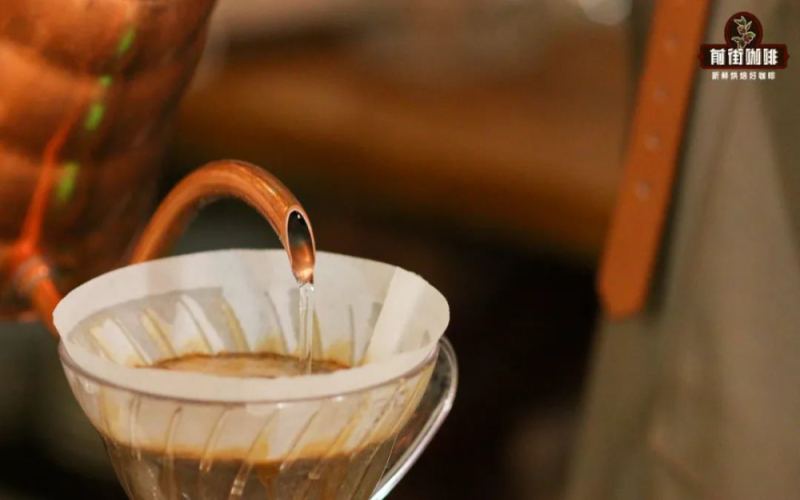
Every detail in pour-over coffee can change the final flavor direction, and water level is often an easily overlooked key variable. At Front Street, we've found in actual brewing that with the same beans, different liquid levels produce noticeable differences in acidity, sweetness, and body thickness. Starting from Front Street's observations, this article analyzes which coffee beans are suited to high water levels versus low water levels, and combines dose, dripper size, and freshness to give specific water level recommendations, helping you control the extraction direction more precisely in your daily brewing. [more…]
A Practical Guide to Fine Particle Management in Pour-Over Coffee: Sifting Criteria, Reintroduction Ratios, and Brewing Timing
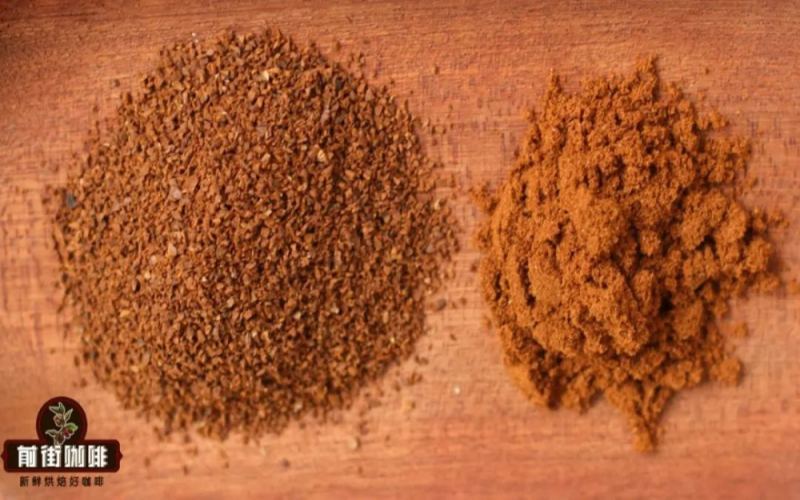
Fines in pour-over coffee are always a double-edged sword: retaining them can bring complexity, but they can also easily cause clogging and over-extraction; discarding them entirely can improve consistency, but it makes the flavor seem flat. Front Street Coffee, combining its own experiments with online discussions, first explains why fines need to be sifted out, then provides two practical solutions—one is to control the amount added back to within 10% of the total dose and reduce the water volume accordingly; the other is to add the fines after the second pouring stage to reduce the risk of negative flavors. The article also records measured data from sifting 2.5 g of fines from 15 g of grounds, and notes that high-precision grinders also produce fines; the key is proper management rather than simply removing them. [more…]
Is It Feasible to Add Ice Cubes Directly to Hot Pour-Over? Analyzing Iced Coffee Parameter Adjustments and Grind & Water Temperature Optimization
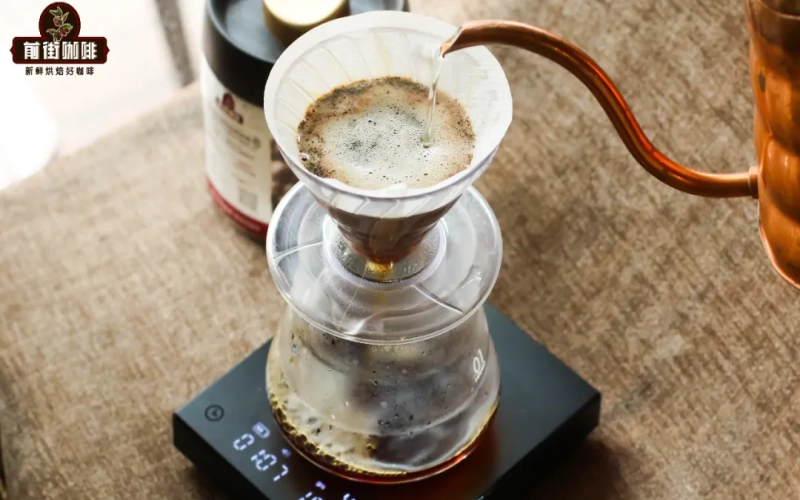
On a scorching summer day, when you crave iced coffee but don't want to give up the full flavor, many enthusiasts consider brewing hot coffee first and then adding ice to cool it down. While this method is feasible, it tends to make the coffee taste weak. This article uses a real test case of Front Street Coffee's Finca Diviso·Geisha to illustrate how the concentration drops from 1.49% to 1.09% before and after adding ice to a hot pour-over, as well as the noticeable decline in taste and flavor. At the same time, the article also offers adjustment ideas for iced pour-over: change the grind size from a 20-mesh sieve passing rate of 75%~80% to 80%~85%, change the coffee-to-water-to-ice ratio to 1:10:6, and keep 15g of coffee, 92°C water temperature, a three-stage pour, and a 2-minute extraction. This way, you can achieve a refreshing taste while retaining flavors such as grape, passion fruit, and apricot, presenting a full-bodied juicy mouthfeel. [more…]
A Complete Guide to Central and South American Coffee Regions: Flavors, Varieties, and Key Producing Countries of Latin American Coffee Beans
The world's coffee belt can be divided into three major producing regions: Africa, Asia-Pacific, and Latin America, each presenting distinctly different flavor profiles. African beans are known for their fruity acidity, Asian beans for their herbal richness, while Latin American coffees fall somewhere in between, celebrated for their balanced, mellow character reminiscent of cocoa and dark chocolate. This article focuses on the Central and South American producing regions, examining country by country—Brazil, Colombia, Panama, Costa Rica, Honduras, Jamaica, Guatemala, and Nicaragua—their coffee varieties, processing methods, major producing areas, and flavor characteristics, and combines this with Front Street Coffee's everyday drinking bean series and brewing demonstrations to help coffee enthusiasts build a systematic understanding of Latin American coffee. [more…]
A Complete Analysis of Latin American Coffee Regions: Flavor Profiles and Processing Methods of Coffee Beans from Eight Countries Including Brazil and Colombia
Latin America is one of the most important coffee-producing regions in the world. From Brazil to Colombia, from Panama to Guatemala, each country shapes a distinctively different coffee flavor profile through its unique geography and processing methods. This article systematically reviews the producing regions, bean varieties, processing methods, and cupping performance of eight major Latin American coffee-producing countries, and combines Front Street Coffee's daily drinking bean series with Front Street Coffee's brewing methods to help coffee lovers fully understand the balance and cocoa-chocolate notes of Latin American coffee. Whether you are a beginner just starting out or a seasoned enthusiast, you can find the cup that suits you. [more…]
A Complete Guide to Latin American Coffee Regions: An In-Depth Guide to the Flavors, Varieties, and Processing Methods of Eight Major Producing Countries, from Brazil to Guatemala
Among the world's three major coffee-producing regions, Latin America (Central and South America) is known for its balance and body, typically presenting flavor notes of cocoa and dark chocolate. From Brazil's nutty-chocolate character, to Colombia's bright acidity, to Panama Geisha's legendary floral aroma, Jamaica Blue Mountain's balanced sweet-acidic-bitter profile, and the diverse expressions of Guatemala, Costa Rica, Honduras, Nicaragua, and other countries, this land has given birth to countless classic coffees. In this article, Front Street Coffee (FrontStreet Coffee) sorts out the origins, processing methods, and representative producing countries of Latin American coffee, along with brewing parameters and flavor descriptions for each producing country, to give you a systematic understanding of the full picture of Central and South American coffee. [more…]
Detailed Guide to Various Brewing Parameters for Huakui Coffee: Grind Size, Water Temperature, and Ratios for Pour-Over, Flash Brew, Immersion, and Cold Brew
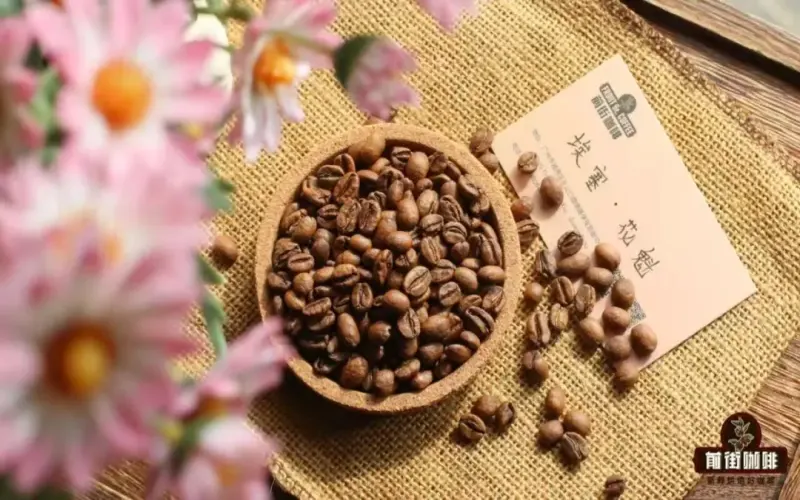
Huakui coffee has maintained a high level of popularity in the coffee community thanks to its excellent value for money and its naming method that is updated and iterated every year. Front Street also often includes it in its promotional bean list, and many friends ask customer service after placing an order: what can be done to best showcase Huakui's flavor? In fact, different extraction methods each have their own characteristics, and there is no absolute ranking of better or worse. Everyone might as well try several methods and find the cup that suits their own taste best. In this article, Front Street will systematically share the specific parameters and operational details for making Huakui using four methods: pour-over, pour-over iced coffee, immersion, and cold brew, including key information such as coffee dose, coffee-to-water ratio, water temperature, grind size, and extraction time, to help you more easily recreate Huakui's floral and fruity aroma at home. [more…]