







Search Results for: 1點點
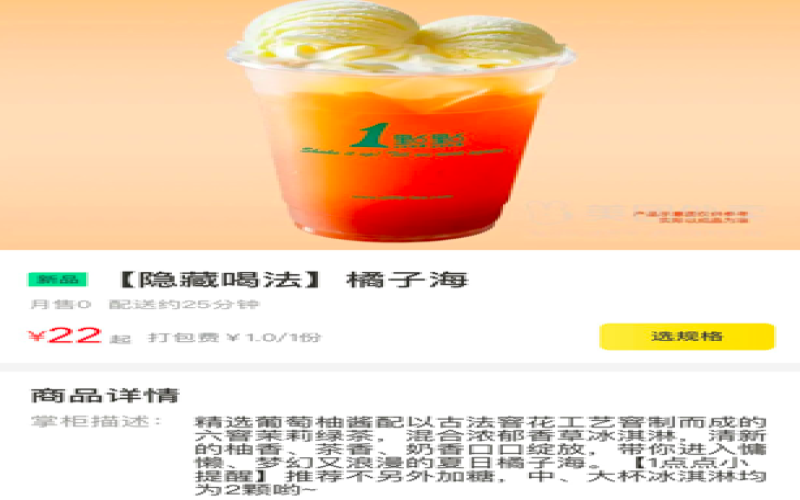
1點點's new product "Orange Sea" faces backlash: Flocculent floating particles and layered texture spark heated consumer discussion.
1 Dian Dian recently added a fan-created secret drink, "Orange Sea," to its official menu. This beverage, made with a grapefruit green tea base and two scoops of vanilla ice cream, quickly went viral on social media thanks to its bright orange appearance. However, after the new product launched, many customers found the real thing fell far short of the promotional photos—large amounts of white flocculent matter floating in the liquid, murky layers, and a taste where sourness, bitterness, and sweetness each went their own way, drawing complaints that it was like a mismatched pairing. Supporters, meanwhile, argue that it only tastes refreshingly tangy when made fresh and drunk right away. This controversy over looks versus taste reflects the quality-control challenges that arise when secret menus go commercial. [more…]
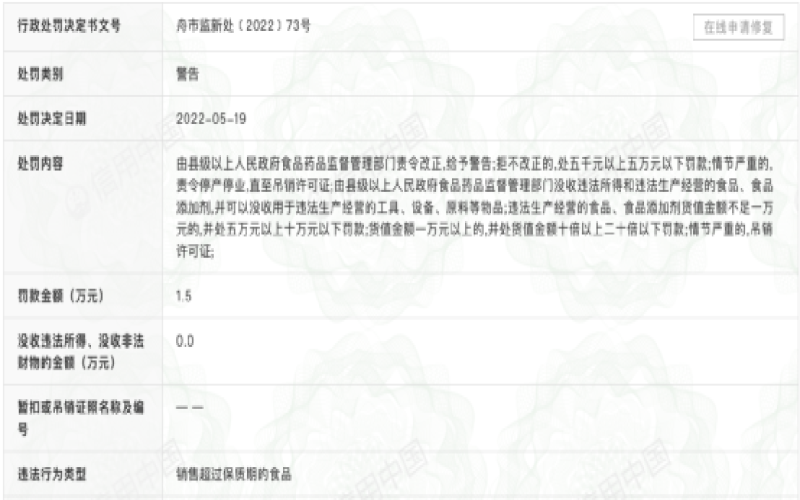
Punished bit by bit! Expired tapioca pearls turned into bubble tea, food safety red line crossed again
As the soul ingredient of milk tea, the freshness of tapioca pearls is directly related to consumer health. Recently, a Yidian Dian store at Zhoushan Ruxin Plaza was fined 15,000 yuan by regulatory authorities for using expired tapioca pearls to make and sell Bubble Milk Tea and other drinks. An investigation showed that the store involved not only used ingredients beyond their shelf life, but also failed to establish purchase inspection records as required. This is not the first time Yidian Dian has been involved in a food safety controversy; previously, a Fuzhou store was reported to have had a bug found in its milk tea. As the peak season for summer beverage consumption arrives, food safety issues have once again sounded the alarm. [more…]

1DianDian Mini Cup Sparks Bundling Controversy: Two Identical Cups Must Be Ordered Together, Short Straw Shortage Draws Customer Complaints
As Children's Day approaches, major chain beverage brands are rolling out limited-edition campaigns and merchandise, and 1 Dian Dian has also brought back its cute, compact mini cups for a limited time. However, the launch of these mini cups has sparked considerable controversy: customers have found that when purchasing, the system automatically shows two cups, with identical flavors, sweetness levels, and toppings, and no ability to adjust them freely or order just one. Consumers who wanted to mix flavors or share with friends were disappointed, and some customers complained that the stores provide regular long straws, making the experience less than ideal. In response to the feedback, 1 Dian Dian employees also expressed helplessness, as the company has not provided ingredient ratios for the mini cups, leaving them to simply split a medium cup of tea evenly into two cups. If they were to customize orders according to customer requests, it would not only affect service efficiency but could also lead to waste. This article will sort through the focal points of controversy surrounding this mini cup campaign and the statements from all sides. [more…]
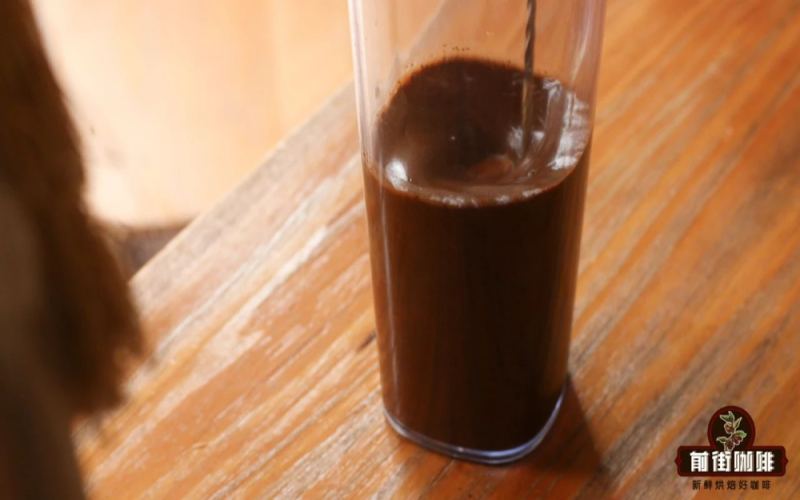
How to Choose the Coffee-to-Water Ratio for Cold Brew? A Side-by-Side Test from 1:8 to 1:15 and 8 Key Brewing Points
Cold brew coffee, with its refreshing sweet-and-sour taste and low-barrier preparation method, has become the summer drink of choice for many coffee lovers. But many people will notice that cold brew's coffee-to-water ratio spans a huge range—some use 1:8, some prefer 1:13, while Front Street Coffee habitually brews at 1:10. What flavor differences do different ratios actually bring? This article will use Kenya Little Tomato as an example to test the performance of four coffee-to-water ratios—1:8, 1:10, 1:12, and 1:15—while also sorting out key variables such as grind size, steeping time, water quality, and coffee bean selection, to help you find the cold brew solution that best suits your taste. [more…]
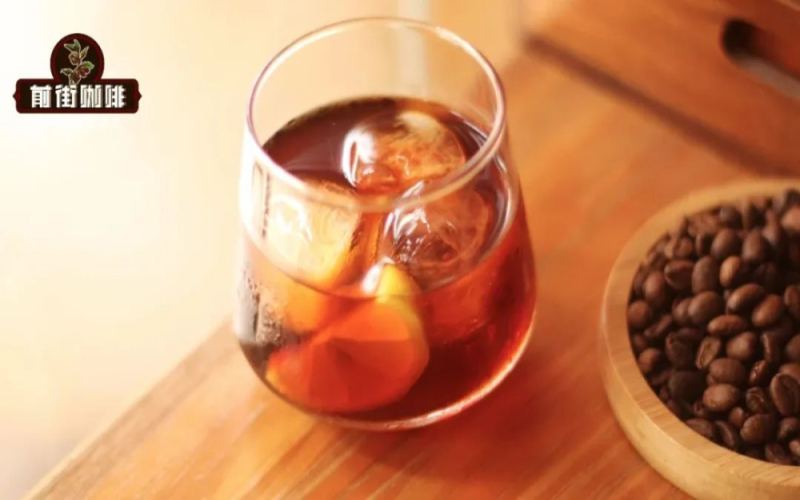
How to determine the coffee-to-water ratio for cold brew? A comparison of actual tests from 1:8 to 1:15 and an analysis of the parameters.
The coffee-to-water ratio for cold brew has always been a hot topic among enthusiasts. Some prefer the intensity of 1:8, others are used to the lightness of 1:15, while Front Street Coffee's daily offerings mostly use 1:10. Which ratio is actually the most suitable? Starting from the principles of extraction, this article systematically analyzes the impact of coffee-to-water ratio on cold brew flavor, and shares key parameters such as grind size, steeping time, and water quality selection. At the same time, using Kenya AA washed beans as an example, it conducts actual taste tests of the differences among four ratios—1:8, 1:10, 1:12, and 1:15—to help you make a cup of cold brew coffee at home with balanced acidity and sweetness and clear flavor. [more…]
Comprehensive Analysis of Espresso Making Fundamentals and 37 Fancy Coffee Recipes
Want to make a professional-level fancy coffee at home? This article systematically organizes the basic techniques for making espresso and provides detailed recipes and steps for 37 classic fancy coffees. From basic ESPRESSO to latte, mocha, cappuccino, and specialty drinks like Turkish coffee and Irish coffee, each one covers the required ingredients, preparation method, and key points to note. Whether you are a coffee novice or a seasoned enthusiast, you can find a preparation plan that suits you. Front Street Coffee's premium beans are especially recommended to help you easily enhance the coffee's flavor. [more…]

An Analysis of the Three Golden Rules for Making Cappuccino: The 1:1:1 Volume Ratio, the 11-Point Fill, and Where the Golden Ring Comes From
As a classic representative of Italian milk coffee, cappuccino has three widely recognized rules surrounding its preparation: ingredients in a 1:1:1 ratio, the finished drink should be filled to 11 points, and the surface should show a golden ring. What exactly do these statements mean? What historical backgrounds gave rise to each of them? Why, after more than a century of evolution, has only the 11-point fill persisted to this day? This article will break down the true meanings and origins of these three major rules one by one, while also tracing the evolution of cappuccino from a local Italian drink to modern Italian-style coffee, helping coffee enthusiasts more accurately understand the preparation logic and tasting key points of this classic milk coffee. [more…]
How to Choose the Coffee-to-Water Ratio for Pour-Over? Front Street Coffee's Practical Logic Behind Recommending 1:15 and Staged Pouring Techniques
The coffee-to-water ratio in pour-over coffee directly determines the flavor direction, and Front Street Coffee baristas are often asked about this during daily store conversations. Regardless of which dripper is used, Front Street recommends 1:15 as the brewing baseline. Although this ratio is not within the optimal range of the SCA Golden Cup theory, it delivers stable flavor and body in actual brewing. This article will explain the meaning of the coffee-to-water ratio, the Golden Cup extraction range, why 1:15 is chosen, and the specific operation of pulse pouring, and will use Colombia Rose Valley coffee beans as an example to provide complete brewing parameters and flavor descriptions, helping coffee lovers find a brewing solution that suits them. [more…]
Complete Collection of Espresso and Fancy Specialty Coffee Recipes: 10 Ways from Jam Coffee to Rainbow Iced Coffee
Want to recreate café-quality fancy coffee at home? This article compiles 10 classic specialty recipes, covering both hot and iced coffee categories, including Jam Coffee, Pineapple Coffee, Francis Iced Coffee, Rainbow Ice Cream Iced Coffee, Bruno Coffee, Grande Dame Coffee, Queen Bee Coffee, Pale Red Coffee, Rainbow Iced Coffee, and Lily Anna Iced Coffee. Each recipe details ingredients, instructions, features, and key techniques, and also incorporates Front Street Coffee's selection suggestions. Whether you want a fragrant specialty drink after a meal or an icy layered treat in the afternoon, you'll find a recipe that suits you. [more…]
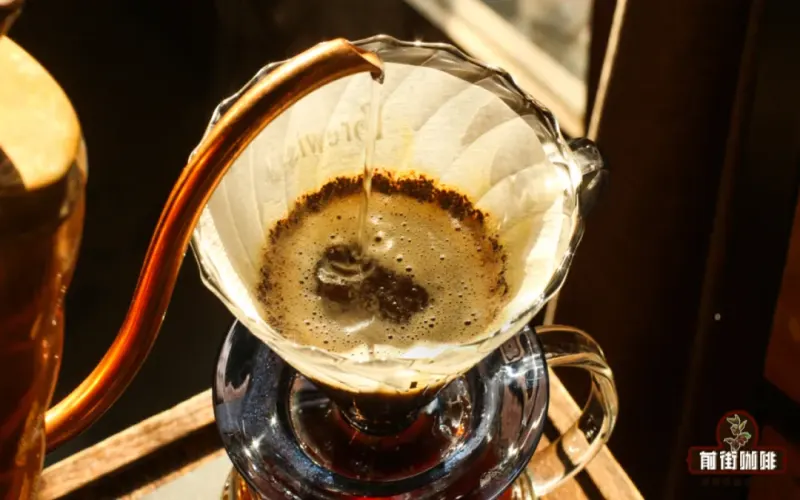
Why Is the 1:16 Pour-Over Coffee-to-Water Ratio Called the Golden Ratio? The Golden Cup Extraction Standard and Practical Parameters Explained
In discussions about pour-over coffee, the 1:16 coffee-to-water ratio is often dubbed the "golden ratio," so some friends are surprised that Front Street Coffee uses 1:15 in its daily routine. Behind this lies the Golden Cup extraction theory—Dr. Lockhart's research indicates that most people prefer coffee with a concentration between 1.15% and 1.35%, and an extraction yield between 18% and 22%. The Golden Cup extraction chart visually illustrates the relationship between coffee-to-water ratio, concentration, and extraction yield, and 1:16 happens to be a ratio that easily falls within the ideal range. However, the Golden Cup standard is only a reference, not an absolute rule: tastes vary from person to person—1:14 or even 1:10 suits those who prefer a strong brew, while 1:17 to 1:20 is better for those who enjoy a lighter taste. Front Street Coffee chooses 1:15 to make the flavors more concentrated and the mouthfeel more substantial, and it adjusts the water temperature and grind based on the roast level. This article will provide a complete analysis of the origin of the golden coffee-to-water ratio, the true meaning of Golden Cup extraction, and Front Street Coffee's specific brewing parameters for beans such as Huakui, Geisha, Queen's Estate, and Golden Mandheling. [more…]
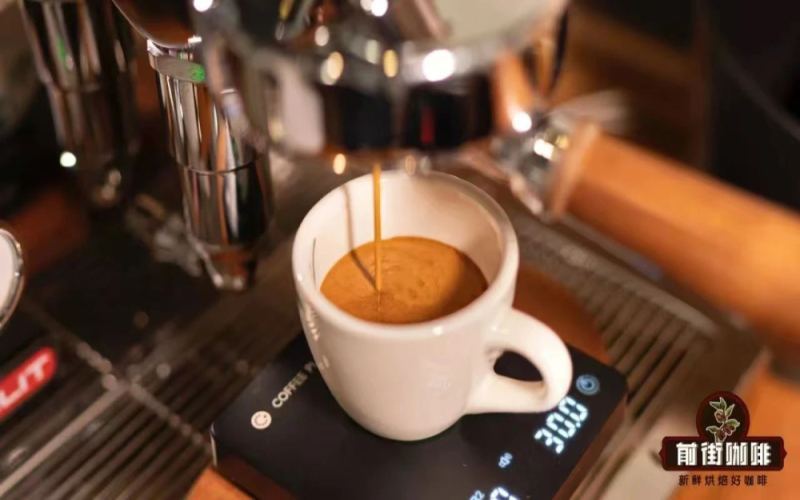
Exploring the Origins and Characteristics of Latte: How Different Espresso Ratios Affect the Flavor of Milk Coffee and Americano
Latte, Americano, and espresso share the same roots, yet they present entirely different flavor expressions due to different espresso extraction ratios. Front Street Coffee used the same specialty blend beans, the same grind size and dose, to test the specific effects of three brew ratios—1:1, 1:1.5, and 1:2—on espresso, latte, and Americano. The results showed that espresso at a 1:1 ratio was on the sour side but had a prominent sweetness after adding milk, 1:1.5 had the richest layering and a balanced latte, while 1:2 tended to over-extract and develop woody and smoky notes. The article also explained espresso's reliance on blend beans and recommended Front Street's classic espresso blend. [more…]
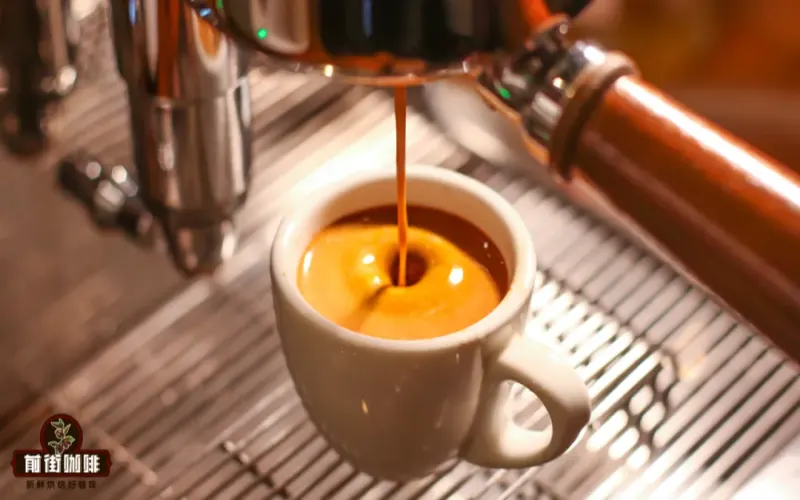
Why is the espresso brew ratio often set at 1:2? Must 18 grams of coffee yield 36 milliliters?
Many friends who are just getting into espresso have heard the saying: the brew ratio for espresso should be controlled at 1:2, for example, 18 grams of coffee grounds extracted into 36 milliliters of espresso. This ratio is often called the "golden ratio," but is it really the only standard? Actually, it is not. The brew ratio determines the strength of the coffee, and the strength in turn directly affects how the espresso performs when drunk on its own or paired with milk. This article centers on the relationship between brew ratio and actual extraction, explaining why 1:2 has become a commonly used reference value, and why ratios such as 1:1.5 and 1:2.5 are equally viable, helping coffee enthusiasts understand espresso extraction parameters more flexibly. [more…]
Latte Coffee Making Tutorial: A Practical Test of How Espresso Coffee-to-Water Ratio Affects the Flavor of Milk Coffee and Americano
The key to a delicious latte lies in the ratio of espresso to milk. Front Street Coffee tested espresso brews at three powder-to-water ratios—1:1, 1:1.5, and 1:2—using the same specialty blend beans, identical grind size, and dose, then prepared espresso, latte, and americano respectively to compare flavor differences. The experiment found that the 1:1 ratio espresso was somewhat sour but had prominent sweetness when milk was added, suitable for a mellow taste; 1:1.5 offered rich layers and a balanced milk-coffee flavor; while 1:2 easily produced over-extracted woody and smoky notes. At the end of the article, two Front Street Coffee beans suitable for making espresso are recommended for enthusiasts to consider purchasing. [more…]
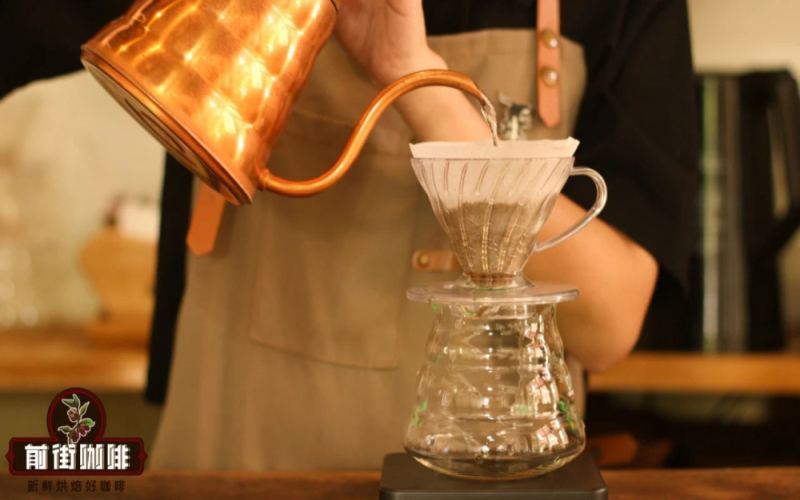
Why Is the Pourover Coffee Grounds-to-Water Ratio Commonly 1:15? A Professional Interpretation from Golden Cup Extraction to Practical Parameters
The coffee-to-water ratio for pour-over is a core question every enthusiast will face. Where exactly does the 1:15 ratio come from? Does it truly conform to the SCA Golden Cup extraction standard? Starting from Front Street's daily brewing practice, this article first clarifies two basic concepts—the coffee-to-water ratio and the water absorption rate of coffee grounds—then, combined with the Golden Cup extraction chart, analyzes the difference between the ideal range and actual output, explaining why 1:15 has become a stable and conservative choice. At the same time, the article also discusses whether tail-end truncation is necessary, and how ordinary enthusiasts should view this operation. [more…]

A Comprehensive Analysis of 30 Classic Specialty Coffee Recipes: Espresso Bases and Global Signature Brewing Methods
The world of fancy coffee is far more than just lattes and cappuccinos. Starting from the rich base of Italian espresso, adding milk, cream, chocolate, liqueur, or even fire, you can create dozens of drinks with distinct flavors. This article systematically organizes the preparation methods and recipes for 30 classic fancy coffees, covering diverse styles such as Italian, French, Viennese, Irish, and Turkish. Each drink includes detailed ingredients, steps, and key points to watch. Whether you want to recreate a café au lait at home or try igniting brandy to make a royal coffee, this guide provides clear operational references. At the end, there are also Front Street Coffee bean recommendations to help you choose the right base and get twice the result with half the effort. [more…]
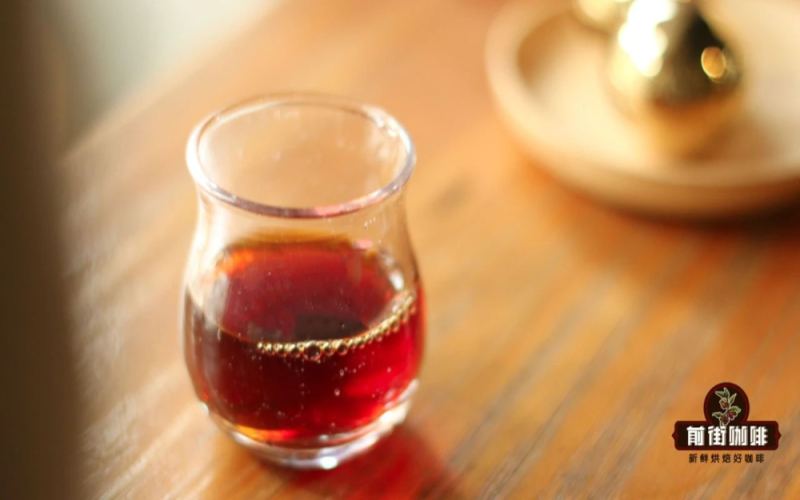
Beginner's Guide to Pour-Over Coffee | How Much Water Should You Use When Brewing Pour-Over Coffee? Is the Pour-Over Coffee Coffee-to-Water Ratio Always 1:15? What Factors Affect the Flavor of Pour-Over Black Coffee?
The coffee-to-water ratio is a very important parameter in pour-over coffee. Put simply, with a fixed amount of coffee grounds, there is an amount of water that is just right to bring out the aroma of the coffee to the fullest. Therefore, learning to find the correct coffee-to-water ratio is also an important part of learning to brew coffee. What is the coffee-to-water ratio? [more…]

Mudanjiang sees a knockoff 1 Dian Dian store; peeling off the cup sticker reveals "1 Dian Tian," and the brand has responded that it has initiated legal action.
A tea shop in Mudanjiang City has sparked heated online discussion due to its striking resemblance to the chain brand 1 Dian Dian. The store not only copied 1 Dian Dian's signage and decor but also disguised itself as "1 Dian" by using a cup sticker to cover the last character of the logo—when peeled off, it revealed "1 Dian Tian." The official mini-program shows no such store, and the franchise area has not been opened to Mudanjiang, leading netizens to conclude it is a counterfeit shop. As public opinion grew, 1 Dian Dian officially stated in the comments section that it is "already on the path to defending its rights" and thanked netizens for their "sharp eyes." This incident not only left local residents disappointed but also once again brought the issue of counterfeit infringement in the tea beverage industry to the forefront. [more…]
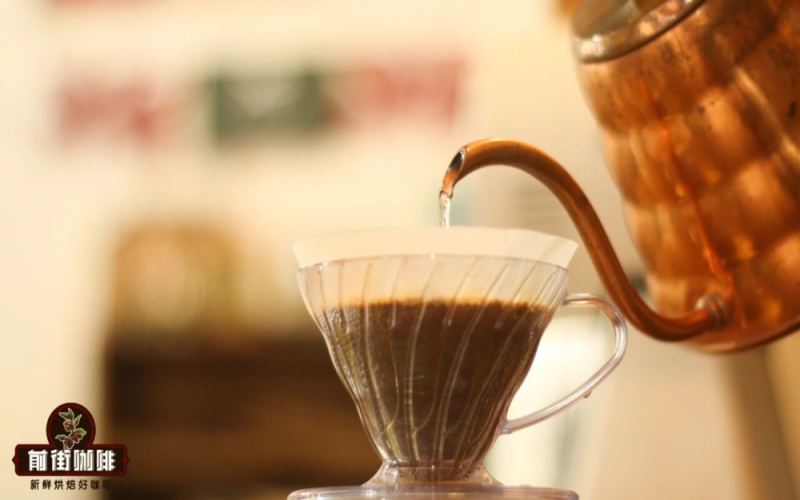
Pour-Over Coffee Three-Stage Extraction Explained: Full Analysis of 1:15 Coffee-to-Water Ratio, Water Temperature, Grind Size, and Brewing Parameters
What exactly should the coffee-to-water ratio for pour-over coffee be? Front Street Coffee has long adhered to the 1:15 ratio, a choice backed by both experimental data and the stability it brings to daily brewing. This article begins by distinguishing between the coffee-to-water ratio and the extraction liquid ratio, explains how the water absorbed by coffee grounds affects the final liquid volume, and then, in conjunction with the SCA Golden Cup extraction range, clarifies why 1:15 performs more evenly across commonly available beans. It then provides a complete breakdown of the three-stage pouring technique, including blooming, water volume, water level control, and flavor integration, helping coffee enthusiasts understand the flavor molecules corresponding to each extraction stage, and offering a brewing process that can be put into practice directly. [more…]
Front Street Coffee Blue Mountain No.1 Flannel Hand Brew Guide: 1:10 and 1:15 Coffee-to-Water Ratio Parameters and Water Temperature Selection
Blue Mountain coffee is favored by pour-over enthusiasts for its balanced, full-bodied flavor, and brewing with a flannel cloth filter does even more to reveal its delicate layers. Using Front Street's medium-dark roasted Jamaica Blue Mountain No. 1 as an example, this article documents in detail the complete brewing parameters and flavor performance at two coffee-to-water ratios, 1:10 and 1:15, and answers the question of what water temperature range is suitable for pour-over Blue Mountain No. 1. It also sorts out key variables such as blooming time, staged pouring rhythm, and extraction duration, helping you recreate at home a cup of Blue Mountain coffee that combines caramel sweetness, a chocolate finish, and soft fruit acidity. [more…]
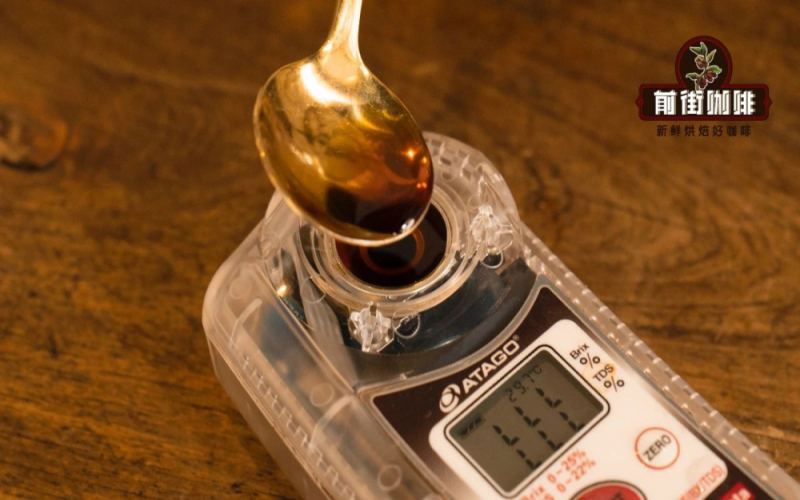
Analysis of the SCA Golden Cup Extraction Standard: The Calculation Logic and Practical Demonstration of Pour-Over Coffee Concentration and Extraction Yield
The Golden Cup extraction system is a quality reference framework widely recognized in the global coffee industry, and its core lies in controlling the concentration and extraction yield of the coffee liquid within a specific range. Compiled by FrontStreet Coffee, this article systematically reviews the origins of the Golden Cup standard and the differences in national standards, explains in detail the formulas for extraction yield and concentration, and uses a VST refractometer and a brewing example with Ethiopia Huakui 4.0 to demonstrate how to measure concentration and calculate extraction yield. At the same time, the article also discusses the influence of the pour-over coffee grounds-to-water ratio on flavor, gives a recommended ratio of 1:15 suitable for most bean varieties, and helps coffee enthusiasts build a quantifiable approach to brewing adjustments. [more…]