







Search Results for: year-round
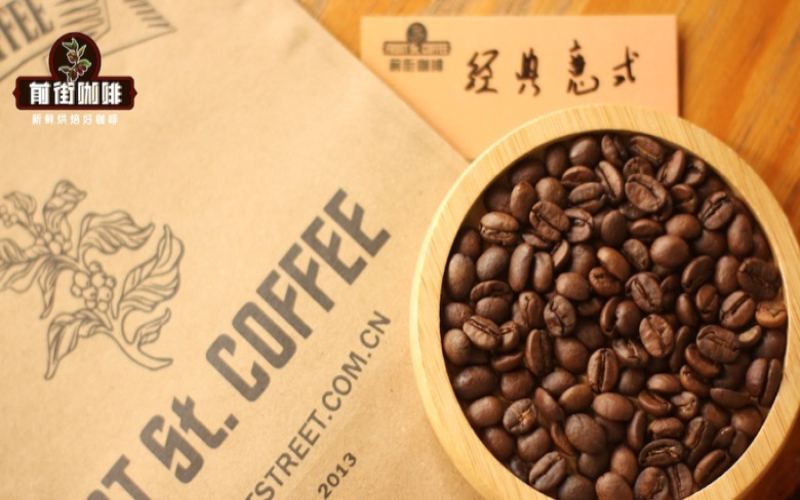
Discussing Commercial Espresso from a Menu Structure Perspective: How a Shop Should Establish Its Base Bean
Looking at a coffee shop's bean list tells you a lot about how that shop thinks. Some shops have very long lists, packed with single origins, blends, and limited releases; others carry only one or two espresso beans year-round, yet make every cup solid. For most cafes, the core of a commercial espresso bean list isn't quantity—it's staying power—one [more…]
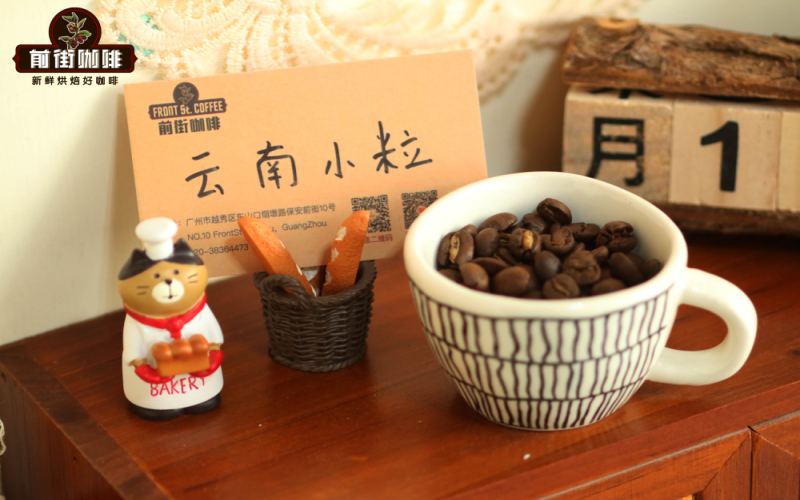
Yunnan Hand-Brewed Coffee Beans | How Good Is Yunnan Small-Bean Coffee? Recommended High-End Yunnan Single-Origin Coffee Beans Loved by Coffee Enthusiasts for Hand Brewing, Cold Brew, and Ice Drip
Domestic Yunnan coffee has become one of the topics we frequently discuss, especially regarding the quality and taste of Yunnan coffee. If you are not familiar with Yunnan coffee, you might want to start with Front Street Yunnan Arabica coffee beans, which best represent the flavor of the Yunnan growing region. It has a nutty aroma and a herbal, chocolate taste on the palate, [more…]
Mamba Blend Espresso Beans | What Is Mamba Coffee? How Can Beginners Use Mamba Blend Beans to Make Espresso? Balanced Espresso Blend Coffee Beans Recommendation
Speaking of coffee blends, we have to mention a classic combination—Front Street Specialty Blend Mamba Coffee! As the name suggests, Mamba coffee is a blend of Indonesian Mandheling and Brazilian coffee. In order to see what Mamba blend coffee actually tastes like and why it has become such a classic blend, I [more…]
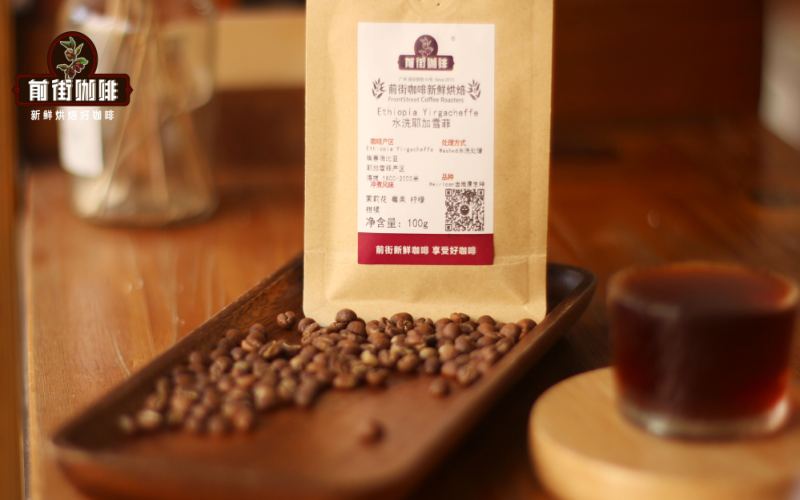
Yirgacheffe Coffee Region | Why Are Most Ethiopian Coffee Beans Washed? Recommended Newbie-Friendly Light Roast Pour-Over Coffee Beans
High-value Yirgacheffe recommendation. Front Street Coffee washed Yirgacheffe coffee beans. Region: Ethiopia Yirgacheffe. Altitude: 2300 meters. Variety: heirloom. Processing method: washed. Flavor notes: lemon, citrus, tea-like, honey, berry. Recommended because: classic Yirgacheffe flavor, affordable price, can be brewed [more…]
Nuguo Estate: How a Small Estate Broke into the Top Three of Washed Geisha
In the 2025 Best of Panama washed Geisha category, Finca Nuguo placed third with a score of 95.27, behind only Esmeralda and Sophia. In terms of fame, Nuguo is not as renowned as its two neighbors, but in terms of production conditions, it is equally astonishing—the entire estate only [more…]

A Complete Analysis of Jamaica Blue Mountain Coffee: Origin, Grading, Varieties, and Processing Methods, Plus Front Street Coffee's Pour-Over Parameters
Blue Mountain coffee, as a world-renowned representative of specialty coffee, owes its unique flavor to Jamaica's exceptional growing environment and strict quality control system. This article will systematically review the cultivation history, origin terroir, grading system, varietal characteristics, and washed processing techniques of Blue Mountain coffee, and provide a detailed introduction to the brewing method for Blue Mountain No. 1 coffee beans recommended by Front Street Coffee. From the selection of the KONO dripper to the three-stage pouring technique, Front Street Coffee's baristas will share how precise pour-over parameters can fully bring out the classic flavors of Blue Mountain coffee—its nutty sweetness and balanced, full-bodied richness—offering coffee lovers a complete guide to tasting and brewing. [more…]

Introduction to specialty coffee beans from Asia, Africa, and the Americas | What light, medium, and dark roast pour-over coffee beans are recommended for coffee beginners?
What is pour-over coffee? Pour-over coffee refers to manually brewed coffee, also known as drip coffee. This method was invented in 1908 by the German woman Melitta Bentz. In order to promote this brand-new coffee extraction method to the outside world, Mrs. Melitta also [more…]
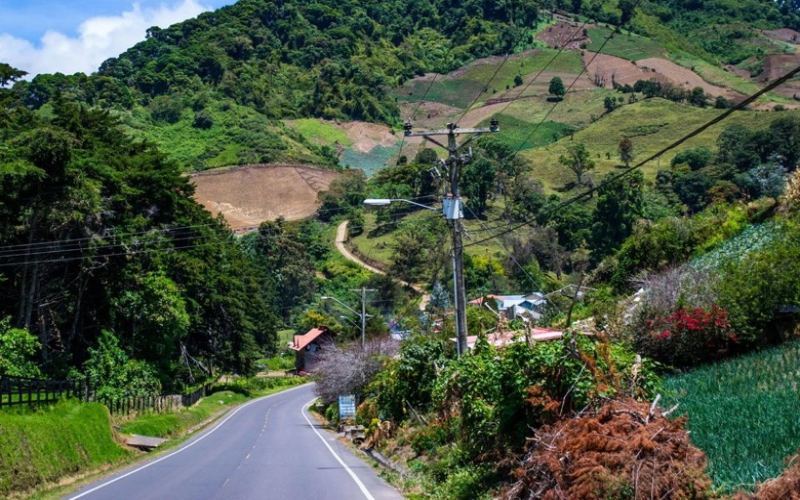
Traveling Along the Coffee Belt: How Terroir Shapes a Pour-Over
Stretching between the Tropic of Cancer and the Tropic of Capricorn lies a coffee belt. Every producing region along this belt tells its own coffee story through its unique altitude, soil, climate, and cultural traditions. For pour-over enthusiasts, understanding a region's terroir is like traveling the world with a flavor map in hand. The story begins with Ethiopia [more…]
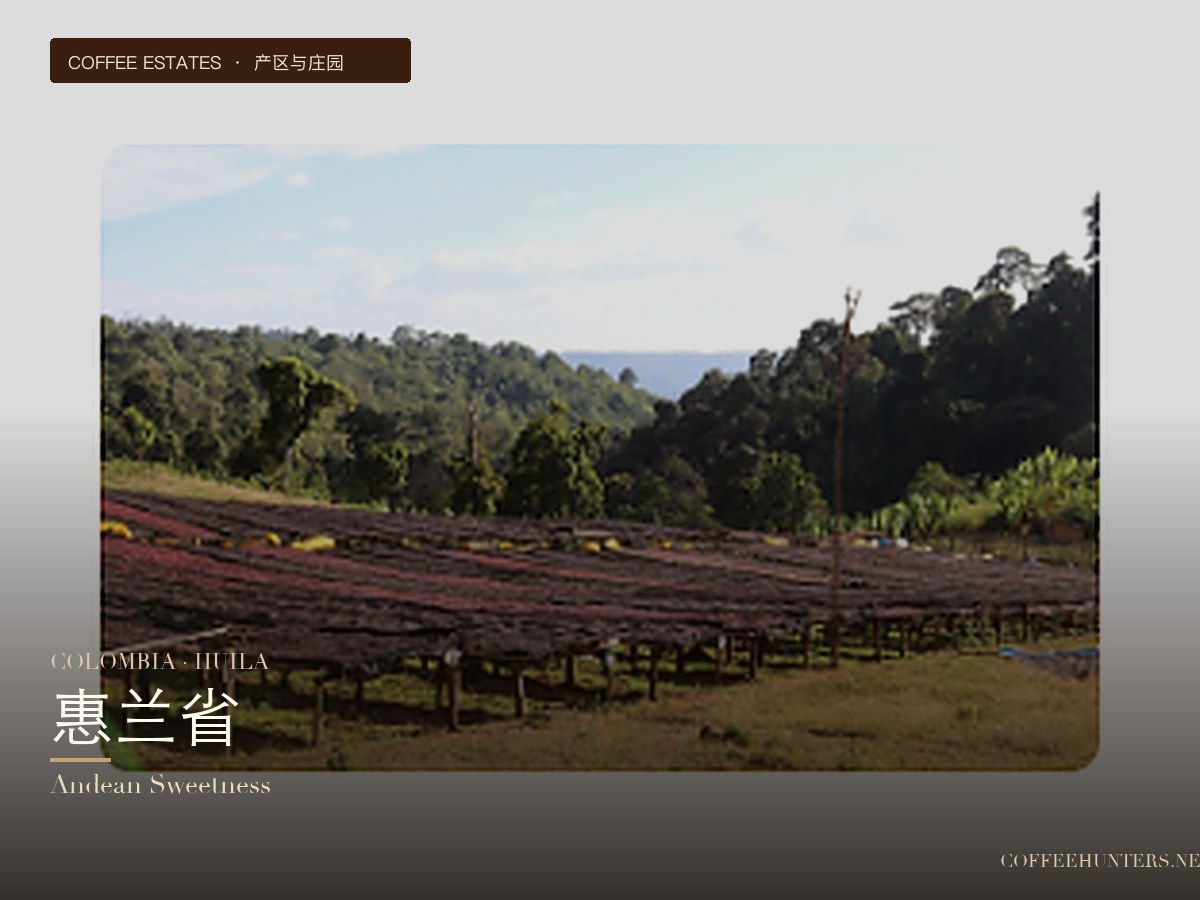
Colombia · Huila Department: Balanced Sweetness of the Andes
Huila is Colombia's most prestigious specialty coffee region, and the coffee produced here is famous for its balanced acidity and sweetness, pronounced caramel sweetness, and clean cup profile. This article guides you through Huila's geography, varieties, flavors, and brewing. [more…]
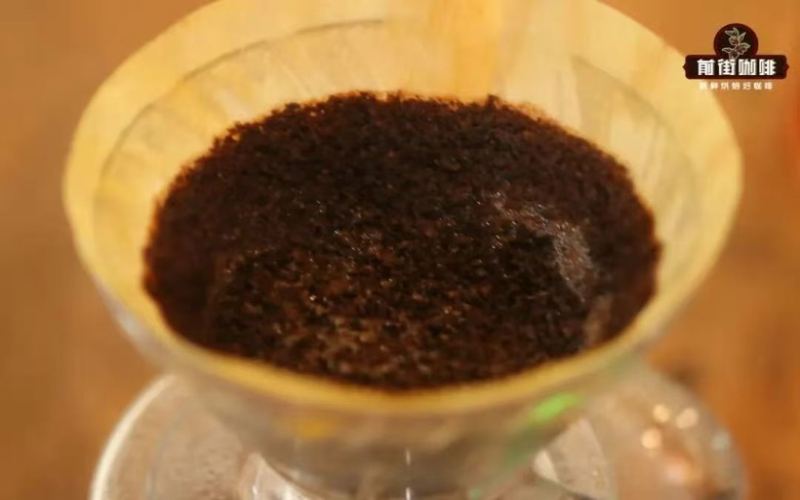
Pour-Over Beans from High-Altitude Regions: Why Are Floral and Fruity Notes Clearer?
When drinking pour-over coffee, have you ever noticed a pattern: those beans with particularly clear floral and fruity notes often come from high-altitude origins. Between altitude and flavor lies a very interesting causal chain—once you understand it, your eye for choosing beans will become much sharper. The reason high-altitude growing regions produce good flavor is first of all temperature. [more…]
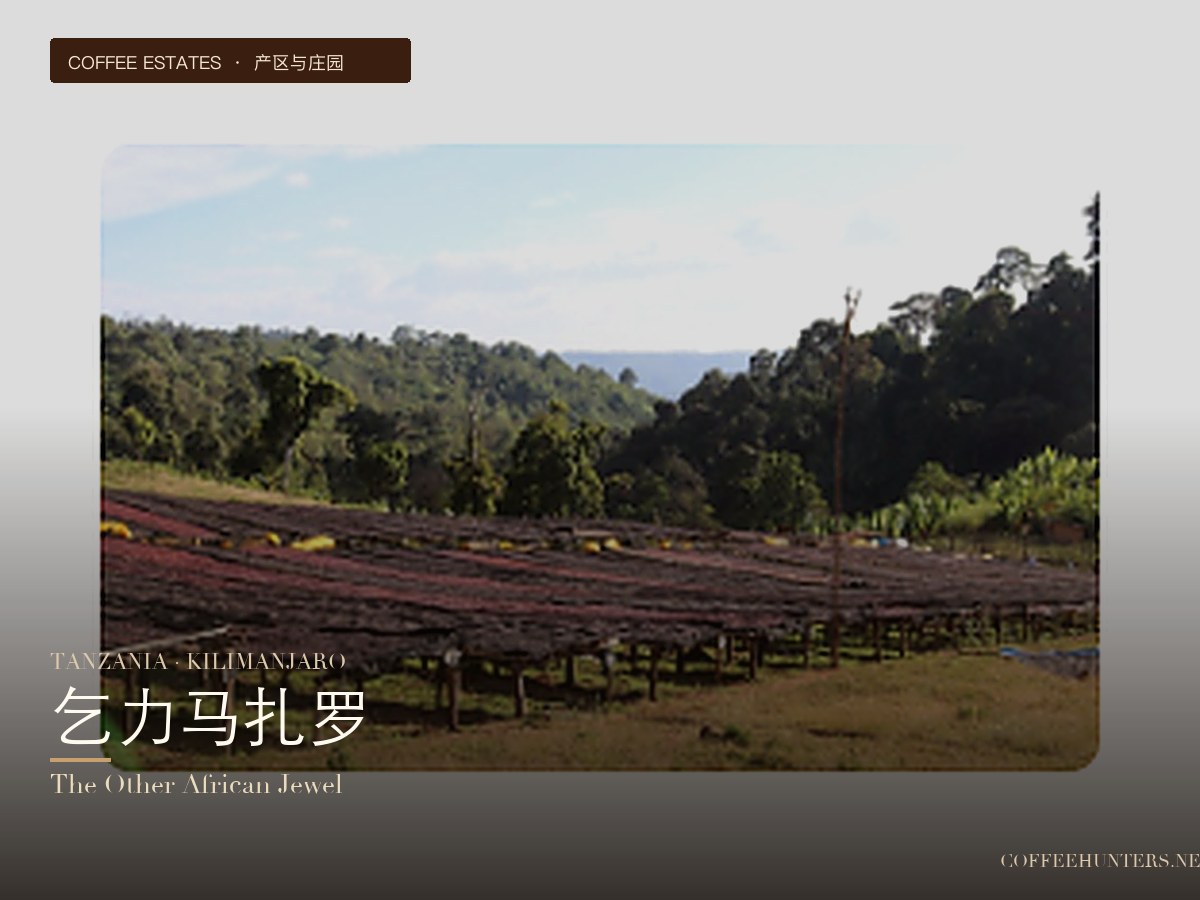
Tanzania: Kilimanjaro and Mount Meru — Another Gem of Africa
Tanzania is another important specialty coffee producer in Africa, with Mount Kilimanjaro and Mount Meru as its core producing regions. This article takes you through the history, geography, and flavor of Tanzanian coffee. [more…]
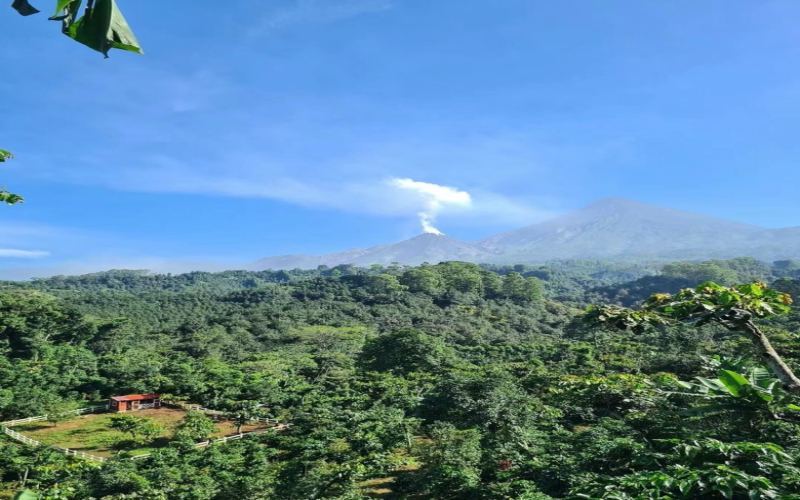
Does Higher Altitude Mean Better Coffee? The Real Relationship Between Altitude and Flavor
In coffee shops, you often hear the words "high altitude," as if the higher the altitude, the more premium the coffee. But the truth is not that simple: altitude is indeed a heavyweight factor affecting flavor, yet it is far from a straight-line relationship of "the higher, the better." What does altitude bring? A common feature of high-altitude growing regions is a large temperature difference between day and night, with relatively low temperatures. Coffee [more…]
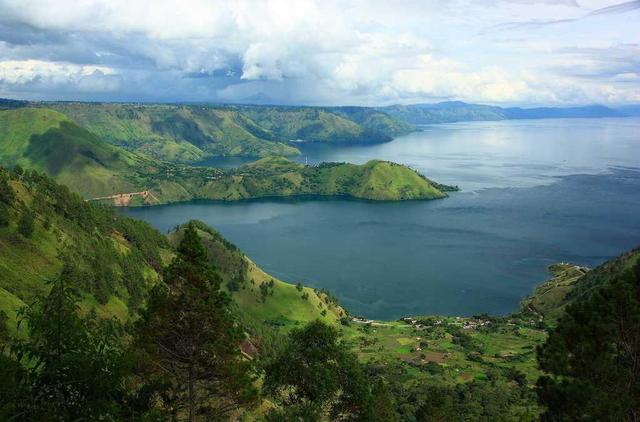
The History of Indonesian Coffee Development | Where Did Indonesian Mandheling Coffee Originate? Introduction to Mandheling Origins, Varieties, and Coffee Flavor Characteristics
Among Indonesian coffee beans, Mandheling coffee beans are the most famous. Mandheling coffee beans are the representative of Indonesian specialty coffee and also the representative of Asian coffee, with a distinct Asian coffee style: pine, herbal, nutty, and caramel notes, with a very full-bodied mouthfeel and a solid, lasting finish. Precisely because of this, this kind of coffee flavor is not for everyone. [more…]

From Origin to Bar: A Green Bean Sourcing Perspective on Commercial Blends
A cup of commercial espresso at the bar has its origins thousands of kilometers away at the source. Blending is not as simple as pouring several bags of roasted beans together and mixing them evenly—a professional roaster's blend is designed from the moment green beans are purchased. Understanding this upstream perspective can help shop owners see through many of the "whys" when selecting beans. The starting point of a blend is the recipe definition. [more…]
A Detailed Guide to the Flavor Characteristics of Colombian Specialty Coffee Bean Regions: From Emerald Coffee to Andean Mountain Mellow Coffee
Colombian coffee is one of the few single-origin coffees sold worldwide under a country's name, and is renowned as the "Emerald Coffee." It is grown in the highlands of the Andes in northwestern South America, where the mild climate and humid air provide an ideal "natural pasture" for Arabica coffee. Colombian coffee is famous for its acidity with a hint of sweetness, mild bitterness, and excellent balance, with a silky, soft mouthfeel, a rich and full-bodied aroma, a bright, high-quality acidity, and sometimes a nutty nuance. The country's coffee-growing regions are divided into more than 200 grades, and harvests occur year-round, making it the world's largest exporter of washed Arabica coffee beans. This article will comprehensively analyze the unique charm of Colombian specialty coffee from the perspectives of its production background, flavor characteristics, geography and climate, cultivation management, and export system. [more…]
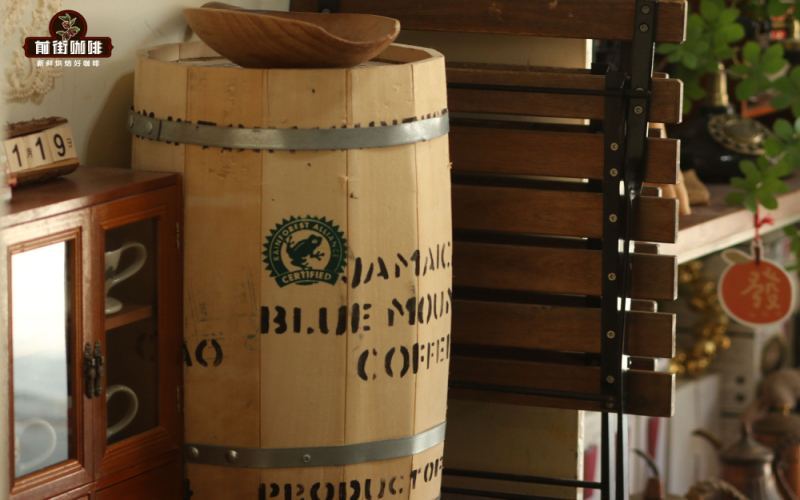
A Guide to Identifying Authentic Jamaican Blue Mountain Coffee: Certificates, Prices, and Flavor Profile Fully Explained
Blue Mountain coffee is hailed as the "Emperor of Coffee," but the market is flooded with a mix of genuine and fake products, making it hard to tell true from false. From the perspective of Front Street Coffee, this article systematically sorts out the historical origins of Jamaican Blue Mountain coffee, the certified authentic production regions, the green bean grading standards, the characteristics of the Typica variety, and the differences between the two processing methods of washed and natural. At the same time, it explains in detail how to identify genuine Blue Mountain through features such as the CIB certificate and wooden barrel packaging, and includes the roasting curve, cupping report, and brewing parameters of Front Street's washed Blue Mountain, helping coffee enthusiasts gain a comprehensive understanding of the true appearance and value of this top-tier coffee. [more…]
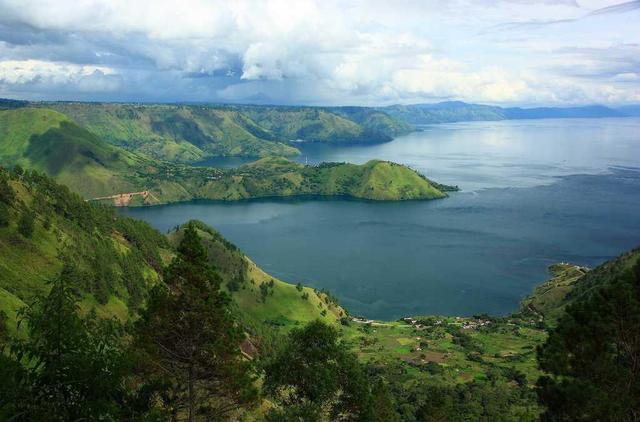
The Origin and History of Mandheling | What is the Sumatra coffee grading system? What varieties of Mandheling are there? How is Indonesian coffee brewed?
Once hailed as the most expensive coffee in the world, Kopi Luwak comes from Indonesia, and its most iconic representative is Front Street Mandheling coffee. Mandheling coffee has a moderate acidity, an extremely heavy aroma, a rather bitter taste, and a rich body with a thick, full mouthfeel. Its flavor combines aroma, intensity, richness, and bitterness in one. Of course, for [more…]
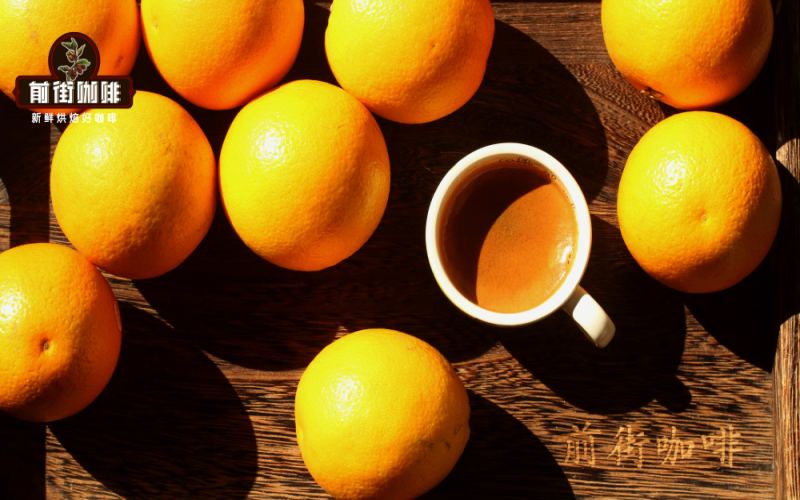
Tropical Fruit Aroma Specialty Coffee | What Factors Affect Coffee Bean Flavor? Which Floral and Fruity, High-Sweetness Pour-Over Beans Are Recommended for Beginners?
Coffee is a fruit—everyone knows that. But to be more precise, coffee is also a tropical fruit, so it can not only be eaten directly but should theoretically also have the tropical fruit characteristics mentioned above by Front Street. Yet when we pick a fully ripe coffee cherry on site, whether we smell it or eat it, it does not [more…]
From Coffee Cherry to Cup: Coffee Cherry Structure Diagram and Full Analysis of Green Bean Processing Workflow
Many people drink coffee every day, yet have never seen what a coffee fruit actually looks like. Coffee cherries resemble cherries, turning red when ripe, and their internal structure determines the final form of the coffee bean. This article uses anatomical diagrams to show in detail the exocarp, pectin layer, endocarp, silver skin, and seed of the coffee fruit, and traces the complete chain from harvesting, washing or drying, roasting, to extraction. It also introduces the distribution characteristics of the global coffee belt, as well as the basic differences among the three major native species: Arabica, Robusta, and Liberica. The article also recommends related products from Front Street Coffee, helping enthusiasts understand more intuitively the transformation of coffee from fruit to cup. [more…]
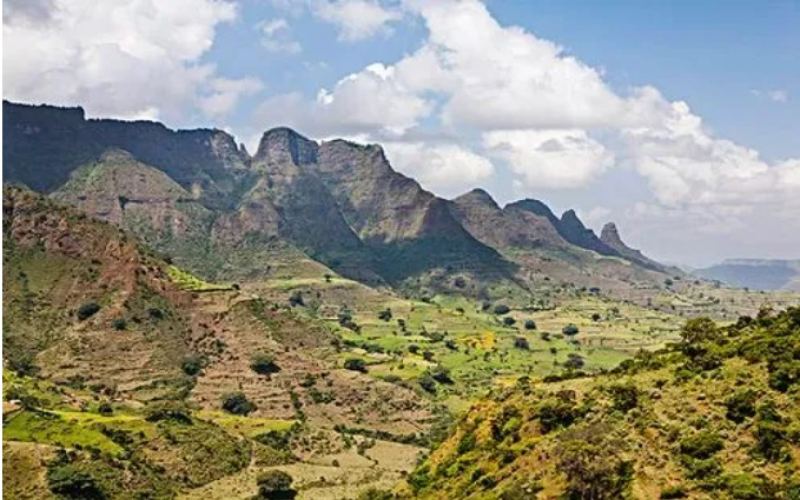
Yirgacheffe Coffee Beans | Introduction to the Coffee Flavor and Producing Region of Medium-Light Roasted Ethiopian Yirgacheffe
Adding sugar and milk has become a coffee drinking habit formed over the past nearly hundred years, because Mandheling, Brazil, Colombia, and Blue Mountain have all traditionally used dark roasting. Yirgacheffe beans are small, and the fruity acidity of light-roasted coffee has opened a new coffee world. The African continent is vast, with an average elevation of 75 [more…]