







Search Results for: wine-flavored coffee beans
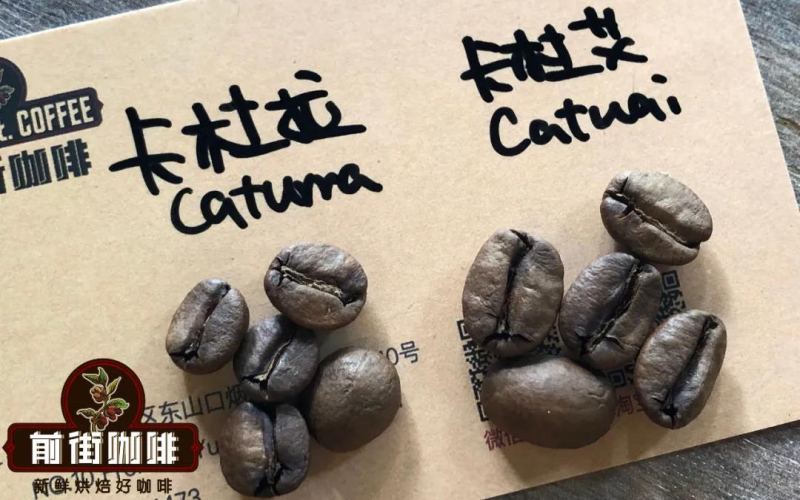
Do Wine-Flavored Coffee Beans Contain Alcohol? Honduras Lychee Orchid: Flavor Analysis of Brandy Barrel-Fermented Washed Beans
In recent years, coffee processing methods have continuously evolved, from early anaerobic fermentation to red wine processing, and now to oak barrel fermentation, with endless innovative techniques making coffee flavors increasingly diverse. The Honduras Litchi Orchid coffee beans launched by Front Street Coffee are produced using a combination of fine washing and brandy barrel fermentation, originating from the Moca Estate in the Marcala region, at an altitude of 1,500-1,700 meters, with varieties of Caturra and Catuai. This bean shares similarities with the same brand's Sherry coffee beans, with the difference being that Sherry uses whiskey barrels, while Litchi Orchid selects brandy oak barrels. The fermented beans carry a soft lychee and honey sweetness, while integrating brandy notes and oak aroma. This article will provide a detailed introduction to this bean's processing method, flavor performance, and answer the question of whether wine-flavored coffee beans contain alcohol. [more…]
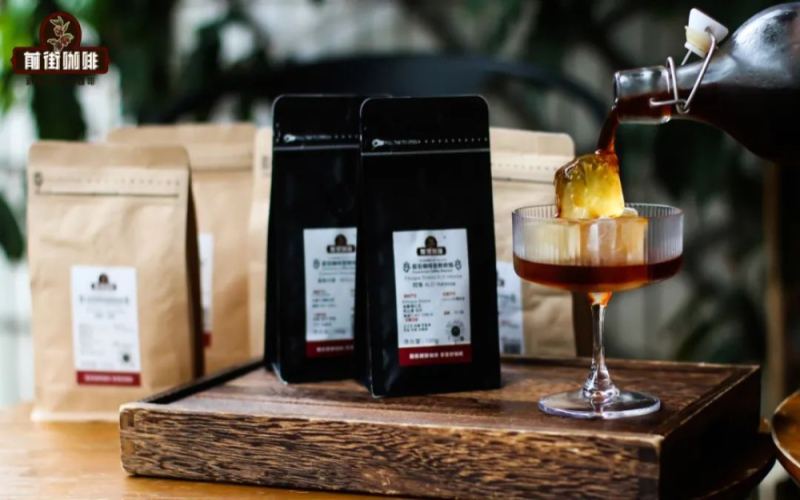
Can Mandheling Be Used for Cold Brew? A Guide to Cold Brew Coffee Ratios, Shelf Life, and Bean Selection
Cold brew coffee, with its non-bitter, slightly acidic, and mellow characteristics, has become a popular drink in summer. Different coffee beans present entirely different flavor profiles under low-temperature extraction—from fruity sun-dried beans, to rich and acid-free dark roast beans, to anaerobically processed beans with intense wine-like aromas, the range of choices is quite broad. This article starts from the perspective of bean pairing and, combined with Front Street Coffee's bean list recommendations, helps you find the coffee bean most suitable for cold brew; it also answers practical questions such as how long cold brew coffee can be stored and how to control the coffee-to-water ratio, so you can easily make a cup of cold brew to your liking at home. [more…]

Starbucks teams up with YONEX to invite Lin Dan for an appearance—why are reviews so polarized on the new sports season drinks and co-branded merchandise?
Amid the Paris Olympics hype, Starbucks has teamed up with renowned badminton brand YONEX for a collaboration, launching limited-edition rackets, playful cup sleeves, and a range of sports-themed merchandise. They also invited badminton legend Lin Dan to appear at the Beijing Sanlitun store for the promotion, where he interacted with fans by swinging rackets and signing autographs. Meanwhile, the brand introduced an alcohol-free cold brew inspired by French sparkling wine and two sports-limited-edition cakes. However, reviews of the new products have been notably polarized: the cold brew was praised by some consumers as refreshing and sweet, while others criticized it for having an odd flavor; the cupcakes received more negative reviews for their dry and hard texture. Despite the massive hype of the collaboration, the controversy over the quality control of the drinks and pastries has led some netizens to question whether the brand is 'putting the cart before the horse'. [more…]
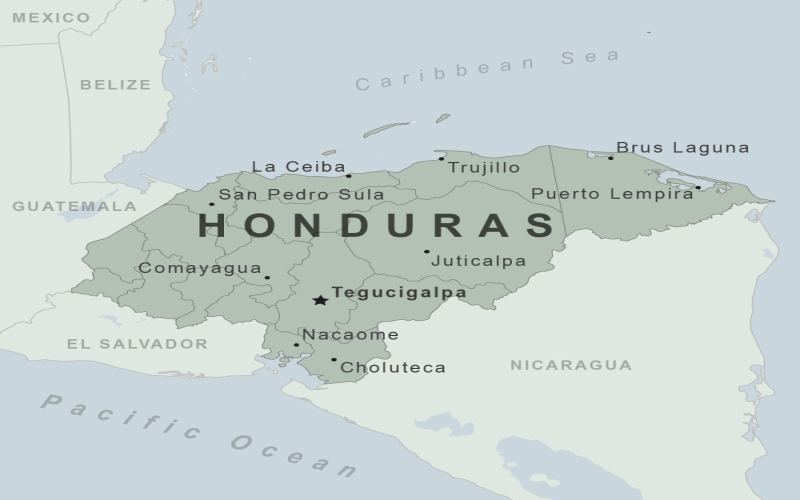
Honduras Lychee Orchid Coffee Brewing Guide: Barrel-Fermented Flavor and Moka Estate Origin Analysis
Honduras Lychee Orchid coffee took the coffee world by storm in 2019 with its unique brandy barrel fermentation process, becoming a signature example of wine-aroma coffee. This bean comes from the Moca Estate in the Marcala region, using Caturra and Catuai varieties, and undergoes low-temperature barrel fermentation for 30 days, presenting intense aromas of brandy, liqueur chocolate, and honey. This article will provide a complete analysis of the flavor sources of Lychee Orchid, from the background of the Honduran coffee industry, variety characteristics, and estate terroir to the brandy barrel fermentation process, along with Front Street Coffee's brewing parameters and techniques, to help you recreate this intoxicating wine aroma by hand. [more…]
Where Does the Winey Aroma in Espresso Blends Come From? Which Blend Works Best for Milk Coffee? Front Street Sunflower Warm Sun Flavor Analysis
In the world of espresso, the choice of blended beans often determines the final direction of a shot of espresso or milk coffee. Some people prefer blended beans with vinous notes, that faint fermented aroma that adds layers to the coffee; others pay more attention to how the blend performs when combined with milk, hoping the milk coffee still retains clear flavor recognition. A current espresso blend used by Front Street Coffee—Front Street Sunflower Warm Sun Espresso Blend—happens to perform well on both of these dimensions. It is composed of Front Street Honduras rum barrel-fermented Sherry coffee beans and Front Street Yirgacheffe natural Red Cherry Project in a 7:3 ratio. When pulled as espresso, the vinous notes are pronounced, the acidity is moderate, and the finish is long; when made into milk coffee, the rum chocolate flavor stands out, with high sweetness and a smooth mouthfeel. This article will analyze the source of the alcoholic flavor, the blending approach, and the milk coffee performance to help coffee lovers understand the characteristics of this bean more clearly. [more…]
Honduras Lychee Orchid Coffee Review: Analysis of Brandy Barrel Fermentation Process and Lychee, Melon, Chocolate Flavor Notes
Honduras has risen rapidly in the Central American coffee landscape in recent years, gaining recognition from more and more coffee-consuming countries thanks to continuous upgrades in processing techniques. Front Street Coffee's Litchi Orchid is one such highly distinctive bean—it uses a low-temperature fermentation process in brandy oak barrels, bringing out a complex flavor profile of lychee, brandy, melon, honey, and chocolate from the Typica variety. Starting from the background of Honduras's production regions, this article will break down Litchi Orchid's processing method, flavor performance, and brewing parameters in detail, giving you a comprehensive understanding of the appeal of this wine-scented specialty coffee. [more…]
Front Street Colombia Wine Process Coffee Beans: A Complete Guide to Flavor Characteristics, Grind Parameters, and Cloud Estate Origins
In recent years, red wine processing has attracted much attention in the specialty coffee world. Drawing on the fermentation control concepts used in winemaking, it intervenes in pH, temperature, humidity, and microbial conditions to give coffee beans a rich acidity and complex aroma reminiscent of red wine. This article will start with the flavor differences between lactic acid fermentation and acetic acid fermentation, outline the specific operational process of red wine processing, and combine it with the origin information of Front Street Colombia Red Wine Process—the eastern slopes of the Andes in Cundinamarca Department, a growing altitude of 1,800 to 2,000 meters, and the anaerobic fermentation practice of Remi Sultan in sealed metal containers—to provide coffee lovers with a complete set of flavor descriptions and grinding setting references. [more…]
Specialty Coffee Drip Bag Black Coffee Recommendations | Illustrated Tutorial on How to Brew Drip Bag Coffee: What Are Common Mistakes in Drip Bag Coffee Brewing?
For the same beans, freshly roasted coffee and drip bags will have certain differences in flavor, because once coffee is ground into powder, its natural aromas disappear quickly. Of course, Front Street Coffee also has quite a few regular customers who request that the beans be ground before shipping, and in such cases Front Street Coffee generally recommends drinking it as soon as possible. Of course, compared with pour-over, drip bags are [more…]

Specialty Drip Bag Black Coffee Brand Ranking | How to Properly Brew Drip Bag Coffee? What Are the Key Considerations for Drip Bag Coffee Brewing Ratio, Extraction Time, and Water Temperature?
For the same beans, freshly roasted coffee and drip bags will have some differences in flavor, because once coffee is ground into powder, its natural aroma disappears quickly. Of course, Front Street Coffee also has many regular customers who request that the coffee be ground before shipping, and in such cases Front Street Coffee generally recommends drinking it as soon as possible. Of course, compared with pour-over, drip bags are [more…]
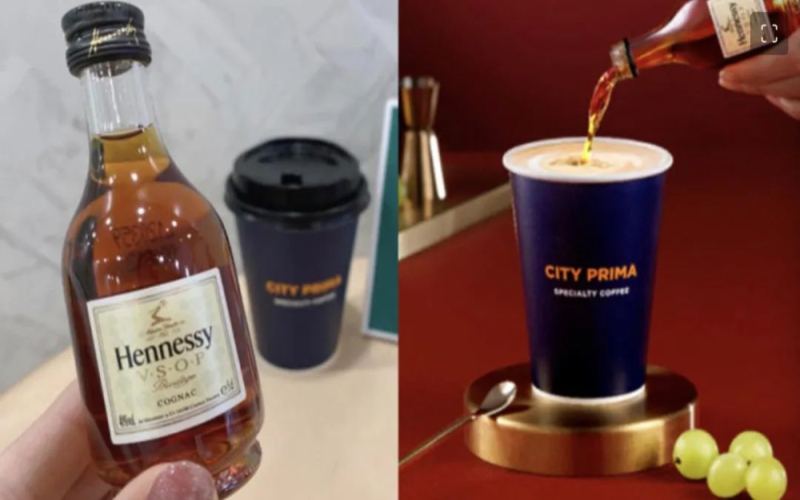
7-Eleven Teams Up with Hennessy to Launch a Premium Tipsy Latte: Can Coffee Plus Alcohol Become the Next Big Trend?
The cross-industry fusion of coffee and alcohol is becoming a new industry trend. 7-Eleven's specialty coffee brand CITY PRIMA has partnered for the first time with the renowned French cognac house Hennessy to launch the "Specialty Tipsy Latte Combo," pairing specialty Ethiopian beans with a mini bottle of Hennessy V.S.O.P, allowing consumers to mix their own专属 liquor-infused flavor. This is not 7-Eleven's first foray into the alcohol-coffee arena; previously, its Beijing stores had already tested a self-service cocktail area. From chain brands to independent cafes, the "daytime coffee, nighttime alcohol" model is sweeping across the entire coffee market, and beverage brands are also increasingly moving toward coffee. This article will guide you through the specifics of this collaboration, the product background, and the new trends sparked by the collision of coffee and alcohol. [more…]
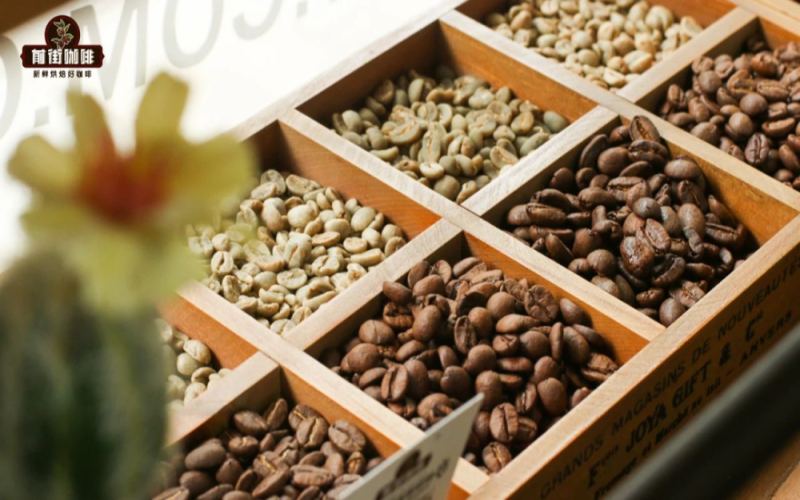
Cold Brew Coffee Single-Origin Bean Recommendations | What's the Difference Between Cold Brew and Iced Coffee? How Many Days Can Cold Brew Coffee Be Stored in the Fridge? How to Make a Single Serving of Cold Brew?
For more specialty coffee knowledge, please follow our WeChat public account: Front Street Coffee (FrontStreet Coffee). If you have ever tried cold brew coffee, you will surely be captivated by its uniquely smooth mouthfeel and "pure" character. Why is cold brew coffee so popular? Compared with regular [more…]
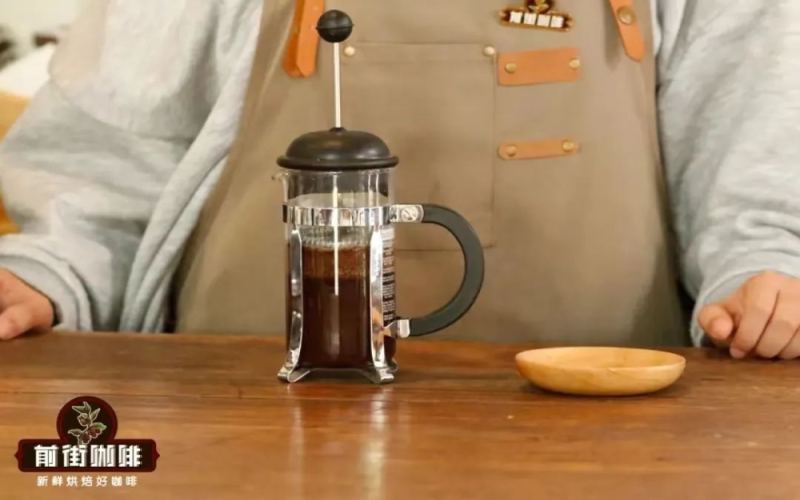
Yirgacheffe Washed vs. Natural: Flavor Differences Explained & Front Street Red Cherry French Press Brewing Parameters
Ethiopian Yirgacheffe is a highly favored origin in the specialty coffee world, and its two main processing methods—washed and natural—each have distinct characteristics and wildly different flavor profiles. Washed Yirgacheffe is known for its fresh jasmine aromatics and citrus notes, with a clean, transparent mouthfeel; natural Yirgacheffe, because it retains more sugar from the fruit pulp, presents rich berry and tropical fruit flavors. This article approaches the topic from the perspective of processing methods, comparing in detail the core differences between washed and natural, while also sharing the French press brewing parameters for Front Street Coffee's Natural Red Cherry coffee beans, including key information such as coffee-to-water ratio, water temperature, grind size, and steep time, to help coffee enthusiasts easily recreate a full-flavored cup of Yirgacheffe at home. [more…]
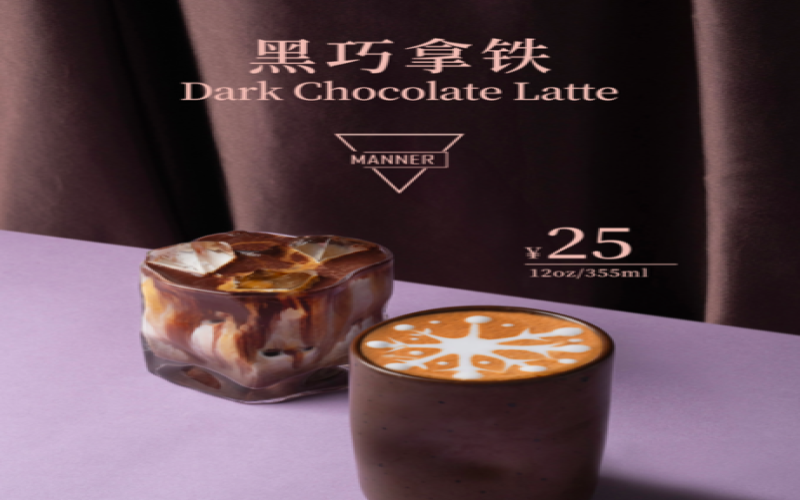
Manner's new Dark Chocolate Latte draws complaints: red wine natural SOE brings a fermented bean curd taste, consumers call for it to be pulled from shelves
Recently, Manner launched a seasonal limited-edition Dark Chocolate Latte, officially claiming it uses a red wine natural SOE paired with rich dark chocolate to deliver a delicate, sweet finish. However, after the new product hit the shelves, many consumers reported that the taste was vastly different from the marketing: the dark chocolate flavor was lacking, and instead there was a strange fermented taste resembling fermented bean curd or rotten fruit, sparking heated discussion. Some bluntly said they poured it out after two sips and urged the brand to discontinue it. Longtime fans pointed out that this new product is actually an upgraded version of last year's Raw Chocolate Latte, which was already mocked for a fermented bean curd taste last year. Still, some customers were drawn to its unique flavor, comparing it to liqueur chocolates. This article walks you through the detailed feedback on this controversial new product and the reasons behind it. [more…]
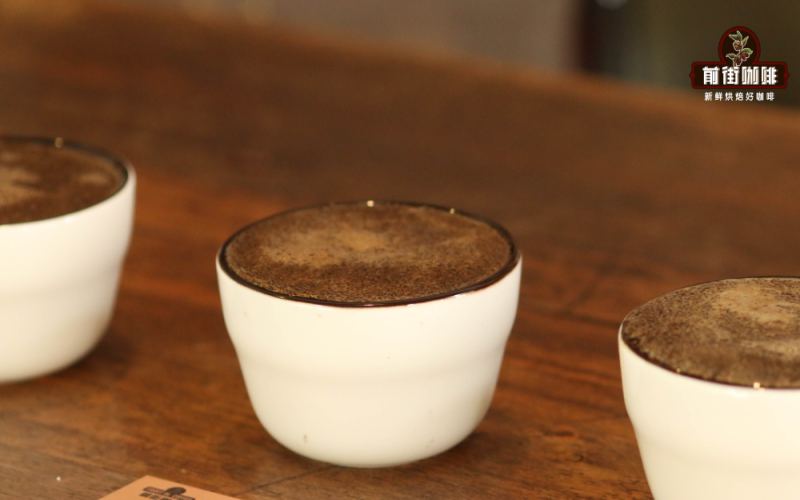
Exploring the Origin of Rum Barrel Fermented Coffee: The Unique Processing at Finca San José in Colombia and Front Street's Brewing Analysis
Wine-aroma coffee beans have gained great popularity in recent years. Many people believe that barrel fermentation technology originated in Honduras, but in fact, Finca San Jose in Colombia is the true pioneer of this process. This article will guide you through an in-depth understanding of how Finca San Jose cleverly combines rum oak barrels with green coffee beans—from the selection of the Castillo variety, the details of refined washed processing and three-month barrel fermentation, to Front Street Coffee's roasting curve and brewing parameters—fully revealing the flavor secrets of this rum barrel-fermented coffee. Whether you are curious about its historical origins or want to replicate a cup of wine-aroma pour-over, you will find detailed answers here. [more…]
Rum Barrel Fermented Coffee Flavor Analysis: Colombia San Jose Estate Processing Method and Pour-Over Parameters
Winey coffees have attracted much attention in recent years. Front Street Coffee has three beans with winey notes, among which Sherry and Lychee Orchid are well known, but the origin of barrel fermentation actually lies in the San Jose Estate in Colombia. This article provides a complete breakdown of Front Street Colombia Rum Barrel Fermented Coffee, from the producing region, estate story, and processing method to roasting and brewing. The San Jose Estate is located in the Caldas region at an altitude of 1750 meters, uses the Castillo variety, and after meticulous washing, is placed in aged rum oak barrels for low-temperature fermentation for three months. The cup profile presents notes of rum truffle, rum, tropical fruit, and maple syrup. The article also provides V60 staged extraction parameters and measured taste results, making it suitable for coffee enthusiasts who want to understand the principles of barrel fermentation and brewing methods. [more…]
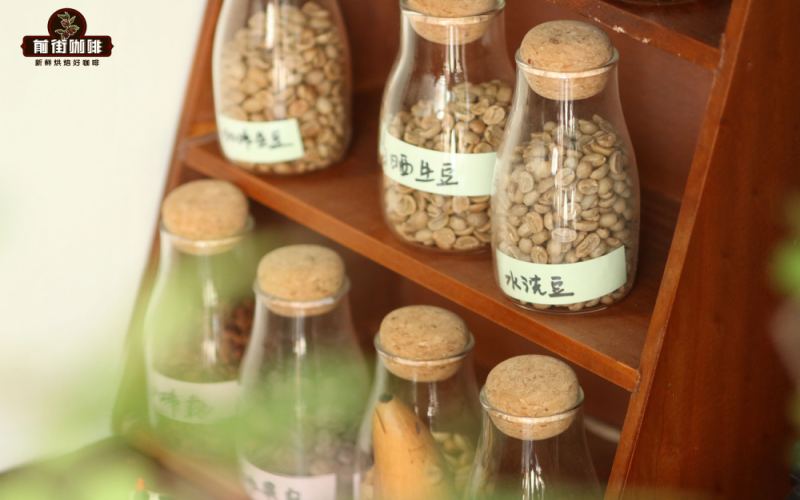
A Detailed Guide to the Production Process of Ice Drip and Cold Brew Coffee and a Comparison of Cold Brew Coffee Flavor Characteristics
On a hot summer day, a refreshing glass of cold brew coffee is undoubtedly an excellent choice to cool off and quench your thirst. This article will introduce in detail the preparation steps and methods for cold brew coffee, ice drip coffee, and cold steeped coffee, and provide an in-depth analysis of their characteristics and differences. The baristas at Front Street Coffee will share key parameters for ice drip coffee, including equipment components, coffee-to-water ratio, grind size, and extraction time, and will also teach you how to make cold steeped coffee at home using simple containers. In addition, the article will explore the flavor characteristics of cold brew coffee and how to choose suitable coffee beans, including Front Street's recommended Kenya Asalia and Honduras Sherry coffee beans, so you can easily enjoy a professional-grade iced coffee experience at home. [more…]
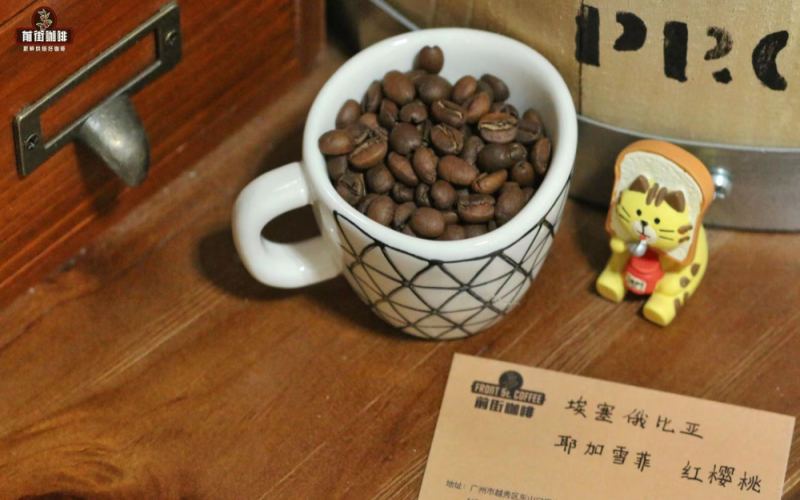
Pour-over coffee brewing method | How to brew drip bag coffee, how many times can it be brewed? How much water is needed to make a cup of drip bag black coffee?
For more specialty coffee knowledge, please follow: Front Street Coffee (Frontsteet Coffee). Newcomers to coffee may misunderstand the difference between pour-over coffee and drip bag coffee. Due to the packaging cost of drip bag coffee, the price of drip bag coffee made from the same coffee beans will be higher than that of whole beans. [more…]
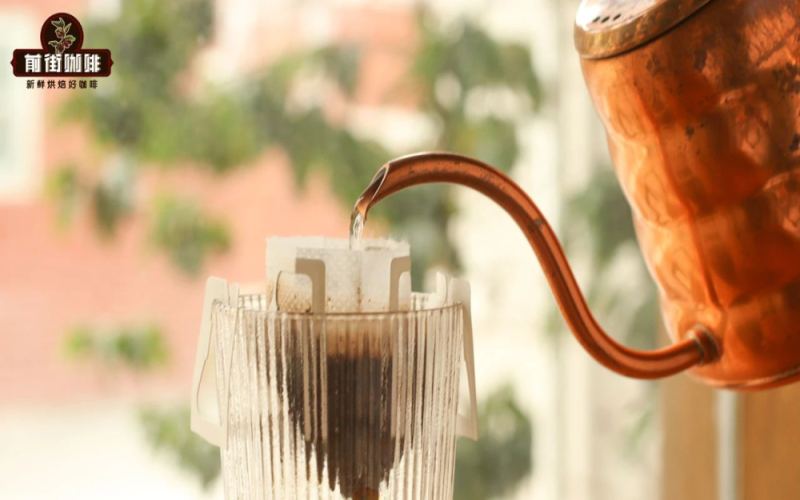
The Correct Guide to Brewing Drip Coffee: Detailed Explanation of Water Amount, Water Temperature, and Number of Extractions, with Flavor Recommendations from Five Front Street Coffee Production Regions
Drip coffee bags have become the preferred way for many people to get their daily caffeine fix thanks to their portability and ease of use. But when it comes to how many times it should be brewed, how much water to use, and how to control the water temperature, many coffee newcomers still have questions. In this article, Front Street Coffee will walk you through the scientific brewing process for drip coffee bags, covering everything from the coffee-to-water ratio and pouring rhythm to the blooming technique, and also explain why coffee is only suitable for one extraction. At the end, we've also selected drip bag flavors from five regions—Ethiopia, Kenya, Panama, Indonesia, and Honduras—for enthusiasts who want to explore the character of different origins. [more…]

Front Street Coffee Complete Knowledge Collection: A Coffee Learning Guide and Practical Manual from Beginner to Advanced
The Front Street official account has insisted on daily updates for many years, accumulating a massive amount of educational content covering every area of coffee. From the origins of coffee beans to the birth of a finished cup of coffee, from basic terminology to advanced brewing techniques, the articles have touched on virtually every question a coffee lover might encounter. This article reorganizes that content along a learning path, dividing it into sections such as must-reads for beginners, tasting methods, brewing techniques, advanced improvement, and Front Street's random musings on industry topics, making it easy for readers to quickly locate the knowledge they need based on their own stage, and also convenient for systematically filling in gaps. Whether you are a novice just getting into coffee or an advanced player hoping to hone your skills, you can find corresponding content here. [more…]
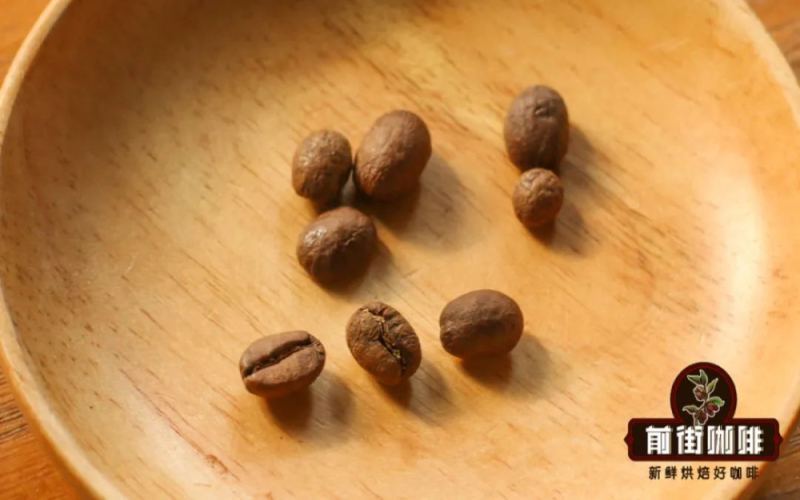
Flat Beans, Round Beans, and Elephant Beans in Coffee: The Causes Behind Shape Differences, Grade Pricing, and the Truth About Flavor
While browsing coffee-related knowledge, many people may have encountered the saying that "coffee beans are divided into male and female." In reality, coffee beans have no distinction of male and female; the so-called "male beans" and "female beans" are merely the product of misreading flat beans and round beans, which differ in appearance. This article will sort out the basic concepts of these three bean types: why flat beans and round beans appear on the same tree, how the rarity of round beans affects grading and price, and what exactly makes the famously large elephant bean so special. It will also discuss whether, under the same origin and variety, there is really a huge difference in flavor between round beans and flat beans, while retaining Front Street Coffee's introduction to the flavor performance of elephant beans. [more…]