







Search Results for: when making
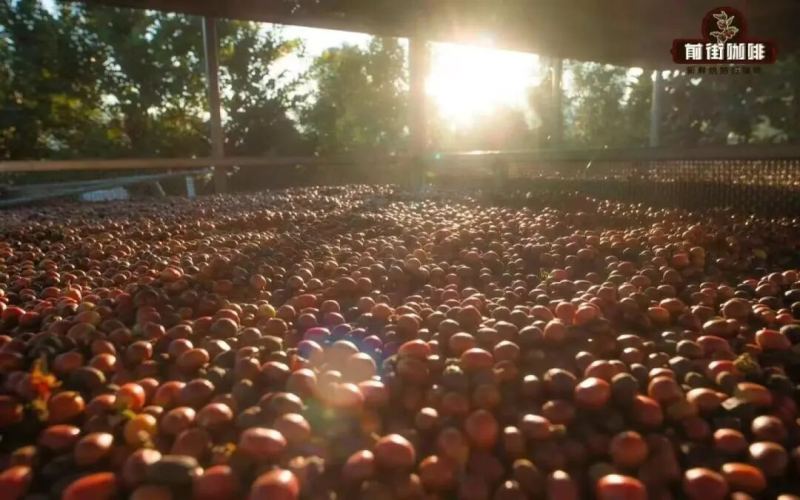
Coffee Bean Selection Guide | What is a coffee combo? Which coffee beans are suitable for making a combo? What should be noted when making a combo?
By splitting the extracted espresso into 2–3 portions, then separately crafting each into a different type of coffee and finally combining them for serving, this is a highly popular serving format in today's coffee shops—the Coffee Combo. Because you can taste different "dishes" made from a single bean at the same time. [more…]
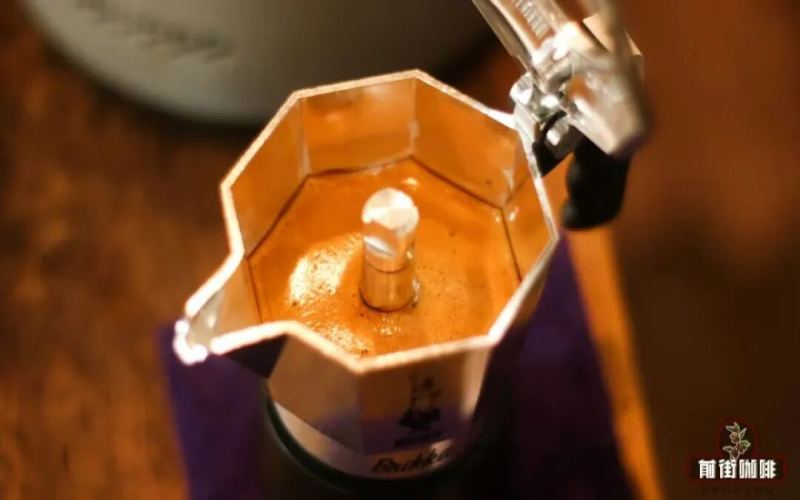
Moka Pot | What role does adding filter paper play when brewing coffee with a moka pot? Where should the coffee filter paper be placed?
To be honest, Front Street Coffee thinks that coffee filter paper can really be called a very versatile tool. Because it's not just for pour-over coffee—it's also used for iced drip coffee, cold brew coffee, espresso, and some friends even use it when making coffee with a moka pot! And at this point, some friends have raised a question. [more…]

Can home coffee machines make SOE? How do you adjust SOE extraction parameters?: Balancing budget and drinking frequency
When it comes to making SOE with a home coffee machine, we should start with the actual taste in the cup. For everyday bean buying, you need to consider how quickly you'll drink them, how much to buy at once, and whether you mainly make black coffee or milk coffee at home. The roast level of the coffee beans determines the basic taste, the origin and processing method bring differences in aroma, and the equipment you use will change the strength, so when choosing beans you need to [more…]

Americano | How can coffee beginners make a delicious iced Americano? What should be noted when making iced Americano? What coffee ratio is suitable for iced Americano?
Honestly, making an iced Americano is a very simple thing—we just need to pour the extracted espresso into prepared ice water, and the iced Americano is done. But, just like the view Front Street Coffee has always shared, making it is simple, but making it well is relatively difficult. Iced Americano [more…]
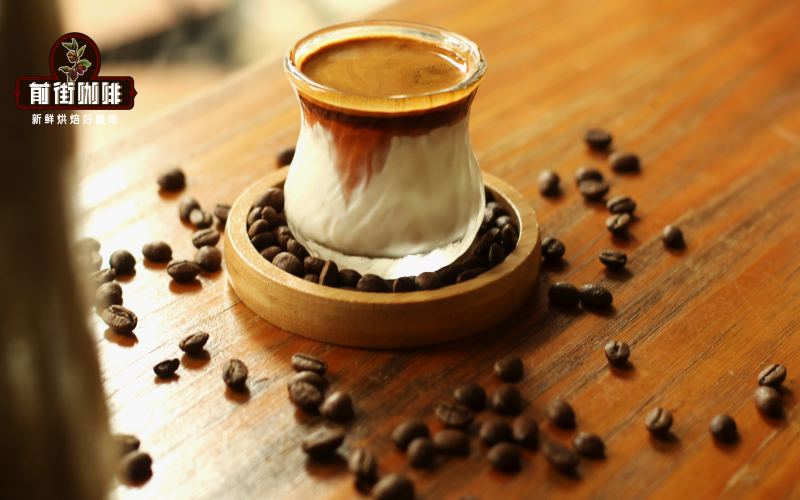
Dirty Coffee Recipe Ratio | How Can Coffee Beginners Make a Dirty Coffee? What's the Milk-to-Coffee Ratio for a Dirty Coffee? Which Coffee Beans Are Suitable for Making a Dirty Coffee?
Introduction: Dirty coffee burst onto the scene a few years ago, converting many latte loyalists into Dirty devotees. Unlike iced latte, Dirty coffee offers a visual and taste-bud double delight as you watch the espresso and milk create a gradient effect, and with one sip you go from rich coffee to sweet milk. [more…]

Coffee-to-milk ratio | What are the characteristics of a Flat White? What coffee-to-milk ratio is appropriate for making a Flat White?
It can be said that the latte, the flat white, and the cappuccino are the "three musketeers of milk coffee" that now permanently occupy coffee shop menus. Although they are all made from a combination of coffee and steamed milk, the different ratios give each of them its own distinct characteristics. And it is precisely by these distinctive characteristics that we [more…]

The Principles of Latte Art | What Is the Key to Making Latte Art? Why Is There No Pattern When Making Latte Art?
“Why can't my latte produce a beautiful pattern? Why is it that when others casually wiggle the milk pitcher, they can make a heart or leaf with lines! But when I wiggle, it always just looks like a blob… Is there something wrong with my hands?” No! Maybe it's your pitcher-holding posture that's wrong~ What is the principle behind latte art? Why can wiggling produce a pattern? Espresso [more…]

How to Make a Flat White? A Detailed Guide to Espresso-to-Milk Ratios, Milk Foam Thickness, and Temperature
Flat white is a milk coffee that emphasizes the true flavor of coffee. Compared with a latte, it has a higher espresso content, less milk, and thinner milk foam. In this article, Front Street Coffee will systematically explain the controversy over the origin of flat white, the choice of espresso base, the recommended ratio of milk to coffee, and how to judge the temperature, thickness, and texture when steaming milk. It will also explain the differences between whole milk, low-fat milk, and skim milk when steaming, helping coffee lovers, after understanding the principles, consistently make a fragrant, velvety espresso milk coffee at home. [more…]
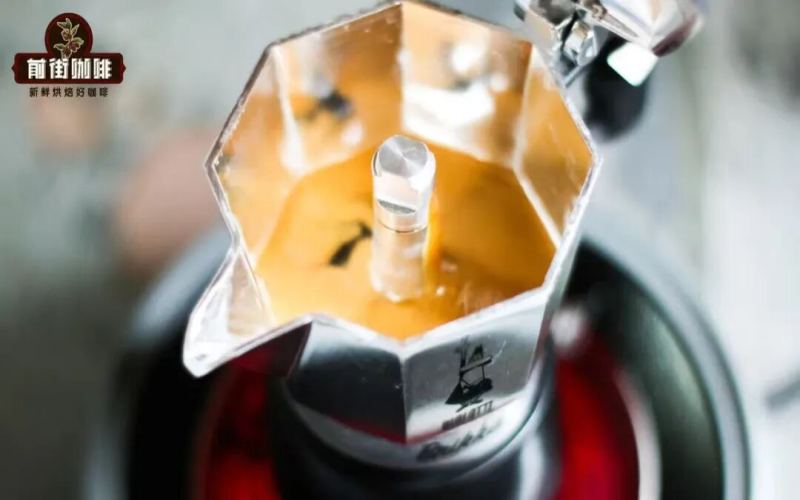
Moka Pot Coffee | Why Do Light Roast Coffee Beans Often Fail in a Moka Pot? What Should You Watch Out for When Making Moka Pot Coffee with Light Roast Beans?
After drinking too much coffee of a certain flavor, we always want to switch things up and try something new. For example, some friends who use moka pots, even though they usually buy deeply roasted coffee beans full of caramelized aroma to make moka pot coffee, occasionally want to switch to light roast beans and experience the floral and fruity notes of light roast coffee. However, due to the [more…]

LATTE DIRTY COFFEE DRINKING METHOD | How can you make the layers in a Dirty coffee clearly distinct? What are the key points for making a delicious Dirty coffee?
What we usually call a Dirty coffee is nothing more than taking a glass, filling it with milk, then placing it under the espresso machine's brew head and letting the espresso slowly flow into the glass, so that the coffee floats on top of the milk, forming a beautiful layer, and then as time passes, the coffee on top slowly seeps into the pure white milk. [more…]
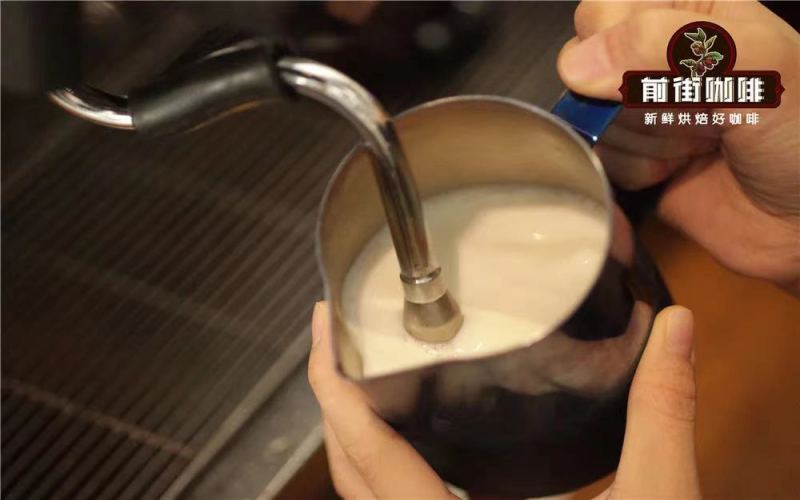
Latte art tutorial | Why does milk foam? How can coffee beginners make latte art? What are the techniques for steaming milk for a latte?
Guide to Getting the Best Milk Foam, Why Does Milk Foam? Front Street Coffee (FrontStreet Coffee) - it can be said that steaming milk is a fundamental and core skill for every barista; whether one can steam perfect milk is a factor in judging whether the barista's skill level is up to standard. [more…]
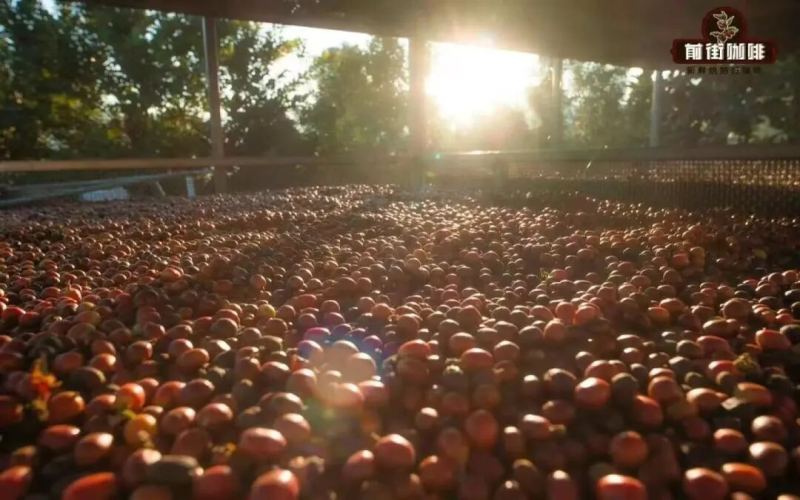
One Bean, Many Ways | What Is Combo Coffee? Why Is Coffee Combo So Popular? Which Coffee Beans Are Best for Making Combo Coffee?
By splitting the extracted espresso into 2~3 portions, then separately crafting each into a different type of coffee and finally combining them for service, this is a very popular serving format in coffee shops today—Coffee combo. Because you can simultaneously taste different "dishes" made from a single bean [more…]

Can You Make Milk Foam Without a Whisk? A Detailed Guide to Cappuccino Milk Foaming and the Key Techniques of Milk Temperature
Want to enjoy a cappuccino at home but lack professional tools—can a whisk replace a steam wand to produce ideal milk foam? What is the best temperature to heat the milk to? This article focuses on four core points in cappuccino making—milk temperature, foam density, foam quantity, and milk texture—explaining one by one how to create fine, silky milk foam so that the coffee's own sweetness can be fully released. The article also shares Front Street Coffee's hands-on experience with steam milk temperature control, foaming rhythm, and pouring technique, helping you make a cappuccino close to cafe quality even without professional equipment. [more…]

Latte Milk Foam Steaming Tutorial with Illustrations | What Are the Requirements for Milk When Making Latte Art? What Techniques Should Coffee Beginners Pay Attention to When Steaming Milk Foam for Latte Art?
To make latte art look good, choosing the right milk is very important! Front Street Coffee's daily in-store milk coffee offerings all use full-fat fresh milk, because it is rich in protein, lactose, and milk fat. The protein in milk is what makes the milk foam stable. [more…]
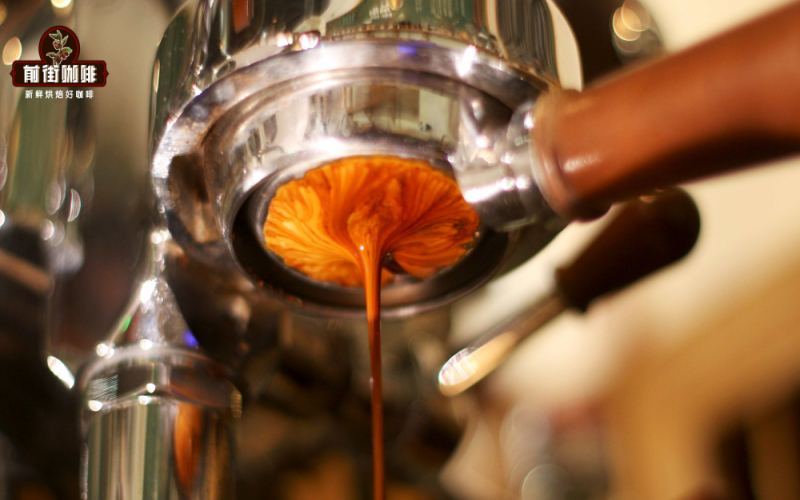
A Guide to Extracting Light-Roast Espresso Beans: Flavor Characteristics, Common Issues, and Bean Selection Tips for Home Espresso Machines
Can light-roast coffee beans hold their own in espresso? Building on Front Street's earlier tests, this article takes a closer look at the flavor performance and key operating points of making espresso with light-roasted beans. From the causes of sharp acidity and channeling to adjustment strategies for grind size, dose, and pressure, it breaks down the pitfalls in extraction one by one. At the same time, for home and office scenarios, it recommends coffee beans with different positioning, such as Front Street Classic Blend, Commercial Blend, PWN Golden Mandheling SOE, and Strawberry Candy Espresso, helping coffee lovers find the espresso that suits them among acidity, crema, and sweetness. [more…]
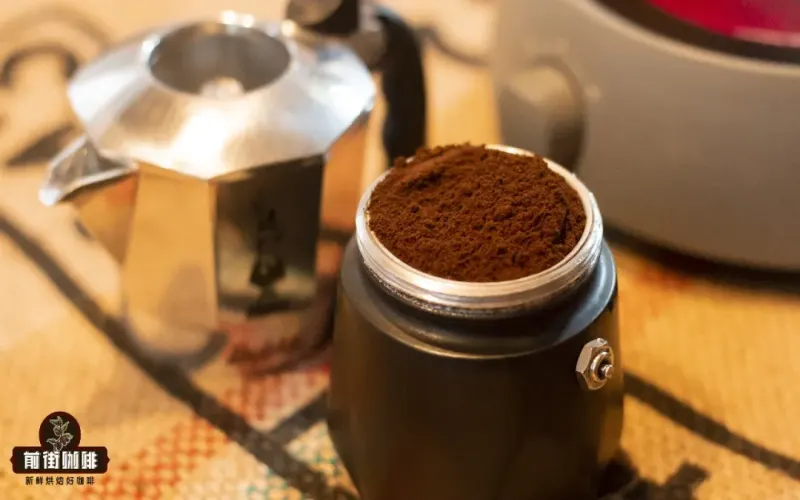
Does Moka pot coffee need tamping? Which coffee beans are more suitable for making a latte?
When making coffee with a moka pot, whether or not to tamp the grounds during the distribution step is a question many enthusiasts care about. Front Street recommends tamping when conditions allow, because tamping makes the coffee puck more compact, increases resistance, improves extraction efficiency and uniformity, and gives the coffee a richer flavor and thicker crema. Through comparative experiments, Front Street found that after tamping, both the concentration and extraction yield of moka pot coffee increased noticeably. However, the tamping force needs to be adjusted flexibly according to the grind size and extraction parameters, otherwise it may lead to over-extraction or sputtering risks. This article will analyze in detail the pros and cons of tamping in a moka pot, the key operating points, and recommend Front Street's Italian Classic Blend coffee beans, which are suitable for making moka pot lattes. [more…]
Milk Frothing Tutorial for Beginners | Why Does Milk Foam? How to Froth Milk for a Latte? What Are the Steps and Techniques for Latte Art Pouring and Integration?
At FrontStreet Coffee, steaming milk can be said to be a basic and core skill for every barista. Whether one can steam perfect milk is one of the factors used to judge whether a barista's level is up to standard. For example, the milk foam in a latte is on the thinner side, making it smooth and delicate to drink. The [more…]

Why Dirty Coffee Doesn't Layer: Master Three Key Details to Make a Perfectly Layered Dirty Coffee
Dirty coffee may seem to require only two ingredients—milk and espresso—but the actual preparation hides a fair amount of know-how. Many people who try it at home often run into problems like no layering or overly blended flavors, and the result falls far short of what a coffee shop produces. In fact, as long as you avoid three common pitfalls—ignoring the layering, choosing the wrong cup, and adding ice blindly—you can easily make a Dirty with distinct layers and a strong contrast between hot and cold. Front Street Coffee will combine real brewing experience with a classic blend bean to break down the principles behind every detail and the correct methods, helping you make a dirty coffee even better than a café's. [more…]

Can Light Roast Coffee Beans Make Espresso? A Practical Guide to Grind Settings for Huakui Latte
Many coffee enthusiasts are curious: can light-roasted coffee beans actually be used to make espresso? The answer is yes, but you need to master a few key techniques. Compared with medium-dark roasted beans, light-roasted beans, due to their high density and low brittleness, produce coarser particles at the same grinder setting, which easily leads to under-extraction and a sharp, pungent sourness. Using Front Street Ethiopia Huakui as an example, this article explains in detail how to make light-roasted beans into a delicious espresso with a round, sweet-and-sour profile and berry and floral notes by adjusting the grind finer, extending the extraction time, increasing the liquid yield, and adjusting the milk coffee ratio. Whether you want to try an Americano or a latte, these practical parameters can help you get started easily. [more…]

Making a latte with a moka pot: picking beans by roast level makes it easier to get a tasty result
The coffee brewed from a moka pot has a concentration between pour-over and espresso. After adding milk, it needs to retain enough aroma and presence. To make a smooth latte, the roast level is a very useful screening clue: it affects the sweet-and-sour performance, the nutty and cocoa notes, the body, and also changes how clearly the coffee comes through in the milk. [more…]