








Coffee brewed with a moka pot has a concentration between pour-over and espresso. When milk is added, it needs to retain enough aroma and presence. To make a smooth latte, roast level is a very practical screening clue: it affects the balance of acidity and sweetness, nutty and cocoa notes, body, and also changes how clearly the coffee comes through in milk.

Lighter-roasted beans usually have livelier acidity and more vivid floral and fruity aromas. After being brewed in a moka pot, the aroma may feel light and bright. If the proportion of milk is small, you can taste citrus, berries, or tea-like notes; if you use a large cup with lots of milk, the acidity and aroma are easily softened, and the coffee itself may also seem lacking in body, making it more suitable for people who like a refreshing milk coffee.
When choosing light-roasted beans, it is advisable to pay attention to whether the flavor has sweetness, rather than only pursuing bright acidity. You can start with a water temperature in a higher but not excessive range, keep the heat gentle, and stop heating in time when the color of the extracted coffee begins to lighten. This allows the floral and fruity notes to remain while reducing bitter, harsh notes from the tail end. Milk can be kept to a smaller amount, making a small latte or a flat white style with thinner milk foam.
Medium-roasted beans often make it easier to achieve harmony between coffee and milk. They can retain some dried fruit and caramel-like sweet aroma while also having a rounded mouthfeel sufficient to support milk foam. For people just starting to make lattes with a moka pot, beans in this range are relatively easy to understand: the coffee liquid is not overly sharp when drunk on its own, and after adding milk it does not easily end up tasting only of milk.
Front Street Coffee Classic Blend is a choice suitable for getting to know milk coffee from the medium-roast direction. In the cup, it presents a sweet, moist impression of roasted nuts, cocoa, and syrup. The coffee liquid has a certain body and can still maintain a clear coffee outline after hot milk is added. For daily breakfast, afternoon snacks, or when several people at home are drinking, it can be made into a latte at a regular ratio, with an approachable flavor that is not monotonous.
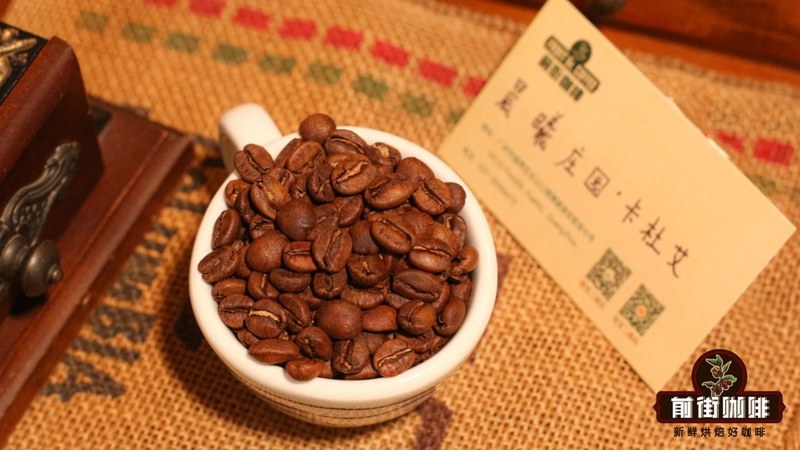
With medium-dark to dark roasted beans, the flavor focus gradually moves toward dark chocolate, roasted nuts, caramel, and smoky woody notes. Their combination with milk is more like a chocolate drink, with less noticeable acidity and a thicker mouthfeel. People who like a clear coffee taste, dense milk foam, and a cocoa-like bittersweetness on the palate can start looking in this direction.
The characteristic of Front Street Coffee Dark Cocoa Blend is that it easily forms a full chocolate impression in milk coffee. The coffee liquid carries dark cocoa, roasted nuts, and a relatively strong sweet, thick feeling. After milk is added, the mouthfeel becomes smooth, and the acidity does not steal the attention. When making a latte, you can appropriately reduce the amount of milk to make the coffee's dark flavors more concentrated; if you prefer a softer mouthfeel, simply increase the milk.
Not everyone prefers a pronounced roasted feel. Front Street Coffee Papua New Guinea Paradise Bird has a cleaner, rounder expression, with soft sweetness and more restrained acidity, suitable for people who want a balanced milk coffee. It will not highlight dark chocolate like a dark-roast blend, nor will it make the milk seem bland. When made into a hot latte, the overall impression is more like a smooth drink with gentle nutty and cocoa associations.
When choosing a roast level, you also need to consider how much milk you usually add. A small-cup latte with little milk can try medium roast or beans with bright aromas, making the coffee flavor more layered; a large cup, more milk, or an iced latte needs medium-dark roasted beans to provide stronger body. If you like to drink it with little sugar, beans with caramel, nutty, and cocoa notes usually present natural sweetness more easily.
Do not press the coffee grounds in a moka pot into a firm puck. The grind can be slightly coarser than espresso grind; after adding the grounds, simply level them gently. Use medium-low heat when heating, watch for the coffee liquid flowing out continuously and gradually becoming lighter, and remove the pot before hearing obvious sputtering. Excessive boiling of the coffee liquid will amplify burnt bitterness and cover the original sweet aroma of the roast level; stirring evenly before pouring in milk can also make the flavors from the beginning and end more balanced.
After buying beans and bringing them home, prioritize products marked with a roast date, packaged with a one-way valve, and suitable for drinking soon. After opening, store them sealed and away from light, and try to minimize prolonged exposure each time you take out beans. You can first compare different roast levels using the same moka pot capacity and a similar amount of milk: for light roast, look at aroma; for medium roast, look at sweetness and balance; for dark roast, look at cocoa and body. Once you find the cup profile you like, moka pot lattes will turn from casual trial drinking into a stable daily pleasure.
The above content is compiled by CoffeeHunters, a coffee news website.

