







Why Does Lightly Roasted Espresso Taste Sharp and Sour?
Yes, lightly roasted coffee beans can be used for espresso, but they need different settings than medium-dark roasts. Light roasts are denser and less brittle, so the same grinder setting produces coarser particles and under-extraction, which shows up as sharp, prickly sourness. With a finer grind, a longer extraction time, a higher liquid yield, and an adjusted milk ratio, a light roast such as Ethiopia Huakui can pull a rounded, juicy espresso with berry and floral notes.
The harsh sourness is not caused by excessive strength; it is the taste of under-extraction, where flavor compounds have not fully dissolved and there is not enough sweetness and bitterness to balance the acidity. Many coffee enthusiasts simply swap dark beans for light ones without changing anything, which is why shots run fast and taste thin and sharp. Dialing in grind, time, and brew ratio is what separates a juicy, fruit-like espresso from a failed one.
Many coffee enthusiasts are curious: can lightly roasted coffee beans actually be used to make espresso? The answer is yes, but some key techniques are needed. Compared with medium-dark roasted beans, light roasted beans, due to their higher density and lower brittleness, produce coarser particles at the same grinder setting, which easily leads to under-extraction and a sharp, irritating sourness. This article uses Front Street Ethiopia·Huakui as an example to explain in detail how to make lightly roasted beans into a delicious espresso with rounded sweet-acidity and berry-floral notes by adjusting the grind finer, extending the extraction time, increasing the liquid yield, and adjusting the milk coffee ratio. Whether you want to try an Americano or a latte, these practical parameters can help you get started easily.
However, sometimes customers also want a change of pace and try making espresso in a different way. So at Front Street stores, we often encounter situations like this: when friends buy beans, they ask Front Street whether a certain light roasted bean is suitable for espresso, whether it is difficult to operate, and so on.
"No problem at all!" Front Street has always answered this way. Compared with medium-dark roasted beans, making a delicious result does require a bit more care, but it is not especially difficult. So today Front Street will talk about how to make a satisfying espresso with light roasted beans.

"Sharp acidity," "prickly on the tongue," and "astringent" are the awful flavors you taste when light roasted espresso goes wrong. After experiencing it once, many people give up the idea of further exploration and turn back to medium-dark roasted beans. But as Front Street said earlier, this is only the result after failure. Light roasted beans do retain a large amount of acidic substances because of the lighter roast degree, but the espresso made with them can also present a soft, rounded sweet-acidity similar to fruit juice, just like pour-over.
To get such an espresso, the first step is to ensure the coffee is fully extracted. That "sharp, irritating sourness" is not caused by excessive strength; the root cause is under-extraction. The flavor substances in the coffee have not been fully released, and there is not enough sweetness and bitterness to balance the acidity, so the acidity becomes especially prominent and pungent. Some friends make espresso with light roasted beans without adjusting any parameters, simply replacing the dark roasted beans in the hopper with light roasted beans. The result is that the extraction time is particularly short, and very little can be dissolved out by the hot water. Why does this happen? Because the difference in texture between light roasted beans and dark roasted beans is too great.
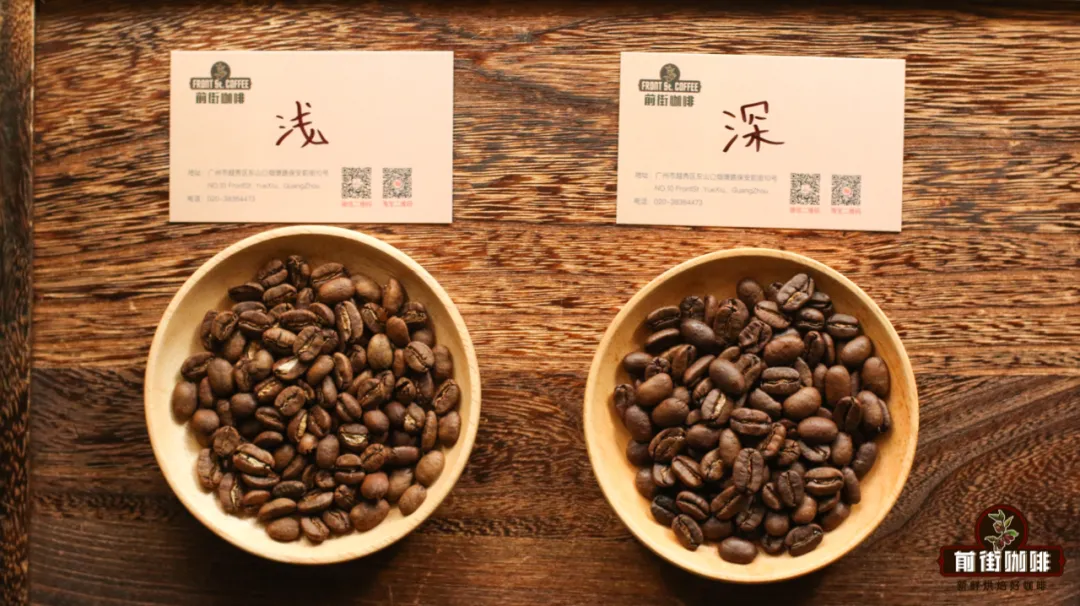
Dark roasted beans have a high expansion rate and high brittleness, and tend to produce more fines during grinding; at the same setting, the particles ground are usually finer than those of light roasted beans. Light roasted beans, however, have high density and low brittleness, and at the same setting the particles ground are relatively coarser. If you directly continue using the dark roasted bean grind setting to handle light roasted beans, the ground coffee will be too coarse, the resistance of the puck will decrease accordingly, and hot water will easily pass through. With the water flowing smoothly through, the coffee machine naturally will not provide much pressure either. With both pressure and contact time compromised, extraction efficiency drops sharply, and the hot water cannot dissolve enough flavor substances from the coffee. In the end, because the coffee lacks the support of sweetness and bitterness, it is so sour that it makes people frown.
So when making espresso with light roasted beans, Front Street suggests that the first thing to adjust is the grind size, making it two to three steps finer than the original setting. Take Front Street itself as an example: when using the medium-dark roasted Front Street Italian Classic Blend from the bean list to make espresso, the Galileo grinder setting is set to 1, 20 grams of grounds extract 40 milliliters of coffee liquid, and the time is about 28 to 32 seconds. The taste is balanced, and the flavors of chocolate, nuts, cream, and caramel are all very clear.
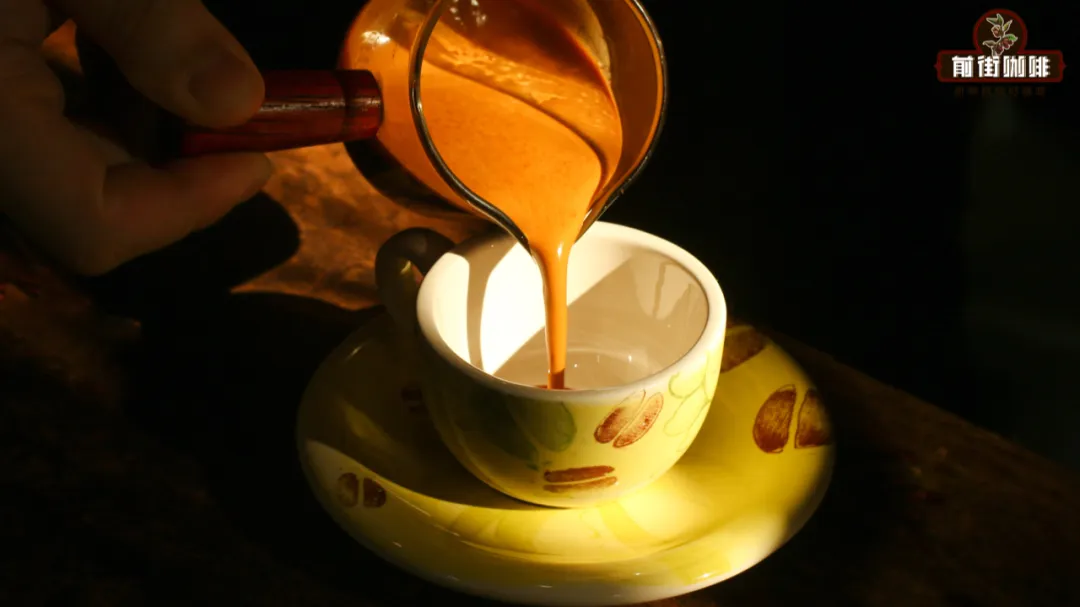
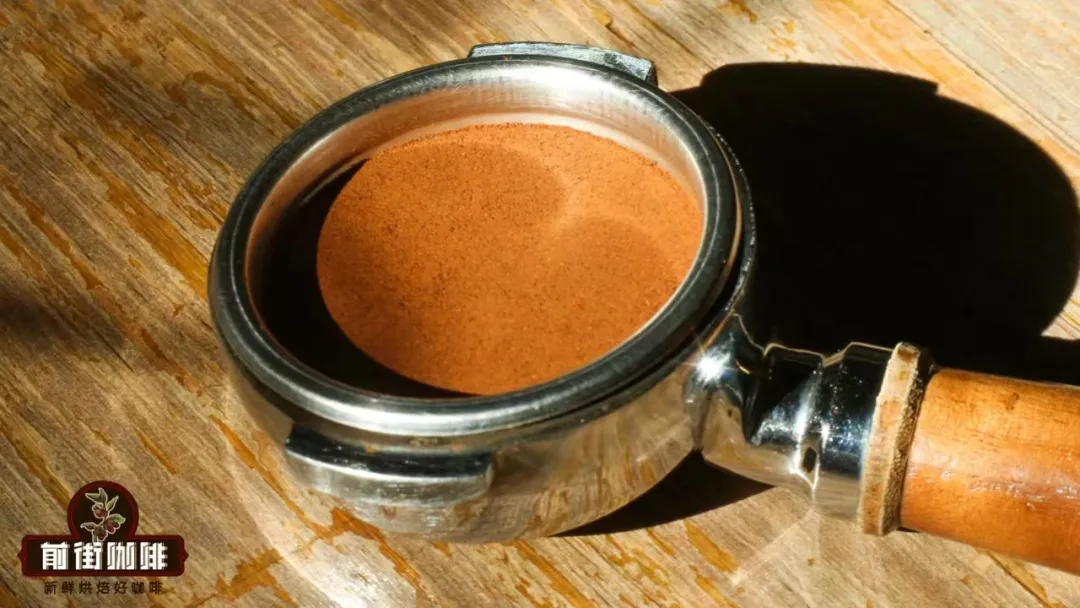
When switching to the medium-light roasted Front Street Ethiopia·Huakui, Front Street will adjust the grind finer to 0.6 on the Galileo, that is, two steps finer. Only when adjusted to this degree can the coffee machine provide enough pressure and also have enough time for extraction. Likewise, use 20 grams of grounds to extract 40 milliliters of liquid, with the time controlled at around 30 seconds. Although the espresso obtained this way is still mainly acidic, because there is enough sweet substance to support it, it does not taste pungent when drunk. The acidity is very rounded, and citrus and berry flavors can also be tasted.
If you add 160 milliliters of water to the espresso, it becomes an Americano. After dilution with water, the strength decreases, and the flavors have more room to express themselves. In addition to berries and citrus, floral notes and delicate layers of strawberry can also be felt. The sweet-acidity is pleasant, quite good.
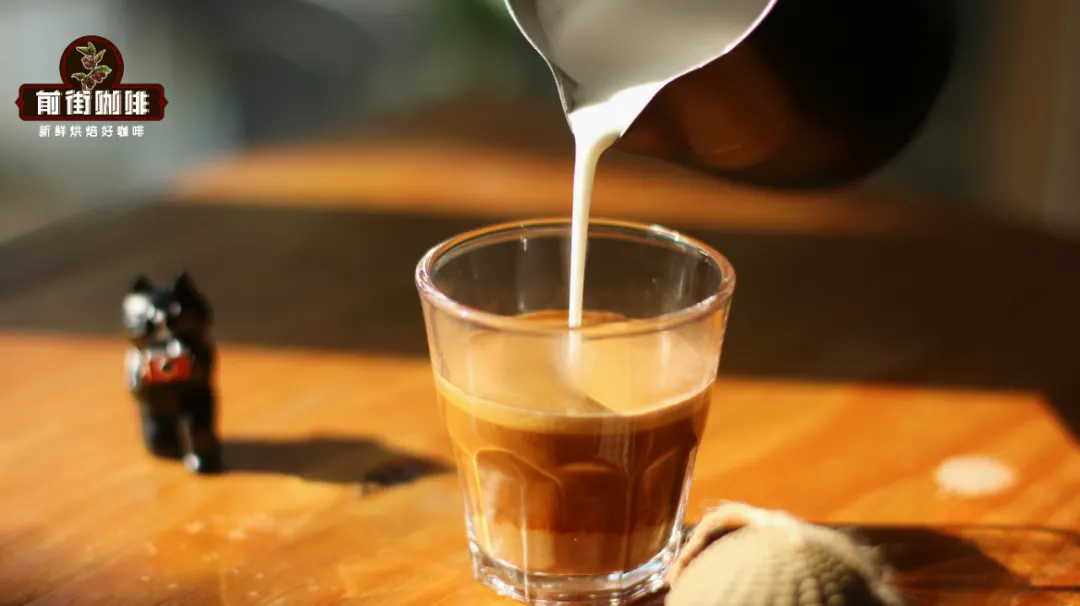
But if you plan to make a latte, the espresso extraction yield can be slightly higher. Because acidity and the taste of milk easily conflict, more sweetness and bitterness are needed to suppress the sourness, so that the latte made this way will not taste strange. The method is simple: on the original basis, extract 3 to 5 milliliters more coffee liquid. The overall taste of the coffee will tend toward balance, and the acidity will weaken further.
Here we should remind everyone that the flavor of light roasted coffee is not as intense as medium-dark roasted coffee. When making milk coffee, do not add too much milk; it should be increased a bit from the original ratio, otherwise the milky taste can easily cover the coffee flavor. Take Front Street as an example: when using Front Street Italian Classic Blend to make a latte, the grounds-to-liquid ratio is 1:5, while when using Front Street Ethiopia·Huakui, the ratio is adjusted to 1:4.
After reducing the amount of milk, the flavor of the coffee can come through. When drunk, it has both berries and floral notes, and the mouthfeel is also silky and rich. It is well worth trying. That is all for Front Street's sharing this time. You can try it at home following this approach. It really is not difficult to operate~ - END -
The above content is compiled by CoffeeHunters, a coffee news website.


