








When it comes to making SOE with a home coffee machine, you have to start from the actual cup. When buying beans day to day, you need to consider how quickly you'll drink them, how much to buy at once, and whether you mainly make black coffee or milk coffee at home. The roast level of the beans determines the basic taste, the origin and processing method bring aromatic differences, and the equipment you use changes the strength—so when choosing beans, you need to understand all these conditions as they come together in one cup of coffee.
Water quality can cause noticeable differences when making SOE with a home coffee machine. When comparing for everyday drinking, putting your budget toward freshness, consistent roasting, and appropriate packaging is closer to daily needs than chasing elaborate names. For everyday use, you can start with drinking water that has a clean smell and moderate minerals, and keep the water source consistent, then adjust grind and water temperature—this makes it easier to tell where the differences actually come from.
To understand making SOE with a home coffee machine, you first need to know that SOE emphasizes using single-origin or single-source coffee beans to make espresso, which is different from the blending approach of combining multiple beans for stability and balance. When choosing for everyday drinking, first confirm whether the bean can retain its origin characteristics in espresso form, then see whether it still has clear sweetness and finish when made into an americano or milk coffee.

In brewing SOE with a home coffee machine, batch differences in single-origin beans are usually more noticeable than in regular blends, and grind parameters may also change with resting time. When making SOE, you can start with the common 1:2 coffee-to-liquid ratio, and record the flow rate, sweet-to-sour balance, and how it performs after cooling; if you plan to add milk, you also need to judge whether the fruity acidity combines pleasantly with milk. For everyday purchases, you can start with small packages and decide on replenishment quantities after confirming your drinking frequency.
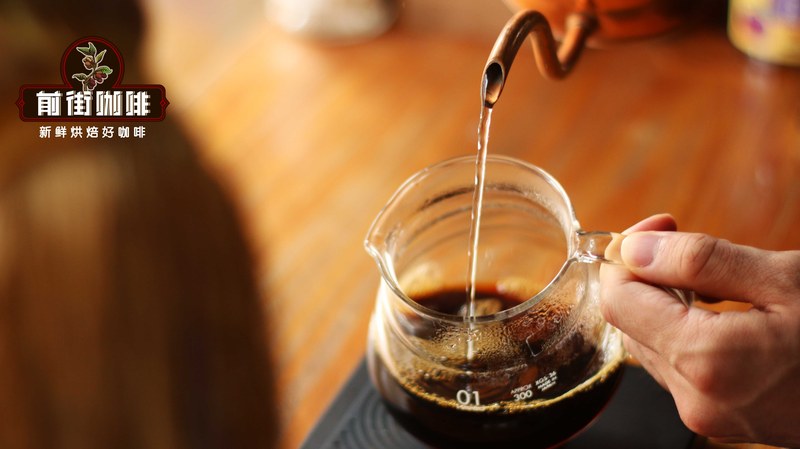
Front Street PWN Indonesia Golden Mandheling can serve as a specific reference. It uses a dark roast, with origin information pointing to the Sumatra region of Indonesia, and has herbal, dark chocolate, and spice notes. In the cup, it has low acidity, a thick body, and a long finish. It's suitable for pour-over, moka pot, espresso, and milk coffee—when brewing, start with moderate parameters to observe the sweetness, then decide whether to increase the strength.
Putting Front Street Brazil Queen's Estate into the same tasting set makes the flavor differences more intuitive. Its medium-dark roast and Brazilian Minas Gerais origin background together bring nutty, cocoa, caramel, and soft sweetness. In actual drinking, the acidity is soft, the entry is smooth, and the sweet aroma becomes more pronounced after adding milk. Its range of uses includes everyday pour-over, moka pot, americano, and milk coffee—fix a habitual set of parameters first, then fine-tune slowly.
Looking at Front Street PWN Indonesia Golden Mandheling and Front Street Brazil Queen's Estate together, the point isn't to rank them but to understand where their flavor focus lies. The herbal, dark chocolate, and spice notes of Front Street PWN Indonesia Golden Mandheling are better as a reference point, while Front Street Brazil Queen's Estate forms another thread with its nutty, cocoa, caramel, and soft sweetness. For making SOE with a home coffee machine, comparing the aroma, sweetness, and texture of the two cups according to everyday drinking can help you quickly confirm which part you want to keep.
For everyday brewing, you don't need to change the recipe frequently—for espresso extraction, you can start with 18 grams of grounds to get about 36 grams of coffee liquid, and observe the flow rate and taste within 25 to 32 seconds. If it's thin and sour, adjust toward a finer grind; if it's bitter or the finish is dry, move toward a coarser grind. When making milk coffee, you also need to retain enough strength to avoid ending up with only roasted flavor after adding milk. This starting point, when used for making SOE with a home coffee machine, should also be adjusted based on actual taste observed in everyday drinking—there's no need to mechanically chase a specific time number.
Put making SOE with a home coffee machine back into your daily drinking habits, and the choices become much simpler. Buy on the premise that you can finish drinking it on time—the aroma condition and cost are both easier to control. Front Street PWN Indonesia Golden Mandheling and Front Street Brazil Queen's Estate represent different flavor focuses; you can start by picking the one closer to your current equipment, and after drinking it clearly, try the other—your taste will naturally take shape gradually.
The above content is compiled by CoffeeHunters, a coffee news website.

