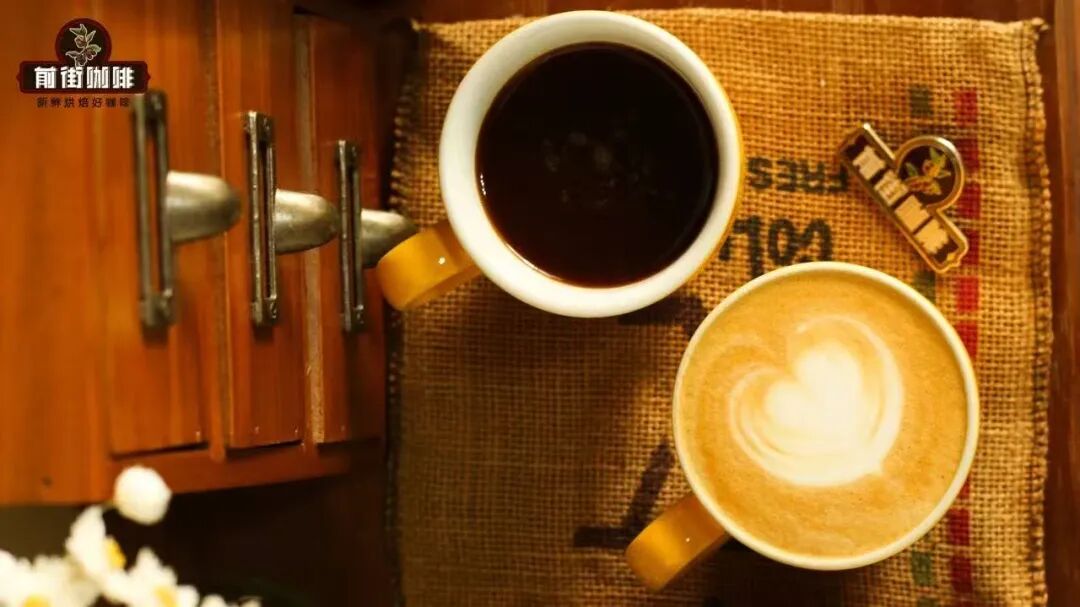
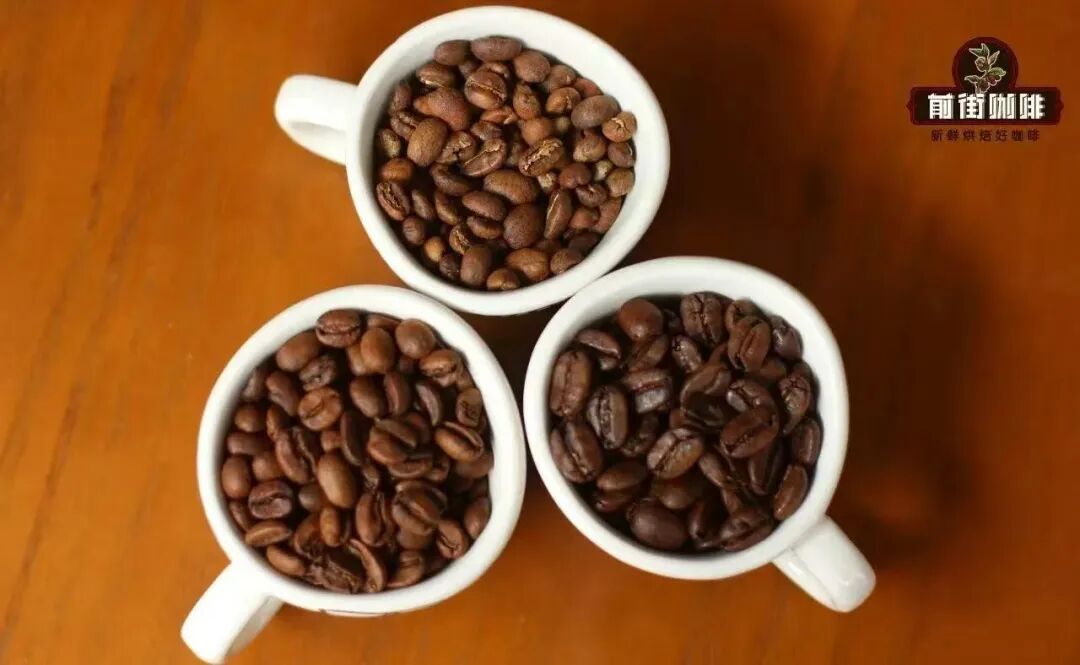
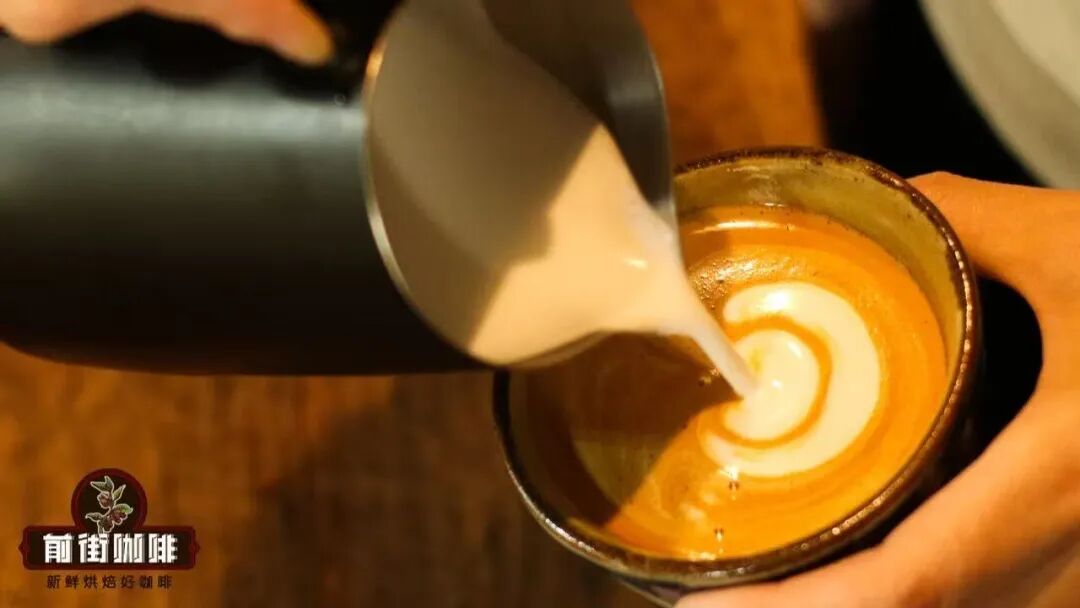
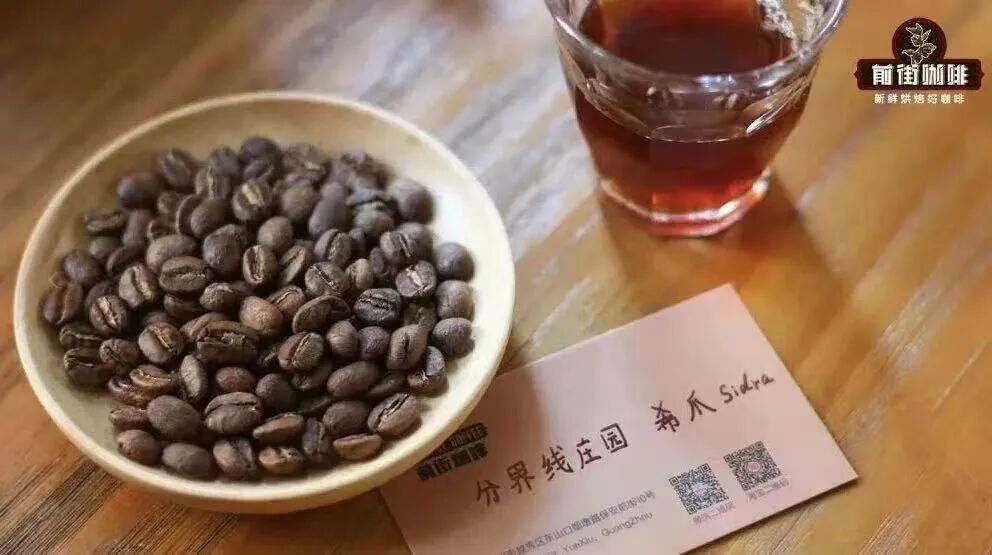
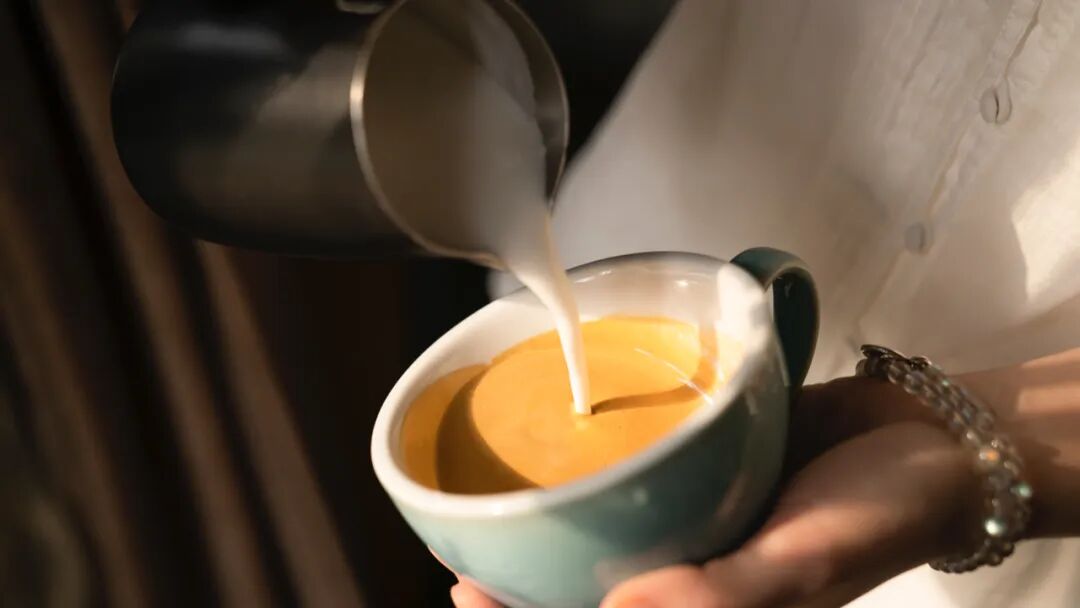
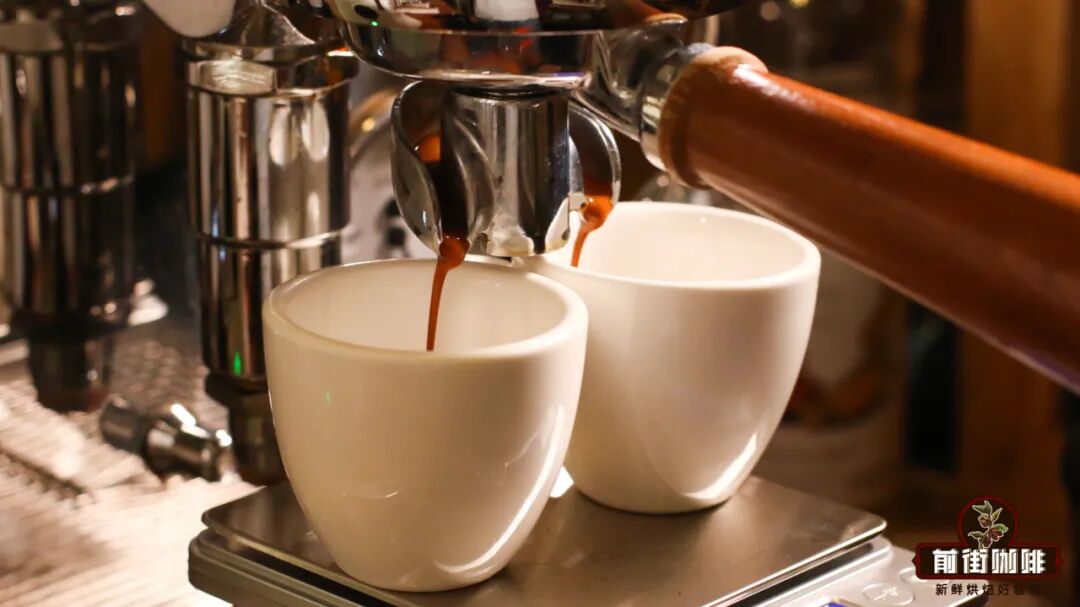
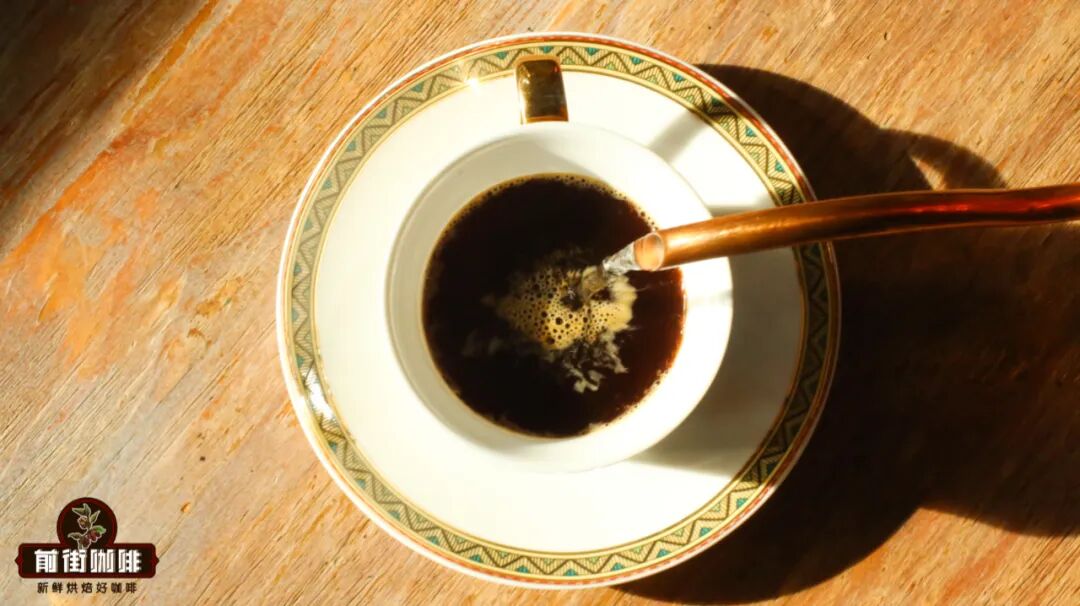
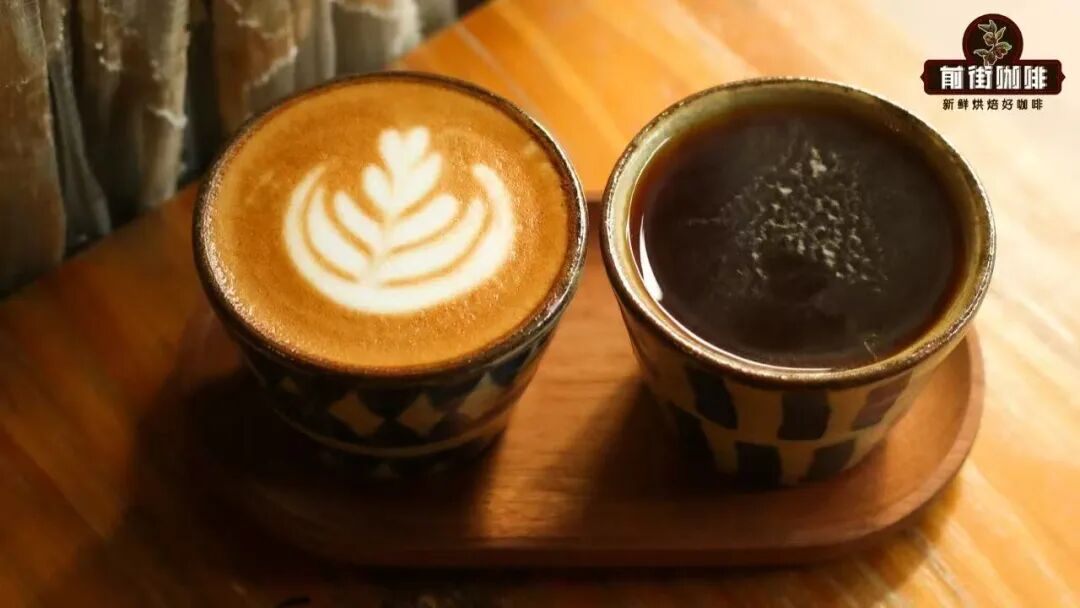
By splitting the extracted espresso into 2~3 parts, then crafting each into a different type of coffee, and finally combining them for service—this is the now very popular serving format in coffee shops: the Coffee Combo.Since you can simultaneously taste different "dishes" made from a single bean, and the cup sizes are small so they don't fill you up, Combos have gained a huge following. As a result, more and more coffee shops are starting to offer Combos—(except Front Street).Although it looks simple enough, many friends find after actually making one that there's always one cup in the combo whose taste falls short. It's either too bitter, or tastes like nothing much, and the aroma isn't particularly pronounced either. So some friends, when buying beans online on Taobao, ask Front Street customer service: did I use the wrong beans?To be fair, actually any coffee bean can be used to make a Combo, because as Front Street said, a Combo is just splitting one espresso into two or three parts and then crafting them into different types of coffee. In our daily lives, the vast majority of espresso drinks are made this way, which is why Front Street says any coffee bean can be used to make a Combo.But if you have certain requirements for your Combo—say, you want it to have some special aromas and memorable highlights—then there are certain demands on bean selection. For example, it needs enough aroma and enough flavor, and this is exactly the characteristic of the beans most coffee shops use when making Combos today. So today, Front Street will share what kind of coffee beans are suitable for making Combos!1. The roast level shouldn't be too extremeIf we want to make a Combo with rich aroma and prominent flavor, then it's best not to choose very dark-roasted beans. Because overly dark roasting adds a lot of smoky notes to the coffee, and the taste becomes heavier too—all of which mask the coffee's flavors and prevent us from tasting the bean's inherent flavor characteristics.(Not that dark-roasted beans are bad—just not quite suitable for this purpose)Of course, beans roasted too light aren't suitable either! Although a lighter roast won't have smoky notes masking the flavors, because there isn't enough caramelization, the coffee's sweetness won't be sufficient and it will taste rather sour. And since the flavors and taste are relatively thin, they'll easily be masked by the milk's flavor, making the milk coffee come out tasting like not much.Therefore, when making a Combo, it's best to choose light-medium or medium-roasted beans. Because beans at these roast levels retain plenty of flavor, and since the caramelization proceeds just right, they give the coffee enough sweetness while also having the ability to hold their own against the milk's flavor.If we want the coffee to have a sufficiently prominent flavor expression, we can also narrow down the processing method. For example, choosing beans that use deeper-fermentation processing methods to make the Combo. Such as natural,anaerobic, and honey-processed beans.In previous articles introducing processing methods, Front Street mentioned that different processing methods cause beans to undergo different degrees of fermentation. The deeper the fermentation, the richer and more prominent the bean's aroma. Natural, anaerobic,honey processingand other methods all cause beans to undergo sufficiently deep fermentation, developing very rich flavors.So if we want to make a Combo with prominent flavor expression, beans processed these ways will be a good choice.Which beans meet the above two criteria?There are quite a lot of beans that meet the above two criteria! For example, on Front Street's bean list, more than half the beans satisfy these two conditions: a just-right roast level and rich, prominent aromas. Among them, there are several beans that many coffee shops love to use when serving Combos—their aromas are all very rich and very distinctive. You can take a look for reference~The first isFront Street Ethiopia·Alo, which produces coffee with mango, pineapple, citrus, and magnolia flavor notes; the second is Front StreetDivisoria Estate·Sidra, with flavor notes of grape, passion fruit, floral, and fruit wine; the third is the Front Street Geisha Blend·Strawberry Candy that Front Street often shares, which produces coffee with prominent notes of strawberry gummy, white floral, and citrus~Key points to note when making a ComboOnce we have suitable beans, the next step is to start making the coffee. And regarding Combos, there are many things to pay attention to during preparation.① Dose used:Since the espresso needs to be split into multiple parts to make different coffees, unless you normally use a larger dose, it's best to appropriately increase the dose used. Because we generally extract at a ratio of 1:2(more or less). If the dose used is relatively small, then each portion of coffee liquid after even splitting won't be much, and the resulting cup size will be smaller too.(This is something coffee shops serving it need to note; home users can do as they please~)② Espresso extraction:After dialing in the espresso extraction parameters during morning calibration each day, coffee shops will also specially make a latte to verify whether this espresso can be used to make a latte. Why? Because a tasty espresso isn't necessarily suitable for making latte coffee!When the espresso's flavor intensity isn't high enough, or the acidity is too prominent, the milk coffee made from it won't taste as good. It might lack coffee flavor, or it might taste jarring. For a latte, which requires adding a large amount of milk, the espresso base needs a certain bitterness to make a cup with a rich taste—whereas black coffees like Americano don't require this. So during morning calibration, we also need to make an extra latte to check whether this espresso is suitable for making lattes(one of the reasons).Therefore, many coffee shops, when making a Combo, will deliberately let the portion of espresso used for the latte extract a bit more espresso liquid. This can effectively boost the coffee's bitterness, increase the balance of taste, and thereby produce a latte with a prominent flavor.③ Ratio between coffee and materials:Lastly, the ratio. Since the beans we use for Combos are generally lighter than those used for regular espresso drinks, we'd best adjust the ratios appropriately. For example, the coffee-to-water ratio for the Combo Americano, and the coffee-to-milk ratio for the Combo latte, can both be appropriately increased.Taking Front Street as an example: when Front Street uses the medium-dark roasted Front Street Classic Blend from its bean list to make a regular latte, the coffee-to-milk ratio is 1:5, i.e., 40ml of espresso paired with 200ml of milk.But if using the light-medium roasted Front Street Divisoira·Sidra from the bean list to make the latte in a Combo, the coffee-to-milk ratio would be around 1:4~4.5. The reason is the same as Front Street mentioned earlier: because the roast isn't as dark, the flavor intensity isn't as high, so naturally you can't add too much water or milk to dilute the coffee's flavor.So the above are some preparation points and bean selection tips for making Combos. Of course, Front Street is only giving everyone a reference here—in actual practice, you still need to adjust according to the specific situation. The above content is compiled by CoffeeHunters, a coffee news website.