







Search Results for: well method
Flavor Analysis of Alto Cafezal, a Well-Known Coffee Brand from Brazil's Cerrado Region, and Luciana Estate
The Brazil Cerrado region occupies an important place in the global specialty coffee landscape, and Alto Cafezal, as a highly representative brand in the area, was founded and is run by the Grossi family, who have been deeply involved in coffee for more than three generations. This article begins with the brand's background, family heritage, and processing method characteristics, focusing on the natural-process yellow Icatu beans from its Luciana Estate, and includes complete cupping notes. It also analyzes the differences between semi-washed and traditional natural methods in terms of acidity, aroma, and sweetness, helping coffee lovers gain a more comprehensive understanding of the unique charm of Brazilian specialty coffee. [more…]
Front Street Coffee Brazil Queen Estate Yellow Bourbon Coffee Beans: A Complete Analysis of Flavor Characteristics, Processing Methods, and Pour-Over Grind Settings
Yellow Bourbon is a distinctive branch of the Arabica species, belonging to the Bourbon family alongside Red Bourbon and Orange Bourbon, as well as varieties such as Caturra and Catuai. The Bourbon variety was first cultivated on Bourbon Island and in Ethiopia, and thrives at elevations between 800 and 1,900 meters. Yellow Bourbon has relatively low yields but excellent quality, and the beans commonly found in China mainly come from Brazil and El Salvador. Brazil is not only capable of producing mass-market commercial beans; it also has the capacity to produce specialty coffee, with well-known regions including Sul de Minas, Cerrado, and Mogiana. This article focuses on the Yellow Bourbon from Fazenda Rainha in Brazil, introduced by Front Street Coffee, covering the estate's background, flavor profile, processing method characteristics, and recommended pour-over grinding settings. [more…]
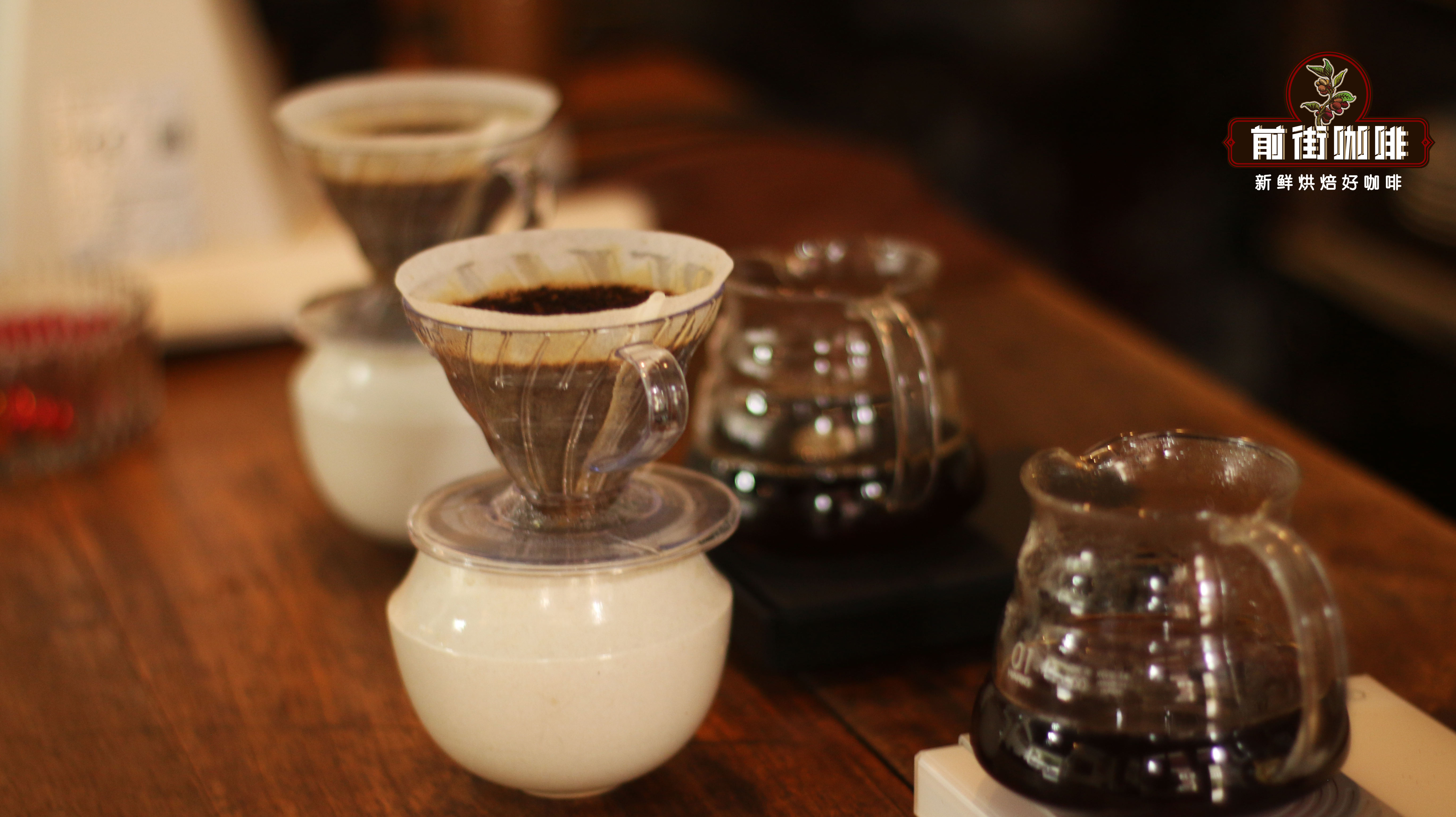
What is the purpose of blooming in pour-over coffee? How can beginners use the well method to improve bloom evenness?
Blooming is an indispensable key step in pour-over coffee, directly affecting the completeness and uniformity of subsequent extraction. Front Street Coffee has confirmed through comparative experiments that the extraction yield of coffee using blooming is significantly higher than versions that skip it. However, blooming is not as simple as "pouring water and waiting for bubbles"—blooming time, water amount, and wetting uniformity all influence the final quality. For beginners who are not yet skilled at water control, uneven wetting of the coffee bed often occurs in conical drippers. In this case, a simple and easy "digging a hole" method can significantly improve the degassing effect. Based on Front Street Coffee's practical experience, this article breaks down in detail the specific steps, applicable scenarios, and precautions of the hole-digging operation, helping beginners stably achieve more uniform extraction results even without proficient technique. [more…]
Top Ten Well-Known Pour-Over Coffee Bean Brands | Which Coffee-Producing Country Has the Best-Tasting Single-Origin Beans? What Specialty Pour-Over Beans Do Seasoned Coffee Enthusiasts Recommend?
Coffee is one of the best-selling beverages in the world. Because different countries export coffee, the quality, taste, and mouthfeel of coffee can vary from country to country. So which country has the best coffee? 1. Front Street Ethiopia Sidamo Huakui coffee beans. Region: Sidamo Hambela Buku A [more…]
A Complete Guide to Classic Espresso, Latte, Irish and Other Fancy Coffee Types and Flavors
Walking into a café and facing the dazzling array of names on the menu, have you ever wondered about the story and flavor behind each fancy coffee? From Espresso, which forms the foundation of all fancy coffees, to lattes and cappuccinos where milk and coffee blend together, to Irish coffee with its hint of whiskey and the layered iced latte, each one has its unique proportions and drinking method. This article systematically organizes the ingredients, preparation steps, and taste characteristics of more than a dozen classic fancy coffees, including basic options suitable for daily drinking as well as exotic Russian, Turkish, and Viennese coffees. Whether you are a coffee novice just starting out or a seasoned enthusiast looking to refine your skills, you will find a cup worth trying. [more…]
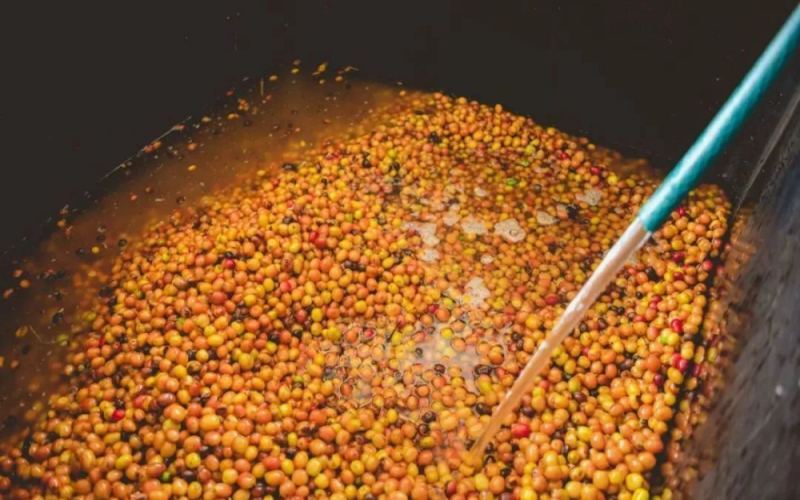
A Complete Guide to Colombian Coffee Beans: Flavor Characteristics, Processing Methods, Regional Quality, and Pour-Over Grind Parameters
Colombia is the world's third-largest coffee-producing country, with a mature industry system, professional institutions such as FNC and CENICAFE, and distinctive topography and harvest-season distribution. This article will start with well-known brands, the differences between commercial and specialty production regions, and the flavor performance of Huila specialty beans, and will also provide Front Street Coffee's recommended hand-brew parameters and staged extraction plan for Colombian Huila, helping you more systematically understand Colombian coffee beans' flavor descriptions, processing methods, quality characteristics, mouthfeel, and grind size selection. [more…]
Honey-Processed Coffee Beans: Flavor and Processing Explained — How They Differ from Natural and Washed
Honey processing is one of the three major coffee processing methods, and it is especially prevalent in Central America. It was invented by Costa Rican coffee farmers because of the inconvenience of mountain transportation and the high cost of washed processing, and by retaining mucilage it gives coffee a more pronounced sweetness and delicate aroma. This article systematically reviews the origin of honey processing, the complete process, the classification standards for yellow, red, and black honey, as well as its advantages, disadvantages, and flavor risks. It also introduces two derivative methods, anaerobic honey processing and raisin honey processing, and uses Front Street Coffee's Costa Rica Musician Series Mozart and Bach as examples to show the specific flavor differences of different honey processing methods in the cup. [more…]
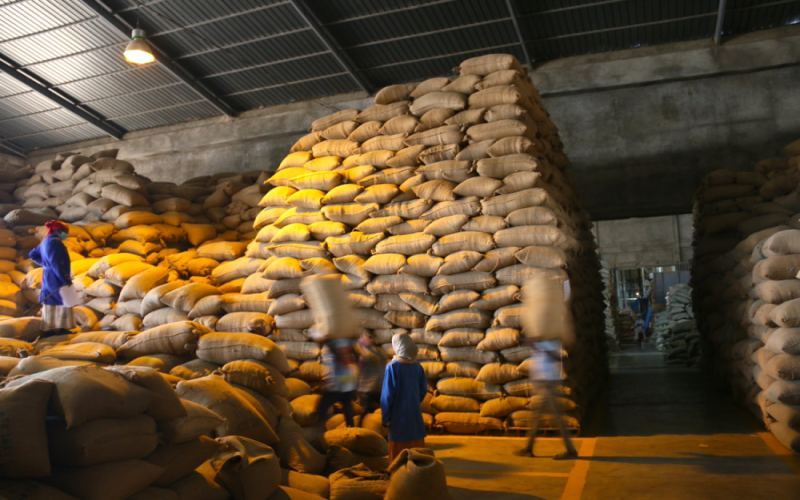
A Complete Guide to Green Coffee Packaging and Storage: From Jute Bags to Vacuum Seals and Freezing Methods
From the moment green coffee beans leave their place of origin and reach the roaster, the packaging and storage methods directly affect the final flavor. In the past, burlap sacks were the mainstream, but today specialty coffee has driven a series of more refined packaging and storage technologies, including vacuum bags, grain bags, and even frozen storage. This article will systematically introduce the commonly used green bean packaging methods, their respective advantages, disadvantages, and costs, and discuss warehouse environment management as well as different understandings of the concept of "seasonal." Whether you are a roaster or a coffee enthusiast, you can learn from this how to better maintain the freshness and quality of green beans. The burlap sacks commonly seen at Front Street stores are also mentioned in the article as one of the most economical options. [more…]
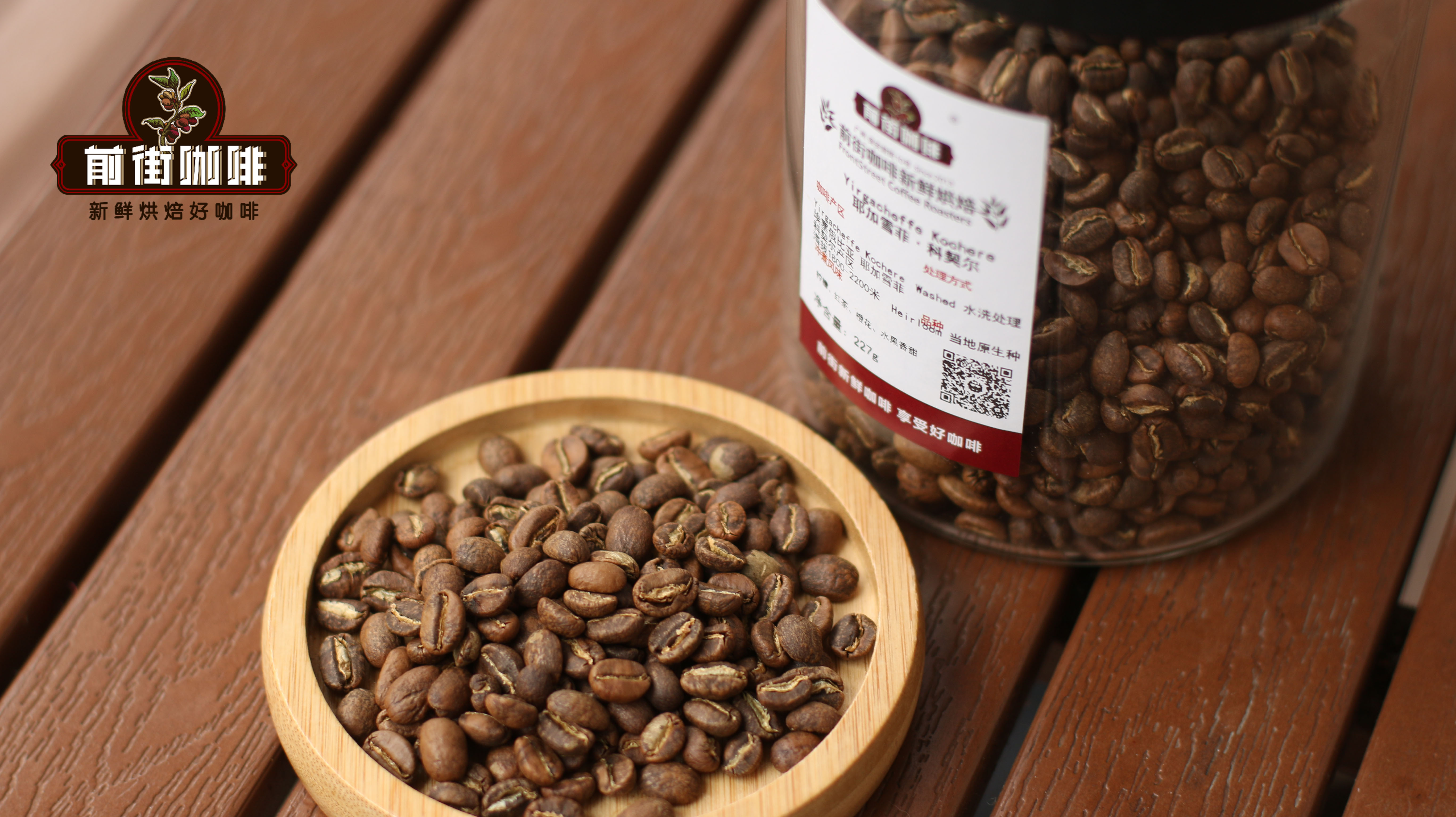
Yirgacheffe Kochere Region Single-Origin Coffee Flavor Characteristics and Kochere Coffee Bean Variety Analysis
Yirgacheffe, as one of Ethiopia's most representative specialty coffee regions, has long been renowned for its distinctive citrus and floral flavors. Kochere, one of Yirgacheffe's three major sub-regions, stands out for its advanced washed-processing equipment and consistently excellent flavor performance. This article starts from the history of the Yirgacheffe region and delves into Kochere's geographical location, variety composition, and processing methods, as well as the brewing parameters and flavor characteristics of the washed Kochere coffee beans recommended by Front Street Coffee, offering you a comprehensive understanding of this region's unique charm. [more…]
A Comprehensive Analysis of Coffee Cupping Methods: Flavor Evaluation Differences Between the Brazilian Method, SCAA, and Front Street Coffee's Pour-Over Cupping
Cupping is a core method used in the coffee industry to objectively evaluate coffee flavor and quality, and it is also an important part of barista training. This article systematically reviews the significance and operational logic of cupping, and compares in detail three approaches: the Brazilian cupping method, the SCAA standard cupping method, and the pour-over cupping method recommended by Front Street Coffee. The article points out that Brazilian cupping focuses on identifying defects and is a negative evaluation; SCAA cupping emphasizes positive assessment of aroma and flavor; while the cupping method used by Front Street Coffee simulates daily brewing equipment and is closer to actual cafe output. The three methods each have different emphases in roast level, extraction method, and evaluation items, and understanding these differences helps roasters and coffee professionals judge coffee quality more accurately. [more…]
Analysis of Front Street Coffee Butterfly Coffee Beans' Flavor, Mouthfeel, and Brewing Parameters: Variety, Processing Method, and Introduction to the Boquete Region
Front Street Butterfly is a Panamanian single-origin coffee with 40% Geisha lineage, composed of three varieties—Geisha, Caturra, and Catuai—grown in volcanic soil at 1,600 meters elevation in the Boquete Barú Volcano region. The meticulous washed processing, combined with abundant local rainfall and significant day-night temperature differences, shapes its clean and layered taste. This article provides a complete introduction to this bean's flavor description, washed processing flow, medium-light roasting logic, as well as the microclimate and renowned estates of the Boquete region, offering coffee enthusiasts a comprehensive reference from variety to cup. [more…]
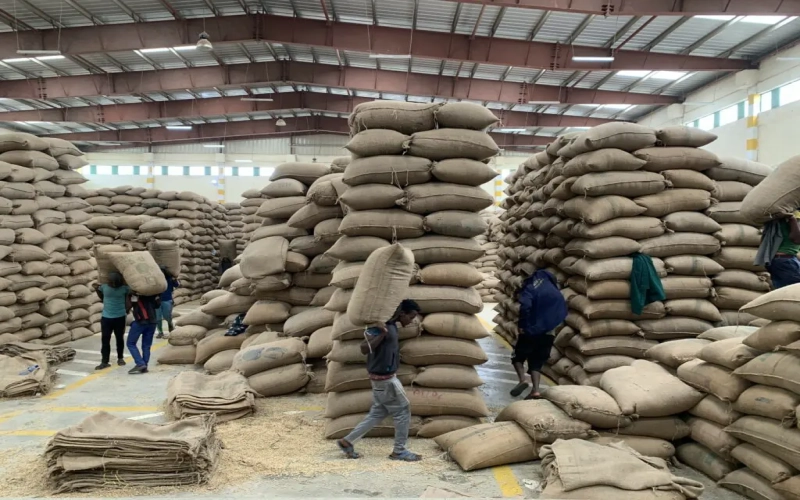
Yirgacheffe Kochere Pour-Over Guide: Washed G1 Flavor Profile and Origin Analysis
Kochere is a highly representative micro-region within the Yirgacheffe growing area, known for its washed processing and G1 grade, with flavors that often present citrus acidity, jasmine aroma, and silky sweetness. This article systematically reviews the characteristics of Kochere coffee, from regional division, production models, and processing methods to specific flavor descriptions, and shares the cupping performance and pour-over suitability of two Yirgacheffe beans, Front Street Kochere and Front Street Gutingding, helping coffee lovers understand the unique charm of this premier growing region. [more…]
Colombian Coffee Flavor Characteristics and Brewing Guide: A Complete Analysis from the Huila Region to Front Street Coffee's Everyday Beans
Colombia, with its exceptional high-altitude terrain and diverse climates, has become the world's largest producer of washed Arabica coffee. Among its regions, the Huila producing area is renowned for its refined acidity, berry and caramel sweetness, making it a focal point for specialty coffee enthusiasts. From the perspective of Front Street Coffee, this article systematically reviews the historical context of Colombian coffee, the distribution of major producing regions, the cultivation environment and flavor characteristics of Huila, and provides detailed information and brewing parameters for Front Street Colombia Washed Huila everyday beans. It also introduces the recently notable Sidra and Maragogipe varieties in the Huila region, as well as a simple method for making cold brew coffee, offering coffee lovers a complete reference from origin understanding to daily extraction. [more…]
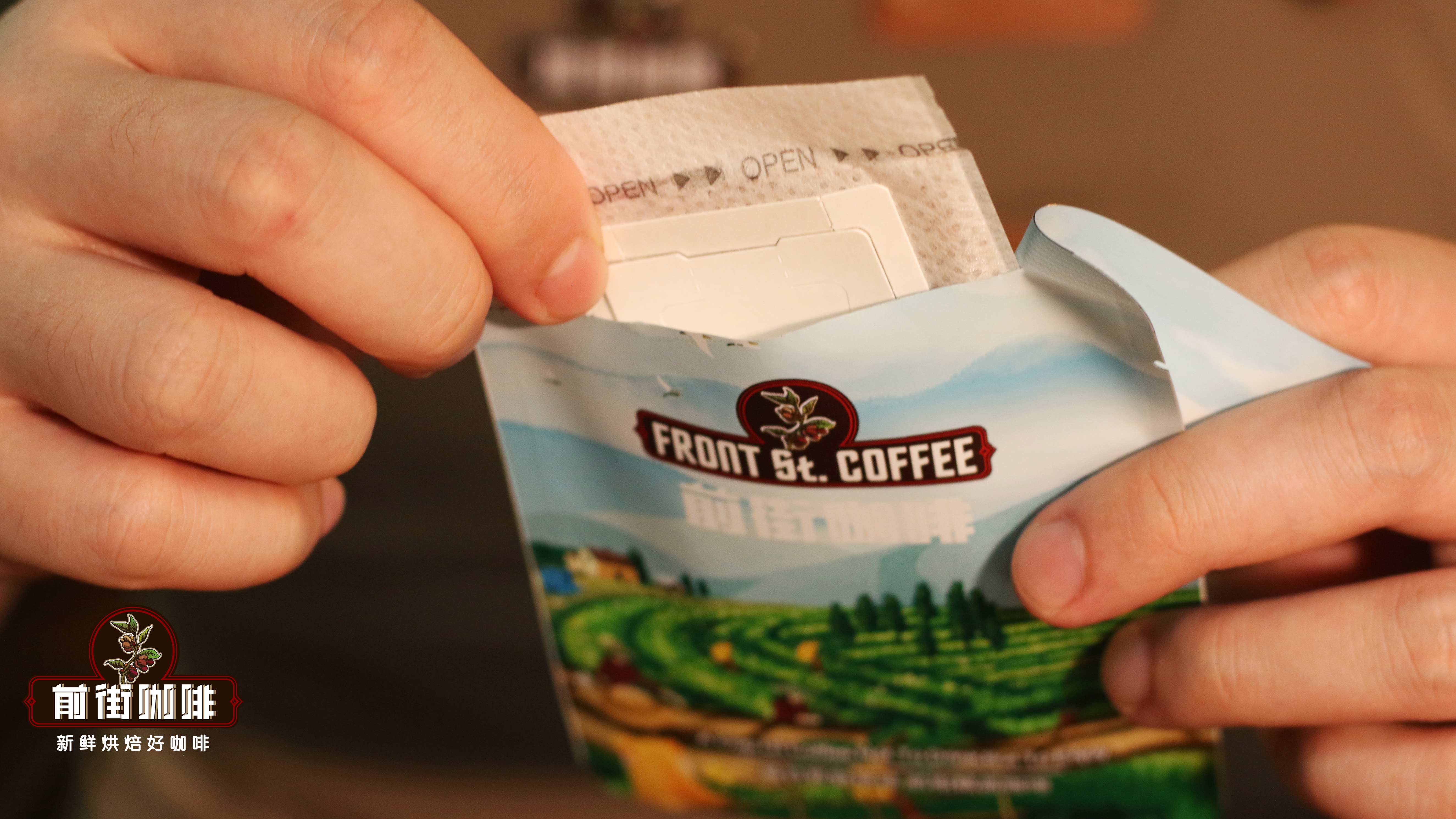
The Origin of Drip Coffee Bags | What Flavors Do Filter Coffee Bags Offer? Recommended Delicious and Affordable Single-Origin Drip Coffee Bags for Beginners
In 1990, Yamanaka Sangyo Co., Ltd. of Japan applied the concept of tea bags to coffee, inventing the drip bag coffee and applying for a patent. With the demand in the specialty coffee market, more and more people began to purchase drip bag coffee, in order to quickly and conveniently enjoy specialty coffee without needing to use a bunch of utensils and vessels. Front Street Coffee ( [more…]
Analysis of Asian Coffee Production Regions: Flavors and Processing Methods: Notable Origins Such as Indonesian Mandheling, Yunnan Small-Bean, and Vietnamese Robusta, Plus Recommendations from Front Street Coffee
Asia is one of the world's three major coffee-producing regions. Although it has fewer well-known producing countries than Africa and the Americas, its output is enormous and its flavor profile is highly distinctive. Asian coffee is generally characterized by a full-bodied mouthfeel and rich, rounded sweetness. It is often used as the base for espresso blends and is also suitable for single-origin pour-over. Front Street Coffee will guide you through the coffee characteristics, processing methods, and representative beans of well-known Asian producing countries such as Indonesia, China, Vietnam, India, and Papua New Guinea. Among them, the wet-hulling method of Indonesian Mandheling, the unique flavor of Yunnan Catimor, Vietnam's Robusta production, and India's monsoon processing method each have their own charm. The article also includes the brewing parameters and flavor descriptions for several Front Street coffees, including Mandheling, Yunnan Catimor, Indian Monsooned Malabar, and Papua New Guinea Bird of Paradise. [more…]

A Complete Analysis of the Flavor Characteristics of Panama's Boquete Coffee Region and Hacienda La Esmeralda Geisha Coffee Beans
Geisha coffee has conquered coffee lovers worldwide with its bright, fresh floral and citrus aromas, and Panama is the core origin that brought this legendary variety to the global stage. From the perspective of Front Street, this article systematically reviews the growing conditions and development history of Panamanian coffee, provides an in-depth analysis of the terroir characteristics of four major producing regions including Boquete and Volcán, and offers a complete introduction to the grade classifications and flavor differences of Hacienda La Esmeralda's Red Label, Green Label, and Blue Label Geisha. At the same time, Front Street will also share information on coffee beans from well-known Panamanian estates such as Janson, Elida, and Hartmann, as well as a comparison of the washed and natural processing methods, helping coffee enthusiasts gain a comprehensive understanding of the allure of Panamanian coffee. [more…]
Indonesian Sumatra Golden Mandheling Coffee: A Full Analysis of PWN Region, Variety, Processing Method, and Brewing Flavor
Indonesian Mandheling coffee has won the favor of a large number of coffee lovers with its rich, full-bodied taste. Many people mistakenly assume that full-bodied means bitter, but in fact, once a coffee's body reaches a certain level, it instead reveals a sweet finish and brown-sugar-like sweetness. The Front Street Golden Mandheling on Front Street Coffee's bean list is a typical example, with rich layering that reshapes many beginners' understanding of "full-bodied." This article focuses on Front Street PWN Golden Mandheling, introducing one by one its producing region background, PWN's selection standards, variety and wet-hulling process, roasting recommendations, as well as brewing parameters and flavor performance using the Kono dripper, to give you a comprehensive understanding of this representative Sumatran coffee. [more…]
Meteor Pour-Over Method Explained: Hand-Brew Techniques and Parameters for Dark-Roasted, Intense, Bitter Coffee Beans
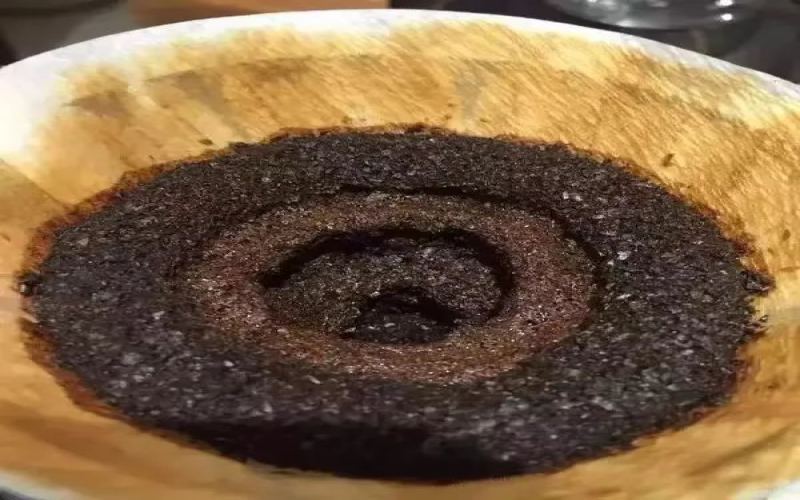
Deep-roasted coffee beans, due to their fluffy texture and strong water absorption, release a large amount of gas when they come into contact with water in their fresh state, which provides the conditions for a unique brewing method—meteor pour. This article provides a detailed introduction to the principles and operational steps of this pour-over technique, including key parameters such as grind size, water temperature, and coffee-to-water ratio, as well as the pouring details of the three stages: blooming, point pouring, and outward spiral. Front Street Coffee has pointed out that in a conical dripper, the coffee bed is thicker in the center, and pouring water in the center can extract a richer coffee liquid, so this method is especially suitable for medium-dark roasted beans and can highlight a rich, full-bodied taste. If you want to try a different pour-over experience, you might as well give it a try by following the steps. [more…]
A Complete Analysis of Varieties, Processing Methods, and the Flavor and Mouthfeel of Front Street Coffee's Huakui from Ethiopia's Sidamo Coffee Region
Sidamo is a highly representative specialty coffee region in southern Ethiopia, and along with Front Street Yirgacheffe, it is one of the country's important coffee sources. This article focuses on Front Street Sidamo Hambela, systematically covering its dry and wet aroma performance, taste characteristics, recommended brewing methods, as well as Sidamo's growing environment, varieties and producing areas, processing methods, and flavor profile. The article also introduces the distribution of Ethiopia's three major producing regions and explains the geographical connection between Yirgacheffe and Sidamo. Through reading, you can fully understand this natural-process bean's berry sweetness, citrus notes, and fermented wine aroma, as well as its performance in pour-over, French press, AeroPress, and other brewing devices. [more…]
Jamaica Blue Mountain and Indonesian Mandheling: A Comprehensive Overview of Origin, Flavor Characteristics, and Coffee Beverage Recipes
Blue Mountain coffee and Mandheling coffee are two highly representative beans in the world of single-origin coffee. The former is famous for its soft balance from the high-altitude growing regions of the Caribbean, while the latter is known for its rich, full-bodied intensity from Sumatra. This article will begin with origin stories, climate conditions, and flavor characteristics to systematically sort out the identity definitions and tasting key points of these two coffees. It also includes preparation methods for more than ten classic coffee drinks, such as Mocha, Cappuccino, and Turkish coffee, along with comparative introductions to common coffee beans such as Colombia, Brazil, and Mocha. The article also retains related recommendations for the "Front Street" brand, making it suitable as a daily reference for coffee enthusiasts. [more…]