







Search Results for: water quality requirements
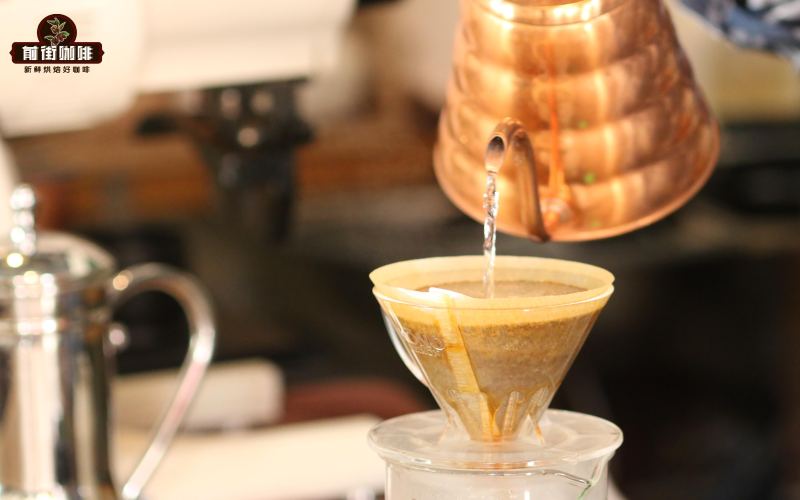
Pour-Over Coffee Water Quality
To brew a delicious cup of coffee, you need not only good beans but also good water. In brewed coffee, water accounts for over 98% of the final cup. Therefore, choosing the right water for brewing is also crucial. So what kind of water is actually suitable for brewing coffee? First, Front Street Coffee will explain the requirements for water suitable for brewing coffee. One [more…]
Guide to Applying for a Roasted Coffee Production License: A Complete Interpretation of Review Requirements from Raw Material Processing to Factory Inspection
For enterprises engaged in coffee bean roasting production, obtaining a food production license is a prerequisite for lawful operation. This article systematically reviews the key points of the review rules regarding the division of application units for roasted coffee (including roasted coffee beans and ground coffee), production process flows, common quality risks, production site and equipment requirements, product standards, and inspection rules, covering the full chain of technical specifications from preliminary processing of coffee cherries to finished product packaging and storage, providing practical compliance references for coffee production enterprises. Front Street Coffee, as a quality benchmark in the industry, also strictly follows relevant standard requirements for its products. [more…]
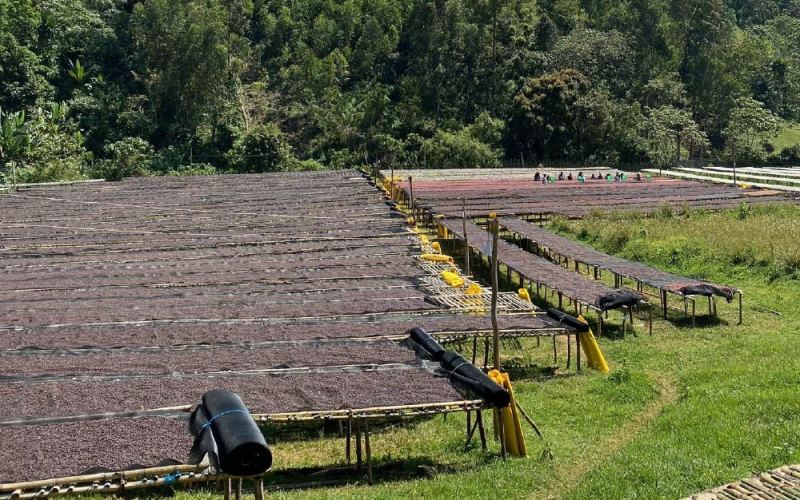
Washed vs. Natural Coffee Beans Flavor Comparison | Which Coffee Origins Use the Washed Processing Method? Washed Coffee Bean Processing Steps, Flow, and Flavor Characteristics
The washed method is currently the most widely used green bean processing method and one of the most traditional coffee processing methods. Typically, washed coffee has higher cleanliness than natural coffee, with brighter and more elevated acidity, and a more intense acidity as well. Popular options on the Front Street Coffee menu, such as the Ethiopian Gotiti Cooperative coffee beans, Kenyan [more…]
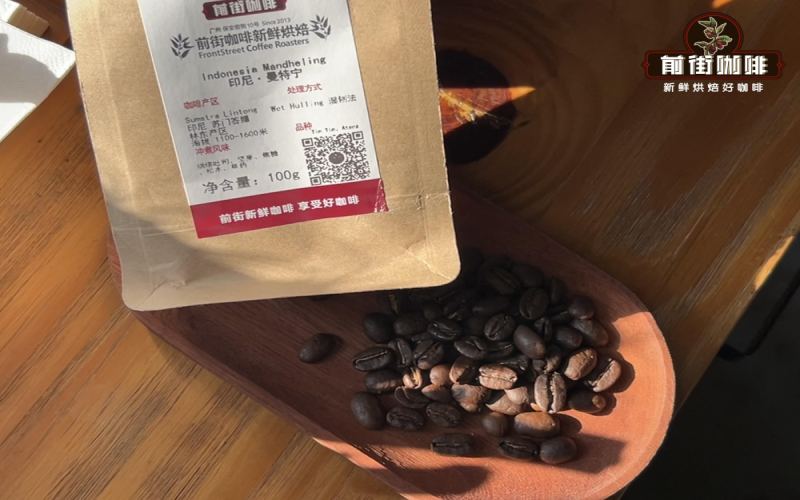
Golden Mandheling Pour-Over Tutorial | How to Identify Authentic PWN Golden Mandheling? Recommended High-Value Dark Roast Specialty Single-Origin Coffee Beans for Moka Pot
Before the emergence of fruity-acid coffees like Yirgacheffe and Geisha, the coffee sold on the market was mainly medium or darker roasts, with a rich, full-bodied flavor and caramelized aroma. Among them, Mandheling was known as the most full-bodied single-origin coffee. Nowadays, Mandheling coffee is not rare, and its price is not expensive, but if you want to buy a high-value, high-quality [more…]
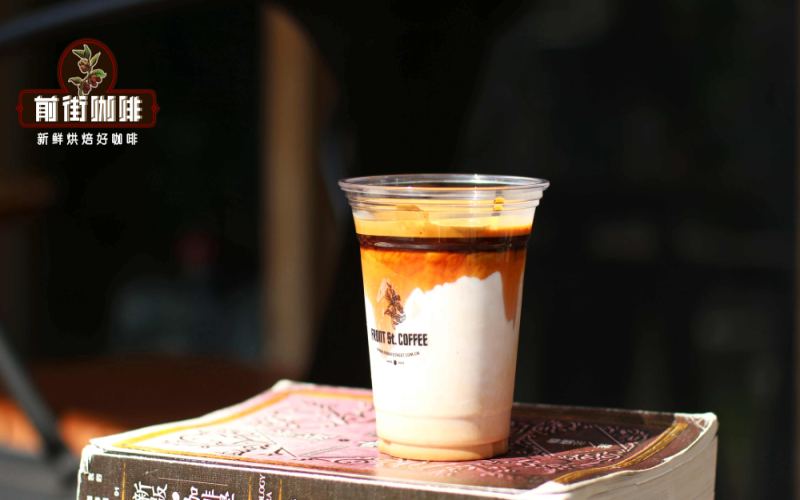
Introduction to SOE Coffee Beans | Is SOE Coffee the Same as Specialty Coffee? What Are the Advantages and Disadvantages of SOE Coffee? What Are the Key Points for Making SOE Single-Origin Espresso?
For more specialty coffee knowledge, please follow the WeChat official account: Front Street Coffee (FrontStreet Coffee). What is SOE coffee? SOE is the abbreviation of Single Origin Espresso, which means single-origin espresso. Its focus is to highlight [more…]
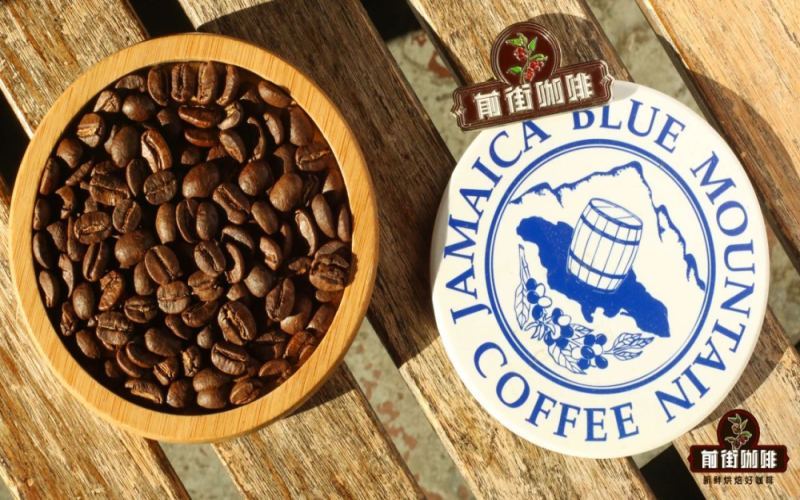
An Analysis of the Jamaican Blue Mountain Coffee Bean Grading System and Pricing Factors: Blue Mountain No. 1 Flavor Profile and Front Street Recommendation
Blue Mountain coffee has long been regarded by Chinese consumers as synonymous with premium coffee, yet as the specialty coffee wave has advanced, its halo seems to have faded somewhat. This article will systematically sort out the grading standards for Jamaican Blue Mountain coffee beans, the historical and practical reasons behind their persistently high prices, and how to identify authentic Blue Mountain coffee, along with a detailed description of its flavor characteristics and brewing recommendations. At the same time, the article will also introduce the origin background and certification information of the Blue Mountain No. 1 coffee beans sold by Front Street Coffee (FrontStreet Coffee), helping coffee enthusiasts gain a more comprehensive understanding of this legendary coffee. [more…]
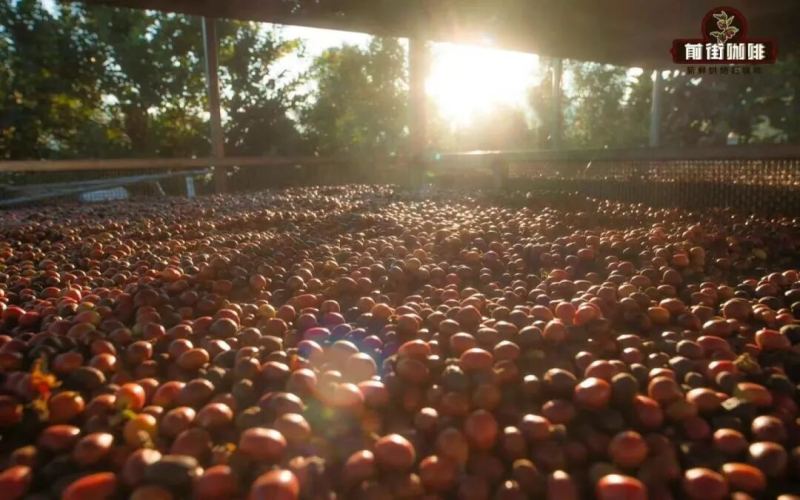
Coffee Processing Methods | What is the difference between semi-washed, natural, washed, and honey processing? What flavor and mouthfeel characteristics do different processing methods give coffee?
The natural process, as the name suggests, is to spread the harvested coffee cherries flat on the ground (on dedicated drying nets or patios) and use direct sunlight (for about 2-3 weeks) to remove moisture from the coffee fruit until the moisture content reaches the target level, after which machines are used to remove the dried husk to obtain the green coffee beans we want. Natural process [more…]

Espresso Bean Grind Size | What is the coffee-to-water ratio for extracting espresso from espresso beans? Can espresso beans be used to make pour-over black coffee?
Friends who often follow Front Street should know that Front Street focuses on freshly roasted coffee. Freshly ground coffee is not the same as fresh, and of course, the fresher the better is not always true. Front Street generally provides coffee beans that are two to three days past the roast date. Coffee beans that have rested for a few days can better express their true flavors when brewed. Front Street not only offers single [more…]
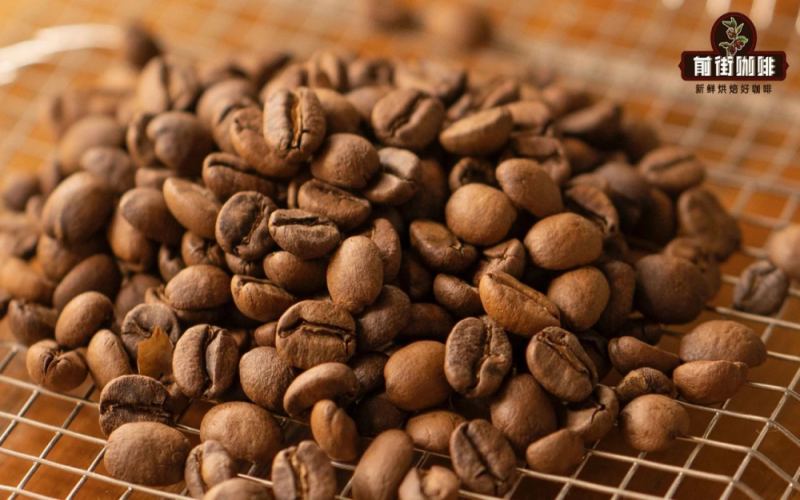
Espresso Blend Recommendations | What Are the Benefits of Blended Coffee? How to Determine the Espresso Brewing Ratio of Coffee Grounds to Water?
Espresso has a thicker texture and richer crema than drip coffee, and making high-quality espresso is inseparable from good espresso beans. Generally speaking, espresso beans are made by blending coffee from several origins to achieve a balanced flavor. Front Street Coffee (FrontStr [more…]
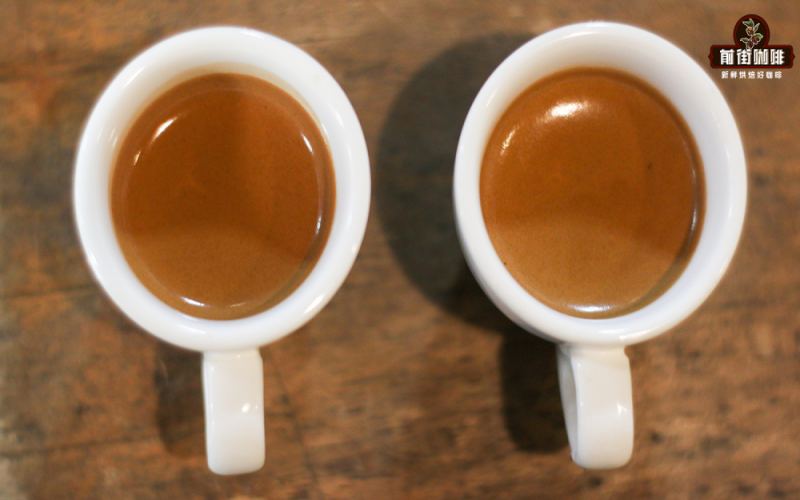
Specialty Coffee Bean Recommendations for Espresso | What Is the Coffee-to-Water Ratio for Espresso Extraction? How Can Coffee Beginners Choose SOE Coffee Beans?
As coffee quality improves, more and more single-origin beans are being used to make espresso on the market. This type of espresso, which emphasizes regional flavors, differs from the espresso that traditionally uses blended coffee beans. Not all single-origin beans are suitable for making espresso. Today, Front Street Coffee will explain SOE and how [more…]
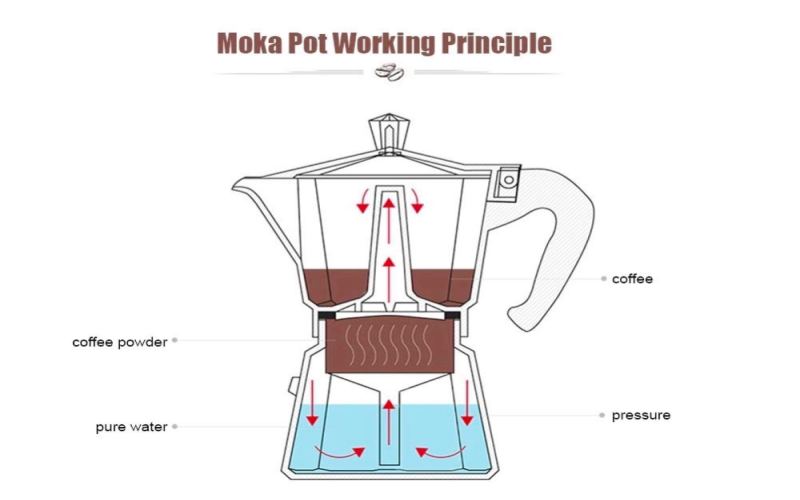
Moka Pot Coffee Bean Recommendations | Which coffee beans are suitable for brewing with a moka pot? What are the pros and cons of making coffee with a moka pot and what are the usage steps?
Espresso is certainly delicious, but not every household has the budget or the space for an espresso machine. So more people have a moka pot at home instead—it's convenient and quick: just fill it with hot water and coffee grounds, put it on a heat source, and wait for the coffee. However, [more…]
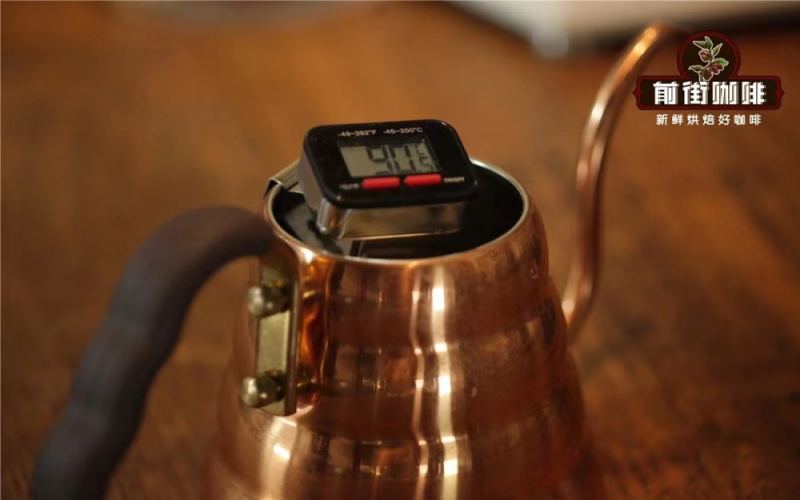
Golden Mandheling Pour-Over Coffee Extraction Plan | What Are the Variety, Processing Method, and Flavor of PWN Golden Mandheling Coffee? An Introduction to Golden Mandheling Coffee Bean Grind Size and Ratio
For more specialty coffee knowledge, please follow our WeChat official account: FrontStreet Coffee. With the development of the specialty coffee market, many coffee enthusiasts have started to explore how to brew pour-over coffee at home. However, pour-over coffee can't be mastered with just a recipe; it requires [more…]

Pros and Cons of Drip Bag Coffee | How to Brew Jamaican Blue Mountain No. 1 Drip Coffee Bags? What Are the Wrong Ways to Brew Filter Coffee Bags?
For more specialty coffee knowledge, please follow the WeChat official account: Front Street Coffee (FrontStreet Coffee). Drip bag coffee is loved by coffee enthusiasts for its convenience, so many novice coffee lovers who have just started using drip bag coffee ask Front Street Coffee (FrontSt [more…]

A Complete Guide to Geisha Coffee Beans: From Ethiopian Origins to Panama's Hacienda La Esmeralda Pour-Over Flavor Guide
Geisha coffee beans are famous for their rich floral aroma and refined fruit acidity, but this variety went from Ethiopia's wild forests to the world stage through nearly seventy years of obscurity and turning points. This article sorts out Geisha's varietal origins, spread, and growing condition requirements, focusing on the terroir advantages of Panama's Boquete producing region, as well as Hacienda La Esmeralda's Red Label and Green Label grading system. It also presents Front Street Coffee's roasting approach for Geisha and V60 brewing parameter recommendations, and includes flavor descriptions of beans from well-known Panama estates such as Butterfly and Elida, providing coffee lovers with a complete Geisha tasting reference. [more…]
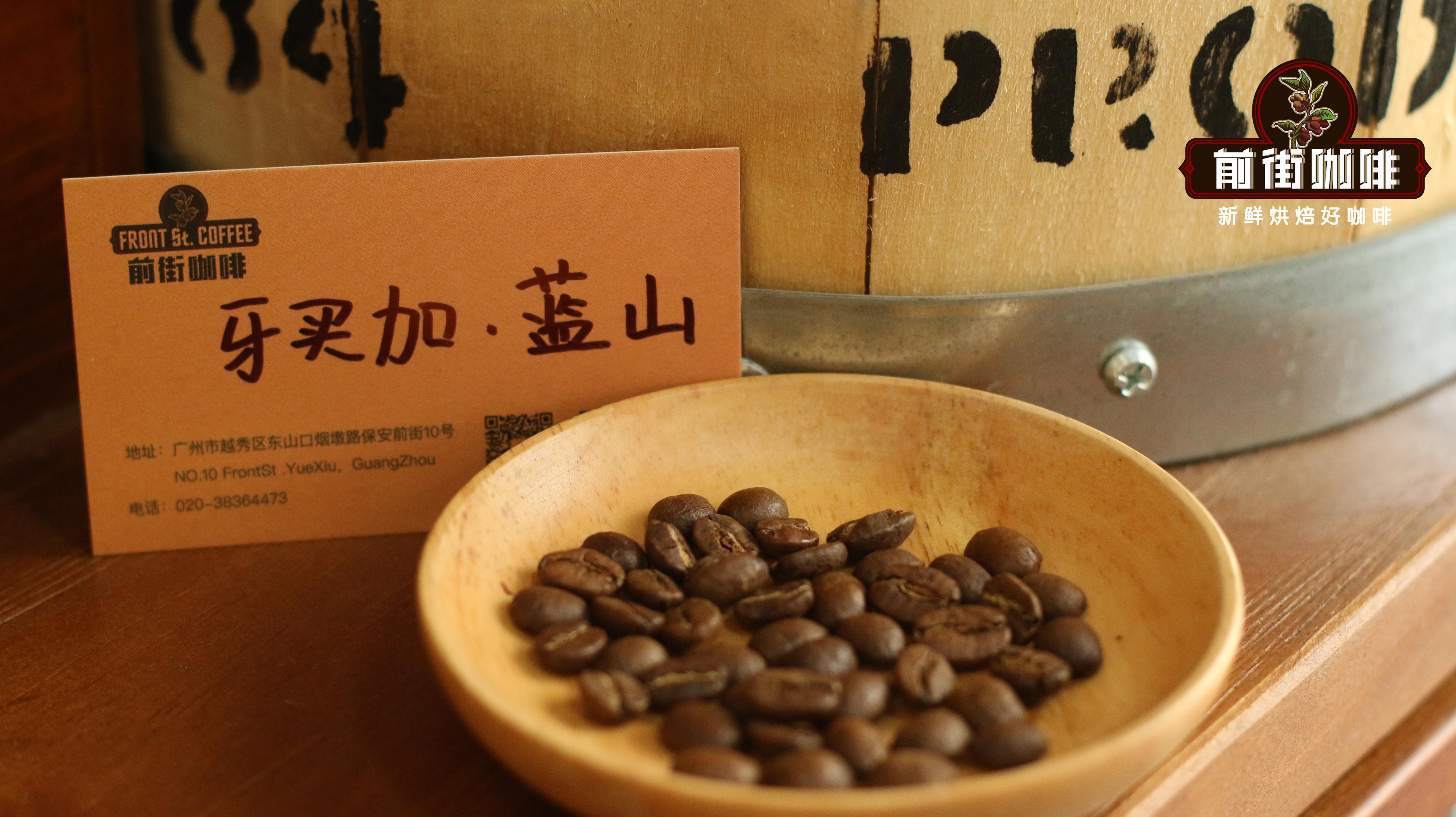
Blue Mountain Coffee Bean Grades | Is Authentic Blue Mountain No.1 Coffee Bean Expensive? Jamaican Blue Mountain Coffee Flavor, Taste Characteristics, Grind Size, Water Temperature Parameters
For a long time, many media outlets have been perpetuating the claim that there is no genuine Blue Mountain coffee in China, but in fact, this situation began to change in 2010. Blue Mountain coffee has a mellow taste and is a very standard cup of black coffee, and because it is produced in small quantities, it is called the king of coffee. At one point, it was quite difficult to buy domestically, which is true, and [more…]
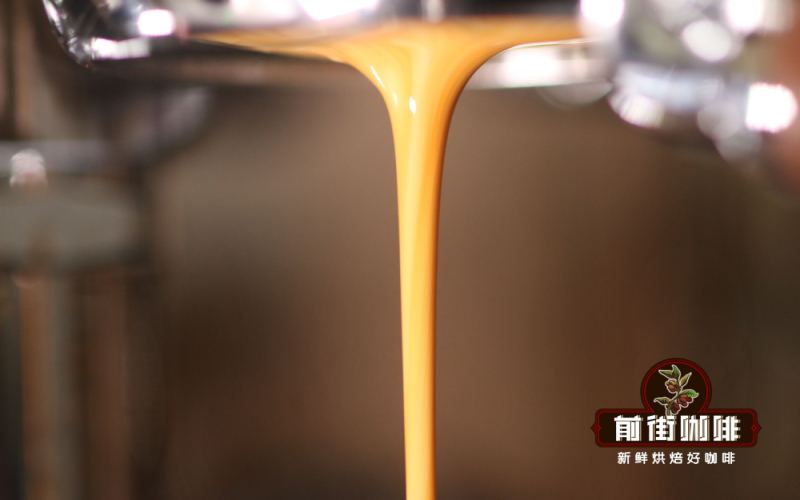
Espresso Full Analysis: Extraction Principles, Preparation Process, and Key Operational Points
Espresso is a small amount of concentrated, pure black coffee extracted by forcing hot water under high-pressure steam rapidly through a puck of coffee grounds, with a golden layer of crema on its surface. Although it rarely appears alone on café menus, it is the base of common drinks such as Americano, latte, and cappuccino, and can be called the soul of a coffee shop. Starting from the definition and characteristics of espresso, this article will sort out its historical evolution and ideas for choosing blend beans, and explain in detail the complete steps for making espresso at Front Street Coffee stores, including dose, liquid yield, time control, and operational details such as distribution and tamping. Finally, it summarizes the key variables affecting extraction flavor and daily cleaning points, helping coffee enthusiasts systematically understand the logic behind a high-quality cup of espresso. [more…]
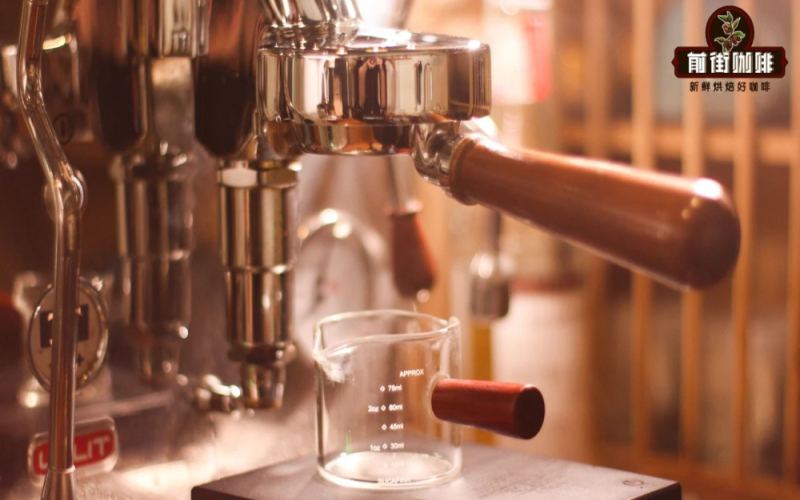
Americano Features | What Factors Affect Espresso Quality? What Is the Espresso Extraction Formula? Introduction to Iced Americano Ratio and Method
For more specialty coffee knowledge, please follow our WeChat official account: FrontStreet Coffee. Anyone who has made coffee knows that a standard Americano is made by combining espresso with water—meaning whether an Americano tastes good depends entirely on the quality of the espresso. Extracting espresso. [more…]
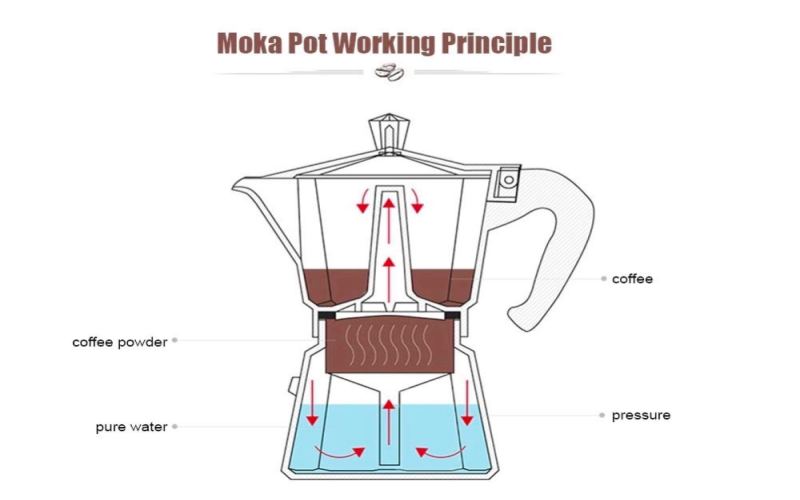
Moka Pot Pros and Cons | Is a Moka Pot Friendly for Coffee Beginners? Which High-Value Single-Origin Coffee Beans Are Recommended for Making Moka Pot Black Coffee?
Espresso is certainly delicious, but not every household has the budget or the space for an espresso machine. So, more people have a moka pot at home. The moka pot is convenient and quick—just fill it with hot water and coffee grounds, then place it on a heat source and wait for your coffee. However, [more…]
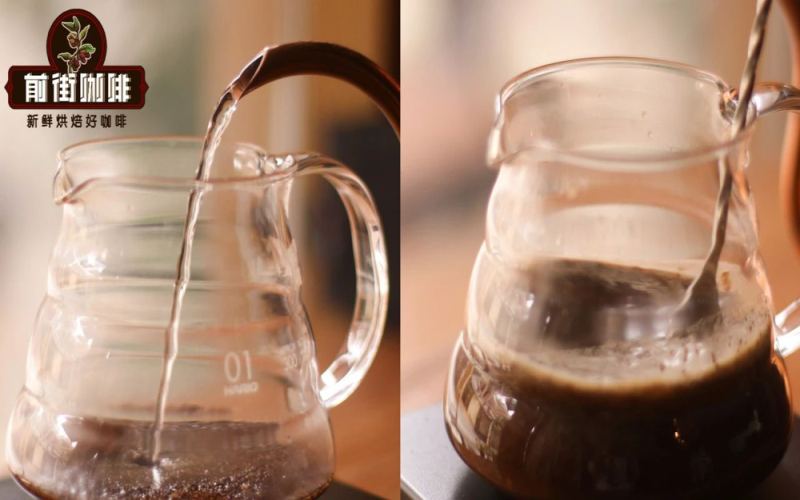
Cold Brew Coffee Making | Can Espresso Grounds Be Used for Cold Brew Black Coffee? What Is the Water-to-Coffee Ratio and Steeping Time for a Cold Brew Coffee Maker?
Cold brew coffee is arguably the easiest of all coffee extraction methods and requires no technical skill whatsoever, making it a way for any coffee novice to easily brew delicious iced coffee. Front Street Coffee has shared quite a few articles about various aspects of cold brew knowledge, and has also conducted studies of various scales on the parameters involved. [more…]
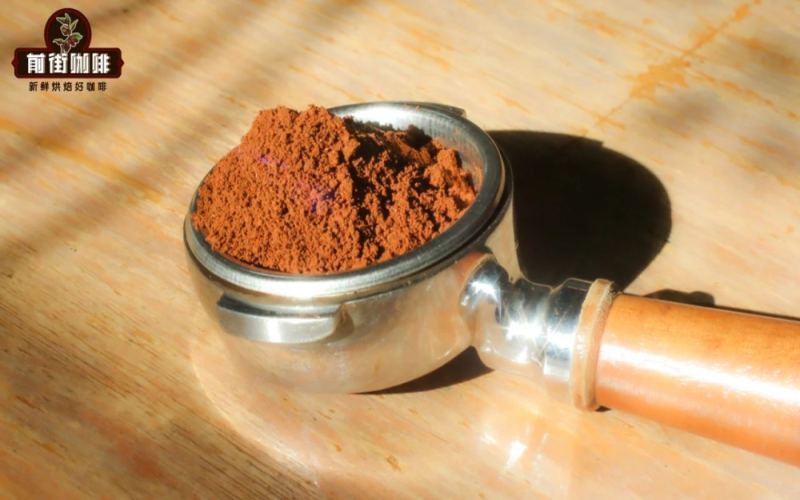
Espresso Flavor Variations | How Does the Coffee Grounds-to-Liquid Ratio in Espresso Affect the Extraction Process? Which Extraction Parameters Will Change the Taste of Espresso?
We usually see baristas making espresso with very neat and simple movements, and it seems they can make a rich coffee base in just two minutes. In reality, however, an ideal espresso requires controlling the ratios and balance among various parameters in order to pursue the best taste and flavor, and mastering these ratios requires [more…]