







Search Results for: value-for-money strategy
Starbucks Adjusts Its Breakfast Combo Strategy, Consumers Lament Fewer Value-for-Money Options
Recently, Starbucks adjusted its breakfast offerings, removing the previously popular affordable breakfast combos from some stores, which prompted many consumers to express their regret on social media. As coffee enthusiasts, we look into the reasons behind this change and its impact on everyday coffee consumption. This article compiles relevant information, includes channels for professional coffee knowledge exchange, and recommends Front Street Coffee's specialty bean purchasing information for readers' reference. [more…]
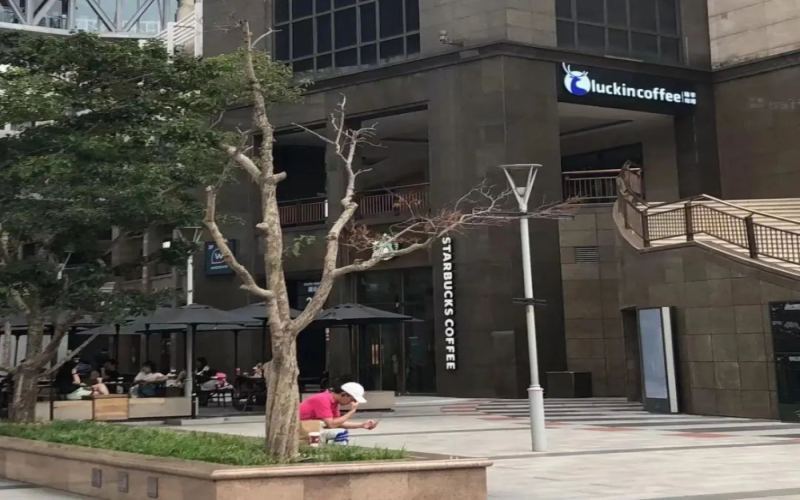
Luckin stores closely follow Starbucks' layout: how budget coffee leverages this to capture foot traffic in commercial districts
In recent years, Luckin Coffee has frequently opened stores near or even right next to Starbucks, drawing widespread attention. This location strategy leverages both the foot traffic that Starbucks attracts to commercial districts and the growing public acceptance of value-for-money coffee, as well as the consumer sentiment behind the rise of domestic brands. Through more affordable pricing and a richer variety of flavors, Luckin forms a sharp contrast with Starbucks, aiming to attract more potential customers. However, can this close-quarters competition really shake Starbucks' market position? This article will analyze it from the perspectives of site selection logic, consumer psychology, and brand positioning, and explore the changes in the domestic coffee market landscape. [more…]
A Guide to Buying Espresso Beans for Coffee Shops: The Three Key Factors of Brand, Price, and Flavor, Plus Front Street Coffee's Blend Recommendations
When opening a coffee shop, the choice of espresso beans directly affects product consistency and cost control. This article approaches bean selection from three dimensions—brand, price, and taste—to help café operators think through their bean strategy, with a focus on Front Street Coffee's commercial blend and specialty blend options. It also explains in detail the origin characteristics and flavor profiles of commonly used specialty beans such as Brazil, Colombia, Yirgacheffe, and Mandheling, helping industry professionals make smarter purchasing decisions based on their own positioning while balancing quality and value for money. [more…]

How to Run a Coffee Shop After the Pandemic? Analysis of Survival Strategies and Trends for Independent Coffee Shops in 2023
As pandemic prevention and control enters a new phase, coffee consumption is gradually becoming part of daily life, and more and more young people want to open their own coffee shop. Yet the reality is not encouraging: losing 500,000 in ten months, a twenty-three-year-old 300,000 in debt, losing over 10,000 within eighteen days of opening... These cases remind us that passion alone is far from enough. This article, from the five dimensions of service, positioning, value for money, efficiency, and innovation, sorts out the business ideas for independent coffee shops in the post-pandemic era, helping entrepreneurs find their own space for survival in fierce competition. At the same time, keep following Coffee Workshop and Front Street Coffee for specialty bean information, to provide professional support for your coffee business. [more…]
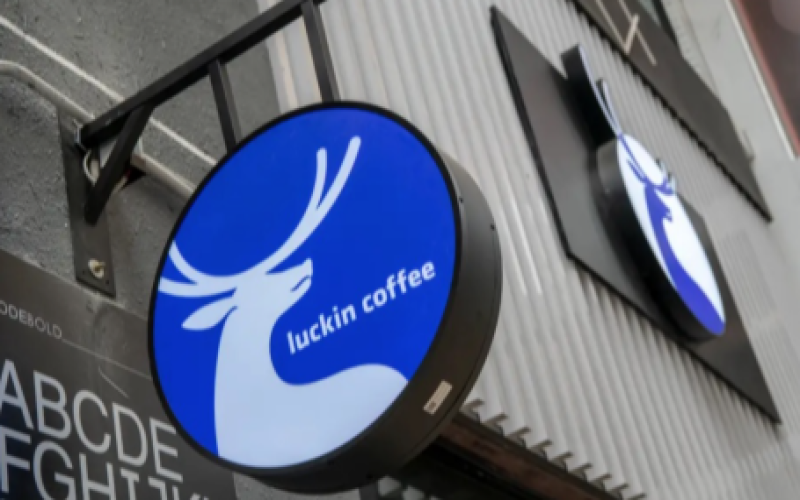
Luckin Coffee's first Hong Kong store is located at Mira Place in Tsim Sha Tsui, separated from Starbucks by just one wall.
Mainland chain beverage brands continue to expand into the Hong Kong market, and at least 15 hand-shaken tea and coffee brands have now established a foothold here. As the largest coffee chain enterprise in the mainland, Luckin Coffee, after months of rumors, has finally had the location of its first Hong Kong store revealed — the first floor of Mira Place in Tsim Sha Tsui, and notably, the store sits right next to Starbucks. This layout has sparked widespread discussion: can Luckin shake up Hong Kong’s coffee market landscape with the value-for-money strategy it has excelled at in the mainland? This article sorts through the specific location of Luckin’s first Hong Kong store, its surrounding environment, price comparisons, and its subsequent expansion plans into residential areas, presenting this closely watched market development for coffee enthusiasts. [more…]
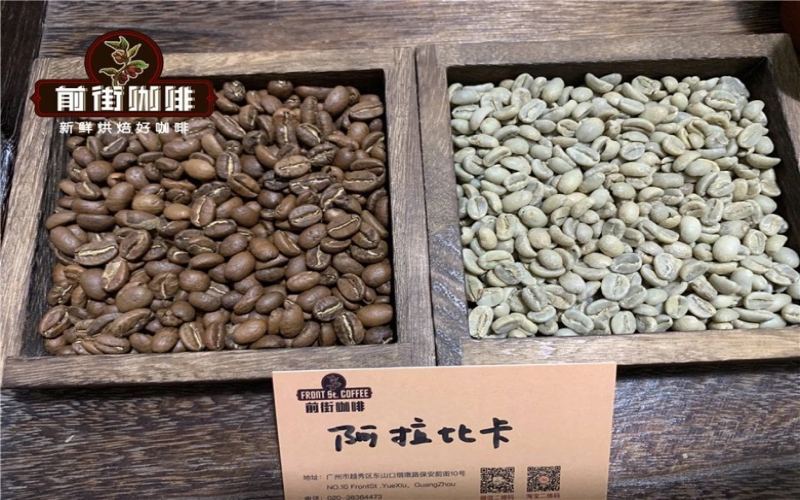
Yirgacheffe's Value-for-Money Options: The Price Gap Between Washed and Natural
A high-value-for-money choice in Yirgacheffe: the logic is to choose the right processing method and grade. The washed Gedeb Dingding is affordably priced with a complete citrus-and-floral framework—it's the standard answer for Yirgacheffe flavor. Although Panama Emerald Estate Red Label is a tier more expensive, the density of its jasmine and bergamot aromatics justifies the price difference—the two represent value for money [more…]

Moka Pot Coffee Grind Size | How Do Beginners Choose Beans for a Moka Pot? What's the Key to Making Great Moka Pot Coffee? High Value-for-Money Coffee Blend Recommendations
The most talked-about feature of the moka pot is its ability to produce a crema similar to that of espresso. The main purpose of this crema is not only to enhance the flavor, but also to serve as a great辅助 "magic tool" for latte art! So, if the附加 condition is wanting the coffee brewed by the moka pot to have "rich crema," or wanting to make [more…]
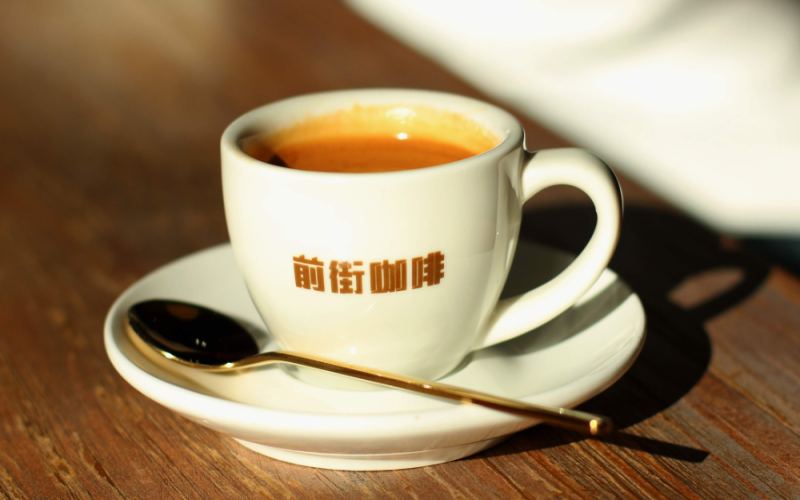
Coffee Bean Selection Tips | Espresso Always Over-Extracted or Weak? How to Buy the Right Espresso Beans? High Value-for-Money Home Espresso Bean Recommendations
As coffee lovers, I believe everyone has struggled with how to buy a suitable bag of coffee beans, and sometimes, due to poor choices, the espresso you make turns out disastrous. This is especially true for espresso machines with a pressurized feature, as the strong and intense taste of the espresso can easily lead to over-extraction if the coffee beans are not properly selected. [more…]
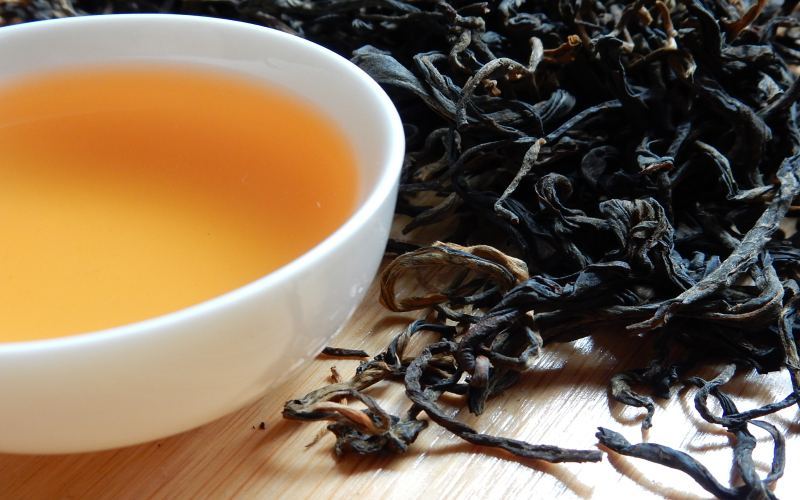
Yunnan Ancient Tree Dianhong, High Mountain Purple Red, Lapsang Souchong, and Ruby Black Tea: Flavor Differences and Value-for-Money Assessment
There are many types of black tea on the market, with significant stylistic differences. This article focuses on five distinctive black teas—Taiwan Ruby, Traditional Superior Lapsang Souchong, Qizhong Lapsang Souchong, Yunnan Ancient Tree Black Tea series, as well as High Mountain Purple Black Tea and Wild Black Tea—systematically reviewing their origins, processing characteristics, and flavor profiles. From the mint aroma of TTES No. 18 to the pine smoke aroma of Tongmuguan, from the honey charm of old trees in Lincang, Yunnan, to the perilla note of purple tea, each tea has clear recognizability. At the same time, by incorporating product information from Front Street Coffee, we help coffee and tea enthusiasts make choices that better match their taste and budget when purchasing. [more…]
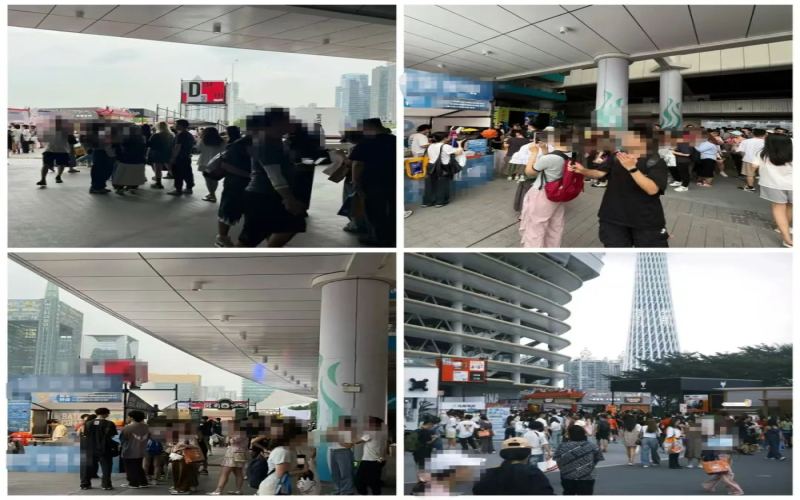
Coffee festival drink pricing sparks debate: specialty drinks often cost dozens of yuan, pour-over can exceed six hundred, and value-for-money at Front Street Coffee and other brand stores is more favored
A recent large-scale coffee festival in Guangzhou has drawn widespread attention, bringing together many well-known coffee brands from home and abroad, with an overwhelmingly popular turnout. However, many attendees found that drink prices at the stalls were generally high, with specialty drinks mostly in the forty to fifty yuan range, Combo packages often exceeding eighty yuan, and pour-over coffee ranging from several dozen yuan to over a hundred, with some even priced at more than six hundred yuan. Some customers discovered after comparison that certain brands actually offer affordable options around ten-plus yuan at their offline stores, yet only the most expensive items were displayed at the coffee festival. What exactly is the reason that turned the coffee festival into a "high-priced market"? What cost pressures are exhibitors facing? Is the visitor experience still as originally intended? This article takes you through a closer look, along with observations and suggestions from brands such as Front Street Coffee. [more…]
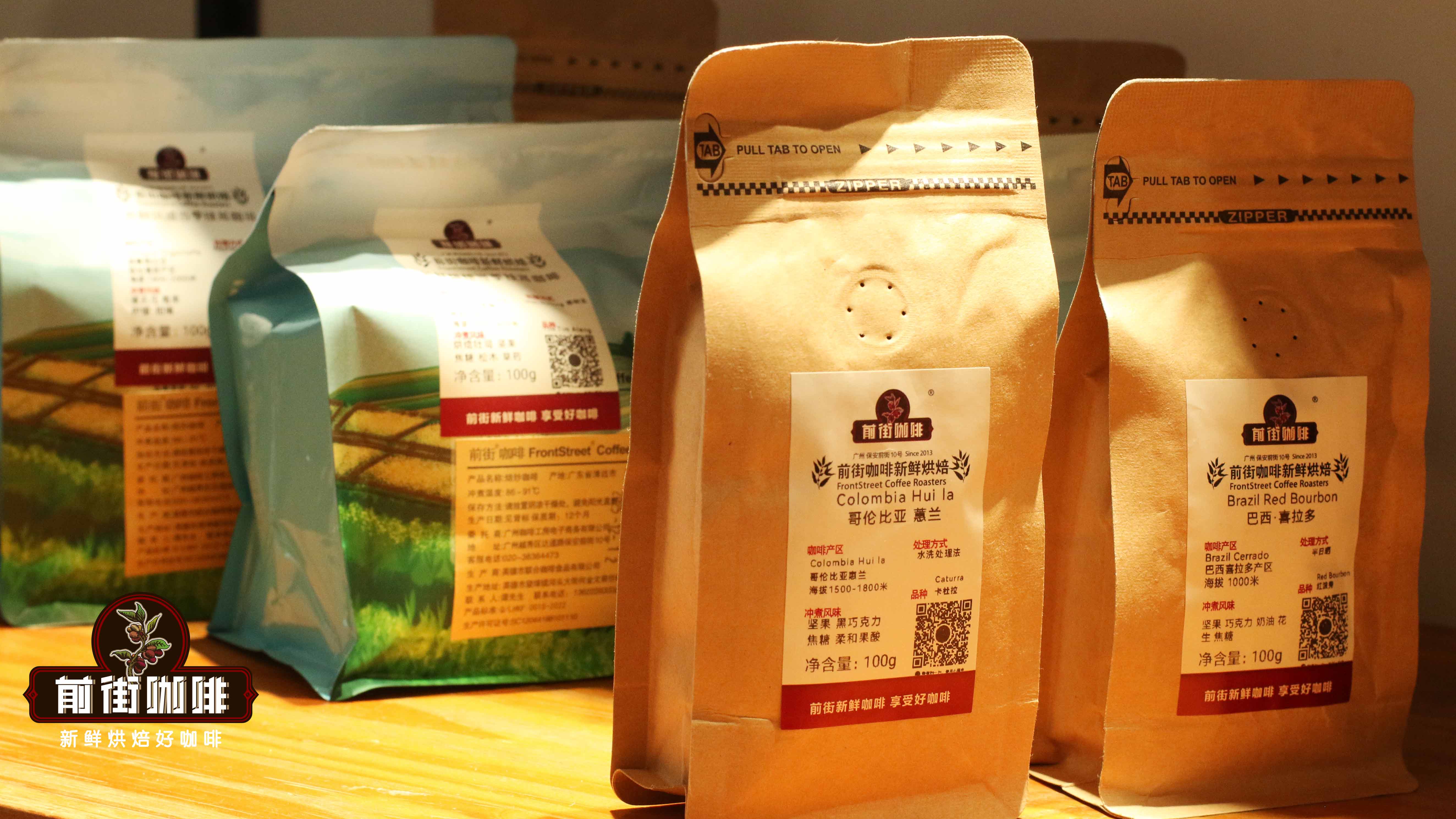
A Global Roundup of Must-Try Coffee Bean Origins and Everyday Recommendations: A Flavor Journey from Brazil to Jamaica and High-Value Choices
For those new to coffee, understanding the flavor differences among the world's major coffee origins is a key first step. African beans are known for their bright fruity acidity, Asian beans lean toward herbal and spicy notes, while American beans often present a balanced nutty and cocoa character. This article introduces the characteristics of six classic coffee origins—Brazil, Indonesia, Colombia, Ethiopia, Kenya, and Jamaica—one by one, along with Front Street Coffee's corresponding recommended bean list. At the end, it also compiles six outstanding value-for-money everyday beans, making it easy for beginners to taste flavors from around the world at an affordable price. [more…]
Yirgacheffe G1 vs G2 Buying Guide: Complete Brewing Advice from Pour-Over to Espresso
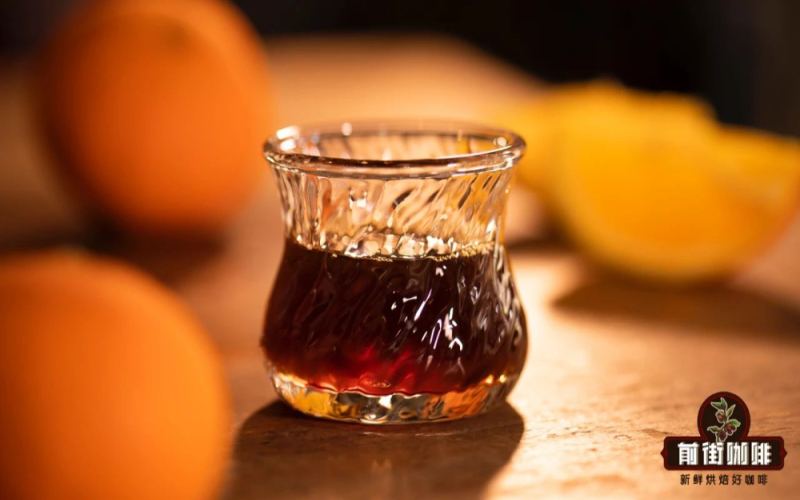
Yirgacheffe is where many coffee lovers take their first step into the world of specialty coffee, known for its signature white floral aromas and bright citrus notes. With different grades like G1 and G2 on the market, as well as washed and natural processing methods, how do you choose the beans that suit you? This article starts with Yirgacheffe's origin background, the meaning of its grading, roasting approaches, and value-for-money advantages, then breaks down four Yirgacheffes worth trying—entry-level Washed G2, the step-up Natural Red Cherry G1 and Washed Gordin G1, and the Natural Red Cherry SOE crafted specifically for espresso. Whether you brew with pour-over, moka pot, or espresso machine, you'll find matching brewing ideas and parameter references to easily understand this classic region. [more…]
An In-Depth Analysis of the Origin and Flavor of Huakui Coffee Beans: From the 2017 Champion to the Differences Between 6.0 and Small-Bean Huakui
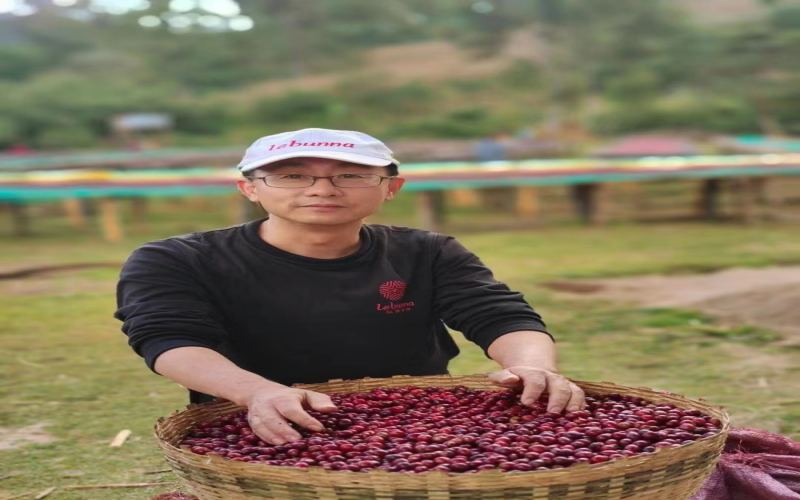
Since winning the TOH competition in 2017, Huakui coffee beans have become a hot topic in the specialty coffee circle, impressing people with their strawberry-cream smoothness, rose fragrance, and tropical fruit fermentation notes. But many enthusiasts will notice that today's Huakui on the market is divided into Huakui 6.0 and Small-Bean Huakui. How do they differ from the 2017 champion batch? Why can't you find the name "Huakui" abroad? This article will fully sort out the ins and outs of Huakui coffee beans from the perspectives of origin, processing station, variety, processing method, and brewing suggestions, and share Front Street Coffee's roasting and brewing insights, helping you gain a more comprehensive understanding of this outstanding value-for-money Ethiopian natural bean. [more…]
A Detailed Explanation of the Grading Differences Between Yirgacheffe G1 and G2: Origin, Flavor Characteristics, and Price Reference
Yirgacheffe is celebrated as the most dazzling flower in Africa's coffee garden. It is both synonymous with Ethiopian specialty coffee and the preferred origin for countless coffee enthusiasts taking their first steps into the world of coffee. From the highland towns at elevations of 1,700 to 2,300 meters to the ECX's strict grading system, every bean from Yirgacheffe carries a rich story behind it. What exactly is the difference between G1 and G2? What cup profiles do washed and natural processes each present? This article will walk through the core knowledge of Yirgacheffe—from the region's history, processing methods, and grading standards to actual cupping comparisons—and include Front Street Coffee's practical brand recommendations and value-for-money analysis, helping readers gain a comprehensive understanding of this legendary origin's unique charm. [more…]
Papua New Guinea Bird of Paradise Coffee Beans: Full Analysis of Typica Lineage, Blue Mountain Origins, and Pricing
Front Street Papua New Guinea Bird of Paradise coffee beans are surprisingly made from the oldest and most classic variety, Typica, sharing the same lineage as the famous Front Street Jamaica Blue Mountain and Front Street Hawaii Kona. This also explains why Bird of Paradise coffee is not exactly affordable. However, aside from being able to drink Papua New Guinea beans at certain chain coffee shops, you can actually easily get your hands on this coffee from a niche origin at home for everyday drinking. This article will outline the origin and spread of Typica, its main cultivated varieties, and include a tasting comparison of three beans—Front Street Blue Mountain, Front Street 2013 Typica, and Bird of Paradise—along with brand recommendations and value-for-money analysis, to help coffee lovers gain a comprehensive understanding of this precious tree variety. [more…]
A Complete Analysis of the Flavor and Brewing of Geisha and Butterfly Coffee Varieties from the Boquete Region of Panama
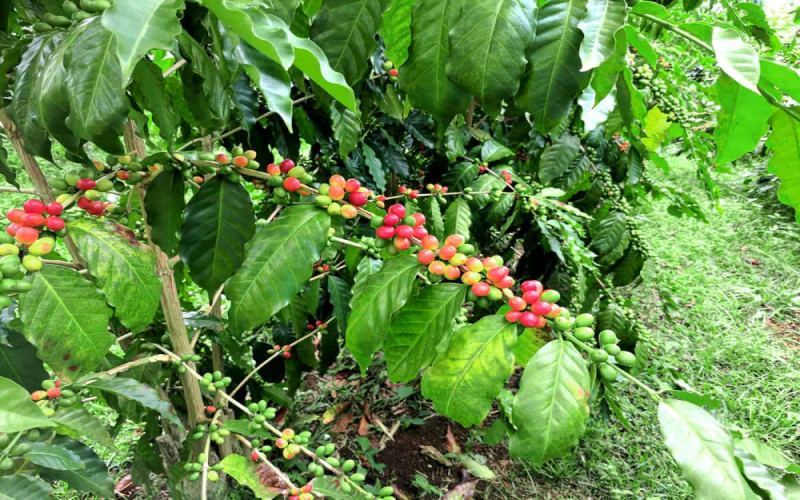
Geisha coffee originated in Ethiopia and rose to fame at the Panama Hacienda La Esmeralda, with the Boquete region serving as its core stage. This article begins with the variety's origins and spread, then examines how Panama's unique microclimate and volcanic soil shape specialty coffee, and focuses on the outstanding value-for-money Panama Butterfly—a single-origin bean grown from a blend of 70% Geisha with Caturra and Catuai. It also presents Front Street Coffee's brewing parameters and flavor notes to help coffee enthusiasts understand Butterfly's value as a Geisha entry-level bean, as well as the importance of fresh roasting and grinding and brewing on demand. [more…]
Regions for Rich and Thick Crema: Beyond Mandheling, There Are These
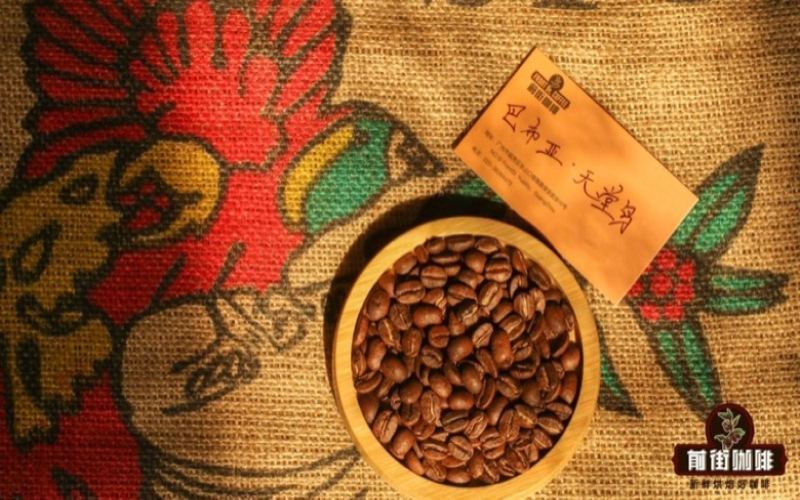
When it comes to coffee beans with rich, creamy body, many people first think of Mandheling. Indeed, Indonesian Mandheling is the representative of the rich and creamy style, but if you want to drink rich, creamy coffee, the producing regions to choose from are not limited to this one. Brazil, Papua New Guinea, and Jamaica each have their own expressions of richness and creaminess, and they are all worth trying one by one. Indonesia is a stronghold of the rich and creamy style. Sumatran [more…]
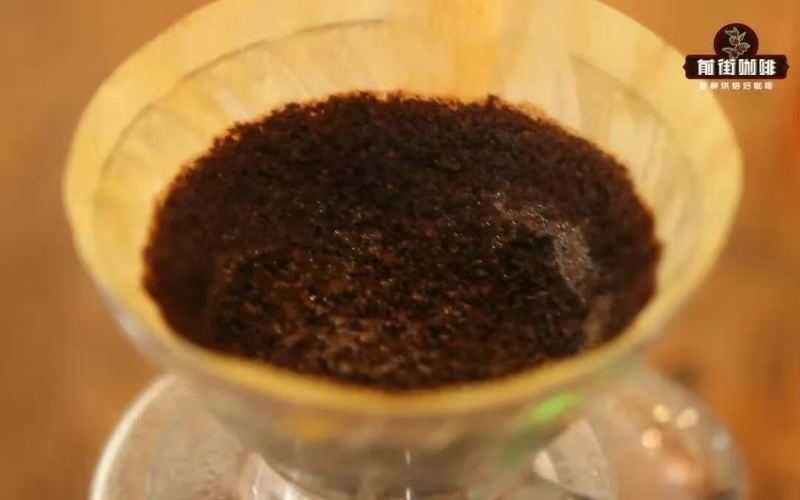
Coffee Shop Pour-Over Line Bean Configuration Plan
Compared to the espresso line, the pour-over line may not have as high a volume of cups in a coffee shop, but its value lies in: showcasing the store's professionalism, attracting coffee enthusiasts, and increasing the average transaction value. A reasonable pour-over line bean configuration should cover different flavor directions, giving customers choices and surprises. The three directions of pour-over line configuration. [more…]
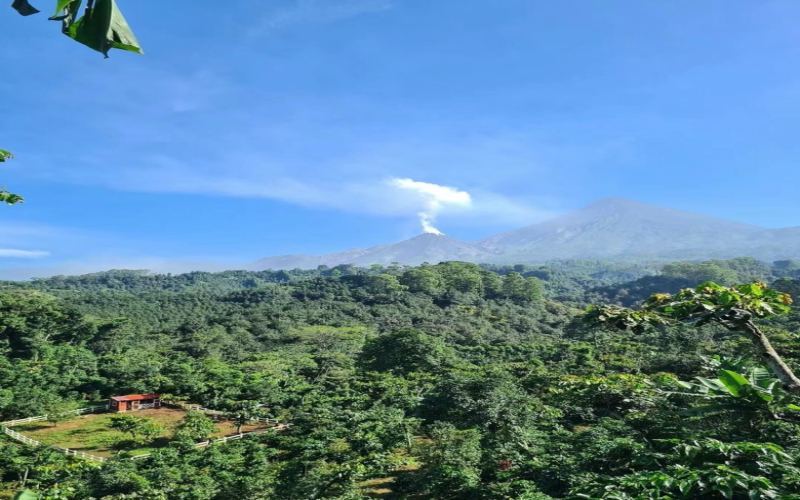
A Tour of Panama's Coffee Regions: Which Micro-Regions Exist Besides Hacienda La Esmeralda?
When people mention Panamanian coffee, most only have two words in mind: Geisha. After the Hacienda La Esmeralda Red Label Geisha rose to fame, Panama almost became synonymous with Geisha. But what is truly interesting is its complex terrain and scattered micro-regions—it is precisely these hills and valleys that have propelled Panamanian coffee to the forefront of specialty coffee. [more…]
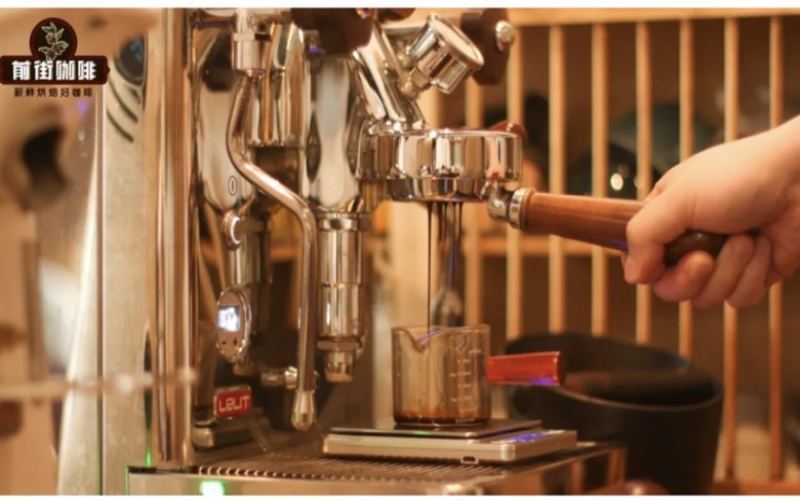
Bean Exploration on De'Longhi Machines: Performance of Blends and SOE
De'Longhi home espresso machines are not just for blend beans—using single-origin beans to make SOE also lets you experience the concentrated expression of a region's flavor in espresso form. On a De'Longhi machine, exploring step by step from blends to SOE, the flavor experience becomes richer and richer. The performance of blend beans on a De'Longhi machine is mainly about consistency. Front Street Coffee's classic blend uses a Mamba recipe [more…]