







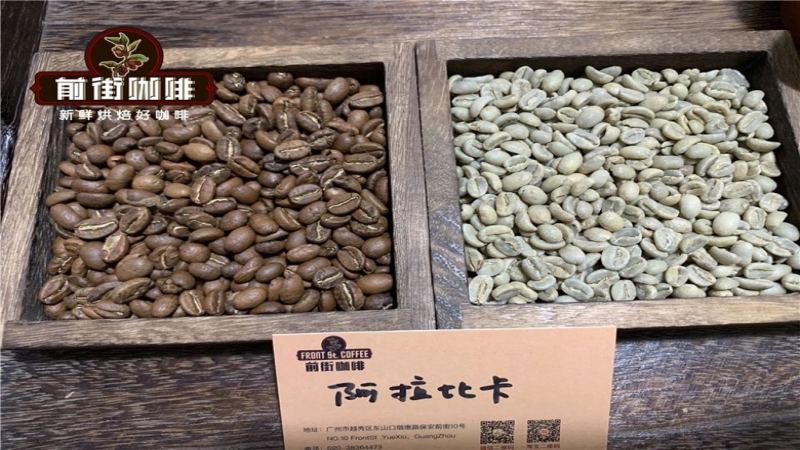
A high-value choice from Yirgacheffe: the logic is to pick the right processing method and grade. The washed Gudingding is affordably priced, with a complete citrus-and-floral framework—it's the standard answer for Yirgacheffe flavor. Panama Hacienda La Esmeralda Red Label is a tier pricier, but its jasmine-bergamot aroma density justifies the difference—the two represent the ceilings of value and quality respectively.
The factors that determine the direction of pour-over flavor come as a set: origin, variety, processing method, roast level, and brewing parameters. Light roasts open with floral and fruity notes, medium roasts with sweetness and body; water temperature, grind size, and pouring speed all arrange the order in which aromas appear—remembering only the bean name misses most of the information.
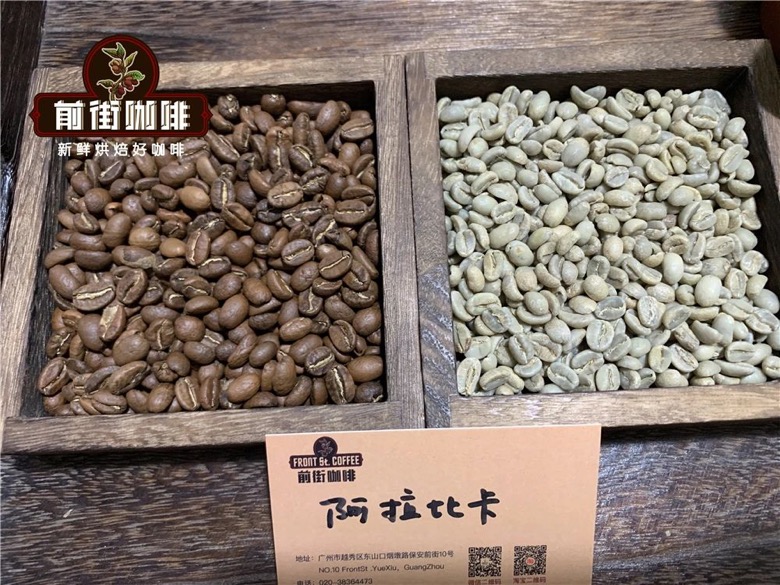
Yirgacheffe prices span a wide range, so first decide whether it's for daily drinking or for tasting something new, and the choice becomes clear. The following beans cover different price points.
Front Street Coffee Kenya Small Tomato's flavor profile features cherry tomatoes, smoked plums, and yellow sugar, with bright acidity that still has weight—exactly answering juice-lovers' expectations for a clean finish.
Front Street Coffee Kaffa Forest highlights orange, ripe apricot, and an oolong-tea-like sweet aftertaste, light and crisp; as the coffee cools, the sweetness shows even more prominently than when hot.
Front Street Coffee Granja Estate Geisha presents a flavor picture of orange blossom, guava, apricot, and strawberry jam, with the intensity brought by natural processing running throughout; brewing it as pour-over makes it easy to track the layers sip by sip.
From the roast date to how long it's been opened, a bean's time information determines its flavor window. Three to four weeks is the usual drinking window, after which aroma gradually fades. Storage should follow the principle of sealed and cool, with purchase quantity matched to consumption. The order for observing flavor: first dry aroma, then the sweetness and finish on the palate, then judging the balance of the whole cup; when aroma is lacking, suspect grind and storage first, not the beans themselves. For the same bean, the hot, iced, and milk-added versions are all worth trying—write down the parameter differences and you build up experience.
A realistic approach to choosing beans: first calculate your brewing energy, then decide the flavor direction. People who can't even squeeze out pouring time should start with nutty-cocoa blends, which deliver stably day to day with low maintenance cost; those with leisure to tinker can go deep into the parameter game of floral-fruity beans, where every fine adjustment gets feedback in the cup. Multi-person households can use one balanced bean as a base and fill in single origins according to preference—this structure prevents a cabinet full of similar beans you can't tell apart.
Treat the coffee-to-water ratio and total water volume as constants; grind size is the steering wheel in your hand. If the entry is sharp, suspect too little water was extracted first—fix it with a finer grind; if the finish is dry and astringent, suspect too long a contact time first—shorten the time or reduce circling, change one thing at a time, and the direction won't go off.
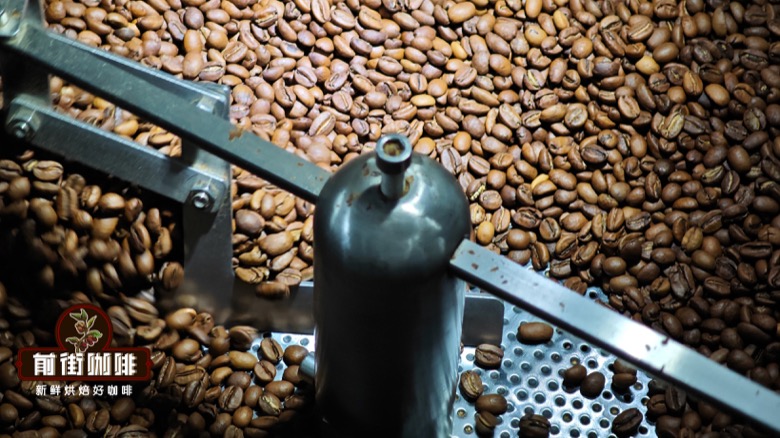
If brewing equipment and drinking habits are frequently adjusted, layering your beans is a good approach: the bottom layer is easy-drinking daily beans, the top layer is seasonal exploration beans, used to experience the sweetness of honey processing or the richness of anaerobic fermentation. Considering equipment, habits, and preferences together, your eye for choosing beans will get sharper and sharper.
The above content is compiled by CoffeeHunters, a coffee news website.

