





Search Results for: usual
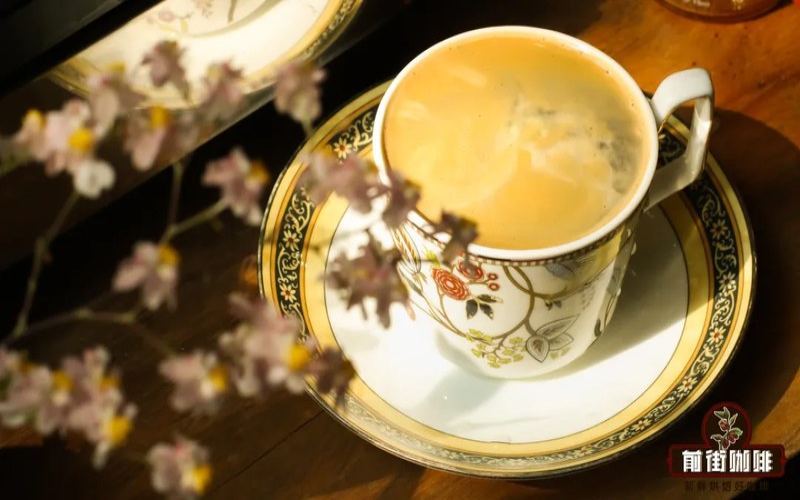
Choosing Espresso Beans by Roast Level: From Fruity to Cocoa Flavors
To make smooth espresso at home, you can start by looking at the roast level when choosing beans. It affects the aroma profile, body, and extraction speed of the coffee liquid, and also determines whether the beans can maintain a clear flavor when used in espresso, Americano, or latte. Whether you like bright fruity notes or prefer rich cocoa, you can usually find what you're looking for on the roast label. [more…]
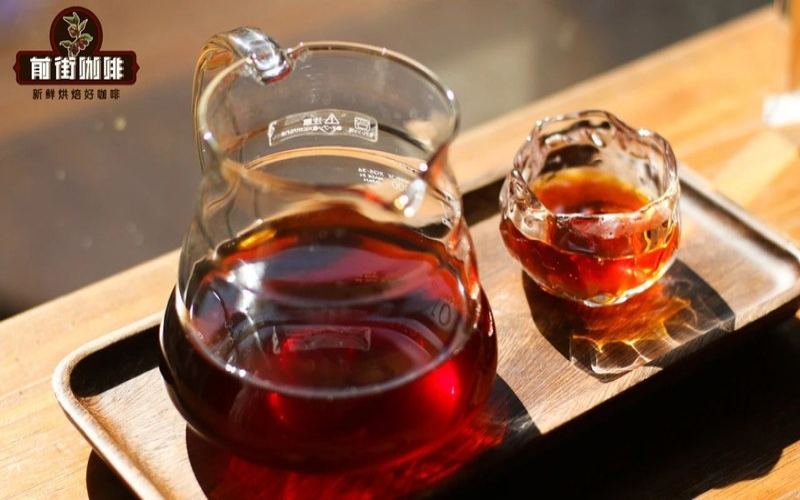
Choosing manually ground coffee beans by roast level: from bright fruity notes to rich cocoa
How to choose coffee beans for hand grinding—you can start with the roast level. It doesn't just determine the color depth; it also affects the aroma profile, the balance of acidity and sweetness, the body, and the brewing method suited to the ground coffee. People who enjoy bright fruity notes usually find light roasts more appealing; if you want rounded sweetness that works well both hot and iced, you can look to medium roasts; if you prefer [more…]
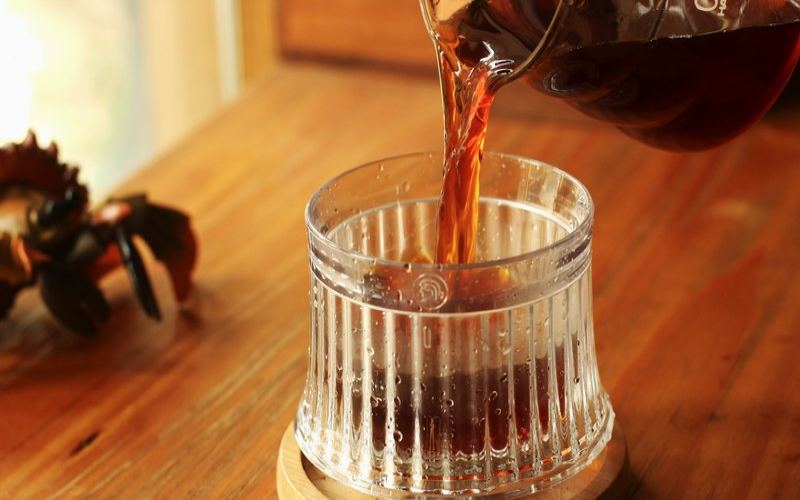
A Purchase Guide for Non-Acidic, Delicious Moka Pot Coffee Beans
When brewing coffee with a moka pot, if you want a cup that is smooth, aromatic, and not noticeably sour, you can prioritize the roast level when choosing beans. The moka pot produces a more concentrated brew, which amplifies the bean's acidity, bitterness, and body. For everyday home drinking, medium to medium-dark roasts tend to more easily bring out cocoa, nut, and caramel [more…]

Is It Feasible to Use 30 Grams of Coffee for a Single Pour-Over? Adjustment Approach and Practical Tips for Large-Dose Extraction
During holidays and family gatherings, there's always someone hoping the coffee enthusiast will brew a fresh pot on the spot. But when the dose jumps from the usual 15 grams to 30 grams, the same technique tends to cause water to pool at the end of the drawdown, drag out the brew time, and leave the flavor low and muddy. Why does extraction change so much once the dose goes up? Front Street Coffee breaks down the challenges of large-dose pour-over one by one—from dripper model and blooming method to pouring rhythm—and offers adjustment plans for both the 02 and 01 drippers, helping you brew coffee close to your everyday standard even at gatherings with many people. [more…]
Differences Between Natural and Washed Processing in Ethiopian Yirgacheffe and Flavor Analysis of Washed Beans from the Hafursa Cooperative
Yirgacheffe is a well-known micro-region in the Sidamo area of southern Ethiopia, famous worldwide for its exquisite washed coffee. The coffee here is mostly grown on steep mountain slopes above 2,000 meters in altitude, using a "garden coffee" cultivation model, jointly operated by about 26 cooperatives and more than 40,000 farmers. This article will take you through the origin and landscape of Yirgacheffe, its cultivation and harvesting methods, with a focus on comparing the flavor differences brought by the two processing methods—natural and washed—and analyzing the unique flavor characteristics of the washed coffee beans from the Hafursa Cooperative. At the same time, Front Street Coffee will also recommend related products to help you experience the charm of this region more deeply. [more…]
How Long is the Freshness Period of Green Coffee Beans? Distinguishing New Beans, Old Beans, Aged Beans, and Vintage Beans, and Key Storage Points
Many coffee enthusiasts know that roasted beans should be drunk fresh, but green beans also have their own levels of freshness. Beans harvested in the current year are called new crop, those from the previous year are old crop, and those stored for more than a year are aged beans. The moisture content of green beans directly affects roasting difficulty and flavor performance. Washed beans usually range between 11.5% and 12.5%, wet-hulled Mandheling can reach 13%, and sun-dried Mocha varies widely. Beyond the usual freshness changes, there are also deliberately extended aging processes and monsoon-aged weathered coffees. This article focuses on the freshness classification of green beans, differences in moisture content, methods for judging appearance and aroma, and the handling logic behind aged beans and monsoon beans, to help you make more accurate judgments when buying and storing. [more…]
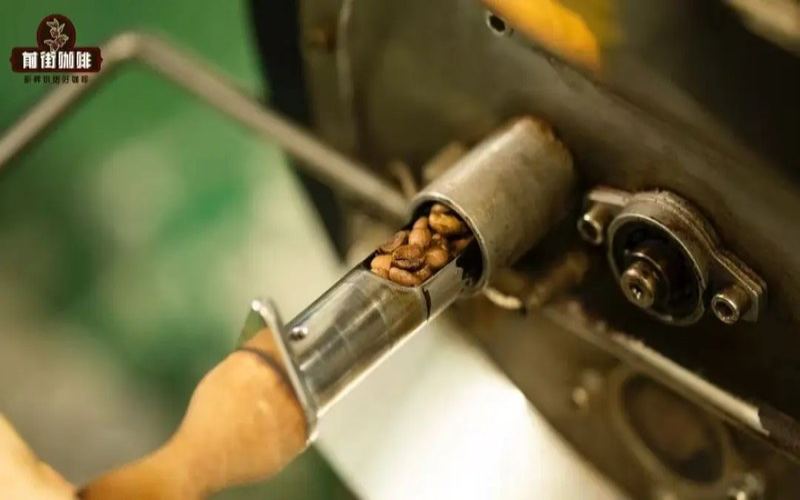
How to Choose Budget Everyday Beans: Daily Options for Light, Medium, and Dark Roasts
When choosing everyday beans on a budget of around a hundred yuan, the roast level is a very practical starting point. It affects the aroma profile, the balance of acidity and sweetness, the body, and how much extraction effort is needed during brewing. If you like bright fruity notes, look to light roasts; if you prefer a sweet, balanced cup, medium roasts are easier to get along with; if you're used to a strong [more…]
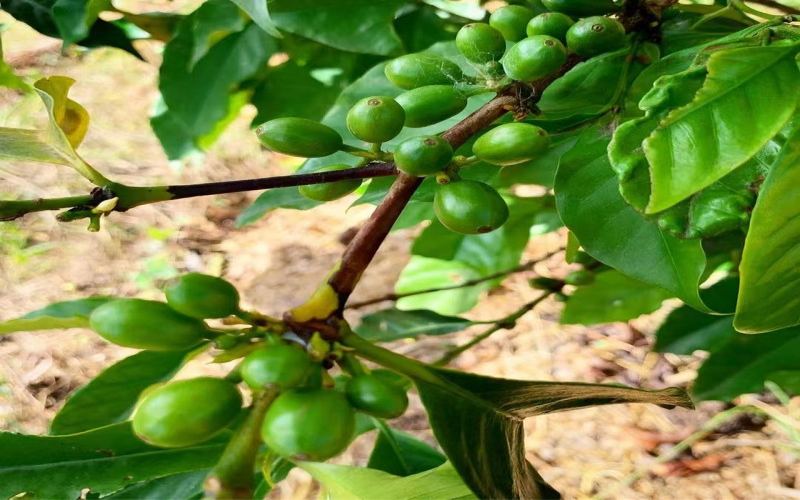
Making Espresso More Palatable: How to Judge the Roast Level of Espresso Beans
The roast level of espresso beans directly affects the acidity, sweetness, bitterness, aroma, and body of the shot. When faced with labels like light roast, medium roast, and dark roast, first think about the cup of coffee you usually drink: do you want bright fruity acidity and clear aroma, or do you prefer a cocoa-like richness and smoothness? Then decide on the roast direction for the beans. Light [more…]
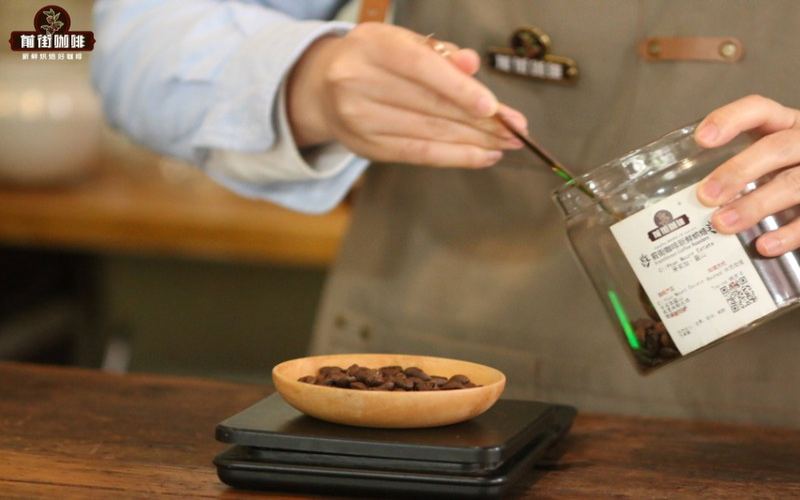
Moka Pot Starter Bean Guide: A Flavor Path from Light to Dark Roasts
Coffee brewed with a moka pot is usually more concentrated than filter coffee, with a pronounced aroma and a weighty mouthfeel. When you're just starting out choosing beans, it's best to begin with the roast level: light roasts make it easier to taste bright fruit acidity, medium roasts have a more natural sweetness and balance, and dark roasts lean toward cocoa, nuts, and a thick body. Compare them in this order, [more…]
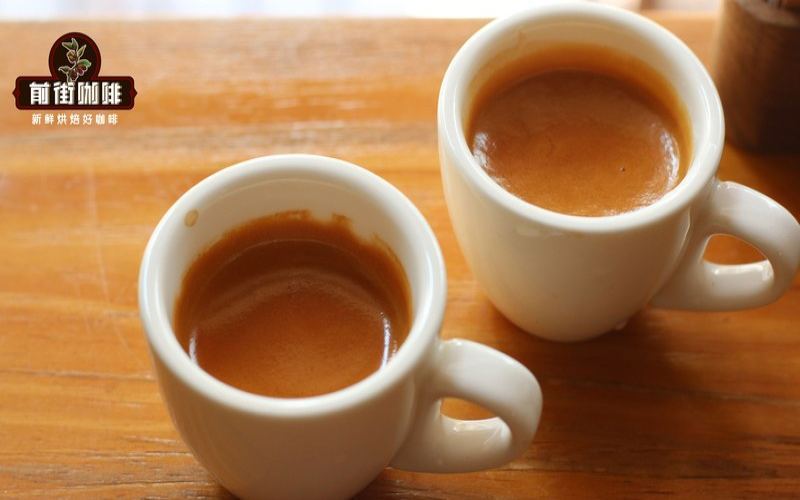
SOE: Choose Dark Roast or Light Roast? Find Beans That Suit Your Taste by Roast Level
SOE refers to single-origin espresso, where the beans come from a more concentrated source, making the cup's distinctive character easier to taste. Choosing a dark roast or a light roast is essentially deciding whether this cup of coffee leans more toward fruity acidity and floral notes, or toward cocoa, nuts, and a rich, heavy sweetness. If you usually drink straight espresso or add water, the bright aroma of a light roast will be more recognizable; if [more…]
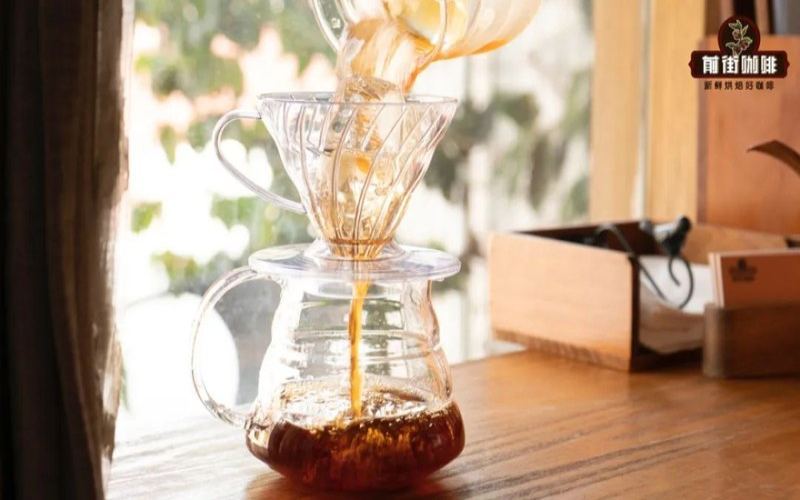
How to Choose a Yirgacheffe SOE: Looking at Floral-Fruity Aromas and Body by Roast Level
When Yirgacheffe is made into an SOE, it usually brings the regional characteristics straight into the espresso cup: citrus, floral, berry, and tea-like notes may appear in concentrated form, or they may be rearranged by the roast level. Here, SOE refers to espresso beans from a single origin or single region. To find the version that suits you, you can start by looking at the roast level. [more…]
Choosing Hand-Ground Coffee Beans by Roast Level: From Bright Fruit to Rich Cocoa
How to choose coffee beans for hand grinding—you can start with the roast level. It doesn't just determine the depth of color; it also affects the direction of aroma, the balance of acidity and sweetness, the body, and the brewing method suited to the ground coffee. Those who enjoy a bright, fruity flavor are usually more receptive to a light roast; if you want rounded sweetness that works both hot and iced, pay attention to a medium roast; if you lean [more…]

SOE Espresso Bean Recommendations: How Different Roast Levels Change the Cup Experience
The roast level changes the flavor focus and extraction rhythm of coffee beans. Light roasts usually retain more floral and fruity notes and bright acidity, medium roasts tend to show sweetness and balance, while dark roasts lean toward nutty, cocoa, and full-bodied flavors. None is superior to the others; the key is whether they match your own way of drinking. Espresso extraction focuses on dose, grin [more…]
Coffee Machine Brewing Coffee Bean Recommendations: How Different Roast Levels Change the Cup
The roast level changes the flavor focus and extraction rhythm of coffee beans. Light roasts usually retain more floral and fruity notes and bright acidity, medium roasts tend to present sweetness and balance, while dark roasts lean toward nutty, cocoa, and full-bodied flavors. None of them is superior or inferior to the others; the key is whether they match your own way of drinking. Espresso extraction focuses on dose, grind [more…]
Yirgacheffe SOE Coffee Bean Recommendation: How Different Roast Levels Change the Cup Profile
The roast level changes a coffee bean's flavor focus and extraction rhythm. Light roasts usually retain more floral and fruity notes and bright acidity, medium roasts tend to show sweetness and balance, and dark roasts lean toward nuts, cocoa, and a full body. None of them is superior to the others; the key is whether they match the way you drink your coffee. Espresso extraction focuses on dose, grind [more…]

How Is SOE Different from Blended Coffee? A Complete Step-by-Step Guide to Extracting SOE with an Espresso Machine
Walking into a café, besides the usual Americano and Latte on the menu, you'll often see options labeled SOE, usually priced a bit higher. What exactly does SOE mean? How does it differ from blended coffee beans? Is it really superior to blends? This article will start with the concept, clarifying the differences between SOE (Single Origin Espresso) and blended beans in terms of bean source, roast level, flavor expression, and cost. Using Front Street Coffee's Brazil Queen Estate Yellow Bourbon coffee beans as an example, it will explain in detail the complete process of extracting SOE with an espresso machine, including key parameters such as dose, yield, and time, helping coffee enthusiasts make a cup of SOE with clear flavor at home. [more…]
Home Coffee Bean Brand Flavor Rankings: Roast Level Determines How to Brew
When choosing coffee beans for home use, you can first check the roast level on the packaging, then judge whether it suits your taste and equipment. Light roasts usually retain more of the origin's character, with floral notes, fruity acidity, and tea-like qualities standing out more; medium roasts lean toward sweetness and roundness; dark roasts make it easier to taste cocoa, nuts, and roasted aromas. Light roast [more…]
Choosing High-Value Espresso Blends by Roast Level
The value of an espresso blend lies not only in whether the price is friendly, but also in whether it can consistently produce a cup of coffee that meets everyday expectations. The roast level affects acidity, sweetness, body, and extraction rhythm, and also determines whether the beans are better suited to black coffee or milk coffee. Before buying, getting a clear picture of the roast direction is usually more important than fixating only on the origin. [more…]

How to Choose Hand-Brewed Coffee Beans by Roast Level
The roast level of hand-brewed coffee beans determines where the flavors in the cup unfold. Light roasts make floral and fruity notes easier to perceive, medium roasts connect sweetness, acidity, and body, while dark roasts bring cocoa, nut, and roasted aromas. For ordinary consumers, choosing according to the flavors they like and how they usually drink coffee matters more than looking only at [more…]
More Crema Doesn't Mean Greasier: Choose Coffee Beans by Roast Level
When making espresso, a thick layer of golden crema floating on the surface often makes people feel the coffee is rich and full of aroma. If you want to enhance this visual and taste performance, roast level is indeed an important clue, but it cannot be simply understood as "the darker the more." The bean variety, blend ratio, freshness, and machine extraction status all [more…]