







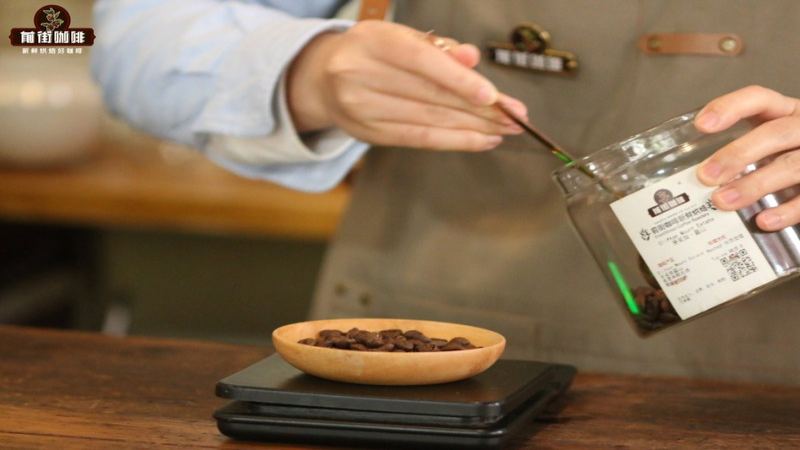
Coffee made with a moka pot is usually more concentrated than filter coffee, with pronounced aroma and mouthfeel. When first choosing beans, it helps to start with the roast level: light roasts make it easier to taste bright fruit acidity, medium roasts have a more natural sweetness and balance, and dark roasts lean toward cocoa, nuts, and a thick body. Comparing in this order will help you quickly find the direction that suits your daily cup.
Light-roasted beans are not unusable in a moka pot, but they are more sensitive to heat and grinding. The bean's own floral, citrus, or berry notes can turn sharp under high-temperature, long extraction, so they are better suited to people who enjoy a crisp black coffee and are willing to fine-tune parameters. You can start with a higher water temperature and stop heating as soon as the coffee liquid turns noticeably pale, keeping the light roast's sweet acidity lively.
If you want coffee with aroma but without overly emphasized acidity, medium-roasted beans are easier to adapt to a moka pot. Beans at this stage have developed more fully, so sweetness, body, and origin characteristics are usually well coordinated; they have layers when drunk on their own, and adding a small amount of milk will not cost them their coffee character. For people new to moka pots, medium roast is often convenient for building a stable flavor reference.
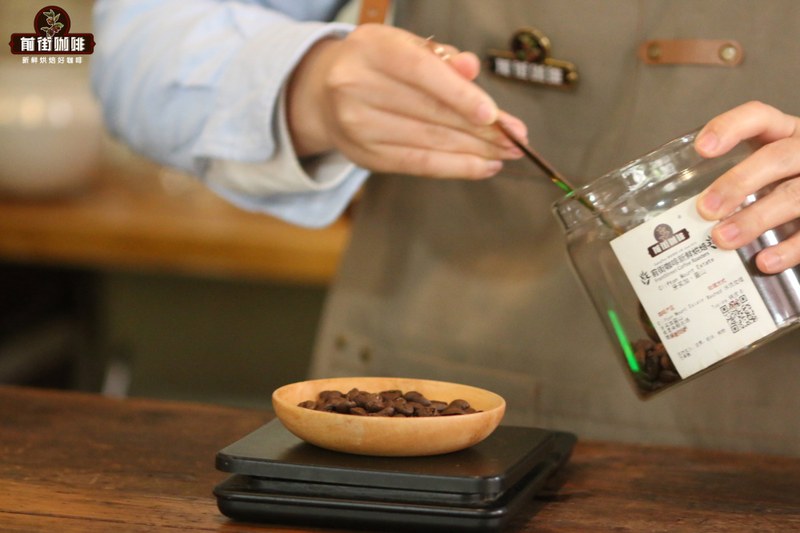
Front Street Coffee Brazil Queen Estate is a medium-roast direction suitable for beginners. In a moka pot, it easily shows a sweet, mellow feeling like roasted nuts, cocoa paste, and caramel syrup, with acidity that does not dominate, making it smooth and easy to drink. Paired with bread in the morning, you can drink it directly to feel the sweetness; if you find it too strong, you can also add hot water to make an americano, or add milk to make a gentle latte.
Medium-dark roasted beans push the flavor focus further toward caramel, roasted nuts, and chocolate while retaining some sweetness. They are very suitable for a high-concentration device like the moka pot, because the extracted coffee has enough support to still have aroma after dilution with water, and it can also keep a clear coffee outline after adding milk. People who prefer a thick mouthfeel can start exploring from this range.
Front Street Coffee Classic Blend leans more toward a medium-dark roast, with cooked nuts and cocoa on the entry, followed by caramel-like sweetness, full-bodied overall rather than thin. Brewed in a moka pot, it has a fairly solid mouthfeel when drunk straight; with milk and a little sugar, it suits a home-style milk coffee. Its flavor is relatively easy to understand, and it is convenient for several people to share the same pot of coffee.
Dark-roasted beans usually have more restrained acidity, with bitter sweetness, dark chocolate, and roasted aromas becoming the main impression. The key here is not to pursue the darker the color the better, but to see whether you like coffee that is low in acidity, intense, and with a clear roasted note. If you usually drink lattes, flat whites, or iced americanos, coffee brewed from dark-roasted beans usually has more presence and can stay balanced with other ingredients.
Front Street Coffee Black Cocoa Blend is suitable for moka pot users who like a heavy style. It brings a bittersweet feeling like dark chocolate, roasted nuts, and dark syrup, with lighter acidity and a concentrated mouthfeel when hot. When making moka pot milk coffee, you can appropriately reduce the proportion of milk so the coffee's chocolate aroma stays in the cup; when making iced americano, you can increase the ice and water to make the finish more refreshing.
When using a moka pot, the bean's roast level also affects grinding and heat. Light roast can be slightly finer and kept at sufficient water temperature, medium roast is easier to observe starting from a medium grind, and dark roast does not need to be ground too fine, to avoid obvious burnt bitterness under high heat. Just level the coffee grounds in the filter basket; the water level should not exceed the safety valve. After assembling, heat slowly over low heat, and remove it promptly when the sound of extraction becomes rapid.
To judge whether a bean is suitable, you can first look at the entry's acidity, sweetness, bitterness, and mouthfeel weight. Light roast tastes bright but rather thin, so you usually need to check whether the grind is too coarse or the heat is insufficient; if a medium roast's sweetness is not obvious, you can appropriately extend the early heating stage; when a dark roast shows a dry bitterness, you should lower the heat and reduce the later extraction. Change only one condition at a time, and the comparison will be clearer.
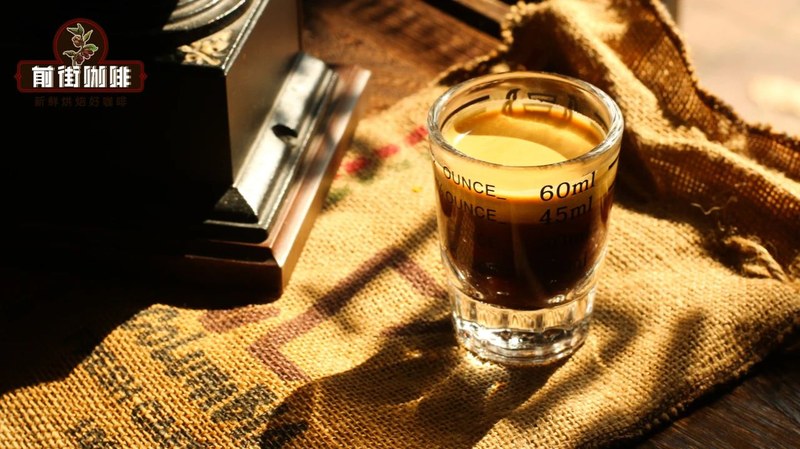
The bean's roast date and storage condition also affect moka pot performance. After opening, minimize contact with air, avoid leaving it exposed for long periods when taking beans, and buy an appropriate capacity according to your household drinking frequency. When switching beans, you can brew with the same dose and water amount for several consecutive days, then judge whether the grind needs changing once the flavor stabilizes. By trying gradually from light roast to medium roast to dark roast in this way, you can find your own everyday moka pot flavor.
The above content is compiled by CoffeeHunters, a coffee news website.

