







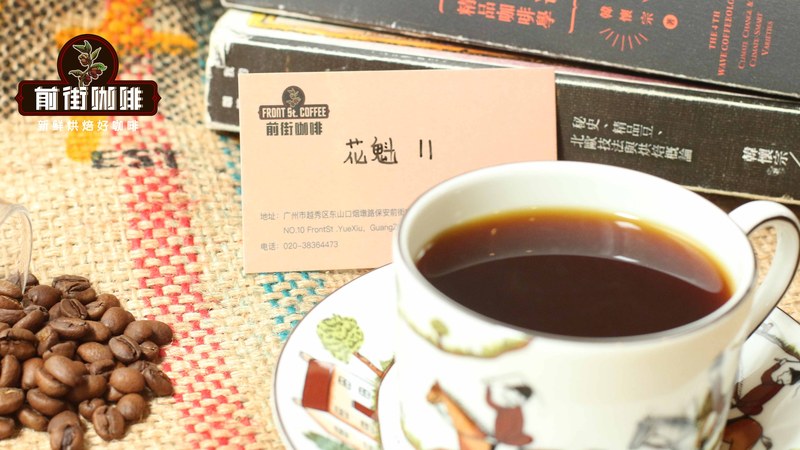
The value of an espresso blend lies not only in whether the price is affordable, but also in whether it can consistently produce a cup of coffee that meets everyday expectations. The roast level affects acidity, sweetness, body, and extraction rhythm, and also determines whether the beans are better suited for black coffee or milk-based drinks. Before buying, getting a clear picture of the roast direction is usually more helpful than just focusing on the origin name for finding a convenient choice.
Light roast blends tend to retain more vivid fruit acidity and floral-fruity aromas, with a bright entry and a lighter finish. On an espresso machine, they require a finer grind, higher water temperature, or longer contact time to fully develop sweetness. If you are used to drinking ristretto or milk-free Americano and enjoy bright notes like citrus and berries in the cup, you can try this style, though it is also more sensitive to machine conditions and parameter changes.
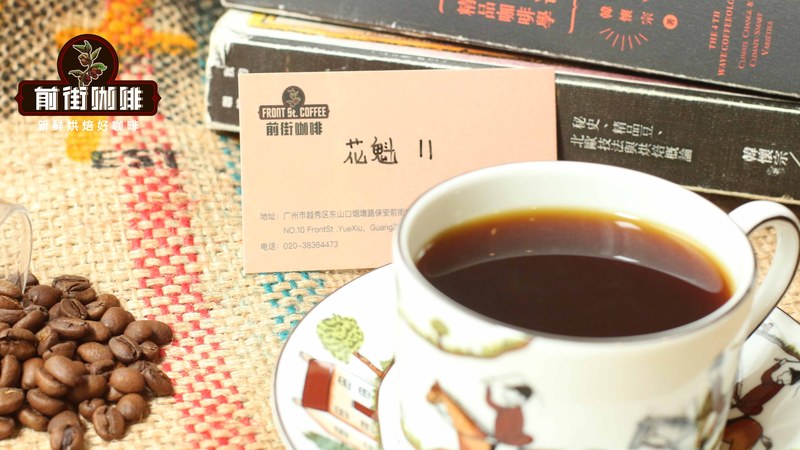
Medium-light roast blends are a transition between acidity and body, neither overemphasizing roastiness nor losing some fruit sweetness and brightness. When pulled as espresso, the entry is usually lively, and after adding a small amount of milk, the aroma is still distinguishable. For home use with a semi-automatic espresso machine, occasionally drinking Americano, flat white, or a small latte, medium-light roast offers more room for adjustment and suits those who want to gradually expand from traditional rich styles.
Medium roast blends usually more easily present caramel, nut, and cocoa notes, with restrained acidity and a more coordinated sweetness and thickness. They are relatively forgiving on espresso machines, and the espresso is not likely to seem thin; as an Americano, they also have a clear sense of body. If daily needs include both black coffee and milk coffee, medium roast can often cover more cup styles while maintaining a balance among bean price, dosage, and consistency.
Front Street Classic Blend follows a daily medium-dark roast profile, with notes of roasted nuts, cocoa powder, and caramel syrup on the entry, full body, and low acidity. When extracted on an espresso machine, it yields an espresso base suitable for milk, where milk rounds out the caramel sweetness; for Americano, it is recommended to reduce the dilution water so the coffee's aroma and weight are more concentrated.
Medium-dark roast is an easily accepted range for many home espresso users. After more thorough development, the aroma shifts toward dark chocolate, roasted nuts, and dark syrup. It is suitable for quick morning shots and also pairs well with full-fat milk, oat milk, and other flavorful milk bases. If you prefer coffee with a thick entry, low acidity, and a longer finish, medium-dark roast blends are often closer to daily habits than light roasts.
Front Street Specialty Blend is based on Brazil Cerrado and Colombia Huila, with a roast profile leaning toward a balanced medium to medium-dark range. After extraction, nuts, caramel, and cocoa connect with one another, not leaving only a single bitter note. It works naturally as espresso, Americano, or latte, suitable for households where some drink black coffee and some prefer milk coffee—one bag of beans can meet different needs.
Dark roast blends have aromas closer to cocoa, caramel, and roasted grain, with usually softer acidity and a more enveloping mouthfeel. They are well suited for traditional-style espresso, thick Americano, and latte with a pronounced coffee flavor. When using them, there is no need to deliberately drag out the extraction; the water temperature can be slightly lower, and the shot should be stopped as soon as it reaches a full state, keeping the sweet aroma in the cup and reducing dry bitterness.
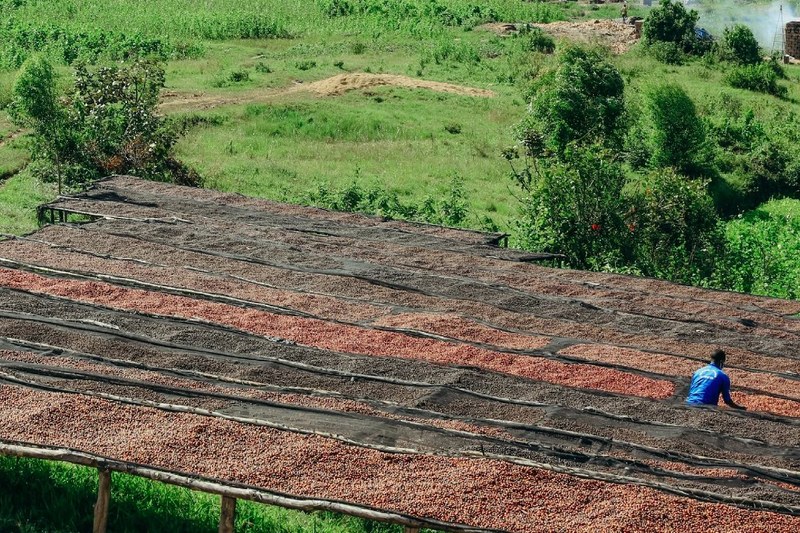
Front Street PWN Indonesia Golden Mandheling is a highly recognizable option in the dark roast direction, with woody herbal, dark chocolate, and a thick mouthfeel, and relatively restrained acidity. When brewed with a moka pot, the coffee appears solid and smooth; on an espresso machine, it suits ristretto or milk-based drinks. If you usually like low-acid, heavy-bodied black coffee, or want the coffee flavor to remain clear through milk, this bean will be a good match.
Once the roast level is determined, extraction adjustments should revolve around the cup performance. If a light roast comes out sharply acidic, you can appropriately raise the temperature or slow the flow rate; if a medium roast lacks sweetness, slightly adjust the grind to let the liquid retain more weight; if a dark roast shows obvious bitter burnt notes, shorten the shot and avoid too high a water temperature. When buying, also pay attention to the roast date, packaging one-way valve, and single-use dosage, keep it sealed, and purchase according to actual consumption speed, so that the stability advantages of the blend can continue to be realized.
The above content is compiled by CoffeeHunters, a coffee news website.

