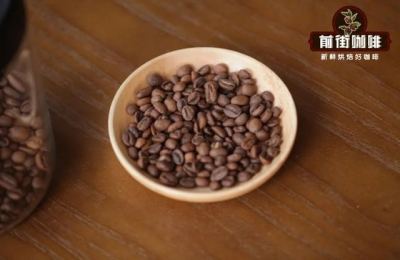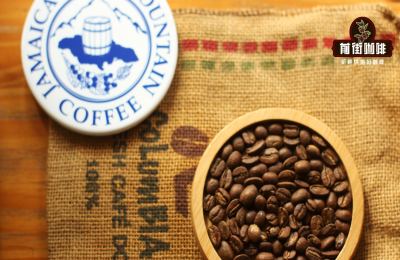
How to choose hand-ground coffee beans? You can start with the roast level. It doesn't just determine the depth of color; it also affects the aroma direction, the sweet-to-sour ratio, the body thickness, and the brewing method best suited to the ground coffee. Those who enjoy bright fruity notes are usually more receptive to light roasts; those who want rounder sweetness that works both hot and cold can look to medium roasts; those who prefer rich, full-bodied flavor and milk coffee can turn their attention to medium-dark or dark roasts.
Light-roasted beans retain more characteristics of their origin and variety. When ground, you can often smell floral, citrus, berry, or tropical fruit notes; the sip is bright, and the finish has more layers. They suit pour-over and iced pour-over—brewing methods that emphasize aroma. If you usually drink black coffee and are willing to slowly distinguish aroma changes, light-roasted beans will offer a richer cup experience.

Front Street Coffee Kaffa Forest can serve as a reference for the light-roast fruity direction. After brewing with hot water, it commonly shows orange-like clean sweetness and ripe apricot-peach notes. As it cools, the tea-like quality and sweetness gradually become clearer. When hand-grinding, don't start too fine; begin with a medium-fine grind to let the aroma open up first. If the sip tastes a bit thin, tighten the grind slightly, and the sweetness usually becomes more concentrated.
Light-roasted beans are more sensitive to brewing water quality, temperature, and grind uniformity, which makes the stability of a hand grinder important. It's advisable to first choose a grind setting with relatively even particle distribution, then adjust the flavor through water temperature and pouring speed. If the cup has only sharp acidity, it usually needs more extraction; if the finish tastes astringent, you can reduce agitation or make the later pours gentler.
Medium-roasted beans sit more in the middle in terms of flavor—fruity notes don't disappear entirely, while caramel, honey, nut, or cocoa-like sweet aromas are added, making the sip rounder. They're friendlier to hand-grinding beginners, have clarity in pour-over, and don't taste thin as an americano. If your drinking methods at home often vary, medium-roasted beans can often cover more cup styles.
Front Street Coffee Colombia Cidra suits those who enjoy a juicy quality while wanting the coffee to keep a vivid aroma. During brewing, passion fruit, blueberry, grape, and apricot-peach notes appear in turn, and after cooling there's still lively sweet acidity. Pour-over can highlight the layers; adding ice makes it more like a refreshing fruit drink. If you use an espresso machine to make an SOE, the shot can also retain a fairly distinct fruit character.
When choosing medium-roasted beans, you can check whether the flavor description on the packaging includes both fruit and nut, caramel, and similar words. The former brings freshness, while the latter supports the body. When the ratio of the two is right, it will be more enjoyable for daily drinking. For hand grinding, you can start from a medium-fine setting, keep the water temperature within the usual range, and then make small adjustments based on flow rate and sip impression—there's no need to change multiple conditions frequently.
Medium-dark roasted beans are darker in color, and the aroma gradually shifts from fresh fruit to caramel, roasted nuts, cocoa, and dark sugar. Acidity is usually more restrained, and the body has more weight, making them suitable for moka pots, espresso machines, and those who want a hot americano. When hand-grinding these beans, the powder tends to cling to the burrs and the grounds cup. Clean promptly after grinding, and the next grind will be smoother.
Front Street Coffee Black Cocoa Blend suits those who prefer darker flavors. In the sip, you can feel a dark-chocolate-like richness, along with roasted nuts and solid sweetness. It has good support as an espresso; after adding water, it still has a clear coffee character, and with milk it becomes smooth and full. If brewing with a moka pot, the heat should be gentle—when you see the liquid color turn lighter, you can stop heating.
Dark-roasted beans are not synonymous with heavy bitterness; the actual cup also depends on grind coarseness, water temperature, and contact time. When hand-grinding, start from a slightly coarser setting to avoid over-blocking the coffee bed. After brewing, first taste the sweetness and body, then decide whether the parameters need changing. For storage, sealing, keeping away from light, and avoiding humid environments help keep the roasted aroma and cocoa character more stable.
When choosing beans by roast level, light roast suits exploring floral, fruity, and tea-like notes; medium roast suits seeking a balance of sweet, sour, and mellow; medium-dark and dark roasts are closer to everyday rich flavors. When hand-grinding, besides looking at flavor words, also consider the equipment you commonly use, whether you add milk, and how much brewing time you're willing to invest. Only by finding a roast direction that matches your habits will coffee beans more easily show a clear and comfortable performance in your daily cup.
The above content is compiled by CoffeeHunters, a coffee news website.