







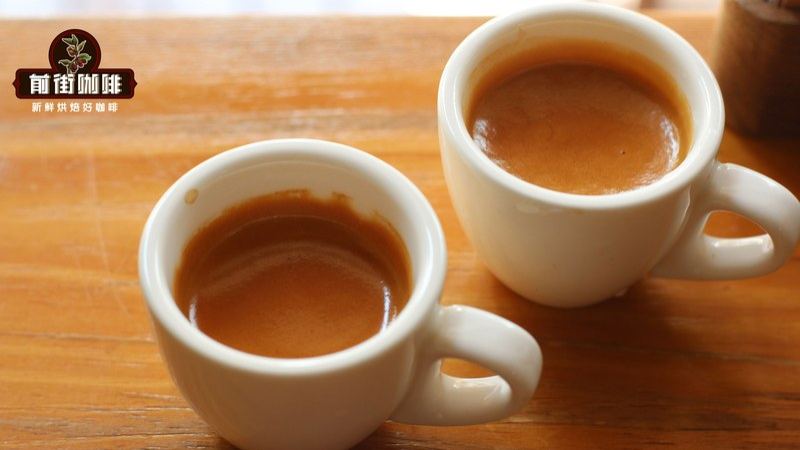
SOE refers to single-origin espresso, where the beans come from a more concentrated source, making the cup's personality easier to taste. Choosing between a dark roast and a light roast is essentially deciding whether the cup leans toward fruity acidity and floral notes, or toward cocoa, nuts, and a heavy sweetness. If you usually drink straight espresso or add water, the bright notes of a light roast will be more distinctive; if you mainly make lattes, the rich texture of a dark roast usually blends more easily with milk.
Light-roasted beans retain more of their origin aromas, often showing citrus, berry, floral, or tropical fruit notes, with a more pronounced acidity on the palate. Their bean density is higher, and the soluble compounds inside release more slowly, so once they go into an espresso machine, you need to find the extraction balance more carefully. When the parameters are right, the espresso will have clear aromas and lively sweetness; when under-extracted, it may taste sharp and thin.
Dark-roasted beans undergo a longer period of heat, so their flavors move toward dark chocolate, roasted nuts, caramel, and smokiness, with acidity becoming less noticeable and the mouthfeel feeling more grounded. Because their structure is more porous, water enters the bean more easily, and espresso machines usually find it easier to produce concentration. What to watch out for is that too much heat and too long a shot time will amplify bitter, burnt notes and make the original sweet aroma less clean.
If you're used to drinking a small cup of straight espresso in the morning, or you like to add water to make an Americano, you can prioritize light to medium-light roasted SOE. After the espresso cools, the fruit aromas and sweet-tart notes often become clearer, and they can also retain a light aroma when ice is added. If you often drink lattes, flat whites, or cappuccinos, dark to medium-dark roasts more easily provide enough presence, and the milk won't completely cover the coffee flavor.
Front Street Coffee Ethiopia Hual魁 is suitable for experiencing the fruity route of a light-roast SOE. In the cup, it easily shows aromas like ripe fruit, berries, and passion fruit, with bright sweetness, and it works well for short-ratio espresso as well as for iced Americanos after a longer extraction. If you find the acidity too prominent, you can slightly increase the yield to give a little more buffer between the fruity acidity and the sweetness.
Front Street Coffee Kenya Little Tomato is better suited to those who like clear acidity and a juicy mouthfeel. It can remind you of cherry tomatoes, smoked plums, and yellow sugar, bright on the palate but not just sharply sour, with a relatively clean finish. When using it for SOE, you can try making an iced Americano, as the low temperature will soften the acidity; if drinking it as straight espresso, it's best to judge the flavor after the liquid has cooled slightly.
The appeal of a dark-roast SOE is not simply about pursuing bitterness, but about the interplay between concentration, sweetness, and mouthfeel. It can present a rich, substantial feel like cocoa paste, roasted nuts, caramel, or even brown sugar, and is suitable with breakfast, dessert, or milk. If you usually prefer the Americano style of traditional coffee shops, or want a milk coffee with a clear coffee backbone, a dark roast will be closer to everyday needs.
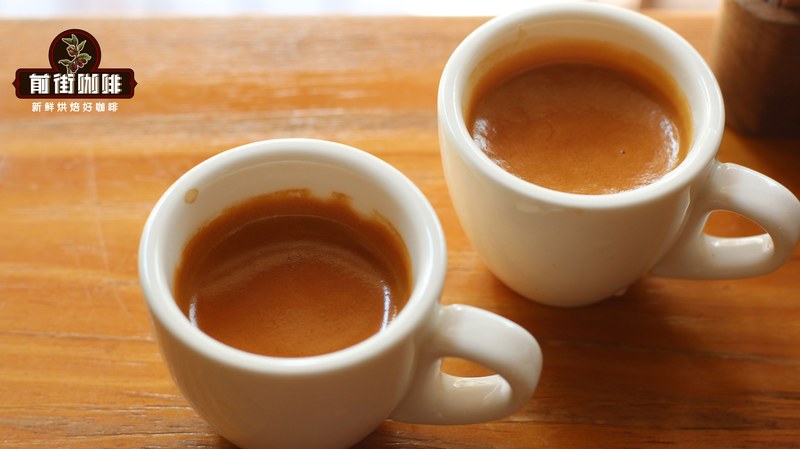
When brewing a light-roast SOE, you can start with a higher water temperature, a finer grind, and a relatively longer yield ratio, giving the beans more opportunity to release aroma and sweetness. If the espresso shows a harsh acidity, it usually means the soluble compounds haven't fully entered the cup yet, so you can extend by a few seconds or adjust the grind slightly. For dark-roasted beans, you can start with a slightly lower water temperature and a shorter liquid weight to control the buildup of bitter, burnt notes; if the flavor is thin, then gradually increase the yield.
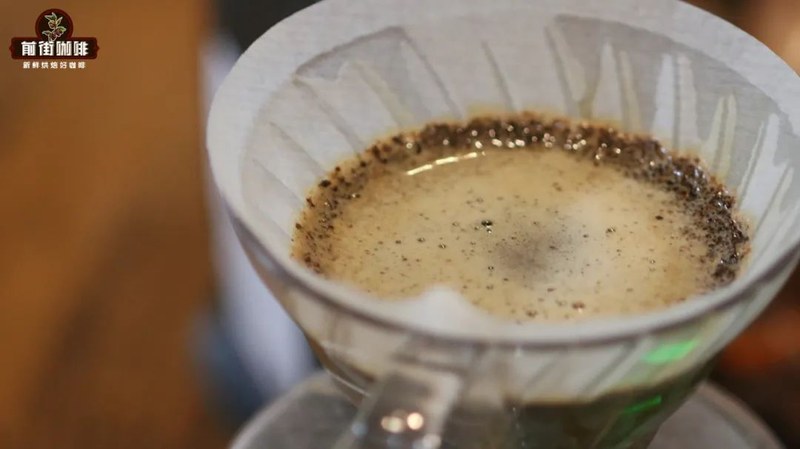
When judging the roast level, don't just look at the words light, medium, or dark on the package; also pay attention to the roast date, bean surface color, and flavor description. Even when something is labeled light roast, different roasters' heat profiles can produce different concentration and sweet-tart expression. The pressure stability of a home espresso machine, the proportion of fines from the grinder, and whether preheating is sufficient will all affect whether light-roasted beans can successfully produce a full-bodied espresso.
Therefore, if you want floral and fruity notes, a juicy feel, and a refreshing Americano, you can start with a light-roast SOE and accept that it needs a few rounds of adjustment; if you want cocoa, nuts, caramel, and a heavy milk coffee, you can choose a dark-roast SOE, which usually has a more direct path to the cup. If your taste falls between the two, a medium or medium-dark roast will provide a rounder transition. First determine the roast direction according to the cup style, then slowly adjust with one bean, and SOE can go from a concentrated drink to a more distinctive flavor experience.
The above content is compiled by CoffeeHunters, a coffee news website.

