







What Does SOE Coffee Mean and How Is It Extracted?
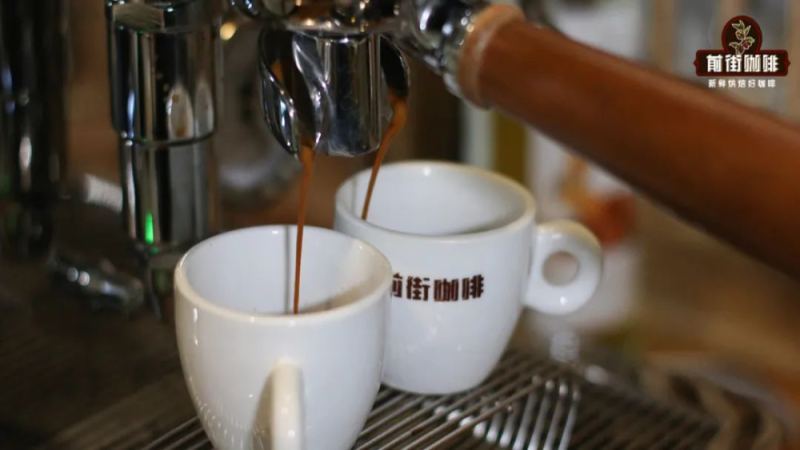
SOE stands for Single Origin Espresso, meaning espresso pulled from beans of one origin. That origin can be as broad as a country or as narrow as a region, cooperative, estate, or farm, as long as the coffee comes from the same harvest batch. Cafés often list SOE drinks at a slightly higher price than their standard Americano or Latte.
The main contrast with blended beans lies in bean source, roast level, flavor expression, and cost. A blend is built for consistency across milk drinks, while an SOE is meant to show the personality of one origin. Extracting one at home comes down to controlling dose, yield, and time on the espresso machine, using a single-origin bean such as a Yellow Bourbon from Brazil's Queen's Estate.
Walking into a café, besides the usual Americano and Latte on the menu, you'll often see options labeled SOE, usually priced a bit higher. What exactly does SOE mean? How does it differ from blended coffee beans? Is it really more premium than a blend? This article will start with the concept, clarifying the differences between SOE (Single Origin Espresso) and blended beans in terms of bean source, roast level, flavor expression, and cost. Using Front Street Brazil Queen's Estate Yellow Bourbon coffee beans as an example, it will explain in detail the complete process of extracting SOE with an espresso machine, including key parameters such as dose, yield, and time, helping coffee enthusiasts make a cup of SOE with clear flavor at home.
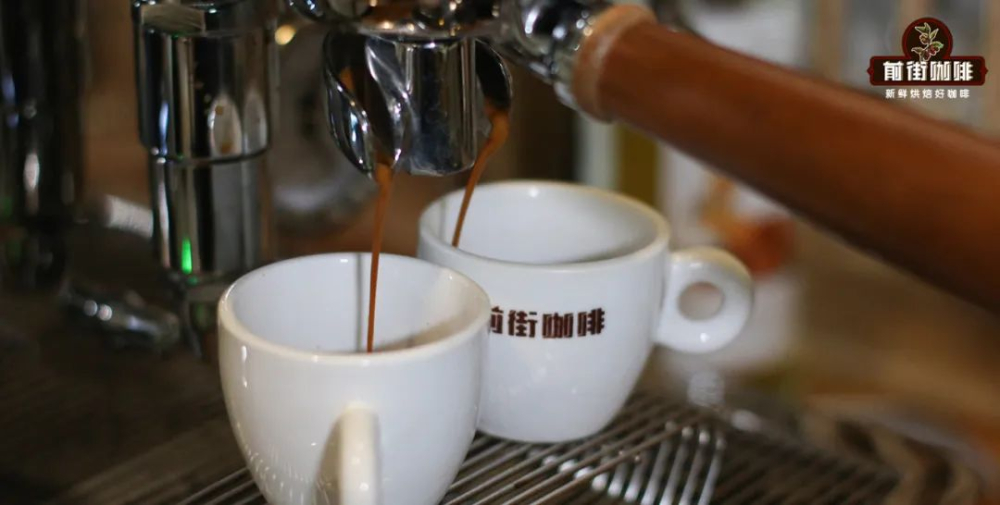
These days, coffee shops are opening up more and more densely on every street corner, and the espresso drinks on their menus are all over the place, leaving consumers often unable to decide after looking for a long time. To differentiate themselves, many shops will simultaneously offer several SOEs for customers to choose from, and emphasize their flavor profiles in the descriptions. So a friend asked: What exactly does SOE mean? How is it different from the "regular beans" we usually talk about?
S=single O=original E=espresso
SOE refers to espresso extracted from coffee beans of a single origin. The definition of "origin" can be as broad as a country, or as narrow as a specific region, cooperative, estate, or even farm—as long as the coffee is from the same harvest batch, it falls under the category of single origin coffee. Take a café as an example: the dozens of different origin coffees listed on the blackboard on the left side of Front Street's bar are all single origin, usually presented as pour-over. Single origin coffee is built on the concept of specialty coffee, with the core of highlighting the personality of the origin, so it is also regarded as a type of specialty coffee. In the past, it mostly appeared in cafés in pour-over form, but as the single origin concept continues to heat up, more and more single origin beans are being used to make espresso.
People who often drink Americano or Latte should know that these coffees all come from the same espresso machine, and baristas can often complete the drink in two or three minutes, much faster than pour-over. Espresso is extracted quickly under extremely fine grinding, high temperature, and high pressure. The concentrated liquid gathers multiple tastes, and various flavor compounds stimulate the taste buds exponentially, so it is usually diluted with ice water or milk before drinking.
Corresponding to SOE is Front Street Espresso Blend. A blend uses coffee beans from more than two origins combined, usually with a medium-dark roast, and the finished product presents a balanced and rich aroma. Both SOE and blends are concepts within the espresso coffee system. Shops that offer SOE are simply switching the beans to a single origin, such as Ethiopia's Front Street Yirgacheffe or Front Street Huakui. To distance themselves from traditional blended beans, the market often chooses beans with a lighter roast to amplify acidity and fruity notes, and repeatedly emphasizes this when ordering, thereby guiding customers to be willing to switch to SOE.
Is switching to SOE necessarily more premium than a blend?
When customers switch the coffee base to SOE, they often have to pay a few extra yuan, so many people subconsciously think "SOE must be a grade higher than blended beans." But the actual situation is not like that. SOE only indicates that the beans come from a single origin; it does not mean the quality is better, nor does it mean the taste is necessarily better than a blend.
To this day, the vast majority of cafés still use espresso blends as their main product. The reason blends can become the market mainstream is that they can both lower raw material costs and provide stable extraction performance for daily output, while ensuring as much as possible that drinks based on espresso have a consistent flavor. To put it plainly, shops choose blends to obtain a consistent standard of output.
Single origin beans used for pour-over, on the other hand, need to show the unique regional flavor of the origin and the aroma of the beans themselves. For example, Front Street Yirgacheffe should have fresh and bright citrus and lemon acidity, while Front Street Blue Mountain coffee should have sweet chocolate and caramel aromas. Similarly, SOE should also express the flavor characteristics the origin should have. If roasted too dark, the aroma is easily suppressed by the heavy substances produced by roasting; if roasted too light, it is prone to under-extraction, with sharp acidity and a thin body. Therefore, whether a cup of SOE tastes good greatly tests the "interpretation" ability of the roaster and barista.
Then why is SOE often sold more expensive than a blend?
When ordering a coffee with blended beans, the barista usually does not introduce it much, but when switching to single origin beans, they will specifically emphasize that it is "SOE," with the purpose of distinguishing it from blended beans. Traditionally, single origin coffee beans are mostly used for drip brewing, such as pour-over; while pressure-extracted espresso is customarily made with blended beans. Producers combine beans from different origins and use dark roasting to highlight a rich, full-bodied, mainly bitter taste, with the flavor basically locked into the route of caramel, dark chocolate, nuts, and cocoa.
Single origin SOE, by contrast, leans toward a lighter roast, presenting a lighter body different from the traditional bitter profile—for example, Ethiopian beans are mainly citrus and floral. Higher recognizability makes it easier for consumers to remember the characteristics of SOE, but from a cost perspective, better-quality single origin beans are themselves more expensive, so an additional price increase is only natural.
How is SOE coffee made?
Now that it is clear that SOE belongs to the category of espresso coffee, the next step is to understand the characteristics of espresso.
Espresso is extracted under fine grinding, high water temperature, and high pressure. The concentrated liquid brings together multiple tastes, and flavor compounds impact the taste buds exponentially. Therefore, if single origin beans that are too light or too dark are chosen for extraction, the taste may be too intense and instead mask the aroma of the coffee itself. For example, Front Street's pour-over light-roasted Front Street Washed Yirgacheffe allows you to taste fresh and pleasant citrus-lemon acidity and white floral notes, but once made into espresso, it instead presents a stimulating sour and astringent feeling.
So Front Street recommends choosing beans with a medium roast and flavors that are easier to present, which can both enrich the layers of the coffee in the cup and help with extraction stability. For example, these items on Front Street's bean list: the refreshingly sweet-and-sour tropical fruit Front Street Yirgacheffe Red Cherry Natural coffee beans, the hazelnut and sugarcane sweetness of Front Street Papua New Guinea Bird of Paradise coffee beans, the rich fermented fruit aroma of Front Street Costa Rica Mozart coffee beans, and the chocolate, cream, and peanut notes of Front Street Brazil Queen's Estate Yellow Bourbon coffee beans.
Here, Front Street uses Front Street Brazil Queen's Estate coffee beans to demonstrate how to make SOE coffee.
The coffee machine used by Front Street is paired with a double basket, with a dose of about 18–20 grams; Front Street uses 20 grams of coffee powder when producing. The extraction ratio is set at 1:2, meaning 20 grams of powder extracts 40 grams of coffee liquid. Time is related to the flow rate of the coffee powder. Generally, a single extraction time is controlled at 20–35 seconds, because within 20 seconds the taste tends to be thin, and over 35 seconds it is prone to over-extraction and a burnt bitter taste. Front Street's espresso mostly falls in the 28–30 second range.
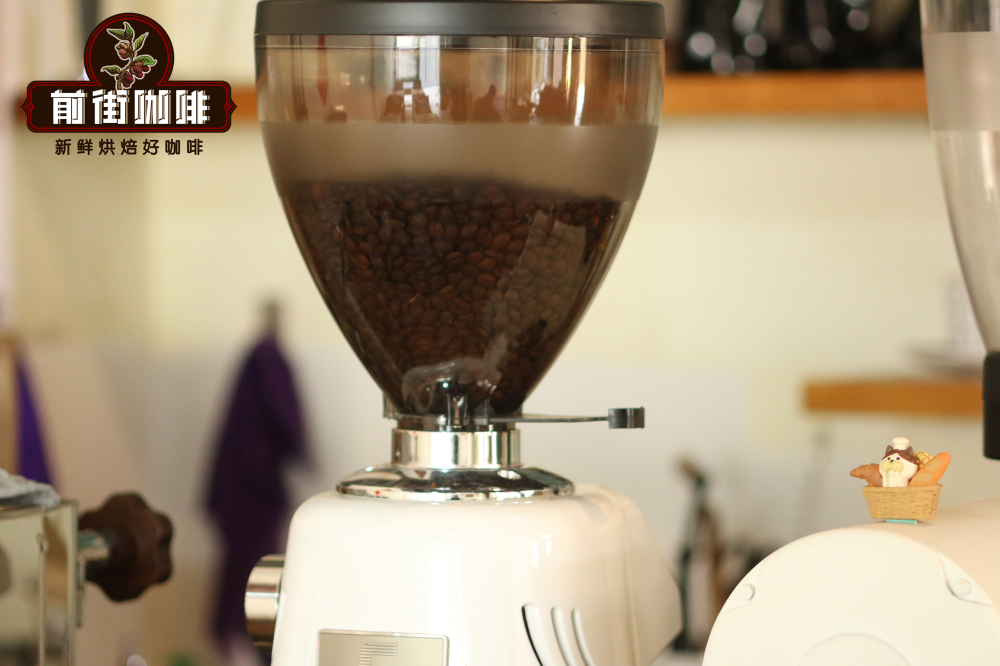
Before extraction, first wipe the basket clean, turn on the grinder, grind the amount for a double shot, and place it on the electronic scale to adjust to 20 grams. Then use a distribution tool to level the powder surface, and press the tamper vertically downward to compact the puck, ensuring a more stable extraction.
Next, turn on the extraction switch and let water run for 1–2 seconds to wet the group head while rinsing off the coffee grounds attached to it. Place an electronic scale under the cup for the Espresso and tare it to zero, then place it together under the group head during extraction.
Slowly lock the portafilter onto the group head and flip the extraction switch. Pay attention to the changes in the extracted liquid. When the electronic scale shows the coffee liquid reaches 40 grams and the time is about 30 seconds, pull the switch down to stop extraction. Extraction parameters will change slightly with daily air humidity and the condition of the coffee beans, so the dose, grind setting, and yield need to be adjusted accordingly.
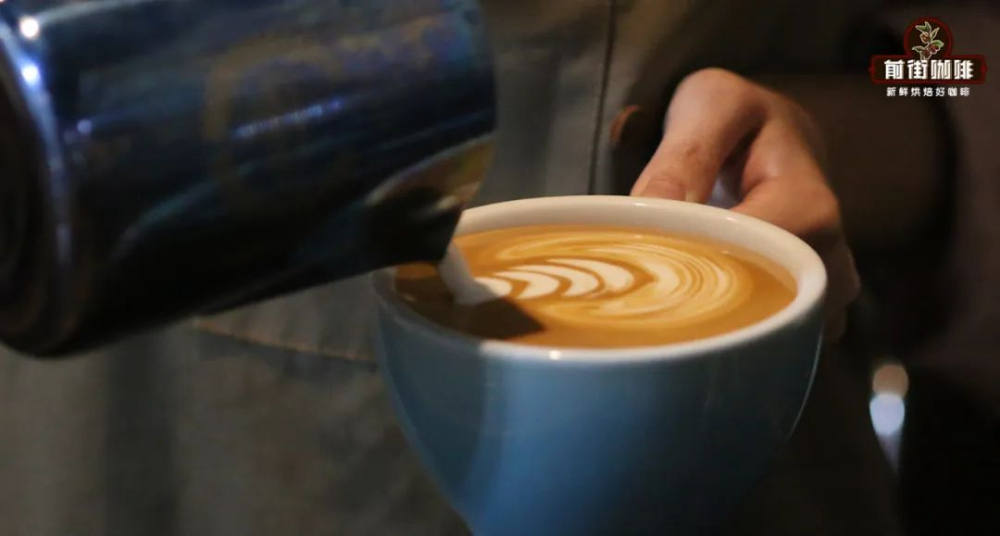
The extracted SOE can be drunk directly. Paired with a glass of water to rinse the mouth, you can feel the dense crema foam and the full-bodied taste of the coffee liquid underneath. If you cannot accept the strong bitterness, you can also add water according to personal preference to make a refreshing SOE Americano, or add an appropriate amount of milk to soften the taste, making it a delicious SOE Latte.
Professional coffee knowledge exchange. For more coffee bean information, please follow Coffee Workshop (WeChat public account cafe_style)
For more specialty coffee beans, please add private WeChat Front Street Coffee (FrontStreet Coffee), WeChat ID: qjcoffeex
The above content is compiled by CoffeeHunters, a coffee news website.


