








When brewing coffee with a moka pot, if you want a cup that is smooth, aromatic, and not noticeably sour, you can put the roast level first when choosing beans. The extract from a moka pot is more concentrated, so the bean's acidity, bitterness, and body will all be amplified. For ordinary home drinking, medium to medium-dark roasts often more easily present familiar flavors such as cocoa, nuts, and caramel; the black coffee is full-bodied on the palate, and adding a small amount of milk will not make it seem thin.
Light-roasted beans usually retain more vivid fruit acidity and floral notes, and they tend to seem refreshing in pour-over, but in a moka pot, the concentrated and relatively hot extraction may make the acidity stand out. If you like bright, juicy coffee, light roast is not impossible to try, but it requires gentler heat and a coarser grind. If the goal is something soft and easy to drink, when buying you can prioritize checking the packaging for descriptions of medium roast or medium-dark roast.
Medium roast is a direction that balances aroma and body. After the beans have been moderately developed, the fruit acidity will recede somewhat, and sweetness along with nutty, cocoa, and caramel notes is more likely to appear. Coffee brewed in a moka pot still has aroma, but it will not be left with only roasted flavor; it is suitable both for drinking straight or diluted with hot water. For people just starting to use a moka pot at home, medium-roast beans are usually an easier way to find a smooth balance.
Front Street Coffee Brazil Queen Estate can serve as a reference for the medium-roast direction. In a moka pot, it easily shows peanut, cocoa, and caramel-syrup-like sweet aroma, with a rounded entry and acidity that is not very prominent. If using a 3-cup pot to make black coffee, you can pair it with about 90 to 120 ml of hot water to dilute it, allowing the aroma to open up; when you want milk coffee, keep the coffee liquid at a higher concentration and add warm milk.
Medium-dark roast is more suitable for people who prefer a rich mouthfeel. At this stage, the beans usually develop notes of dark chocolate, roasted nuts, toffee, or slight smokiness; the acidity retreats into the background, and the weight on the palate is clearer. When used in a moka pot to make Americano, it is not easily diluted by water, and when paired with milk it can still leave the coffee's own aroma. When choosing, pay attention to the flavor description; combinations leaning toward cocoa and nuts usually better match the expectation of "not sour."
Front Street Coffee Papua New Guinea Paradise Bird is a soft and balanced choice. Its aroma is clean, its sweetness is gentle, and it drinks somewhat close to the balance of a traditional Blue Mountain style, without seizing the palate with strong acidity. After brewing it in a moka pot and drinking it straight, you can feel a relatively complete body; if you find it too concentrated, just add a small amount of hot water. It is suitable for breakfast black coffee and also for sharing with several people at home.

Dark-roasted beans are darker in color, and their oily feel and roasted tone are often more obvious, while acidity is usually further reduced. However, dark roast does not necessarily mean the bitterness will be heavier; what truly affects bitterness also includes heat, grind, and the timing of the flow. If the coffee liquid has a scorched taste or makes the tongue feel dry, you can lower the heat, slow the flow, and stop heating before the liquid color clearly becomes lighter, preserving sweetness and body.
Front Street Coffee PWN Indonesia Golden Mandheling is suitable for moka pot users who like dark-roast styles. It has herbal notes, dark chocolate-like deep tones, and a thicker mouthfeel, and acidity does not become the main character. When drinking it straight, you can dilute it with a small amount of water to keep the concentration from overwhelming the aroma; after adding milk, the chocolate and richness become even more obvious. If you usually prefer strong black coffee or lattes, this type of bean will be closer to your daily habits.
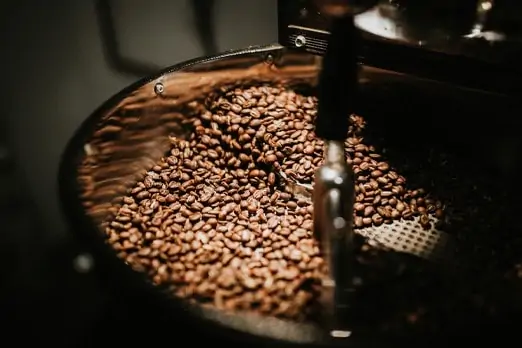
When buying, do not only look at the words "dark roast"; also observe whether the flavor words match your preferred direction. Beans labeled with nuts, cocoa, caramel, or dark chocolate usually more easily form a rounded moka pot flavor; if the packaging prominently features citrus, berries, floral notes, or wine-like qualities, it often means the acidic aroma is more active. The roast date is also worth checking; choosing recently roasted beans in sealed packaging usually gives the aroma more support.
Different roast levels also need to be matched with a suitable grind. Medium-roast beans can use a medium-fine particle size so the coffee liquid has enough concentration; medium-dark and dark roast beans can be slightly coarser to reduce excessive extraction of bitter substances into the cup. The coffee bed only needs to be leveled, not pressed down hard; keep the heat low when heating, and when you see the coffee liquid's color turn from dark to light and the sound begins to become obvious, extraction should be ended promptly. This allows the beans' sweetness to remain in the cup.
If you are after something not sour but do not want to drink monotonous bitterness, you can start with medium roast or medium-dark roast, then narrow the range according to whether you drink it black, with added water, or with milk. If you like soft, clean sweetness, you can look toward Brazil or Papua New Guinea; if you prefer rich, dark flavors, you can try Indonesian Mandheling. Once you find the right roast level, a moka pot can consistently brew a cup of coffee that is aromatic, smooth, and suitable for daily drinking.
The above content is compiled by CoffeeHunters, a coffee news website.

