







Search Results for: two
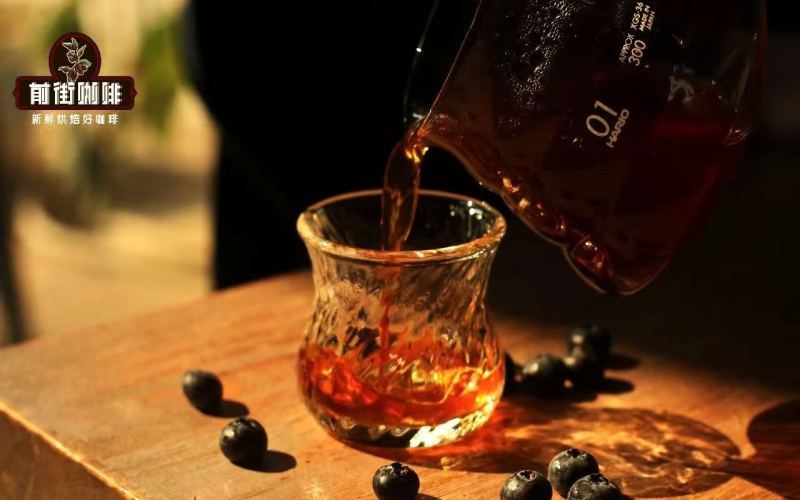
The Office Worker's Lifeline Beans: Two Cups a Day—Tasting Good and Being Affordable Is What Really Matters
The point of office coffee is simple: to wake you up, taste smooth, and not cost too much. At two cups a day, the logic for choosing beans is completely different from home tasting—this article helps workers do the math clearly. First, let's calculate the cost: at two cups a day and 15 grams of grounds per cup, a one-pound bag (454 grams) of beans lasts about 15 days, a [more…]

Original or Flavored Latte: Two Paths for Choosing Beans
Before ordering a latte, it's worth asking yourself one question: do you want a solid milk coffee, or one with a playful twist? This question splits lattes into two paths, and also cleaves the direction of bean selection in half. If the path isn't decided, even the best beans won't deliver the mood you expect. The original-flavor path pursues a harmony of the beans' and milk's true essence. [more…]
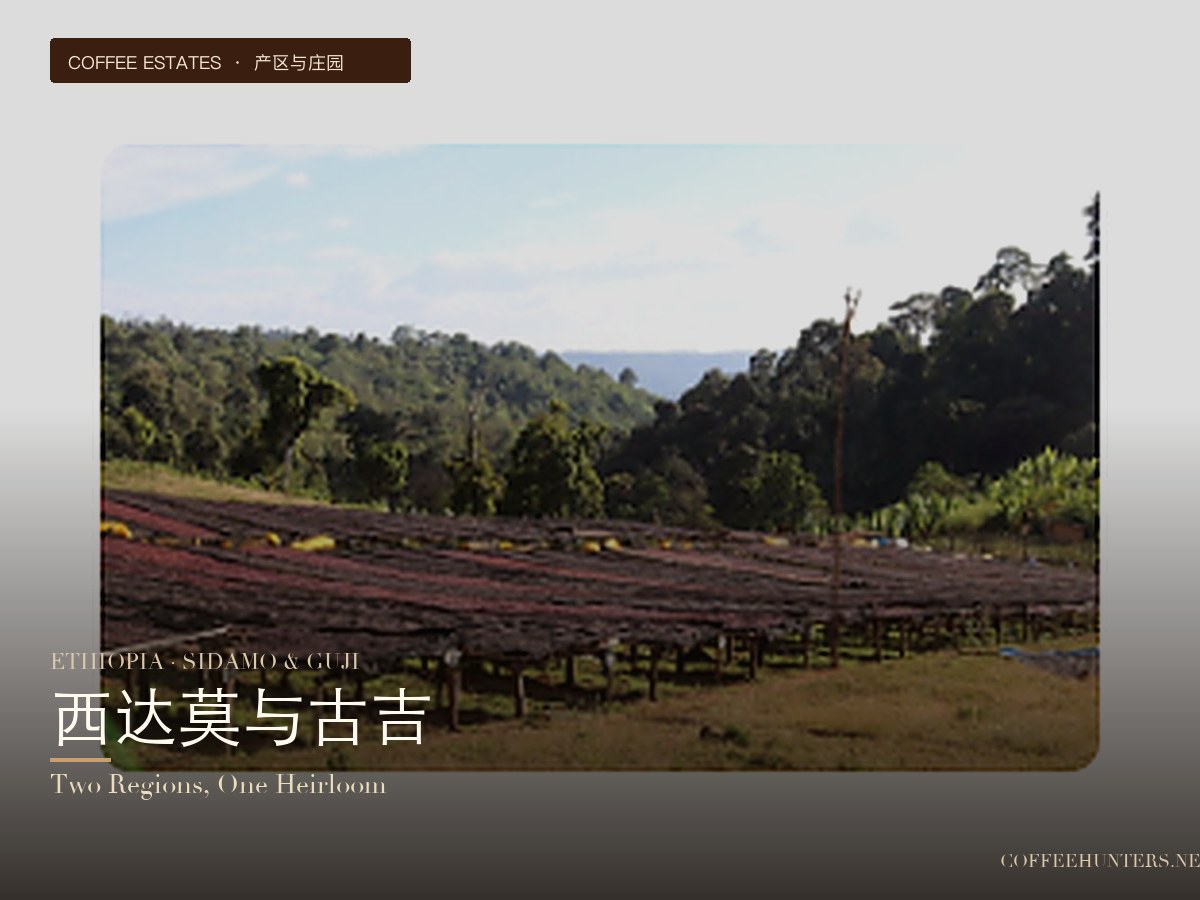
Ethiopia: Sidamo and Guji: A Flavor Divide Between Two Major Producing Regions
Sidamo and Guji are the two specialty coffee regions in southern Ethiopia most often mentioned side by side. This article helps you clarify the flavor divide between them from four dimensions: history, geography, variety, and processing method. [more…]
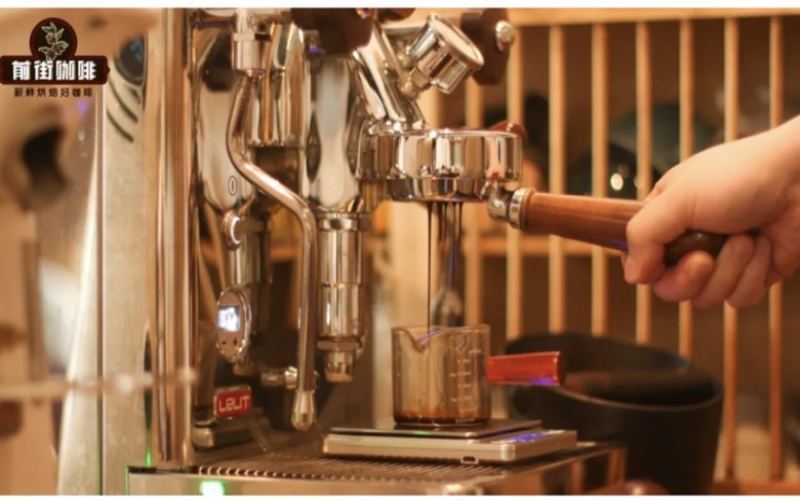
Beans for Both Espresso and Pour-Over: How to Configure a Single Machine for Two Brewing Methods
Players who have both an espresso machine and a pour-over kettle at home often fall into a kind of happy dilemma: when buying beans, they're always torn over "should this one be for pour-over or for espresso?" Actually, the mature approach is a dual-purpose bean lineup—within the same purchase batch, some beans are dedicated to espresso, some are dedicated to pour-over, and some can pull off both faces. This article talks about [more…]
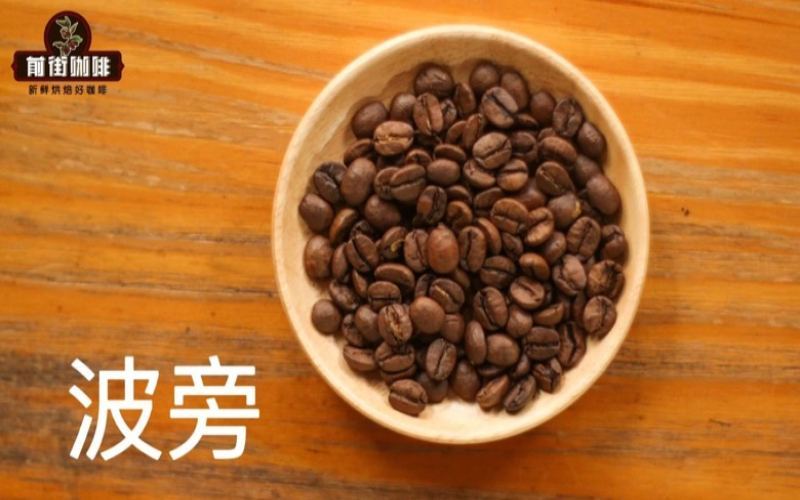
Chocolate-Flavored Coffee Beans: Two Directions from Dark Chocolate to Milk Chocolate
Chocolate-flavored coffee: the sweetness comes from the caramelization reaction during roasting, while the bitterness comes from the roast level; the ratio of the two determines whether it leans toward "dark chocolate" or "milk chocolate." Front Street PWN Indonesia Golden Mandheling is a representative of the dark chocolate direction, with herbal notes that give the bitterness layers; Brazil Queen Estate, on the other hand, leans toward milk [more…]
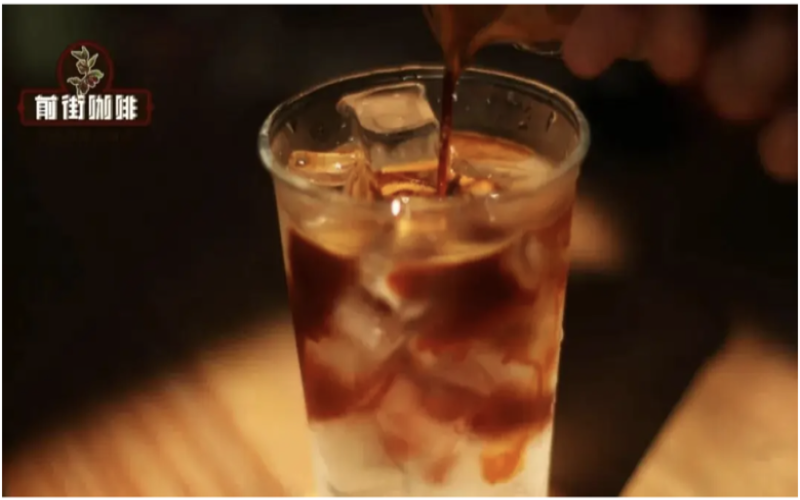
Suitable Origins and Bean Varieties for Cold Brew: Two Directions — Fruity and Nutty
When selecting beans for cold brew, the region determines the flavor baseline. By taste profile, cold brew beans can be broadly divided into two categories: fruity and nutty. Set the direction first, then choose the region, and the cold brew you make will better suit your palate. Fruity cold brews suit those who enjoy a crisp, refreshing cup with floral and fruity aromas. Ethiopia is the heartland of the fruity profile—Yirgacheffe cold brew [more…]
Choosing Coffee for Family and Friends: Two Low-Acid Beans That Elders and Acid-Sensitive Drinkers Will Love
Want to give your parents or acid-sensitive friends a bag of coffee beans, but find yourself overwhelmed browsing e-commerce pages? Gifting is scarier than drinking it yourself—if the taste doesn't match, even the most expensive beans go to waste. Today, following the "mass acceptance first" standard, I recommend two low-acid, smooth, easy-to-drink beans, with brewing methods suited to different equipment. [more…]

From Surfactants to Foam Stability: A Beginner's Guide to Latte Art and the Principles of Fluid Dynamics
Latte art is a romantic expression of a barista's skill, with white milk foam blooming into heart or leaf patterns on the surface of dark brown espresso. Latte art is divided into two types: free-pour latte art and etched latte art created after pouring. The wonder of the former lies in the pattern forming simultaneously with the pour, while the latter offers a wider range of designs because the stable foam allows for leisurely drawing. From a physics perspective, the core of latte art lies in surfactants—molecules that possess both hydrophilic and hydrophobic groups, capable of stabilizing the interface between air and liquid to form lasting foam. Milk proteins and coffee lipids act together as surfactants, enabling the two micron-scale foams to remain clearly separated for a long time after mixing, thereby allowing the pattern to persist. This article will guide you from the basic principles of surfactants to understand espresso's crema, the formation of hot milk foam, and why foam mixing rather than liquid mixing is the key to successful latte art, while also revealing the widespread applications of surfactants in daily life and industry. [more…]
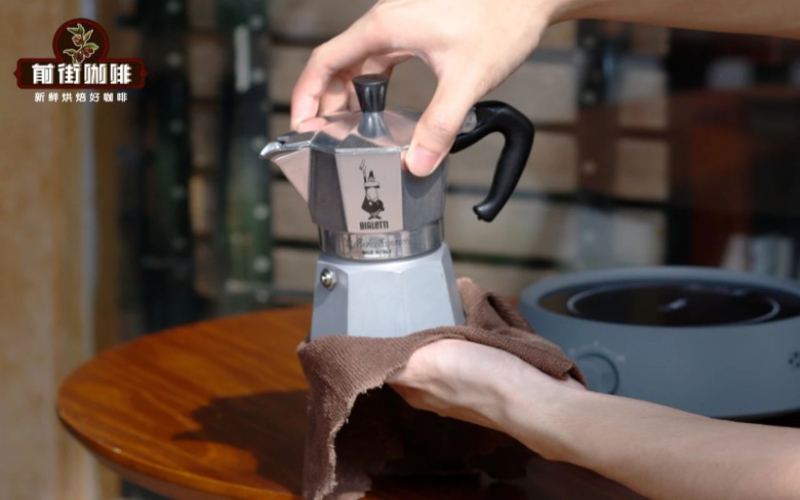
Two Fates of the Same Bean: Moka Pot vs. Espresso Machine
After spending enough time with coffee, many people end up owning both a moka pot and a semi-automatic espresso machine at home. The same beans go into the portafilter for one cup, then into the moka pot's basket for another, and the gap in flavor is so big it often makes you wonder if the beans were swapped out. Understanding this difference, in turn, can help you judge when choosing beans: which beans are worth [more…]
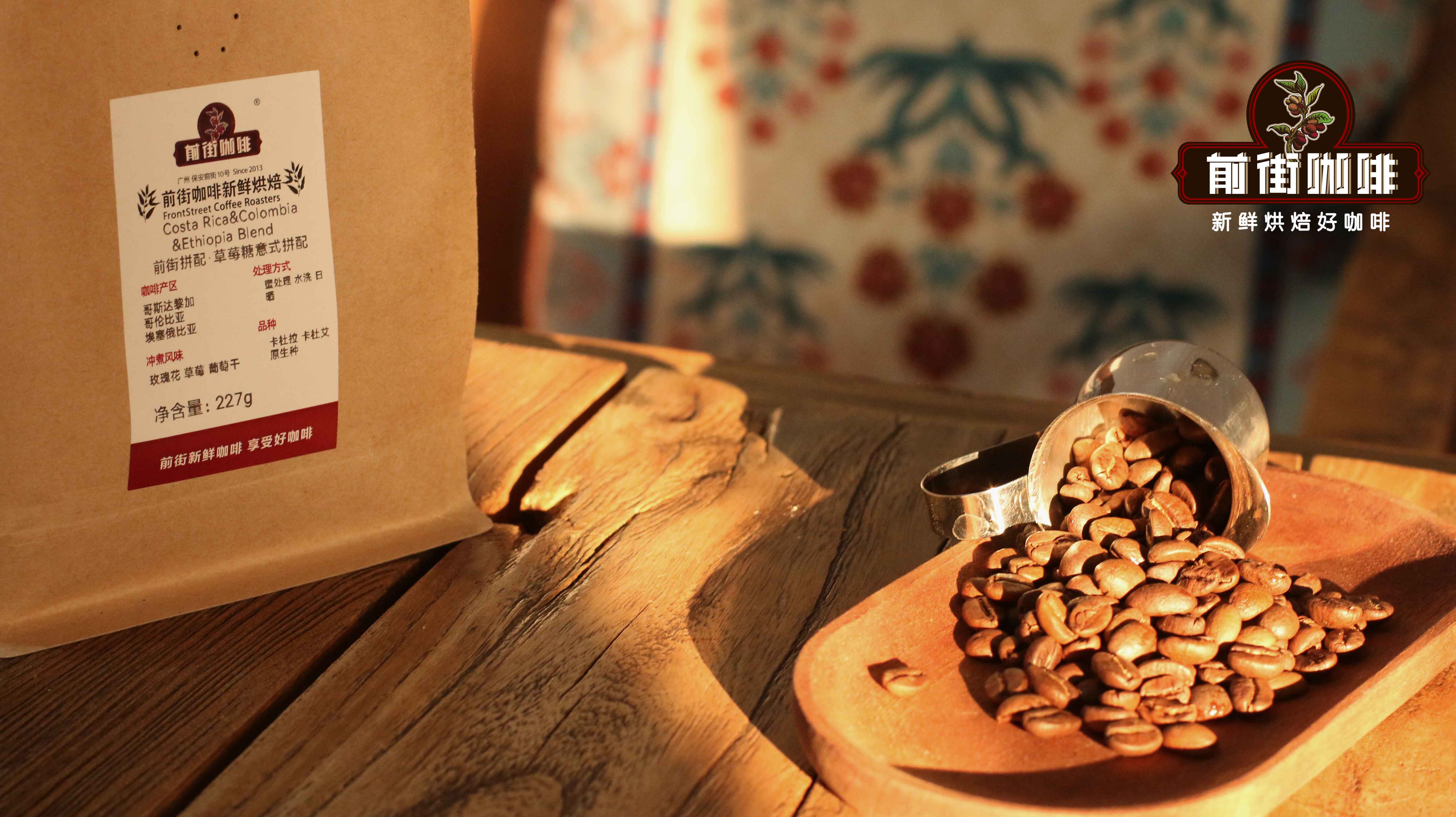
Home Coffee Machine Bean Roundup | Is There a Big Difference Between Espresso Machines and American Drip Coffee Makers? Espresso Everyday Bean Recommendations for Coffee Machines That Make Great Americano and Milk Coffee
At home, we most commonly use three types of coffee makers: espresso machines, American drip coffee makers, and capsule coffee machines. Among these, the first two appear most frequently, so many people ask what coffee beans are suitable for these two machines. Let's first talk about the features and differences of these two machines. What is an espresso machine? [more…]
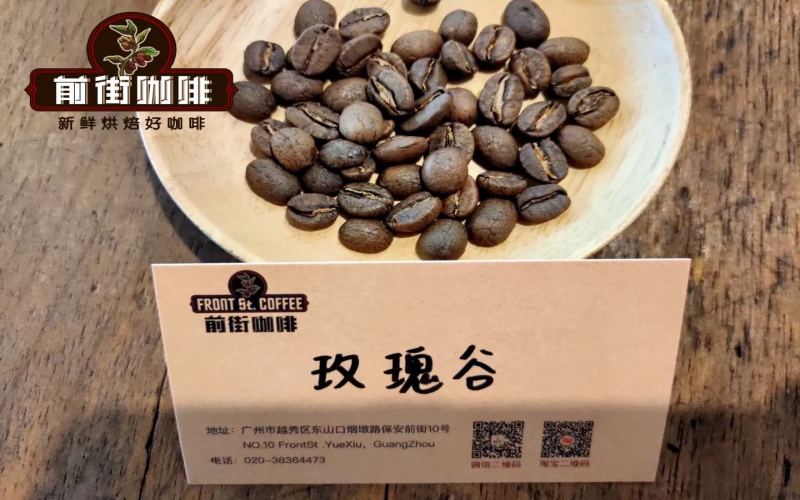
Pour-over for two
There are many ways to brew coffee, from the siphon method that feels like a chemist conducting an experiment, to simple extraction methods like the French press. Among them, pour-over may be the one with the most room for experimentation. Most brewing tutorials online are for a single serving, so how do you brew for multiple people? Attentive readers may have noticed that most brewing tutorials [more…]
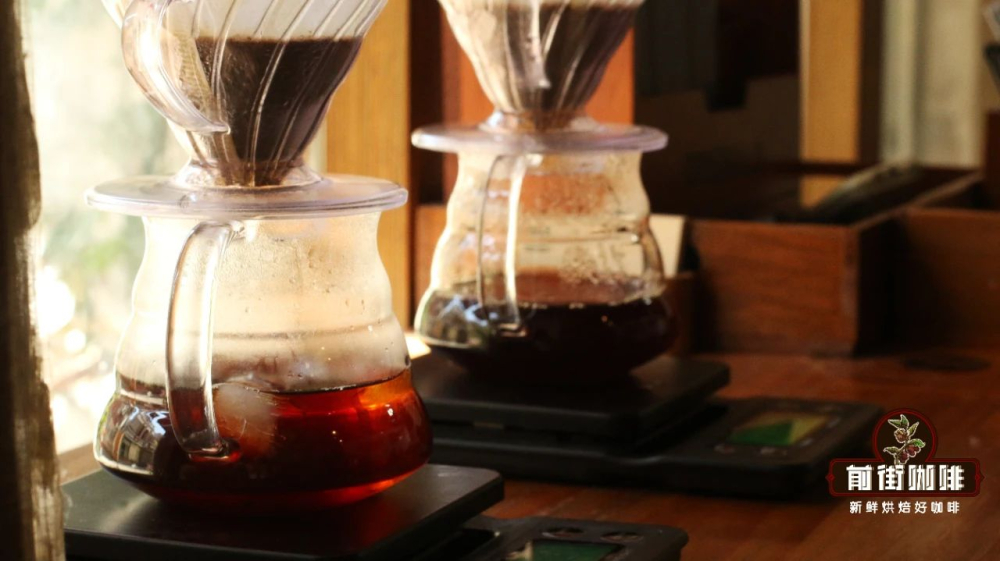
Pour-over Coffee Brewing Tips | What Is the Ideal Water Temperature for Pour-over Coffee? How Does Brewing Water Temperature Affect the Flavor and Mouthfeel of Pour-over Coffee?
If you ask whether water temperature is important for extraction, Front Street Coffee believes it is important, but not that important. As a tool for adjusting the extraction rate, the higher the temperature, the easier it is to extract soluble substances, but because too high a water temperature will cause coffee to quickly release bitterness, a conservative range should be chosen. Generally speaking, the vast majority on the market [more…]
Delonghi users' bean selection strategy: keep everyday beans and exploratory beans separately stocked
When you bring a De'Longhi coffee machine home, many people run into the same bean-selection dilemma: everyday beans are about consistency, something you can drink daily without guilt; adventure beans are about variety, a change of pace for the weekend. Rather than going back and forth between these two demands, it's better to split the line outright, pairing each with its own beans so both weekdays and weekends can be enjoyed comfortably—this dual-track approach is worth [more…]
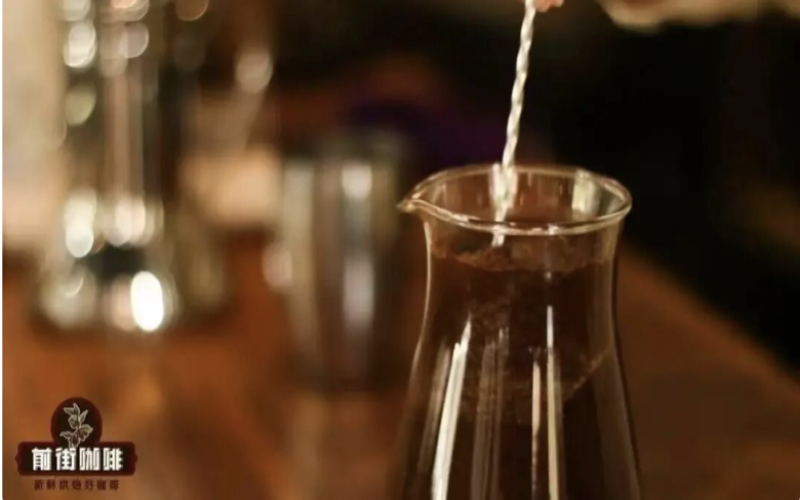
Bean Selection for Cold Brew and Ice Drip: Two Directions—Fruity and Sweet
Cold brew and ice drip have very clear requirements for beans: strong flavor, ample sweetness, and high cleanliness. The passion fruit and blueberry flavors of Front Street Coffee Colombia Sidra slowly emerge in ice drip, with a juicy quality as rich as fruit tea; the sweet aroma of strawberry candy makes a cold brew in which the strawberry gummy character stands out even more at low temperatures. Choose the right beans, and the flavor concentration of cold brew and ice drip [more…]

Hacienda La Esmeralda: From stunning the world in 2004 to lifting the Panama Cup two years in a row
At the 2025 Best of Panama awards, Hacienda La Esmeralda set a new record for the entire event with a 98-point washed Geisha, then took 97 points in the natural category and also topped the traditional variety category, completing a rare "triple crown" in BOP history. [more…]

Tomorrow will officially take effect! China and Ecuador mutually cancel tariffs.
According to the news of the Chinese business website, on May 11, 2023, China and Ecuador signed the "Free Trade Agreement between the Government of the People's Republic of China and the Government of the Republic of Ecuador". At present, both China [more…]
A Complete Guide to Iced Americano: Brewing Tips and Flavor Profile—From Espresso Extraction to Water Ratio
American coffee may seem simple, consisting only of espresso and water, yet it is precisely the drink that best tests a barista's extraction skills. This article begins with the definition and origins of American coffee, sorts out the two mainstream methods of Americano and Long Black, discusses the controversy over long-extraction weak coffee, and explains in detail the process for making hot and iced American coffee, the coffee-to-water ratio, and the effect of whether to remove the crema on flavor. The article also combines the Warm Sun blend from Front Street Coffee stores to provide specific extraction parameters and ratio references, helping coffee enthusiasts recreate a clean, balanced American coffee that retains the bean's true flavor in their daily brewing. [more…]
Pour-Over Coffee: Should You Choose Acidic or Non-Acidic Beans? Understanding the Two Flavor Camps at a Glance
First-time buyers of pour-over coffee beans often find themselves stuck in a dilemma: should I buy something acidic, or something not acidic? In fact, there is no standard answer to this question. The fun of pour-over coffee is that different beans can present completely different styles. Some people love the bright, lively notes of floral and fruity flavors, while others love the warm, solid comfort of the rich, full-bodied camp. The key [more…]
The Origin of Americano | What Is the Standard Café Iced Americano Recipe? Is an Americano Without Crema Still Good?
What is Americano? "Americano" (English: Americano, Italian: Caffe Americano) is traditionally a black coffee made with a drip coffee maker. Because the extraction time is relatively long (about four to five minutes), the coffee taste is also more [more…]
The Origins of Americano Black Coffee | How to Recreate the Same Iced Americano as a Coffee Shop? Does Americano Taste and Feel Better Without the Crema?
What is Americano? "Americano" (Italian: Caffe Americano) traditionally refers to black coffee made with a drip coffee maker. Because the extraction time is relatively long (about four to five minutes), the coffee flavor is also more [more…]