







Search Results for: total bacterial count exceeding the standard
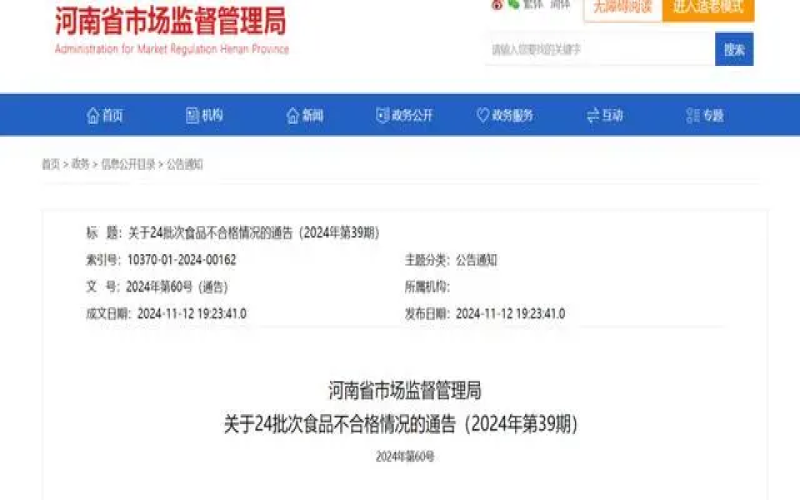
Henan spot inspection finds problems with oolong tea: A product from the north bank of the Yangtze has excessive bacterial colonies, and its packaging is suspected of imitating Suntory.
The Henan Provincial Market Supervision Administration recently published its 2024 No. 39 food safety notice, showing that of 1,040 batches of food across 21 major categories sampled, a total of 24 batches failed. Among them, a "Yangtze River North Bank" oolong tea-flavored beverage, nominally produced by Xunxian Fuxinyuan Beverage Factory, was blacklisted because its total bacterial count did not meet national standards. An investigation found that the manufacturer not only had a prior record of product sampling failures, but was also ruled by a court to have infringed upon Nongfu Spring's packaging through counterfeiting, and has now been listed as a dishonest judgment debtor. More notably, the outer packaging of this oolong tea is highly similar to Suntory oolong tea, and many consumers who mistakenly bought it on e-commerce platforms complained loudly after being duped. [more…]
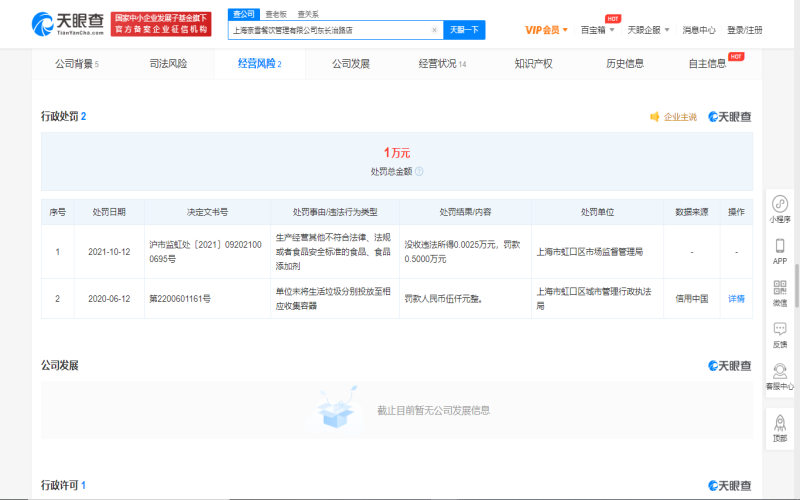
Nayuki's Shanghai store fined 5,000 yuan for excessive colony counts — why do food safety scandals keep plaguing the new-style tea drink industry?
The new-style tea beverage industry has once again exposed food safety issues. Naxue's Tea's Shanghai East Changzhi Road store was fined and had its illegal gains confiscated by the Hongkou District Market Supervision Administration because the freshly made and sold Golden Mountain Treasure Tea exceeded the total bacterial count limit. Before this, the brand had already been exposed by the media multiple times for chaotic store hygiene, even alarming the State Administration for Market Regulation. From Xinhua reporters' undercover investigations to tea beverage brands frequently trending on social media across various regions, consumers pay high prices but do not necessarily receive matching safety guarantees. This article will sort out the ins and outs of this penalty, review the food safety crisis Naxue's Tea encountered this year, and ask: after tea beverage brands apologize, compensate, and rectify, have the fundamental problems actually been solved? [more…]

Investigation into the Cross-Province Overnight Delivery of 8,000 Cups of Yidian Dian Milk Tea to Shanghai: The High-Price Resale Chain and Food Safety Risks
During the May Day holiday, "group leaders" in several Shanghai communities organized group buys of a Little Tea, with over 8,000 cups of drinks transported across provinces from out-of-town stores, arriving in consumers' hands overnight or even after nearly 24 hours. The group-buy price was double the official price, and the resellers were accused of profiting about 250,000 yuan. The total bacterial count in these milk teas rose sharply over time at room temperature, and some consumers developed gastroenteritis symptoms after drinking them. The Little Tea brand later issued a statement expressing shock at the high-priced reselling and reminding consumers to choose compliant channels carefully. This article reviews the course of the incident, the food safety data, and responses from all parties, while also offering coffee lovers Front Street Coffee's professional purchasing advice. [more…]
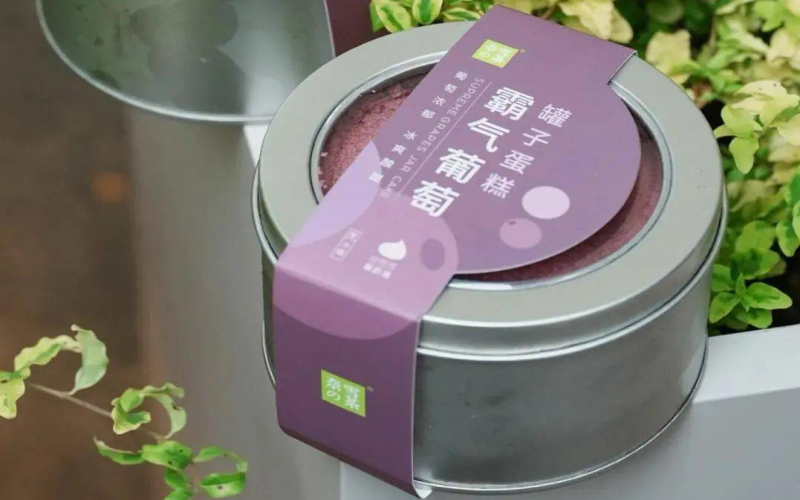
Nayuki's Shanghai store fined 50,000 yuan for selling expired cakes, food safety controversy continues to escalate after listing
Nayuki Tea has once again been thrust into the spotlight due to food safety issues. The Market Supervision Administration of Jing'an District, Shanghai, recently imposed a penalty on Nayuki's Shanghai Meilongzhen Plaza store for selling expired grape-flavored cakes to consumers, with a fine of 50,000 yuan. This is not an isolated case—since its listing on the Hong Kong Stock Exchange in June this year, Nayuki's stores have repeatedly been exposed for food safety scandals such as cockroach infestations, spoiled fruit, and excessive bacterial counts. Consequently, its stock price has plummeted from the issue price of HKD 19.80 to around HKD 9, leading to a significant drop in market value. From being the "first stock of new-style tea drinks" to being plagued by negative news, Nayuki's brand reputation is facing a severe test. [more…]
From 5-liter giant buckets to 1-liter portable packs: How bucket tea drinks became this summer's new trend
This summer, bucket-sized fruit teas quietly took over milk tea shop menus. From Heytea and Nayuki to ChaPanda and CoCo, major brands have rolled out 1-liter or even larger bucket drinks, attracting consumers with high cost-performance. Bucket tea drinks are nothing new—back in 2019, they went viral thanks to Jay Chou fan support, and in 2020 Nayuki even launched a 5-liter "mighty bucket." However, issues like the short optimal drinking window and rapid bacterial growth in bucket tea drinks cannot be ignored. From giant buckets to portable packs, what evolution has bucket tea drinks undergone? And why have this summer's bucket fruit teas made a comeback? This article will break it all down for you. [more…]
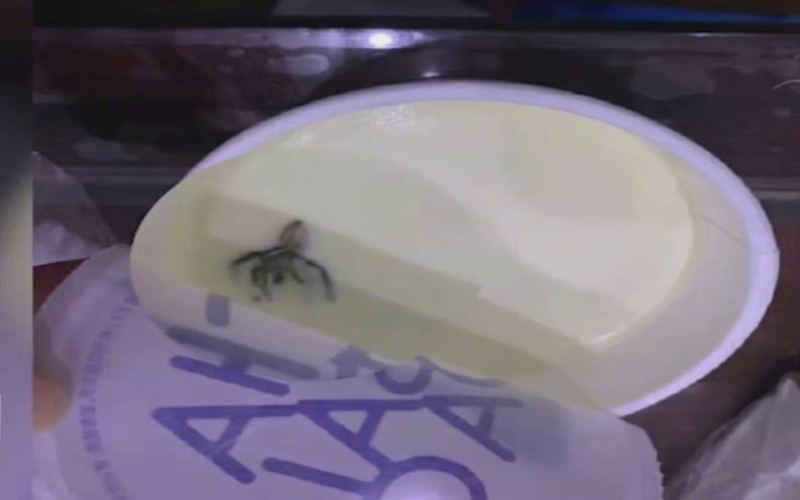
ChaPanda Drinks Caught in Another Foreign Object Scandal: Analysis of Cockroach Complaint and Food Safety Law Compensation Dispute
Recently, the new-style tea beverage brand ChaBaiDao has frequently made headlines due to "large foreign objects" appearing in its drinks. From "real spider milk tea" to nail clippers, and now the latest cockroach incident, consumer complaints have been continuous. These incidents coincide with ChaBaiDao's plan to go public in Hong Kong, sparking discussions about its food safety management and whether there are malicious claims. This article reviews the detailed process of the ChaBaiDao cockroach complaint, analyzes the disagreement between the consumer's claim of 1,000 yuan and the merchant's offer of only 200 yuan, and explores the potential issues of insufficient employee training and "loophole attacks" under the Food Safety Law amid the rapid expansion of chain brands. At the same time, we will also focus on the current state of food safety in the industry and provide professional information for coffee enthusiasts. [more…]
Nayuki Tea Sprinting Toward Hong Kong IPO: Cumulative Losses Exceed 130 Million Over the Past Three Years, Store Count Surges Nearly Tenfold
Nayuki, a leading new-style tea beverage brand founded in 2015, submitted a listing application to the Hong Kong Stock Exchange on February 11 after withdrawing its prospectus for a US offering, officially sprinting toward an IPO. The joint sponsors are JPMorgan, CMBI, and Huatai International. As of September 30, 2020, Nayuki had established 420 stores across 61 cities nationwide and expanded to Hong Kong and Japan. However, while the number of stores has grown nearly tenfold in the past three years, the company remains in a loss-making state, with a loss of 27.51 million yuan in the first three quarters of 2020. The funds raised this time will be used for store expansion, digital operations, and supply chain development. If the listing succeeds, Nayuki will become the first new-style tea beverage stock in China. [more…]

Comprehensive Comparison of Cold Brew Coffee and Iced Pour-Over Coffee: Extraction Principles, Brewing Methods, and Flavor Performance of Sherry Coffee Beans
What exactly is the difference between cold brew coffee and iced pour-over coffee? This is a question Front Street gets asked every day. Simply put, cold brew is a low-temperature slow extraction, while pour-over is a high-temperature fast extraction, and the two present distinctly different characteristics in flavor and mouthfeel. This article will start with the influence of temperature on extraction, analyze in detail the respective features of high-temperature extraction and low-temperature extraction, then use the Sherry coffee beans from the Honduras Mocha estate selected by Front Street Coffee as a sample to demonstrate the complete brewing processes of cold brew coffee and iced pour-over coffee, including key technical parameters such as coffee-to-water ratio, grind size, and pouring technique, and compare the flavor differences ultimately presented by the two methods, helping coffee lovers find the cup of icy good coffee that suits them. [more…]
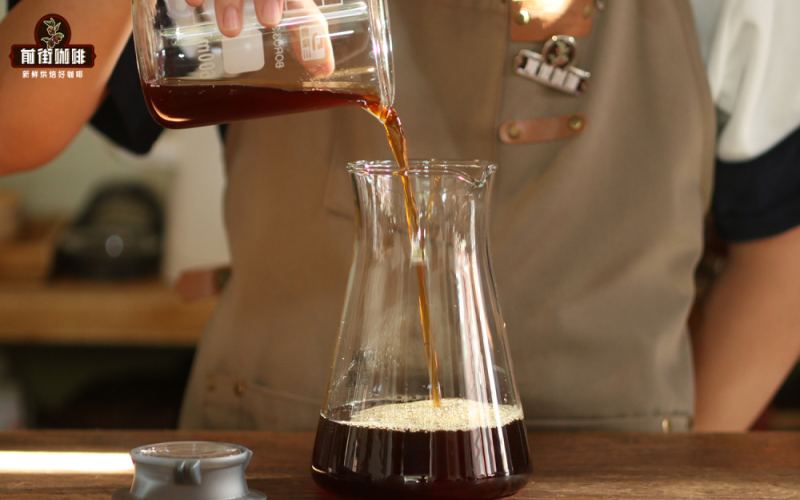
How to Make Cold Brew Coffee at Home: A Complete Guide to Coffee-to-Water Ratio, Steeping Time, and Flavor Profile
On a hot summer day, cold brew coffee always sparks lively discussion among coffee lovers. It requires no complicated equipment—just prolonged contact between cold water and coffee grounds—to deliver an iced coffee experience with a prominent aroma and a rich, smooth mouthfeel. This article will systematically explain the definition of cold brew coffee, the differences between room-temperature and low-temperature steeping, the choice of coffee beans suitable for making it, and Front Street Coffee's recommended 1:10 coffee-to-water ratio, grind size, and specific step-by-step instructions. It will also cover when to drink cold brew coffee and how long it keeps, helping you easily make a satisfying glass of cold brew at home. [more…]

Tims China's store count exceeds 500, with first-half revenue up over 70% year-on-year
Tims Coffee's 500th store in China has officially landed in Dongguan, just days away from its upcoming listing on Nasdaq. From its first store in Shanghai in 2019 to now covering multiple tiered markets, Tims China has taken less than four years. Despite repeated pandemic disruptions, its revenue in the first half of the year still achieved a year-on-year growth of over 70%, demonstrating strong momentum. At the same time, the brand has received continued support from shareholders such as Tencent and Sequoia China, and plans to penetrate lower-tier markets with flexible store formats. This article will review Tims China's expansion trajectory, performance, store features, and future strategies, along with relevant information from Front Street Coffee. [more…]
What are the differences between ice drip, cold brew, iced pour-over, and iced coffee? Using Honduras Sherry beans as an example to analyze low-temperature and high-temperature extraction
What exactly is the difference between cold brew coffee and iced pour-over coffee? Front Street Coffee receives this question almost every day. In short, cold brew is a low-temperature slow extraction, while pour-over is a high-temperature fast extraction. The two paths ultimately present flavors and mouthfeels with their own distinctive characteristics. From the perspective of Front Street Coffee, this article first sorts out the influence of temperature on coffee extraction, then explains the advantages and shortcomings of high-temperature and low-temperature extraction respectively. After that, using Honduras Mocha Estate Sherry coffee beans as a sample, it fully demonstrates the production process, coffee-to-water ratio, fermentation key points, and storage suggestions for cold brew coffee and iced pour-over coffee, and includes a simple method for iced Americano, helping coffee lovers understand the flavor directions of different iced coffees. [more…]
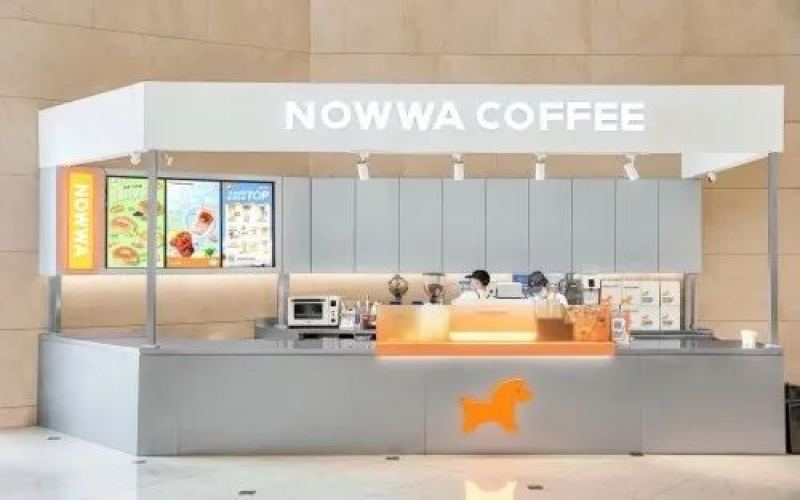
NOWWA Coffee opens 120 new stores simultaneously, total store count surpasses 1,700, covering over 100 cities
Nowadays Coffee recently announced the simultaneous opening of 120 stores. In addition to strengthening its presence in Guangzhou, the new stores also expanded into lower-tier markets in 10 cities including Nanchang, Jinhua, Huangshan, and Zhanjiang. This budget coffee brand, founded in Shanghai in 2019, is accelerating its penetration into the national market by relying on an asset-light model in which online delivery accounts for more than 75% of sales, as well as approachable pricing of around 15 yuan. As of July this year, its total number of stores ranked third among domestic coffee chains, with more than 1,700 stores nationwide covering over 100 cities. Against the backdrop of a coffee consumption market expected to reach a trillion-yuan scale by 2025, Nowadays Coffee's pace of expansion has drawn industry attention. [more…]

USTC Develops Edible Coconut Jelly Straw to Replace Paper Straws, Doubling Strength and Fully Degrading in 60 Days
In recent years, with the advancement of plastic restriction policies, plastic straws have gradually exited the food service scene, replaced by paper straws and PLA straws. However, paper straws easily become soggy, and PLA straws are not heat-resistant, greatly diminishing the consumer experience. A team led by Academician Yu Shuhong of the University of Science and Technology of China has taken a different approach, using bacterial cellulose combined with sodium alginate to develop an edible nata de coco straw. Its strength, modulus, and toughness are more than twice those of paper straws, it is thinner, and it can be made in different colors. Buried in soil, it nearly disappears in 45 days and completely degrades in 60 days. Can this new material save the afternoon tea joy of office workers? This article will provide a detailed interpretation. [more…]
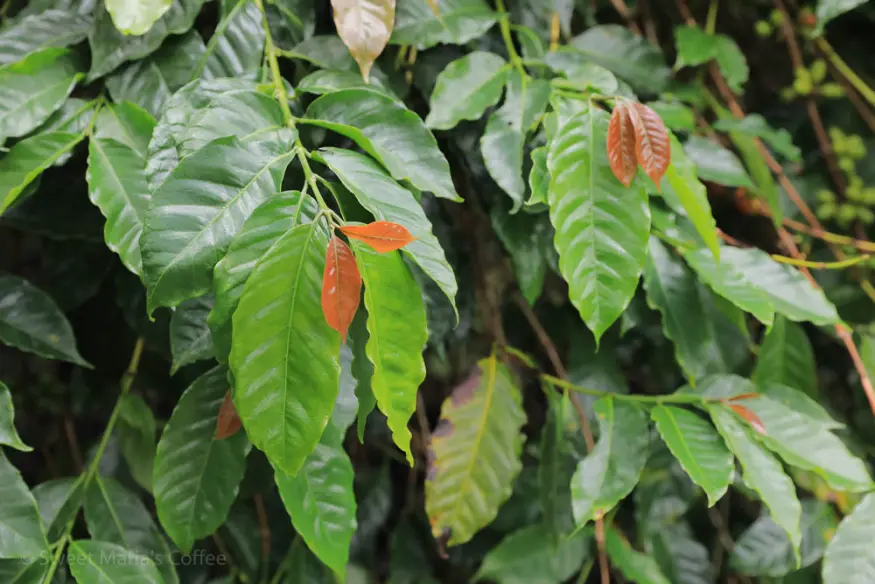
Dark Roast Coffee Bean Recommendations | Where Are the Three Major Coffee Regions of Indonesia? What Makes Sumatran Coffee Special? Is Mandheling a Coffee Variety?
For more specialty coffee knowledge, please follow: Front Street Coffee (Frontsteet Coffee). Anyone who loves drinking coffee has surely tried Indonesian coffee. The best growing regions across the entire Indonesian archipelago are on Java, Sumatra, and Sulawesi. [more…]
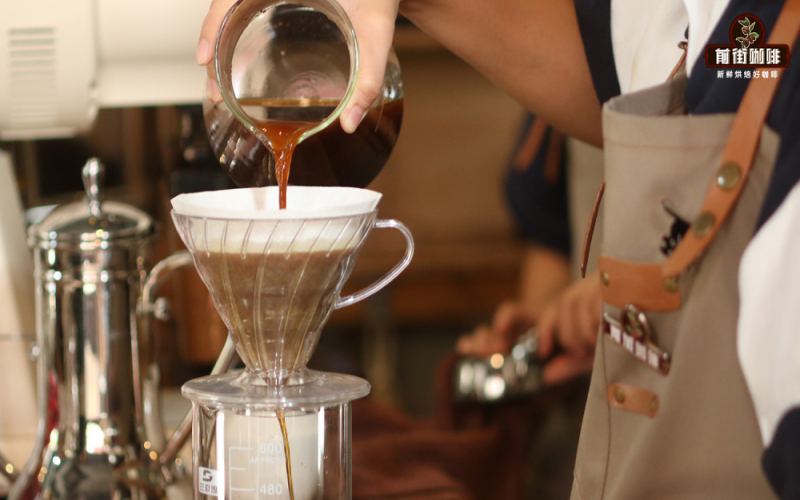
The Complete Guide to Making Cold Brew Coffee at Home: Extraction Parameters, Bean Selection, and Storage Tips All in One Place
In the heat of summer, a refreshing glass of cold brew coffee has become a favorite among many coffee lovers. Compared with buying it at a coffee shop, making cold brew at home is actually not complicated—just master the coffee-to-water ratio, grind size, and steeping time, and you can easily make a cup of iced coffee with a clean flavor and balanced taste. So what beans should you choose for cold brew? How long is the ideal steeping time? And how many days can it be stored after it is made? Based on Front Street Coffee's hands-on experience, this article shares in detail the method for making cold brew coffee, recommended bean list, and the correct ways to drink and store it, helping you achieve cold brew freedom this summer. [more…]
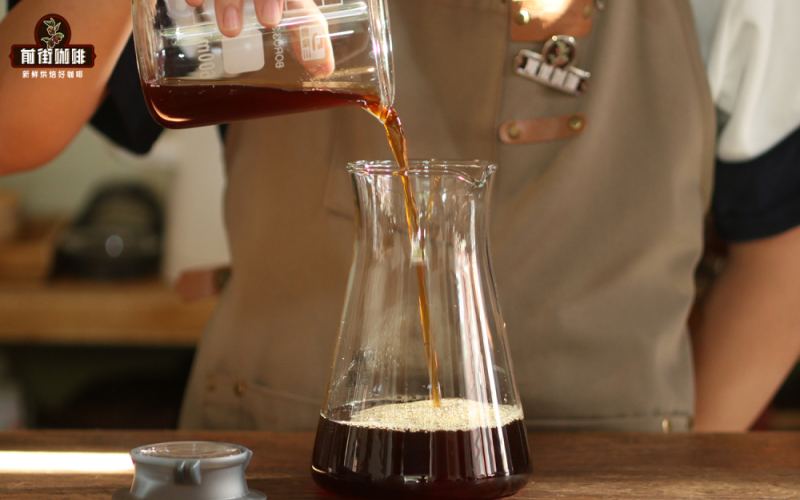
Homemade Cold Brew Step-by-Step Guide | What is the difference between room-temperature-steeped and cold-steeped cold brew coffee? How should the flavor characteristics of cold brew coffee be described?
For more specialty coffee knowledge, please follow our WeChat official account: FrontStreet Coffee. As soon as summer arrives, cold brew coffee becomes the hottest topic of conversation among coffee lovers, with everyone sharing their tips for making cold brew. Why has cold brew coffee become so popular in recent years? [more…]
How should you choose the right bean variety for cold brew coffee? And how should you gauge the grind size and the amount of water for steeping?
As the hot summer approaches, homemade iced coffee has become a favorite among many coffee lovers, and cold brew stands out as the most popular chilled drink thanks to its simple process and easy home setup. But cold brew isn't something you can nail with just any bag of beans—the variety you choose, how fine you grind, and how much water you add all directly affect the final flavor. Starting from Front Street Coffee's hands-on cold brew practice, this article breaks down the coffee-to-water ratio, grind standard, steeping time, and filtering details in detail, and recommends three light-to-medium roast beans suitable for cold brew, including Panama Butterfly, Yirgacheffe Red Cherry Project, and Costa Rica Mozart. It also explains how long the finished cold brew should rest before drinking and how many days it can be kept refrigerated, so you can consistently make a clean, balanced, and refreshingly cold brew at home. [more…]
Cold Brew Coffee Complete Guide: Coffee-to-Water Ratio, Grind Size, Steeping Time, and Flavor Profile
On a hot summer day, cold brew coffee always sparks lively discussion among coffee lovers. It requires no professional equipment—just a simple encounter between ice water and coffee grounds—yet it delivers a rich, full-bodied taste. Unlike regular iced coffee, cold brew uses a long, low-temperature steeping process that allows flavors to release slowly, resulting in a more balanced mix of acidity, sweetness, bitterness, and aroma. In this article, Front Street Coffee will systematically explain the extraction principles of cold brew coffee, the differences between room-temperature and low-temperature steeping, suitable coffee bean choices, and specific coffee-to-water ratios, grind sizes, and preparation steps to help you easily make a cup of cold brew coffee that is aromatic and smooth. [more…]
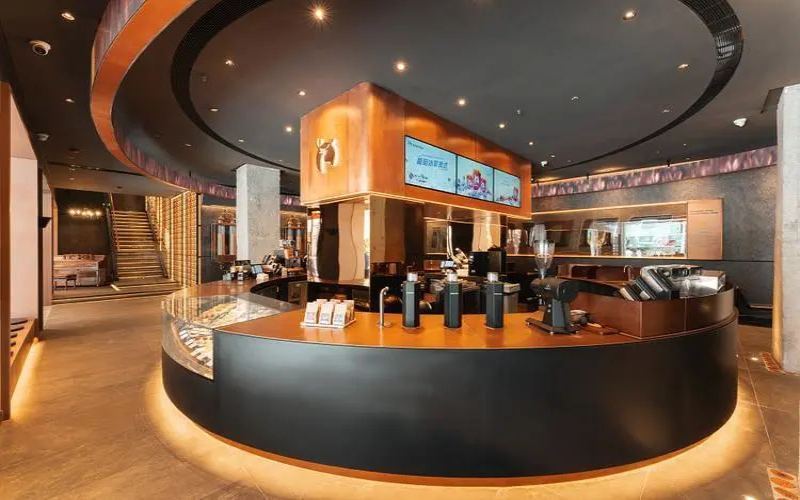
Luckin's Q2 revenue overtakes Starbucks China for the first time, with its ten-thousand-store scale and 9.9 strategy as key drivers
In the second quarter of 2023, Luckin Coffee delivered a remarkable report card: total net revenue of 6.2014 billion yuan, up 88% year-on-year, surpassing Starbucks China in revenue for the first time. At the same time, Luckin's total store count exceeded 10,836, making it the first chain coffee brand in China with over ten thousand stores. From the "store-attached franchise" policy to the "9.9 yuan every week" customer rewards campaign, Luckin is turning its scale advantage into long-term benefits for consumers. In overseas markets, however, Luckin has not continued its domestic low-price strategy; prices at its Singapore stores are even higher than those of local Starbucks, sparking considerable discussion. This article will walk you through the key figures and strategic moves behind Luckin's financial report. [more…]
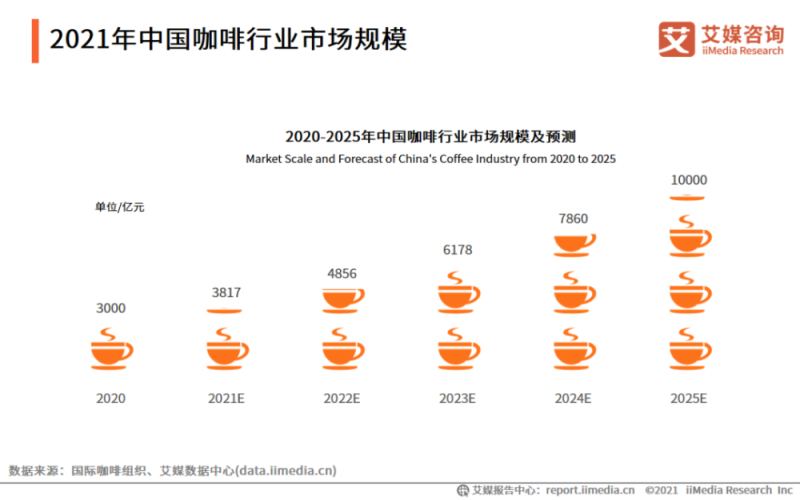
The coffee race heats up: Luckin surpasses Starbucks in store count as local chains and crossover players compete on the same stage
The domestic coffee consumer base in China has expanded to approximately 300 million, and the market size continues to grow, with projections suggesting it could reach one trillion yuan by 2025. Luckin Coffee has made a strong recovery after its turmoil, with its store count once surpassing Starbucks; Starbucks insists on company-owned operations and plans to continue expanding; new brands such as Manner and NOWWA are accelerating financing and store openings, while international brands like Tims and %Arabica have also entered the market successively. Capital and cross-industry giants are frequently making moves, making China's coffee market, which still has a low chainization rate, full of imaginative potential. Front Street Coffee also continues to monitor specialty coffee trends and industry changes. [more…]