For more specialty coffee knowledge, please follow: Front Street Coffee (Frontsteet Coffee)
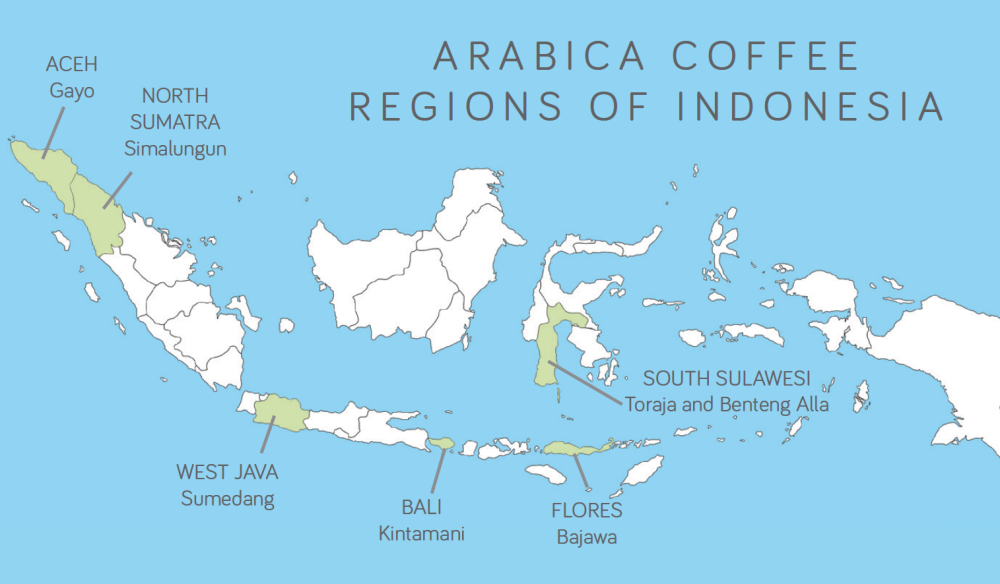
Anyone who loves drinking coffee must have tried Indonesian coffee. The best growing regions across the entire Indonesian archipelago are on Java, Sumatra, and Sulawesi. These three islands established three major coffee brands: Mandheling coffee is produced in Sumatra, Indonesia, with moderate acidity and an extremely heavy, rich aroma; Java coffee is produced on the island of Java, Indonesia, and belongs to the Arabica species; Sulawesi coffee has plump beans and a rich aroma. Robusta coffee accounts for 90% of total production, and its quality is said to be the best in the world. Today, let Front Street start from the history of coffee cultivation in Indonesia.
The Development History of Indonesian Coffee
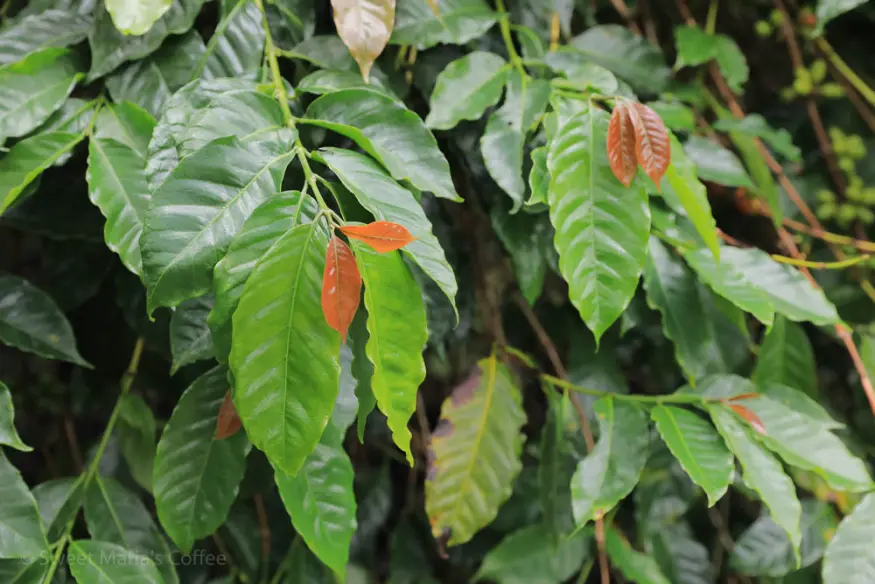
Indonesia is located in Southeast Asia, and its coffee history dates back to 1696, when the Dutch introduced coffee beans to Indonesia. After successful trial planting, they settled on the island of Java in Indonesia and began large-scale cultivation of coffee beans. However, in 1877, almost all coffee trees in Indonesia were infected with leaf rust (a bacterial infection). Arabica coffee beans could not resist this disease and were almost completely wiped out, causing heavy losses.
Later, Indonesia had no choice but to introduce Robusta coffee beans from Africa. Robusta coffee beans have strong disease resistance, which helped Indonesia's coffee economy recover. Today, Indonesia is the world's most important producer of Robusta coffee beans, while Arabica coffee beans account for only 6%-10% of Indonesia's total coffee beans, including the well-known Mandheling coffee beans. Robusta coffee beans are concentrated in southern Sumatra, Indonesia, while Arabica coffee beans are found in northern Sumatra, Indonesia.
The Growing Environment of Indonesian Coffee
Indonesia has a typical tropical rainforest climate, with an average annual temperature of 25-27°C, no distinction between the four seasons, and annual rainfall of 1600-2200mm. Indonesia is located in a volcanic belt, with fertile soil rich in minerals, which is conducive to the cultivation and growth of coffee beans. Indonesia's altitude ranges between 900-2100 meters, and the main coffee bean growing areas are concentrated at around 1200 meters.
Indonesian coffee beans mainly have two harvest seasons. The main harvest season is around September-October, and the secondary harvest season is in May-June.
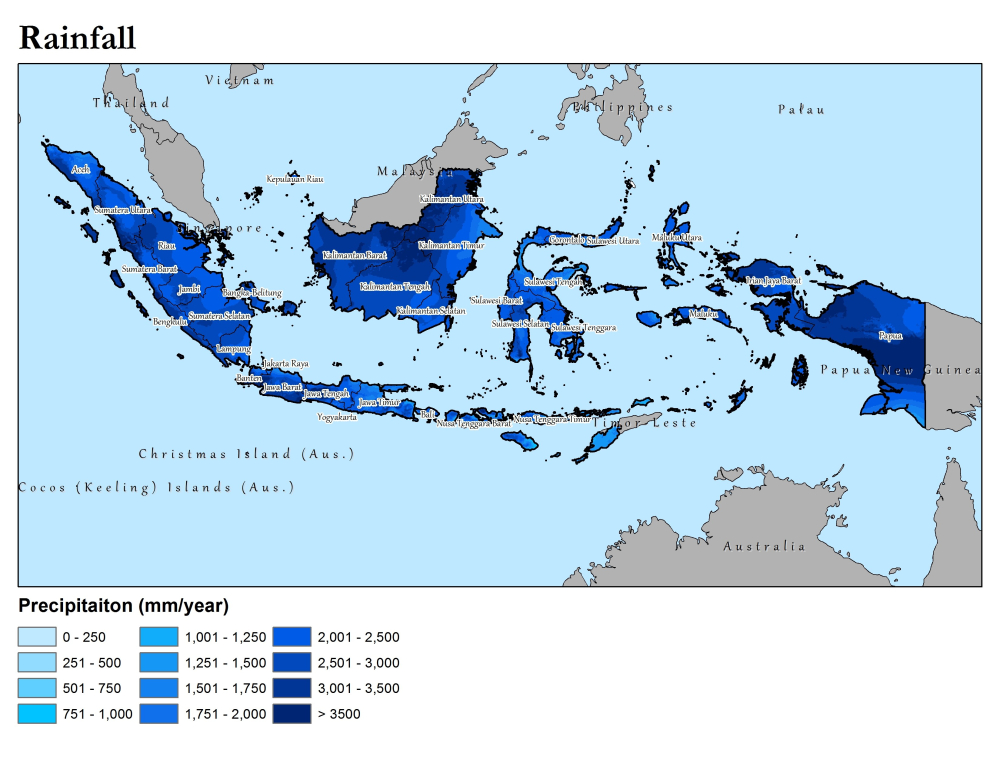
At present, Indonesia's coffee planting area exceeds 1 million hectares, accounting for 24% of total arable land. Indonesia's average coffee planting area is 1.7 hectares, with approximately 2.7 billion coffee trees, of which 66% are grown on plantations using modern cultivation methods, while the remaining coffee beans are grown on traditionally managed small farms.
Indonesian Coffee Bean Varieties
Indonesian coffee beans mainly fall into three categories: Arabica coffee beans, Robusta coffee beans, and Liberica coffee beans. Among them, there are more than 20 main subdivided varieties, and the common ones are Caturra, Catimor, Timor hybrid, Typica, S288, S795, Sidikalong, and others.
Indonesian Coffee Bean Processing Methods
The main processing methods for Indonesian coffee beans are: natural processing, washed processing, and wet-hulled processing. Because of the humid climate and frequent rain, washed processing and wet-hulled processing are more commonly used in pursuit of more efficient drying.
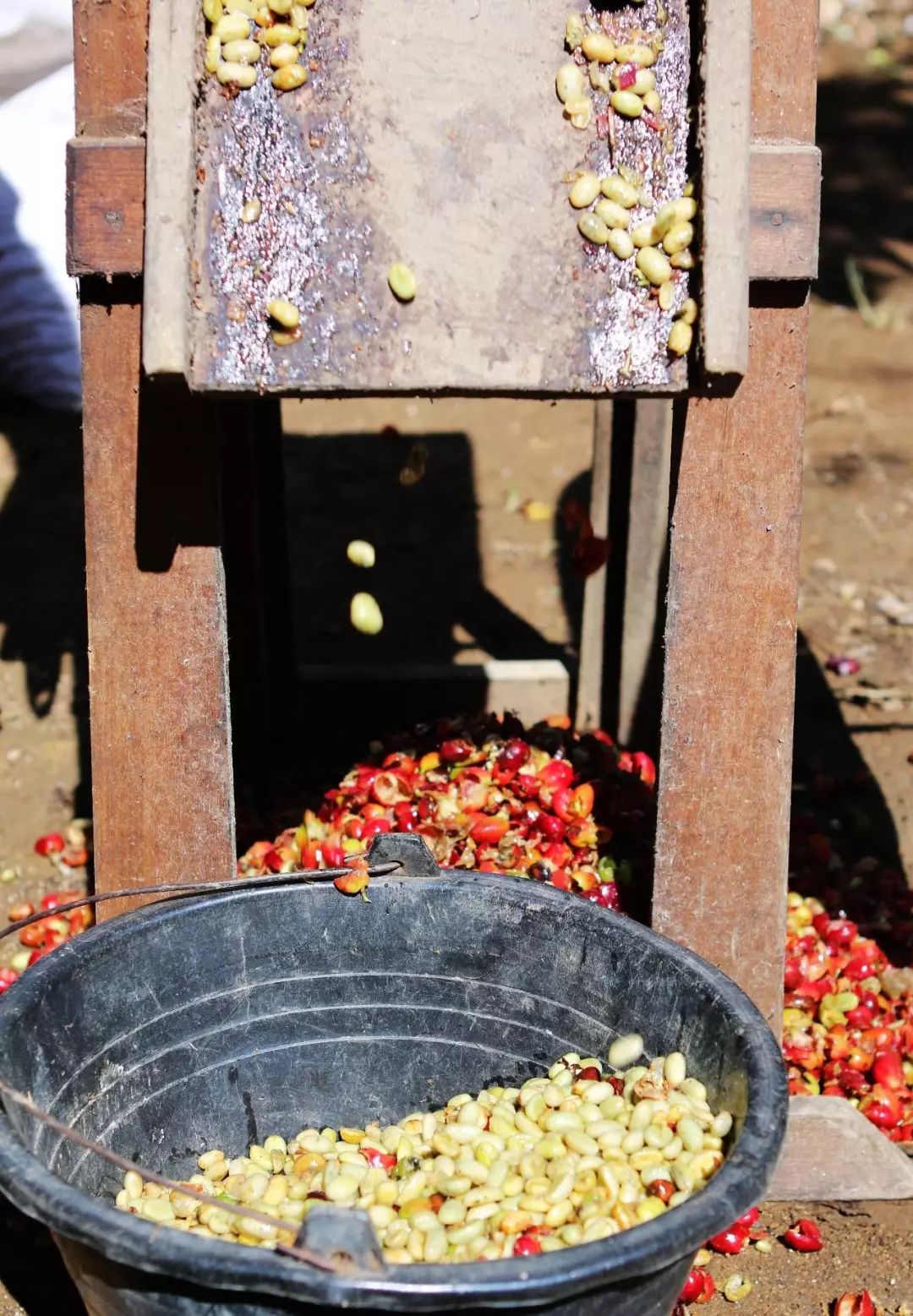
Indonesia's most famous coffee bean processing methods are wet-hulled processing and fermentation inside the civet. Coffee beans processed by these two methods have special flavors and are loved and sought after by people around the world.
Sumatra's Mandheling mainly uses the wet-hulled method. The wet-hulled method mainly has two stages. In the first stage, the skin and pulp are removed with a wooden pulping machine. After fermenting for 3 hours, the beans are dried in the sun until the moisture content drops to 30-50%, which is semi-dry and semi-wet. In the second stage, the mucilage and parchment layer are removed, and drying continues in the later stage. The drying process takes 2-4 days, and the moisture content drops to 12-13%.
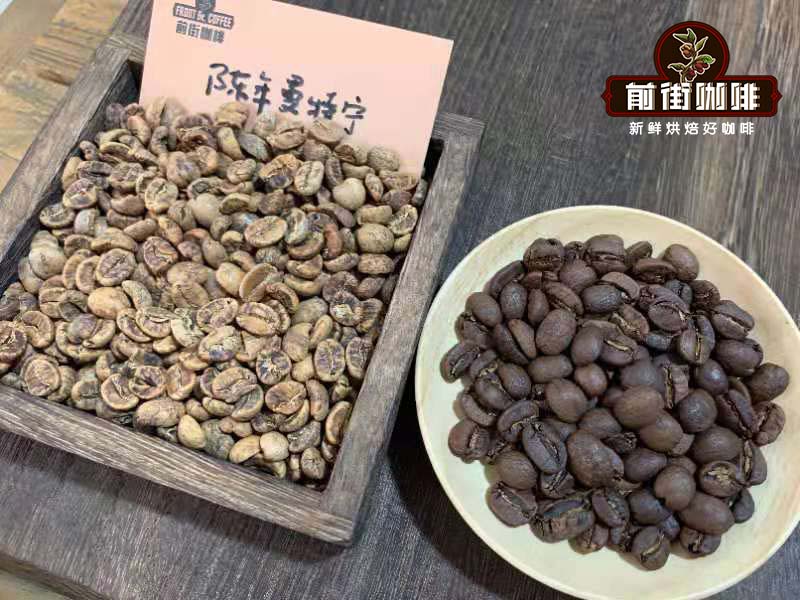
In addition to the conventional wet-hulled method, there is also an aged wet-hulled method. After coffee beans are processed by the ordinary wet-hulled method, they are sealed and stored in a warehouse for 2-3 years. During this period, the acidity of the coffee beans slowly weakens and turns into sugar. Mandheling coffee beans using this processing method are also called Aged Mandheling coffee beans.
Sumatra Mandheling Coffee Beans
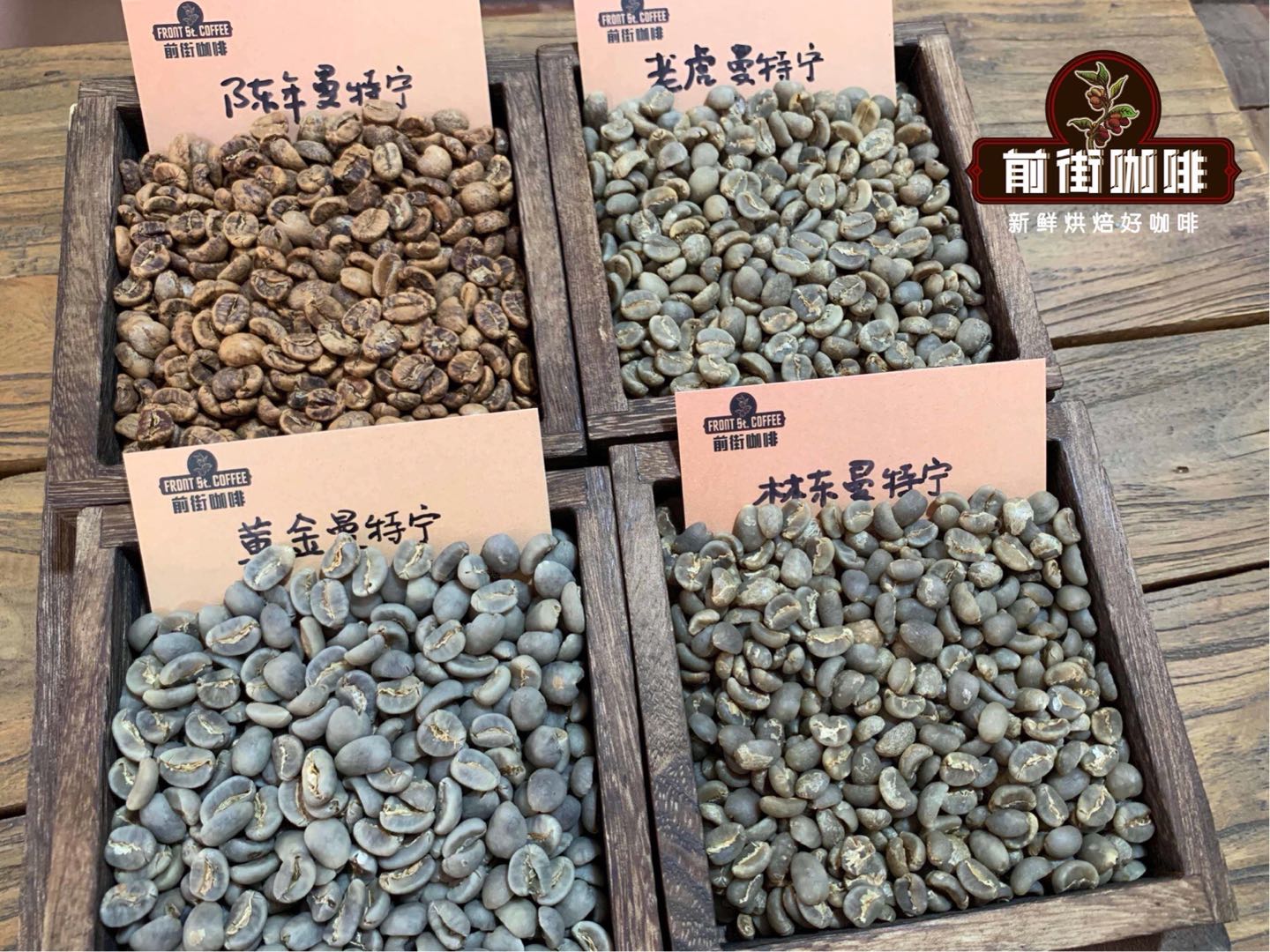
When Sumatra coffee beans are mentioned, it must be Mandheling coffee beans. The main production area of Mandheling coffee beans is around Lake Toba at the northern tip of Sumatra, Indonesia. Common Mandheling coffee beans include Golden Mandheling coffee beans, Lintong Mandheling coffee beans, and Aged Mandheling coffee beans.
The difference among these three Mandheling coffees is that Lintong Mandheling represents the most typical Mandheling flavor, with a strong herbal note. Golden Mandheling is a select-grade Mandheling, with uniform bean size, all above 18 mesh, and manually sorted more than 4 times. Its taste is clean and bright, but it also has excellent body. As mentioned earlier, Aged Mandheling uses a different wet-hulled processing method, bringing out a richer flavor that is not something everyone will accept.
Front Street Indonesian Lintong Mandheling
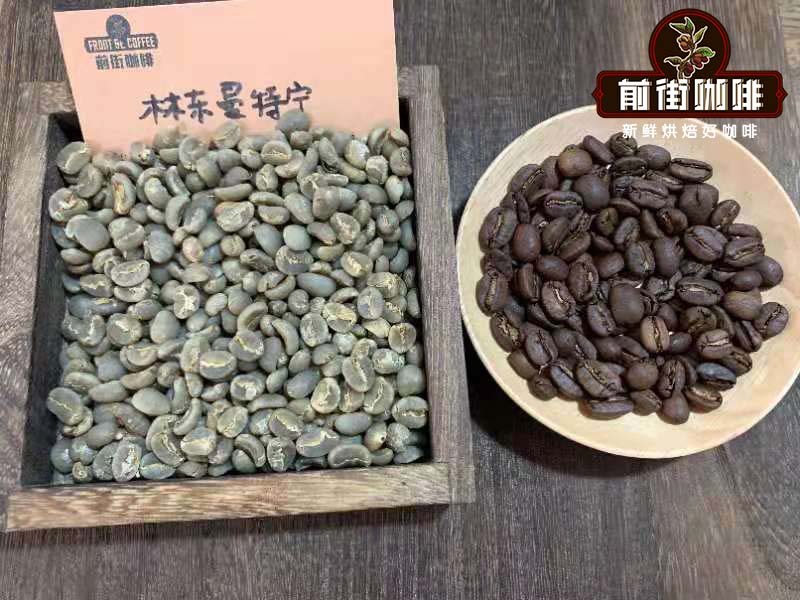
Region: Sumatra Lintong
Altitude:1100-1600meters
Varieties: Typica, Caturra
Processing method: Wet-hulled
Flavor: Baked toast, nuts, caramel, pine, herbs
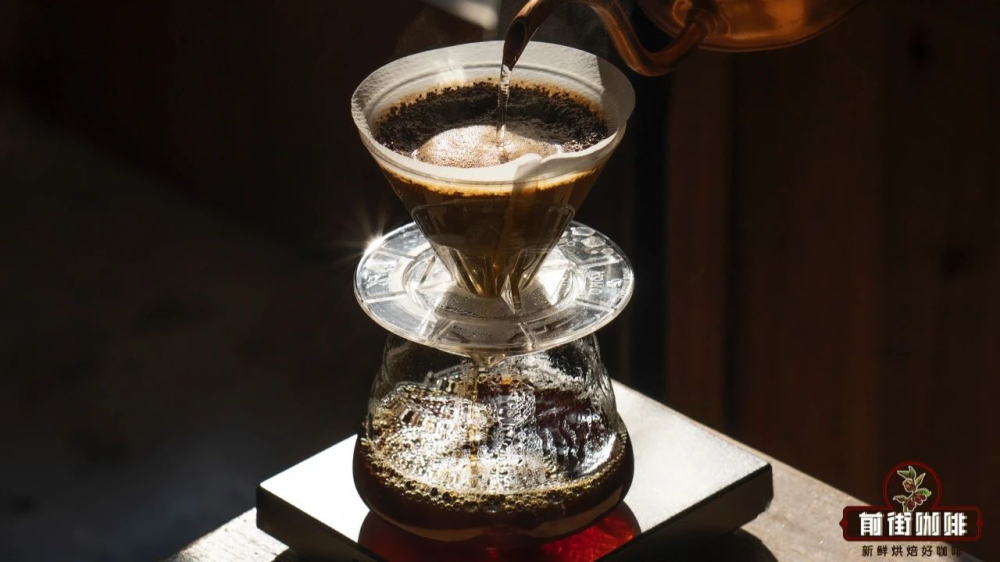
Front Street's brewing parameters are: Kono dripper, water temperature 88°C, 15 grams of coffee powder, powder-to-water ratio 1:15, grind size (BG#6W, 70-75% passing through a No. 20 standard sieve)
Reason for choosing the Kono dripper: The Kono dripper has few ribs and they are located at the bottom. The filter paper fits closely against the dripper, which can restrict airflow and extend the contact time between water and coffee powder, allowing the coffee powder to be fully extracted and enhancing the body.

Front Street uses staged extraction: 30 grams of water for blooming for 30 seconds, then pour with a small stream until 125 grams and pause, then when the water level is about to expose the coffee bed, continue pouring until 225 grams and stop, (timing starts at the beginning of blooming) extraction time is 2'00".
Java Coffee Beans
Java coffee beans have a delicate aroma, relatively low acidity, a smooth mouthfeel, and good balance. The aroma and acidity of Java coffee beans are superior to those of Sumatra coffee. Java's climate type is tropical rainforest climate, hot and humid all year round. The plains along the northern coast have the highest temperatures, while the mountainous areas are much cooler. High humidity often creates a debilitating climate. Because it is located in a volcanic zone, Java's soil is very fertile.
The better-quality coffee on Java is mostly found in West Java Province in the west, which is a first-level administrative region of Indonesia. It usually comes from state-owned and private estates. Because state-owned estates have government support, they can more easily sell to European and American countries, and relatively speaking, they are also more famous. The plantations are basically all above 1400 meters in altitude, supplemented by the local typical volcanic soil, creating a unique flavor.
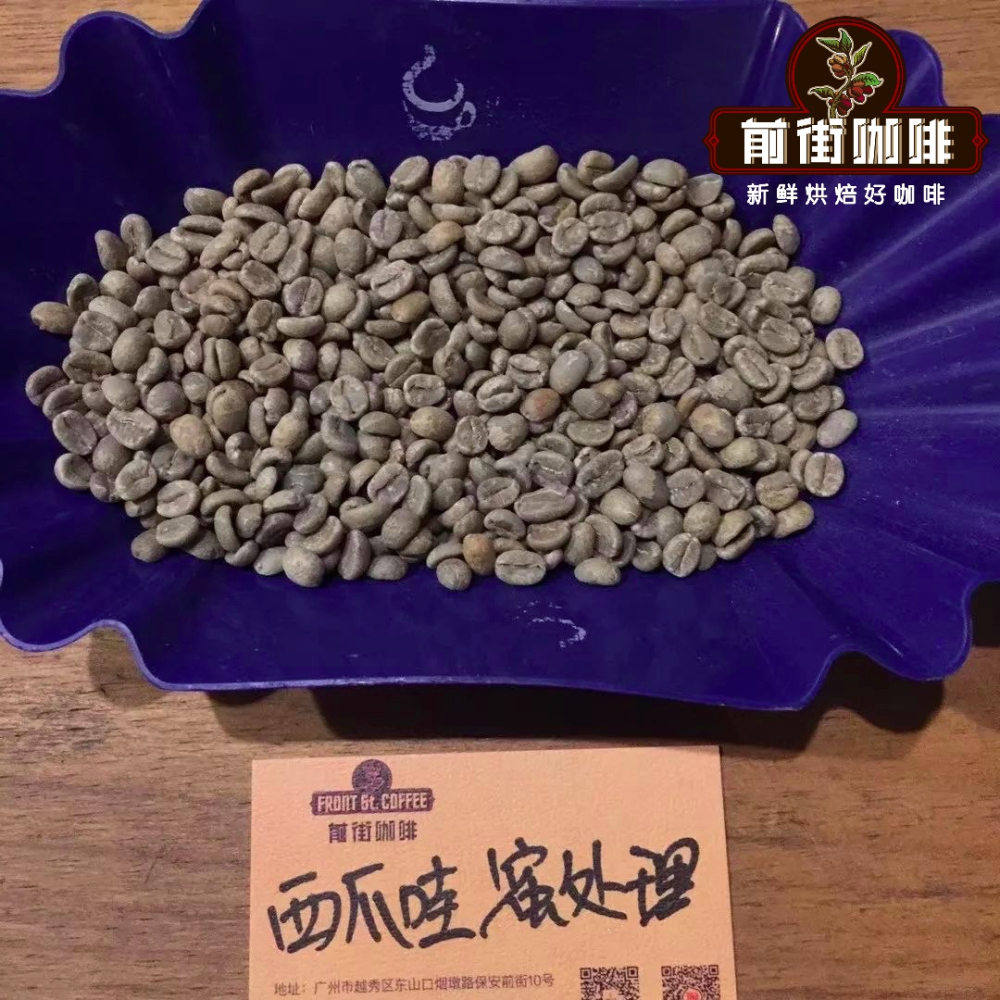
Front Street West Java Mount Malabar
Region: West Java, Indonesia
Altitude:1400-1800meters
Processing method: Natural
Grade:G1
Varieties:TIM TIM, Bourbon
Flavor: Berries, plum, citrus, cream, hazelnut, cane sugar, chocolate, oolong tea
Front Street's brewing parameters are: V60 dripper, water temperature 90°C, 15 grams of coffee powder, powder-to-water ratio 1:15, grind size (BG#6S, 70-75% passing through a No. 20 standard sieve)
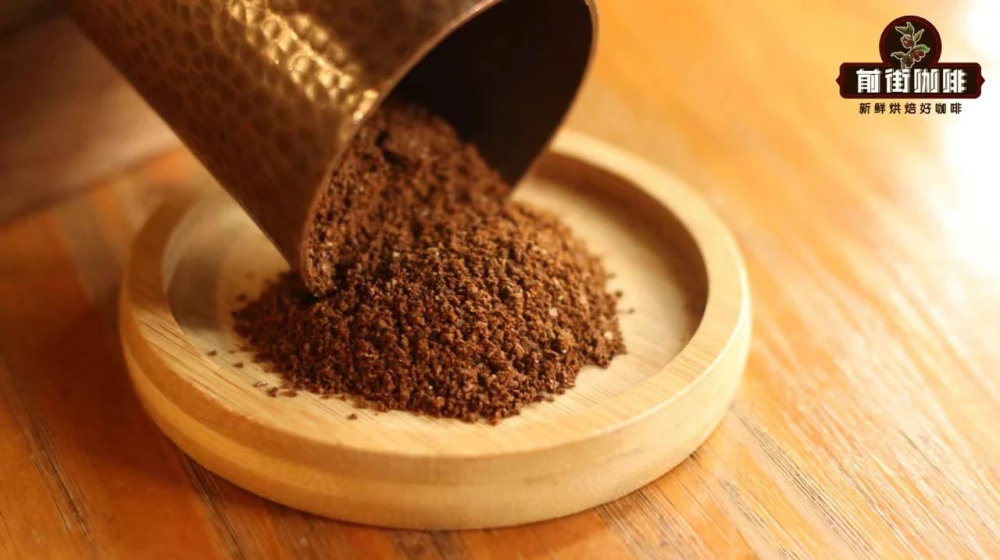
Perhaps sharp-eyed readers will notice that Front Street Coffee (FrontStreet Coffee)'s grinding parameters for this Kenya coffee bean are different from the other bean mentioned earlier. The grind size for each coffee bean varies because of factors such as variety, altitude, processing method, roasting, and so on. Therefore, when Front Street Coffee (FrontStreet Coffee) receives a newly roasted bean, it will first sift it once to determine the appropriate grind for pour-over.
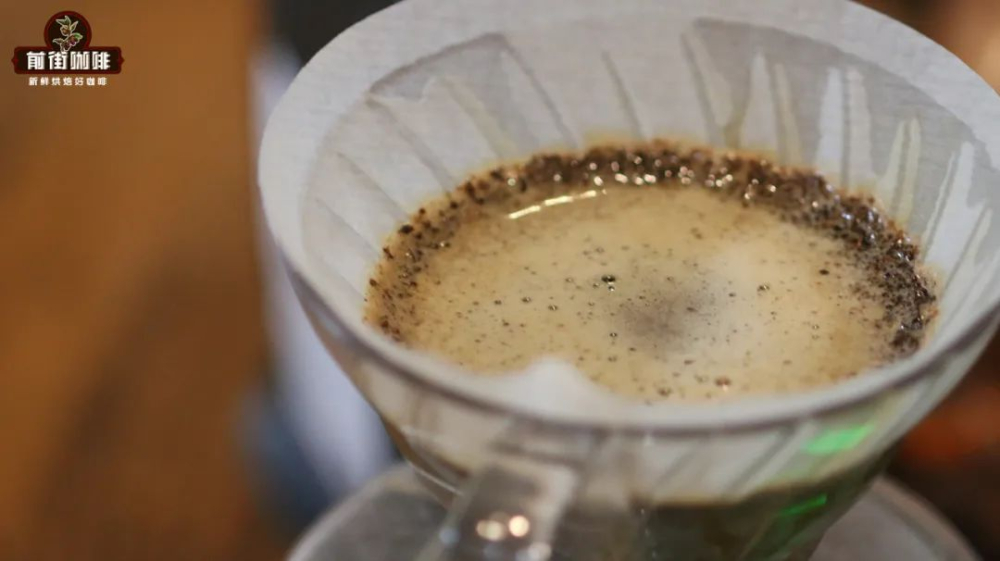
Front Street uses staged extraction: 30 grams of water for blooming for 30 seconds, then pour with a small stream until 125 grams and pause, then when the water level is about to expose the coffee bed, continue pouring until 225 grams and stop, (timing starts at the beginning of blooming) extraction time is 2'00".
The above content is compiled by CoffeeHunters, a coffee news website.