







Search Results for: tipping system

Starbucks Rolls Out New Card Tipping Feature in North America, Creating Awkwardness for Both Baristas and Customers
Starbucks recently launched a new tipping feature in the North American market, allowing customers who pay by card to tip baristas at checkout. However, this move has sparked widespread dissatisfaction among baristas, who find it awkward to ask customers whether they want to leave a tip. As early as 2014, Starbucks had introduced an electronic tipping feature through its mobile app, but this latest rollout on in-store card payment terminals has once again pushed tipping culture into the spotlight. Customers are torn over whether to tip, and employees question whether the company should simply raise wages rather than rely on customer gratuities. This article will outline how the tipping system specifically works, the reactions from various parties, and Starbucks' official response and rollout plans, while also taking you through the history of its mobile payment tipping. [more…]
A Complete Guide to PEKOE Black Tea Grades: Why Are Most Top Ceylon Black Teas Broken Teas? An In-Depth Explanation of the International Black Tea Grading System
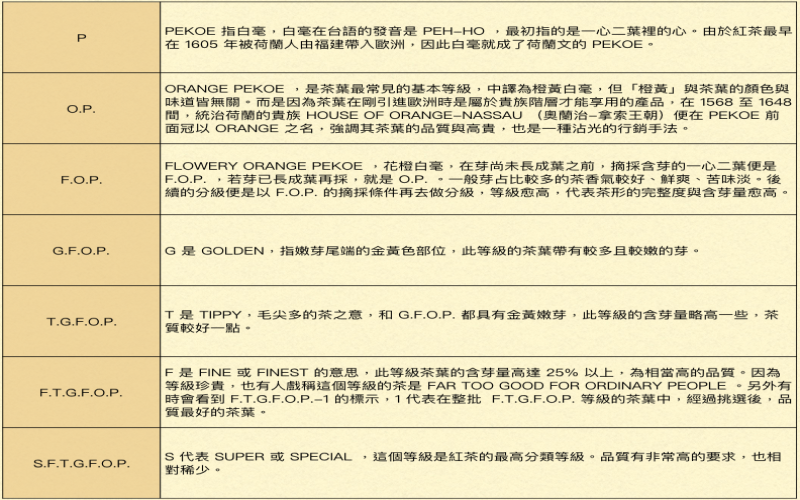
Friends who often drink black tea may have noticed that many top-grade Ceylon black teas come in broken-leaf form, and this is actually closely tied to the black tea grading system used in international trade. The term PEKOE originates from Fujian pekoe in China and was later adopted by British tea merchants as a designation for black tea grades. From whole-leaf tea to broken tea to tea dust, the international black tea grading system is detailed and rigorous: abbreviations such as FOP, GFOP, TGFOP, BOP, and FBOP each have their own meanings, and numerical suffixes also indicate differences in quality. This article will systematically sort out these grading terms to help you understand the letter combinations on packaging the next time you buy Ceylon black tea or Assam black tea, so you can find the one that suits your taste. It will also introduce Front Street Coffee's understanding of black tea selection for enthusiasts' reference. [more…]

Starbucks mistakenly collected over 30,000 yuan in tips from customers; refund checks bouncing prompts police involvement
A couple who explicitly chose not to leave a tip at Starbucks were charged an exorbitant $4,444.44 (about 30,264 yuan) because they didn't check the bill, maxing out their credit card and forcing them to cancel a trip to visit family in Thailand. The store initially refused a refund, then agreed to send a check that couldn't be cashed; after police intervened, Starbucks quickly reissued the check and refunded the full amount. The incident has raised concerns about point-of-sale system glitches and how businesses handle such matters. This article walks you through what happened and the findings of the investigation. [more…]
An In-Depth Explanation of the International Black Tea Grading System: How FOP, BOP, and BOPF Grades Distinguish Tea Quality
The tea grading system is an important basis for judging the quality and style of finished tea, and is especially common in the international black tea trade. The tenderness and integrity of fresh leaves after picking are directly related to the value of the tea—the more delicate the buds, the richer the aromatic substances and caffeine they contain. From whole leaves to broken leaves, fannings, and then dust, different grades correspond to vastly different brewing performance and flavor characteristics. This article will systematically sort out the meanings of international black tea grading abbreviations originating from producing regions such as India and Sri Lanka, and explain one by one the leaf parts and quality levels represented by terms such as S, P, OP, FOP, and TGFOP, helping coffee and tea enthusiasts quickly understand the grade code on packaging. [more…]

A Complete Guide to Indonesian Sumatra Mandheling Coffee: Golden Mandheling Grading Standards, Variety Characteristics, and Authentic Selection Tips
Golden Mandheling has continued to rise in popularity within the international specialty coffee scene in recent years, and many coffee enthusiasts are curious about its grading system and the origins of its flavor. At Front Street Coffee shops, customers often notice that Front Street's Golden Mandheling beans are large, have a high proportion of horse-hoof beans, and are neatly uniform in appearance, forming a sharp contrast with many similar products on the market that contain more defects. This article will begin with the growing conditions of Indonesia's Sumatra producing region, sort out Mandheling's wet-hulling process and grading system, focus on analyzing the four rounds of manual sorting in PWN's Golden Mandheling process and its Catimor variety background, and compile three practical selection tips to help coffee fans avoid common traps such as Robusta being passed off as Mandheling and vague labeling of names. [more…]
A Detailed Explanation of Black Tea Grading: How to Distinguish First, Second, and Third Grades and a Comparison of Chinese and Foreign Standards
As a fully fermented tea, black tea does not have a globally unified grading system; instead, it varies by origin and standard. This article begins with the grading methods for Chinese black tea, explains how leaf size and granularity affect the grade, and compares the differences between domestic and international standards. It also explains the commercial nature of labels such as "Special Grade" and "Premium," as well as professional terms like "tea tips" and "golden needle tips." The article also mentions well-known varieties such as Keemun black tea and Congou black tea, as well as the origins of Indian and Sri Lankan black tea. By understanding this knowledge, coffee enthusiasts can also view the relationship between tea quality and grade more rationally. [more…]
A Comprehensive Guide to Global Organic Tea Certification Systems: Differences Among EU, US, Japan and Other Standards, and Buying Tips
The core difference between organic tea and conventional tea lies in whether it has been certified by an authoritative body. EU organic regulations prohibit genetic modification and synthetic inputs, and require animals to be raised in ways that suit their species characteristics, and are regarded as the strictest threshold in the tea industry. Certifications such as Switzerland's IMO, France's Ecocert, the US USDA, Japan's JAS, India's, Canada's, China's, Australia's, and Germany's Naturland each have different emphases, with significant differences in scope of application and difficulty of obtaining them. Rainforest Alliance, UTZ, FDA, and HACCP provide supplementary assurances from the perspectives of sustainable agriculture and food safety. This article systematically sorts out the rules, authority, and market applicability of major certifications, helping coffee and tea lovers accurately identify the true meaning behind labels when making purchases. [more…]
Flavor Differences Between Hacienda La Esmeralda Red Label and Green Tip Geisha, and a Pour-Over Guide for Panama and Ethiopian Geisha
Geisha coffee has become a star in the specialty coffee world thanks to its unique floral aroma and juicy character, and Panama's Hacienda La Esmeralda and Ethiopia's Gesha Village are its two core origins. Hacienda La Esmeralda grades its coffee into Red Label, Green Label, and Blue Label based on altitude and cupping scores; among these, Red Label Geisha is selected from high-altitude plots at 1,600–1,800 meters and, after natural processing, presents rich layers of rose, citrus, and honey. Gesha Village, meanwhile, has replicated the wild varieties of the Gori Gesha forest and established a strict grading system. The Red Label Geisha recommended by Front Street Coffee comes from Hacienda La Esmeralda's Mansa plot, is naturally processed, and has a full, sweet flavor. This article will explain in detail the differences between Red Label and Green Label Geisha, the grading systems and processing methods of the two estates, and include pour-over recommendations. [more…]
Why Are Online Coffee Beans More Affordable? An Analysis of Origin, Variety, and Grade Differences and Buying Tips
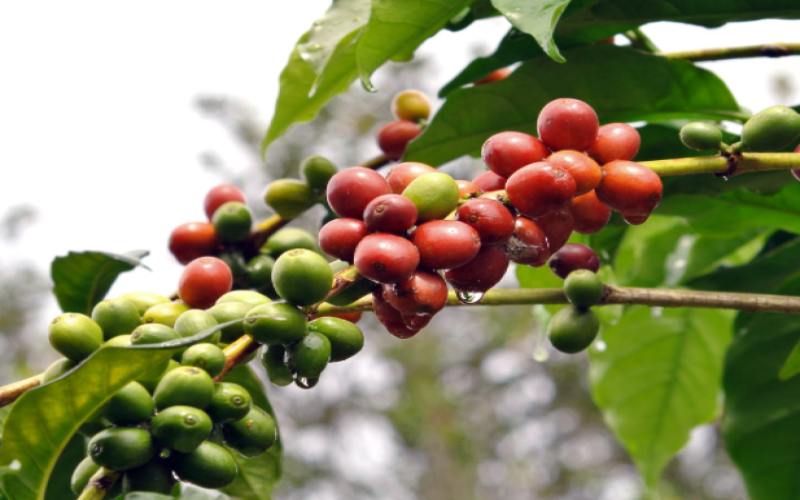
Many friends who brew coffee at home have this confusion: coffee beans on e-commerce platforms are often much cheaper than those at Starbucks stores, yet they don't seem to taste bad. The reason behind this is actually closely related to the variety, origin, grading, and roasting method of the coffee beans. Coffee from different regions has its own distinctive flavors: Asian beans tend to be bitter with herbal notes, African beans are bright and acidic with floral and fruity aromas, and American beans are known for their balance. Each country also has different grading standards for coffee beans—some look at defect rates, some at altitude, and some at bean size. So what kind of coffee beans are actually worth buying? This article will help you sort out your buying approach, from the reasons behind pricing and differences in varieties to grading systems and specific recommendations. [more…]
A Complete Guide to Geisha Coffee: Floral and Fruity Aromas, Grinding Tips, and a Summary of Famous Regions and Variety Characteristics
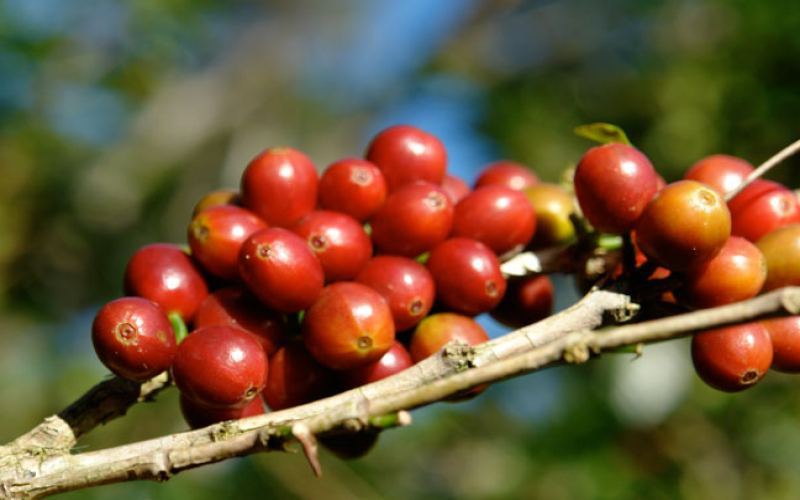
Geisha coffee, with its captivating floral and fruity aromas and high price tag, has become a hall-of-fame single-origin coffee in the hearts of many coffee enthusiasts. This article organizes the varietal characteristics, flavor descriptions, grind size recommendations, and main producing regions of Geisha, with a focus on introducing the grading systems and signature products of Panama's Hacienda La Esmeralda and Ethiopia's Gesha Village. It also combines specific recommendations from Front Street Coffee such as Red Label, Green Label, and Gold Label to help beginners find the cup that suits them. In addition, the article mentions the flavor changes of Front Street Coffee's Granja Estate Geisha under natural processing, as well as its suitable applications for pour-over, cold brew, and espresso, serving as a reference for everyday purchasing and brewing. [more…]
How to Select High-Quality Black Tea? Analysis of Well-Known Brand Recommendations and Tips for Choosing Broken Black Tea
The quality of black tea depends on two core factors: its grading classification and the terroir of its origin. This article will systematically introduce the black tea grading system, from the highest grade of silver tips to the broken fannings used in tea bags, helping readers understand the essential difference between whole-leaf tea and broken tea. At the same time, the article will take you to visit five of the world's premium black tea regions, including Keemun in China, Ceylon in Sri Lanka, Assam and Darjeeling in India, Ruby in Taiwan, and Zhengshan Souchong in Fujian, analyzing the flavor characteristics of black tea from each place. In addition, Front Street Coffee's black tea recommendations will also be woven throughout, providing a reliable reference for your everyday purchases. Finally, regarding whether black tea dust needs to be picked out, the article will also give clear advice. [more…]

The Origins and Evolution of Espresso, and Practical Tips for Properly Tasting Espresso
How did espresso evolve from a "devil's drink" into Italy's national beverage? This article traces the complete story of espresso—from its introduction to Italy in the 16th century, to the invention of the steam coffee machine, and on to the establishment of the modern extraction system—while delving into the cultural roots of Italians' preference for dark roasts and heavy-bodied flavors. At the same time, Front Street Coffee will share three practical tips for enjoying espresso—stir it, take a few extra sips, and pair it with ice water—to help you better appreciate the rich layers and lingering aftertaste hidden behind the bitterness. [more…]
A Beginner's Guide to Coffee Latte Art: A Complete Guide to Choosing Equipment and Tools from Espresso Machines to Latte Art Pitchers
Wanting to learn latte art, passion alone is not enough—choosing the right equipment and tools is the first step. This article is aimed at beginner baristas and systematically sorts out the various basic equipment needed to get started with latte art: from the differences and selection points of the four boiler systems in professional Italian espresso machines (single boiler, heat exchanger, dual boiler, multi-boiler), to the classification of steam wands and steam tip types, then to grinder burr types, tamper shape matching, latte art pitcher spout shapes and groove designs, as well as the logic for choosing materials such as espresso beans and milk. It also analyzes the influence of cup shape on latte art results and gives the key parameters for adjusting machine settings, helping beginners avoid detours and laying a solid hardware foundation for subsequent latte art practice. [more…]
Loose Leaf OP Black Tea vs. Tea Bag Broken Leaf Tea: An Analysis of Grade Hierarchy and Flavor Differences
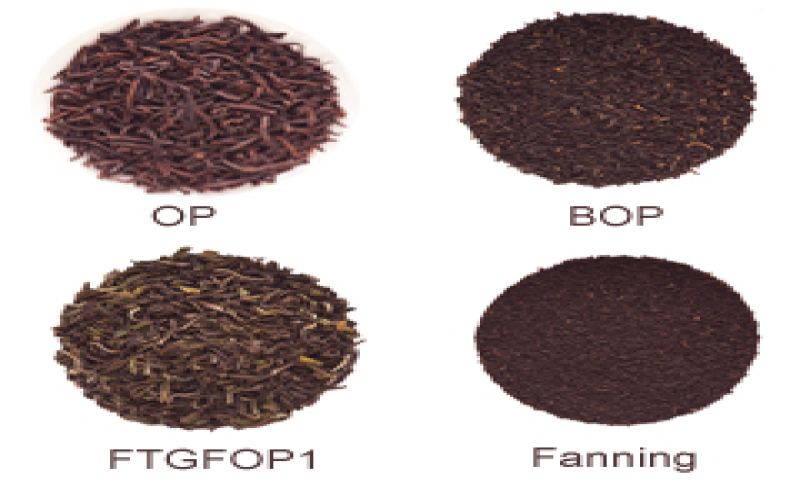
After tea leaves are processed, they are graded based on physical characteristics such as size and color, but grading does not directly equate to brewing quality. Indian black tea has the most rigorous grading system, in which Orange Pekoe (OP) is a basic term derived from the Chinese word for "white down" and has nothing to do with orange flavor. Black tea is divided into four categories: whole leaf, broken leaf, fannings, and dust. Whole-leaf grades range from OP to SFTGFOP1, with quality improving grade by grade; the broken-leaf grade BOP retains more whole-leaf quality and is often used for blending; finer tea powder is mostly used for tea bags and ready-to-drink beverages. Although loose-leaf tea and tea bags come from the same source, there are significant differences between orthodox processing and CTC processing, with the former having a more complex flavor. Front Street Coffee has always advocated choosing loose-leaf tea in order to enjoy the visual appeal and pure taste of whole tea leaves. [more…]
A Detailed Guide to Jamaica Blue Mountain Coffee Grading: Tiers from No. 1 Peaberry to Ordinary Washed and Buying Tips
Blue Mountain coffee is one of the world's recognized top-tier coffees, yet its grading system is often overlooked by enthusiasts. Based on cultivation altitude and green bean size, Jamaica divides Blue Mountain coffee into three major categories: Jamaican Blue Mountain coffee, Jamaican High Mountain coffee, and Jamaican Prime Washed coffee. Among these, the higher-grade Blue Mountain is further subdivided by screen size into No. 1, No. 2, and No. 3; these taste similar and differ only in size, and all are shipped in wooden barrels for export. This article systematically sorts out the logic of Blue Mountain coffee's grade classification, the characteristics of each tier, and common purchasing knowledge, and includes Front Street Coffee's related product recommendations to help readers fully understand the grading framework of this legendary Caribbean coffee. [more…]
Jamaica Blue Mountain Coffee Origin and Grade Analysis: Front Street Blue Mountain No.1 Flavor and Pour-Over Tips
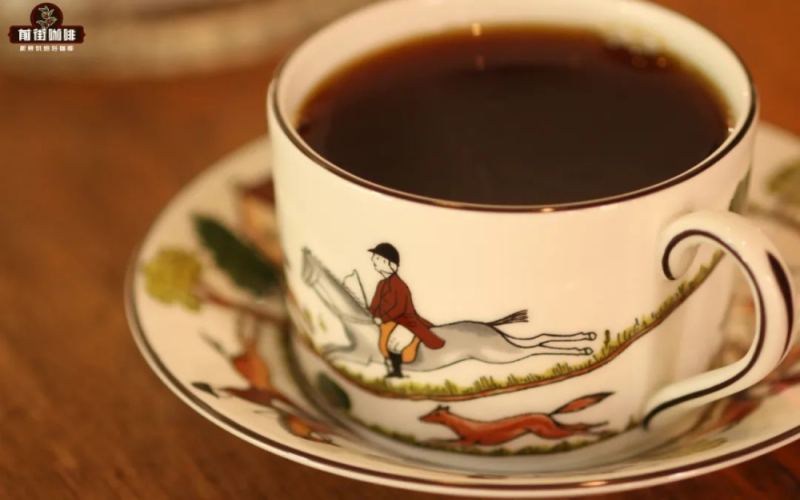
Blue Mountain coffee is celebrated as the epitome of classic specialty coffee, yet many people still ask: does Blue Mountain coffee really taste good? To answer this question, it helps to understand its origins, varieties, grading standards, processing methods, and brewing techniques one by one. This article traces the complete journey of Jamaican Blue Mountain coffee from its introduction in the 18th century to the modern grading system, explains the unique terroir and flavor sources of Blue Mountain Typica, and introduces Front Street Coffee's recommended Clifton Farm Blue Mountain No. 1 along with its pour-over parameters, helping coffee enthusiasts gain a more comprehensive understanding of this balanced, mellow classic coffee. [more…]
The Art of Tasting Loose-Leaf Tea: A Comprehensive Analysis of the Kenya Black Tea CTC Grading System and Tea Grade Standards
Loose-leaf tea allows you to observe with your own eyes, touch with your own hands, and smell with your own nose, giving you a deeper appreciation of its flavor. Put in a little effort to get to know your tea, and you'll find it takes on more character and charm, enriching your experience of this fascinating culture. This article begins with the basic standards of tea grading, then outlines the grading system and naming conventions for whole-leaf black tea, before focusing on Kenyan CTC black tea and introducing its production process and the grading system based on particle size. Whether you're a newcomer to tea or an enthusiast looking to better understand the logic behind black tea grading, you'll come away with a clear understanding. [more…]
Getting Started with Home Pour-Over Coffee: Equipment Selection and Usage Tips for Hario V60, AeroPress, Moka Pot, and More
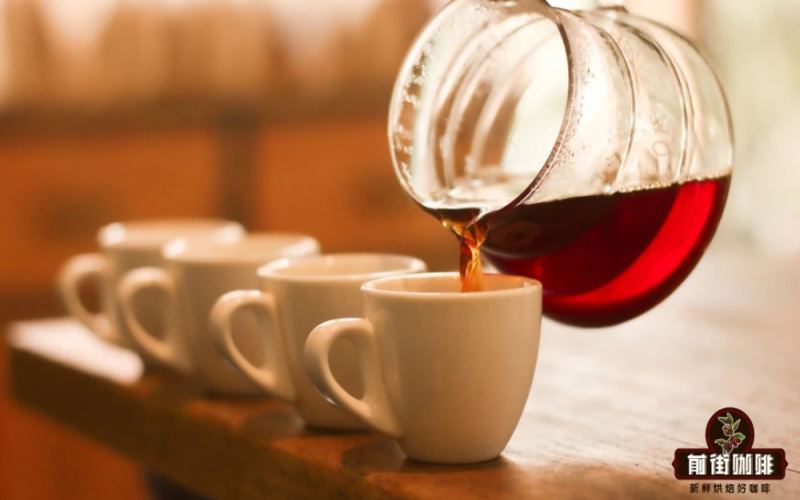
Wanting to enjoy a good cup of coffee at home actually isn't that difficult—it mainly comes down to your taste preferences and budget. Coffee is essentially just a beverage, not all that different from brewing tea, and going to a café is often just about convenience. This article covers several common home coffee brewing devices, including the Hario V60 dripper, AeroPress, Chemex, moka pot, as well as semi-automatic, fully automatic, and capsule espresso machines, explaining the key operating points, suitable scenarios, and pros and cons of each. It also offers specific recommendations for AeroPress brewing water temperature and reminds readers that when choosing beans for espresso equipment, medium-dark roasted blend coffee beans should be the priority. Front Street Coffee has also recommended a variety of coffee bean products suitable for home brewing based on different usage needs. [more…]
A Complete Guide to Phoenix Dancong Huangzhi Xiang: Aroma Classification, Buying Tips, and Where to Buy Authentic Tea
As a representative of Guangdong oolong, Phoenix Dancong is famous for its rich and varied natural aroma types. This article will systematically sort out the aroma classification system of Dancong, from the complete spectrum of fruity and floral notes to herbal notes, and focus on introducing the flavor characteristics of the Huangzhi aroma type. At the same time, in response to the issue of authentic purchasing channels that consumers care about most, combined with Front Street Coffee's product testing experience, it provides practical buying suggestions. Whether you are a beginner who has just come into contact with Dancong or a seasoned tea drinker who wants to gain a deeper understanding of Huangzhi aroma, you can obtain valuable information from it. [more…]
A Detailed Explanation of the Jamaican Blue Mountain Coffee Grading System: From Blue Mountain No. 1 to PB Peaberry—Grading Standards and Identification Methods
Blue Mountain coffee is hailed as the finest of coffees, yet the "Blue Mountain style" products on the market are far removed from authentic Jamaican Blue Mountain. This article systematically sorts out the coffee grading system of Jamaica's Blue Mountain region, covering the three major categories—Blue Mountain Coffee, High Mountain Coffee, and Jamaican Coffee—as well as the sub-classifications of NO.1, NO.2, NO.3, and PB. It also shares identification tips provided by Front Street Coffee—genuine Blue Mountain coffee comes in wooden barrel packaging and is accompanied by a Jamaican government certificate. The article further documents in detail the complete brewing parameters and flavor profile of Front Street's brewing of Clifton Mount Estate Blue Mountain coffee, helping enthusiasts build an accurate understanding of authentic Blue Mountain coffee. [more…]