







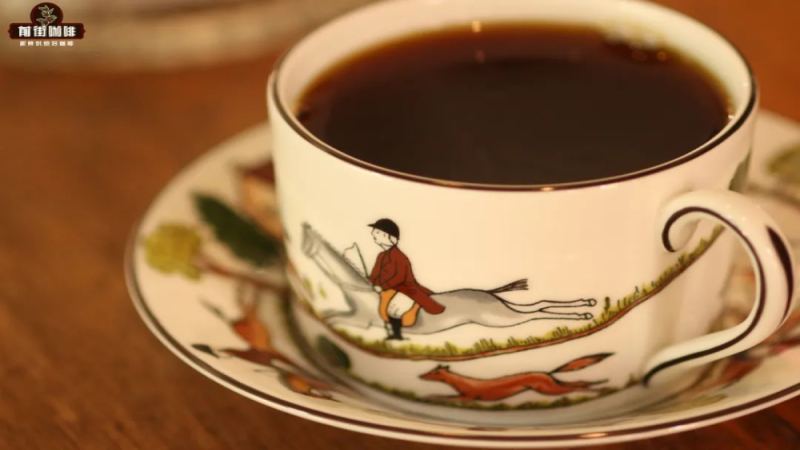
Blue Mountain coffee is hailed as the representative of classic premium coffee, but many people still ask: does Blue Mountain coffee actually taste good? To answer this question, it helps to understand its origin, variety, grading standards, processing method, and brewing method one by one. This article will trace the complete story of Jamaican Blue Mountain coffee from its introduction in the 18th century to the modern grading system, explain the unique terroir and flavor sources of Blue Mountain Typica, and introduce the Clifton Farm Blue Mountain No. 1 recommended by Front Street Coffee along with its pour-over parameters, helping coffee lovers gain a more comprehensive understanding of this balanced and mellow classic coffee.
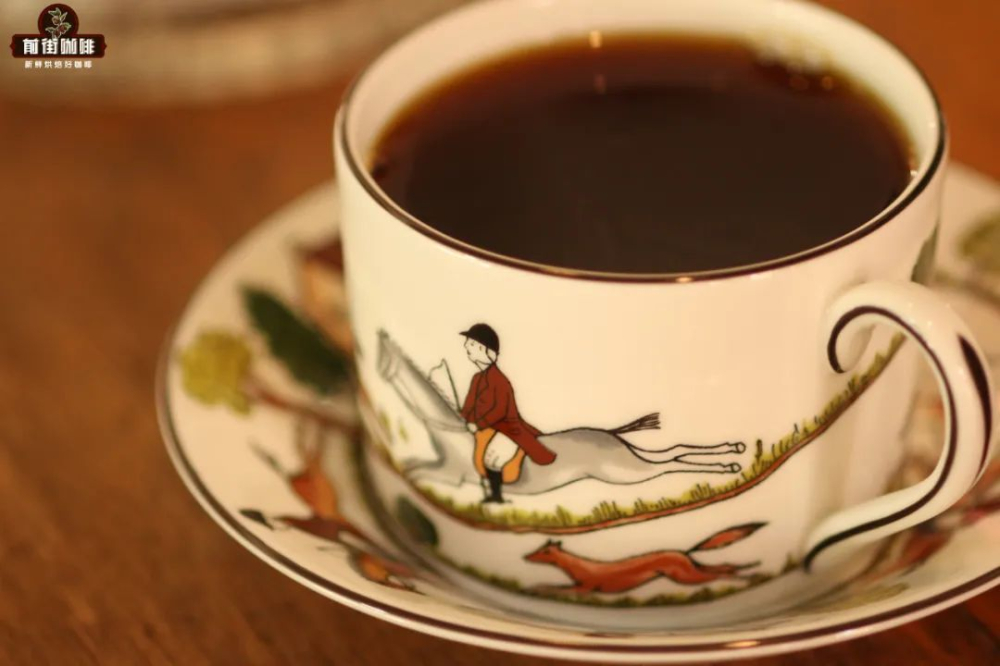
People often ask Front Street: does Blue Mountain coffee actually taste good? The response Front Street Coffee usually gives is that once you taste a cup yourself, the answer becomes clear. As a classic premium coffee, if you want to judge whether Blue Mountain suits your taste, it helps to first understand a few key aspects behind it.
The Origin of Jamaican Coffee
Jamaica's coffee-growing history can be traced back to 1723. At that time, French officer Gabriel Mathieu de Clieu carried several Arabica coffee saplings from the Jardin des Plantes in France across the Atlantic to Martinique in the Caribbean and planted them there. By 1728, Jamaica's governor Nicholas Lawes introduced seeds from that island and planted them on a private estate in the St. Andrew region of Jamaica for trial cultivation. Not long afterward, coffee trees gradually spread to the Blue Mountains and formed large-scale plantations.
The outstanding quality of Jamaican Blue Mountain coffee owes much to its growing environment. The Blue Mountains lie within the coffee-growing belt between 25 degrees north latitude and 25 degrees south latitude. Volcanic activity left behind fertile, mineral-rich soil, the area receives ample rainfall year-round, the mountains are shrouded in mist and clouds for much of the year, and the high altitude creates a pronounced temperature difference between day and night. In addition, the Blue Mountains are a protected national scenic area of Jamaica, with clean, fresh air, giving the coffee trees exceptionally favorable natural growing conditions.
What Coffee Variety Is Blue Mountain?
Specialty-grade Blue Mountain coffee belongs to the ancient Arabica variety Typica. Typica is widely praised around the world for its elegant, pure flavor, but it has weak disease resistance and lower yields than other varieties, so many origins gradually abandoned cultivating it. Returning to Blue Mountain coffee itself, Typica has been grown in the Blue Mountains for more than two hundred years since its introduction in the 18th century. The local Typica has also adapted to the terroir and evolved stronger disease resistance, especially against coffee berry disease, clearly outperforming ordinary Typica.
However, Blue Mountain Typica cannot be "replicated" in other producing regions. Even if Blue Mountain Typica is introduced to other countries, the flavor still never reaches the excellent aroma produced in the Blue Mountains.
The Establishment of Blue Mountain Coffee Grading Standards
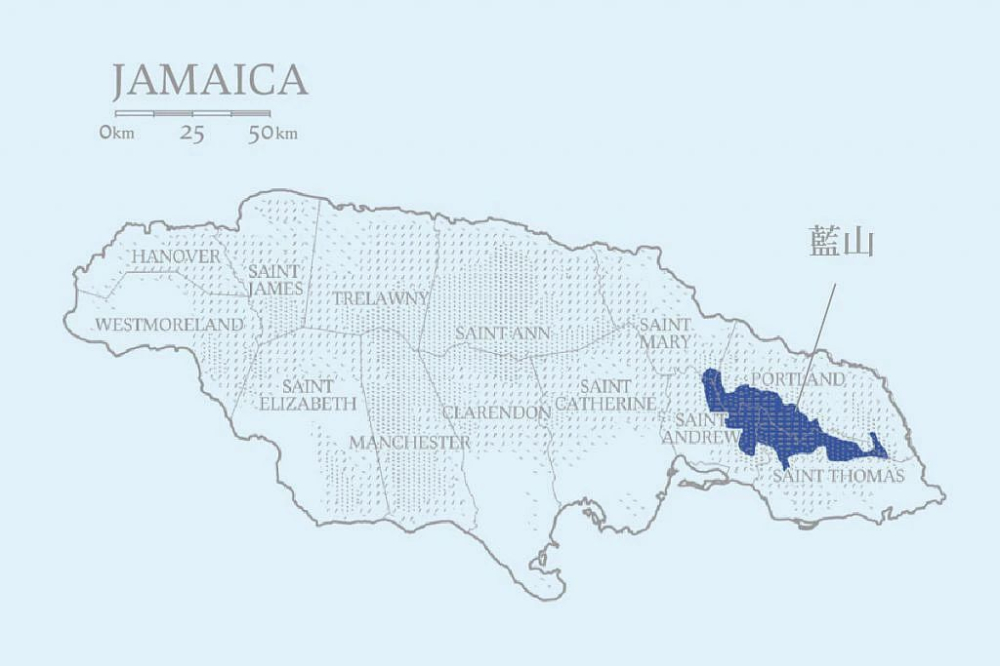
The highest peak of the Blue Mountains is 2,256 meters, and the area above 1,700 meters is a nature reserve, so coffee trees can only be planted below 1,700 meters. Blue Mountain coffee production areas are mainly distributed across four regions: St. Andrew, St. Thomas, St. Mary, and Portland.
In 1950, the Jamaican government established the Jamaica Coffee Industry Board and formulated strict coffee grading standards to ensure the quality of Jamaican coffee. The board stipulated that only Arabica coffee grown at altitudes between 910 and 1,700 meters could be called authentic Blue Mountain coffee, accounting for about 25% of Jamaica's total coffee production. Coffee grown between 460 and 910 meters is called Jamaica High Mountain Coffee, while coffee grown below 460 meters is called Jamaica Supreme.
Washed Processing Makes Blue Mountain Coffee Cleaner
To keep the high quality of Blue Mountain coffee stable, Jamaica insists on using the washed method to process Blue Mountain green beans. Washing can remove defective beans that do not meet specifications at multiple stages, thereby reducing the defect rate of green coffee beans even further.
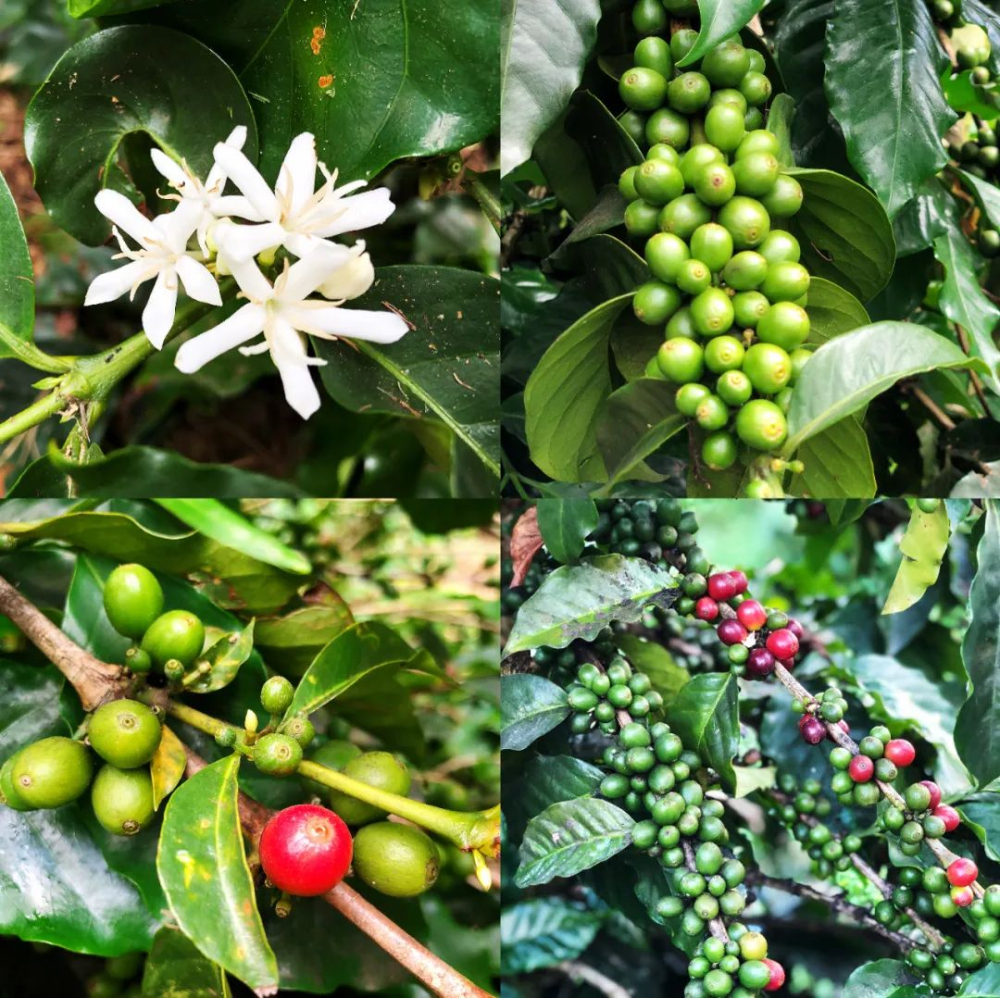
After picking, the coffee cherries are first placed in water, and those that float are defective cherries that do not meet specifications. Next, the skin and pulp are removed, and the beans are fermented in tanks for 12–18 hours. After fermentation is complete, the beans are pushed back and forth in the tank, using friction between the beans and the force of flowing water to wash the coffee beans until they are smooth and clean. After washing, the parchment beans have a moisture content of about 50% and need to be dried until the moisture content drops to 12%–14%; otherwise, the coffee beans will continue to ferment, become moldy and rotten, and develop negative flavors.
After washed processing, Blue Mountain coffee has a clean mouthfeel, a purer aroma, and no excessive off-flavors, with all the flavors balanced just right.
Specialty-Grade Blue Mountain Coffee Beans
The processed green coffee beans undergo manual sorting. Jamaican Blue Mountain coffee has established a strict grading system, divided into four grades based on the number of defects and bean size specifications: No. 1, No. 2, No. 3, and PB. The best among them is No. 1, also called Blue Mountain No. 1, which means the green bean defect rate does not exceed 2%, the bean size is 17–18 screen, and the beans look uniform and neat. The Blue Mountain on Front Street's bean list is the highest-grade Jamaican Blue Mountain No. 1 coffee, produced at Clifton Farm.
Front Street's Blue Mountain No. 1 green beans come with a certificate of origin for Blue Mountain coffee beans issued by Clifton Farm and certified by the Jamaica Coffee Board, as well as the "Blue Mountain barrel" unique to Blue Mountain coffee, which is also the biggest difference between it and coffee from other producing regions. The Blue Mountain barrel can block out humid air during transportation and ensure as much as possible that the Blue Mountain green beans each buyer receives still come with a quality guarantee.
The classic Blue Mountain flavor lies in its rich dark chocolate aroma and balanced, mellow mouthfeel, so Front Street's roasters choose a medium-dark roast level to highlight the full-bodied body.
Brewing Tips for Blue Mountain No. 1 Coffee
For delicate, high-quality coffees like Blue Mountain No. 1, Front Street recommends pour-over extraction to make black coffee, so you can taste the coffee's true character as much as possible. If you want to taste the coffee's best aroma, freshness is very important. The coffee Front Street ships is all freshly roasted within 5 days. After a 4–7 day resting period, it enters its peak flavor window and can be brewed.
No matter which coffee beans are being brewed, Front Street believes that understanding information about the coffee beans is crucial. Generally speaking, coffee can be divided into two major categories by flavor: acidic coffee and bitter coffee. For example, the flavor of Blue Mountain No. 1 coffee beans is nuts, chocolate, and caramel, which is a bitter-oriented profile; while, for example, Front Street's Gudingding Cooperative has flavors of citrus, lemon, and jasmine, which belongs to acidic coffee. When Front Street Coffee baristas brew bitter-oriented coffee, they usually use a lower water temperature and a coarser grind to reduce the chance of over-extraction.
Regarding grind size, Front Street usually uses the passing rate of a standard sieve as a reference. Because everyone's grinding equipment at home is different, even the same grinder may produce a different grind passing rate at the same setting due to different levels of use and maintenance. Therefore, Front Street suggests keeping an extra No. 20 standard sieve at home, which can help calibrate grinding equipment.
To highlight the rich, full-bodied texture of Blue Mountain No. 1 coffee, Front Street uses the KONO dripper for extraction. The KONO dripper has ribs connecting the bottom to the middle, while the upper half of the dripper is a smooth curved surface. In this way, when we pre-wet the dripper, it fits tightly with the filter paper, restricting the release of gases during extraction and creating a siphon-like extraction method. The coffee extraction yield increases, concentration rises accordingly, and the coffee tastes richer and more mellow.
Blue Mountain No. 1 pour-over parameters: KONO dripper, 88°C water temperature, 1:15 coffee-to-water ratio, grind size with 75% passing a Chinese No. 20 standard sieve, 15g coffee grounds, three-stage extraction.
First pour 30g of hot water and bloom for 30 seconds, then pour from the center with a thin stream and slowly spiral outward to 125g. When the water level in the dripper drops to the point where the coffee bed is about to be exposed, continue spiraling and pouring to 225g. The total extraction time is about 2 minutes.
Freshly brewed Blue Mountain No. 1 coffee has a rich dark chocolate aroma. On the palate there are baked bread and nuts, with a gentle acidity, a long sweet finish, and an overall balanced, mellow mouthfeel that is not bitter at all.
For professional coffee knowledge exchange and more coffee bean information, please follow Coffee Workshop (WeChat public account: cafe_style)
For more specialty coffee beans, please add the private WeChat of Front Street Coffee: qjcoffeex
The above content is compiled by CoffeeHunters, a coffee news website.


