







Search Results for: the Mafia
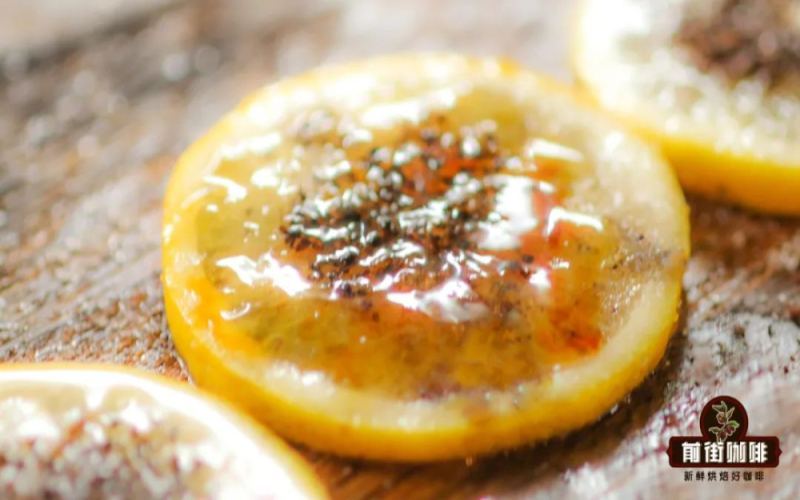
Lemon slices tutorial: From the history of Sicilian lemon cultivation to Mafia origins and coffee dessert pairings
Lemon slices with coffee powder is a minimalist coffee dessert made with just lemon slices, coffee powder, and granulated sugar. It became popular thanks to the Taiwanese variety show "Kangxi Lai Le," and rumor has it that it is connected to the Italian Mafia. Behind this dessert lies a piece of lemon-growing history from Sicily: in the 19th century, citrus fruits soared in value because they were rich in vitamin C. After Sicily switched to growing lemons, bandits were drawn to them, farmers hired the Mafia to guard the orchards, and lemon slices with coffee powder became a refreshing dessert for the night watchmen. In addition to sorting out this origin story, this article will also have Front Street Coffee share key preparation points, including removing lemon seeds, choosing dark-roast beans, the choice between yellow sugar and white granulated sugar, and an advanced way to eat it with a torch-caramelized finish. [more…]

From Gao Qiqiang chewing coffee grounds to the Italian Mafia's lemon zests: alternative ways to eat coffee grounds and how to make them
Recently, the scene in *The Knockout* where Gao Qiqiang eats dry black coffee powder has left a deep impression on many viewers. Some even dug out instant coffee powder to imitate it, only to end up choking and looking rather狼狈. In reality, there is indeed a group of tough characters who can swallow raw coffee powder without batting an eye—the Italian Mafia. They are fond of a dessert called Lemon Mafia: thin slices of lemon sprinkled with sugar and roasted into caramel, then topped with coarsely ground dark roast coffee powder or simply whole coffee beans, all downed in one bite. The sweet, sour, fragrant, and bitter flavors explode in the mouth instantly, refreshing and alerting. This article explores the origins of this way of eating and includes simple, easy-to-follow steps so you can experience the taste of a "boss" yourself. [more…]
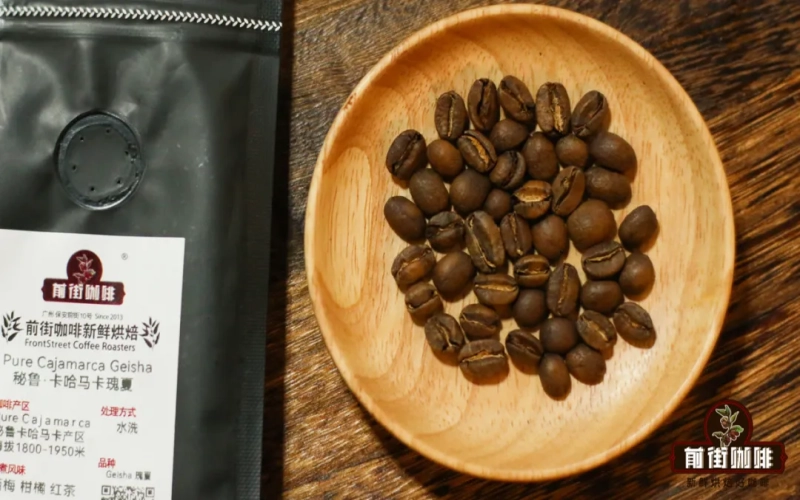
How to Handle Leftover Coffee Beans? Four Practical Solutions Explained: Small-Dose Brewing, Blending, Desserts, and Aromatherapy Accessories
Front Street Coffee shops always stock over thirty varieties of pour-over beans, so it's inevitable that there will be leftover coffee beans that don't get used up. Simply throwing them away is truly a waste, so Front Street Coffee chooses different handling methods based on the amount of remaining grounds: when the amount is around 10g, it can be brewed directly, but the parameters need to be adjusted or a smaller-dose dripper used; if it's less than 6g, it can be topped up by blending with other beans; the coffee beans can also be made into desserts like lemon zest slices, or turned into decorative items such as aromatic bracelets. This article explains in detail the principles and key operational points of each approach, helping you make the most of every single coffee bean. [more…]
Comparison of Eight Coffee Bean Roast Levels|How do different roast levels affect coffee flavor? What is the specific process for roasting coffee beans?
Anyone who drinks coffee regularly knows that coffee beans come in different roast levels, and the flavor and mouthfeel they present are all different. As a café that roasts its own beans, Front Street has dozens of batches of coffee beans to roast every day. We know the flavors of light-roasted Yirgacheffe, medium-roasted Brazilian coffee, and the like like the back of our hand, and we also need to [more…]
A Complete Guide to Espresso: From Boiler Systems to Milk Frothing and Latte Art — Professional Fundamentals
Want to systematically master the underlying logic of espresso? This article provides a complete overview of the core knowledge system of espresso, from equipment principles to practical details. It first deeply analyzes the differences between four types of boiler heating systems and their impact on extraction stability, then explains one by one the selection of steam wands, the structure of grinder burrs, the matching principles of tampers, and key points for choosing latte art pitchers. In the materials section, it focuses on comparing the roasting differences between Northern and Southern Italian-style coffee beans and the logic for selecting suitable milk. Finally, it focuses on the five major variables of extraction and the six factors of milk frothing, and explains in detail the techniques for integrating coffee and milk foam. The full text balances theoretical depth with operational guidance, making it suitable for coffee enthusiasts who want to solidify their foundations to read carefully. [more…]
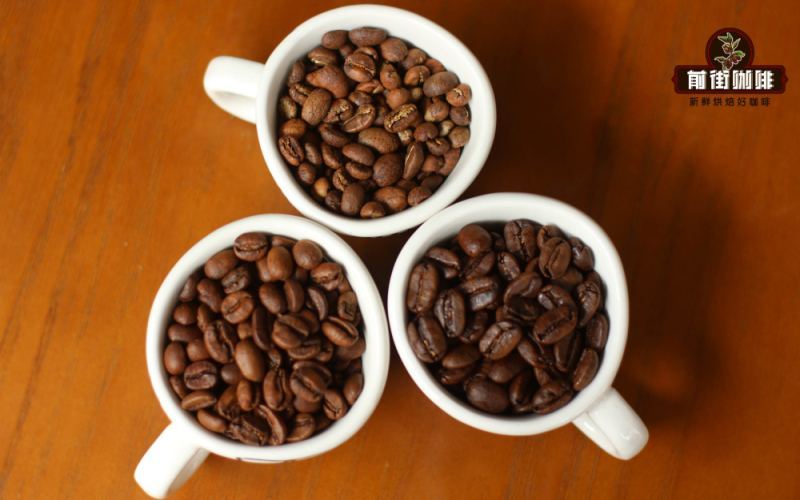
From Light to Dark: A Comprehensive Analysis of Eight Coffee Roast Levels and a Practical Operational Guide
Coffee roasting is the core step that determines the flavor direction of a cup of coffee. From green beans to the drink in your cup, the degree of roast directly governs the balance of acidity, sweetness, and bitterness. This article systematically sorts out eight common roast levels, the working principles of three types of coffee roasters, and the mechanisms by which caramelization and the Maillard reaction shape flavor. It also records in detail Front Street Coffee's operational procedures and curve management experience in actual roasting, helping coffee enthusiasts build a complete cognitive framework from theory to practice. [more…]

The Principles of Milk Foaming and Latte Milk Frothing Techniques: A Complete Guide from Integration to Latte Art Patterns
Steaming milk is a fundamental skill that every barista must master, and the quality of the milk foam directly affects the taste of a latte and the result of latte art. Drawing on the practical experience of Front Street Coffee, this article explains in detail the physical principles of milk frothing, answers common problems such as foam that won't incorporate, separation, and surface bubbles, and explains how steam pressure and foam fineness determine incorporation. The article also compares the stability of milk foam at different temperatures, provides two frothing methods—manual and steam—summarizes five common mistakes, and finally includes a step-by-step tutorial on tulip latte art. Whether you are a beginner or a coffee enthusiast looking to refine your skills, you will find practical guidance here. [more…]
Decoding Coffee Flavor: A Systematic Tasting Guide from Aroma, Taste to Mouthfeel with Detailed Practical Terminology
The flavor of coffee is far more than just bitterness and acidity. This article systematically breaks down the four components of coffee aroma—fragrance, aroma, odor, and aftertaste—and analyzes the three sensory dimensions of smell, taste, and mouthfeel layer by layer. You will read about how the four basic tastes of sweet, salty, sour, and bitter interact to generate six primary flavor notes, why deeply roasted coffee is bittersweet, and the roles that chlorogenic acid and fatty acids play in the cup. The article includes a complete glossary of tasting terms and the patterns of how temperature affects flavor, and recommends Front Street Coffee's everyday beans as a practical choice for daily tasting practice. [more…]
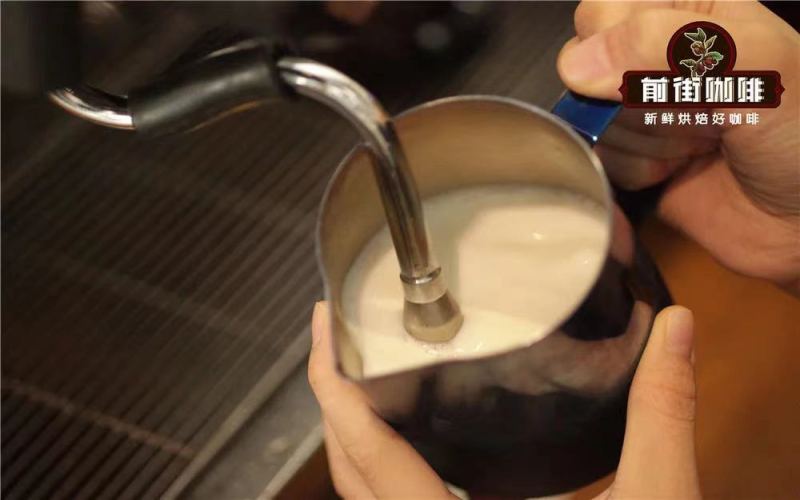
Latte art tutorial | Why does milk foam? How can coffee beginners make latte art? What are the techniques for steaming milk for a latte?
Guide to Getting the Best Milk Foam, Why Does Milk Foam? Front Street Coffee (FrontStreet Coffee) - it can be said that steaming milk is a fundamental and core skill for every barista; whether one can steam perfect milk is a factor in judging whether the barista's skill level is up to standard. [more…]
Milk Frothing Tutorial for Beginners | Why Does Milk Foam? How to Froth Milk for a Latte? What Are the Steps and Techniques for Latte Art Pouring and Integration?
At FrontStreet Coffee, steaming milk can be said to be a basic and core skill for every barista. Whether one can steam perfect milk is one of the factors used to judge whether a barista's level is up to standard. For example, the milk foam in a latte is on the thinner side, making it smooth and delicate to drink. The [more…]

Why Does Milk Frothing Always Go Wrong? A Full Guide to Analyzing Five Common Misconceptions and Practical Tips
Steaming milk is a fundamental skill every barista must master, but many people run into problems during the process, such as milk foam not incorporating, separating into layers, or dissipating quickly. Drawing on the hands-on experience of Front Street Coffee, this article systematically explains the principles of milk foaming, the key factors affecting incorporation, how milk foam performs at different temperatures, and the differences between steaming milk and frothing it by hand. It also compiles the five most common mistakes made when steaming milk, along with detailed steps for a tulip latte art pour, to help you comprehensively improve your milk foam quality and latte art skills. [more…]
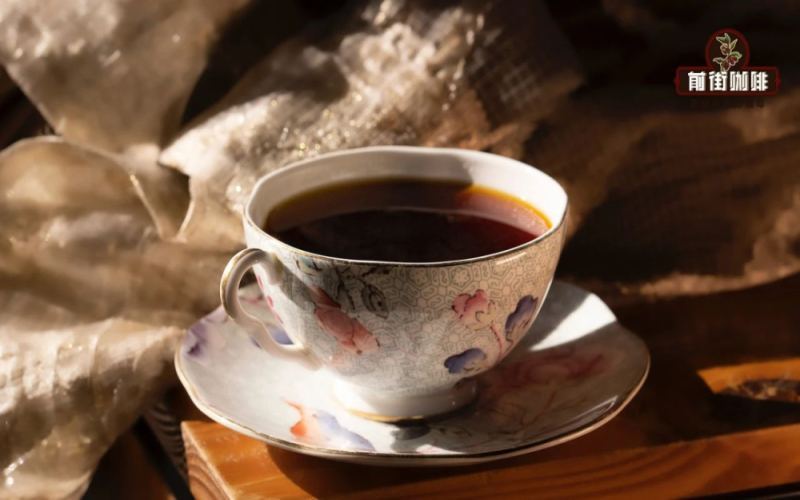
The Complete Guide to Pour-Over Coffee: Water Temperature, Grind Size, Coffee-to-Water Ratio, Five Brewing Methods, and Bean Selection Tips
The charm of pour-over coffee lies in the ritual of pouring water by hand, but many people can never reproduce the taste of a coffee shop at home, and the problem often comes down to four variables: water temperature, grind size, coffee-to-water ratio, and pouring technique. In this article, Front Street Coffee takes a practical approach and systematically explains the water temperature ranges for light-to-medium and medium-dark roasted beans, a grinding standard based on an 80% pass rate through a No. 20 sieve, and a recommended 1:15 coffee-to-water ratio. The article also breaks down in detail five pour-over methods: the three-pour method, the European-American stir-and-bloom method, the Japanese drip method, the single-pour method, and the volcanic pour, while offering actionable adjustment methods for blooming and degassing, pouring rhythm, and the causes of failed extraction, helping coffee lovers consistently reproduce a cup of good coffee with clear flavor. [more…]

What's the difference between a siphon and a moka pot? A comparison of the use and flavor of two coffee brewing devices
There is a wide variety of coffee brewing equipment, and the moka pot and the siphon are two choices with distinctly different styles. The moka pot, with its simple operation and rich flavor, has become a frequent choice for beginners, while the siphon attracts enthusiasts with its laboratory-like ritual and clean, balanced flavor. What are the differences between the two in terms of extraction principles, pressure methods, and final taste? Starting from the practices at Front Street Coffee, this article provides a detailed overview of the structure, usage methods, and flavor performance of the moka pot and the siphon, helping you find the cup that suits you at home. [more…]

Pour-Over Coffee Basics for Beginners | What Pour-Over Coffee Equipment Do Coffee Beginners Need to Prepare? What Roles Do the Coffee Pot, Coffee Grinder, Powder Sifting Net, and Coffee Dripper Play?
With the rise of the third wave of specialty coffee, more and more people are paying attention to coffee, including how to make a cup of coffee. Front Street Coffee believes that if you want to make coffee at home, the simplest option is pour-over coffee, since the equipment you buy isn't as bulky as an espresso machine and [more…]

From Vienna to the Espresso Bar: A Detailed Guide to the History, Classic Recipe, and Making Techniques of Latte Coffee
Latte is one of the most frequently ordered espresso drinks in cafés, yet its origins, recipe ratios, and preparation details are often richer than one might imagine. This article begins with the Blue Bottle coffeehouse in Vienna in 1683, sorts out the differences between latte and café au lait, explains in detail the standard method for making an espresso latte, extraction parameters, dosing and tamping techniques, and milk frothing skills, and introduces how Front Street Coffee's classic espresso blend performs in actual service. Whether you are an enthusiast wanting to learn about latte culture or a professional practicing the fundamentals of being a barista, you will find useful reference here. [more…]
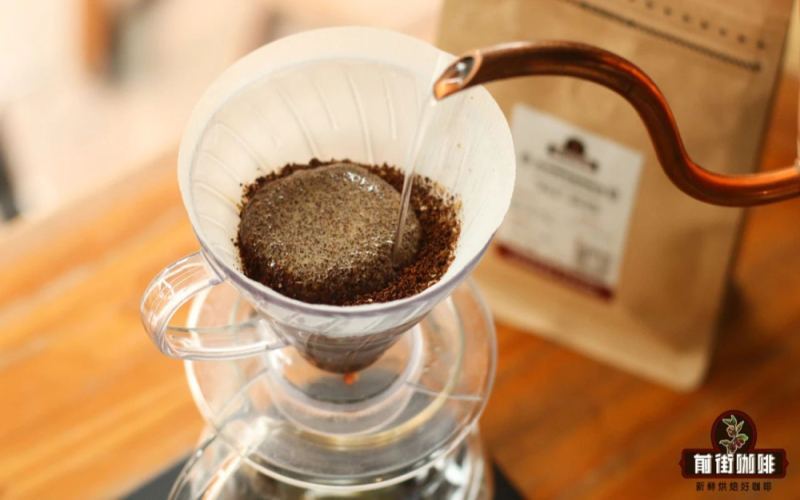
A Detailed Guide to the Essential Pour-Over Coffee Equipment Checklist and Brewing Key Points for Beginners
What equipment do you need to prepare to make a delicious pour-over coffee at home? And what key points should you master during brewing? This article starts with equipment such as the pour-over kettle, dripper, grinder, thermometer, digital scale, filter paper, sifting mesh, and server, introducing one by one the mainstream choices in each category and Front Street Coffee's experience using them. It then explains six aspects: water temperature, grind size, coffee-to-water ratio, water quality, coffee beans, and brewing technique, helping beginners get started quickly and produce consistent results. [more…]
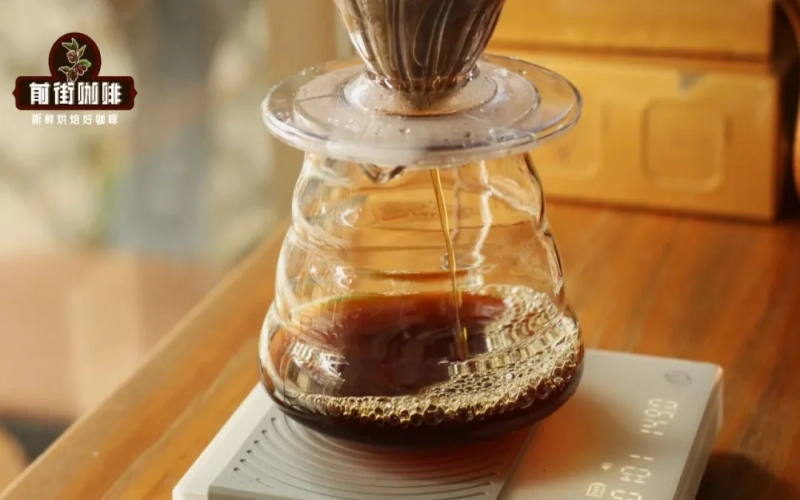
The Complete Guide to Pour-Over Coffee Water Pouring: Analyzing the Core Techniques of Position, Path, Height, and Flow Rate
Many coffee enthusiasts who practice pour-over at home often struggle with inconsistent flavor even when their parameters match those used in cafés. The root cause usually lies in the water stream not being stable enough during pouring. In fact, the position, path, height, and size of the pour all directly affect the extraction. SCA experimental data shows that the higher the stability of the water stream, the higher the extraction uniformity. This article draws on the hands-on experience of Front Street cafés to systematically explain how to stabilize the brewing of a delicious pour-over coffee through precise control of pouring. Whether you are a beginner or an advanced player, mastering these pouring essentials can take your coffee quality to the next level. [more…]
From Cold Brew to Siphon and Circulating Filtration: A Detailed Guide to Ten Pour-Over and Brewing Techniques for Single-Origin Coffee
To consistently replicate a clean-flavored single-origin coffee at home, the key lies in understanding the extraction logic behind different brewing methods. This article explores ten common brewing methods, focusing on the key points of cold water slow extraction, steam pressure, and automatic brewing with electric kettles, and also supplements the circulation extraction principle of the filter circulation coffee maker. The content covers equipment preparation, grind size, water temperature and time control, as well as ways to avoid common mistakes. The article also incorporates Front Street Coffee's products and ideas to help coffee enthusiasts choose the right solution based on their equipment and taste, so they can brew a rich and well-layered cup whether on a busy morning or a leisurely weekend. [more…]
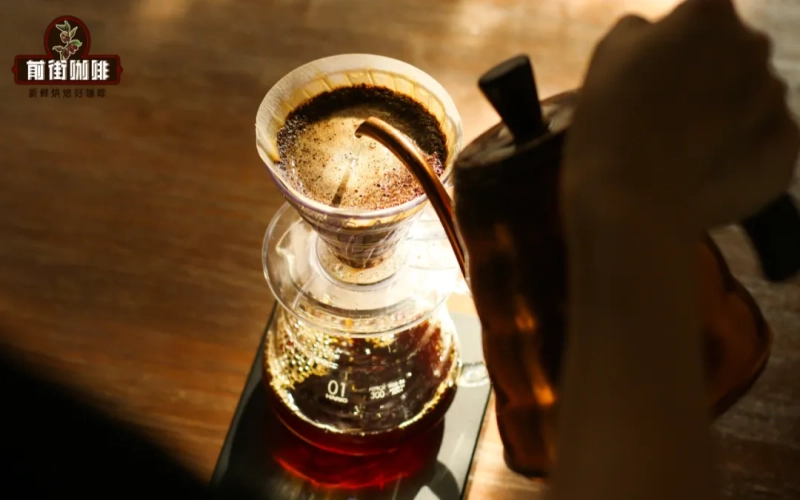
Pour-over coffee bed shape and brewing assessment: What do the bloom dome, bed height, foam color, and drawdown speed reveal?
When brewing pour-over coffee, the filter cup actually holds quite a few clues. The size of the dome that the coffee bed puffs up into during the blooming stage, and how well it retains water, can reflect the freshness of the coffee beans and the depth of the roast; whether the coffee bed can be lifted indicates the density of the coffee grounds; the color change of the foam on the surface can help us track the pouring path; and the speed of the drawdown is related to the coarseness of the grind, the density of the coffee bed, and fine particle clogging. As for the deep coffee bed pit that many beginners obsess over, it does not directly equate to a better-tasting cup; it is more just a reflection of the pouring method. In this article, Front Street will break down these readable pieces of information one by one during the brewing process, to help you have a few more bases for judgment when adjusting parameters. [more…]
A Complete Analysis of Pour-Over Coffee Water Pouring: How Position, Path, Height, and Flow Rate Affect Extraction
Many friends who are teaching themselves pour-over coffee at home often run into a problem: even when the parameters match those recommended by Front Street stores, the coffee they brew comes out inconsistent—sometimes good, sometimes bad. The reason is mostly that the water flow is not stable enough during pouring. The position, path, height, and size of the pour all directly affect the evenness of extraction and the flavor expression of the coffee. SCA experimental data shows that the higher the stability of the water flow, the higher the extraction evenness. Starting from the brewing practice with Front Street’s Little Tomato coffee beans, this article systematically analyzes how the four major elements of pouring affect extraction, and gives specific operational suggestions to help you consistently brew a delicious cup of pour-over coffee. [more…]