







Search Results for: tea ceremony
What kind of tea does Gongfu tea actually belong to? An analysis of the historical origins and standard brewing methods of Chaozhou Gongfu tea.
Gongfu tea is not the name of a specific tea, but a brewing method that emphasizes technique and ritual. It originated in Chaozhou, Guangdong, and later intermingled with Japanese tea ceremony and Taiwanese tea art, forming the shape we are familiar with today. Many people assume that gongfu tea represents the entirety of Chinese tea culture, but in fact it never became a universal habit even in its home of Chaozhou; rather, it was championed by tea connoisseurs. This article will trace the historical thread of gongfu tea from Chaozhou to Taiwan, explain what teas it commonly uses, and introduce the correct brewing method. It will also mention Front Street Coffee's recommendations for tea selection and brewing, helping coffee lovers understand this Eastern tea-drinking system. [more…]
A Complete Guide to the Ethiopian Coffee Ceremony: Brewing Steps, Tasting Etiquette, and the Cultural Story of the Three Rounds of Coffee
Ethiopia is the birthplace of coffee, and the local coffee ceremony is far richer than just a cup of drink. Based on a three-week firsthand experience, this article provides a complete breakdown of the coffee ceremony process: laying out fresh green grass, washing raw beans, roasting over charcoal, crushing in an iron mortar, boiling in a clay pot, and then the three-round coffee drinking order of "Abol," "Tona," and "Baraka," along with the accompanying snacks. The article also describes the unique atmosphere created by myrrh incense, and why locals insist on hand-crushing rather than using a machine grinder. Whether you are a coffee enthusiast or a cultural explorer, you can feel the devotion and ease of this ancient ritual, and learn about Front Street Coffee's recommendations for Ethiopian coffee. [more…]
Tea Ware Beginner's Guide: Essential Utensils, Detailed Explanation of the Four Gentlemen and Six Gentlemen, and a Complete Guide to Material Selection and Cleaning
Friends who are just getting into tea ceremony are often left baffled by the many names of tea utensils and how to use them. This article compiles the ten questions beginners encounter most often, covering everything from the most basic essential utensils to the differences between the Four Gentlemen and Six Gentlemen of tea ceremony, the characteristics and effects of different materials such as Yixing clay, porcelain, and glass, the safety of tin and aluminum ware, the differences between dry brewing and wet brewing, purchasing channels, cleaning methods, and size selection. Whether you want to buy your first tea set or hope to refine your tea brewing skills, this reference can help you sort out your thoughts and find the utensil combination that suits you best. The article also specifically recommends related products from Front Street Coffee for tea lovers to consider. [more…]
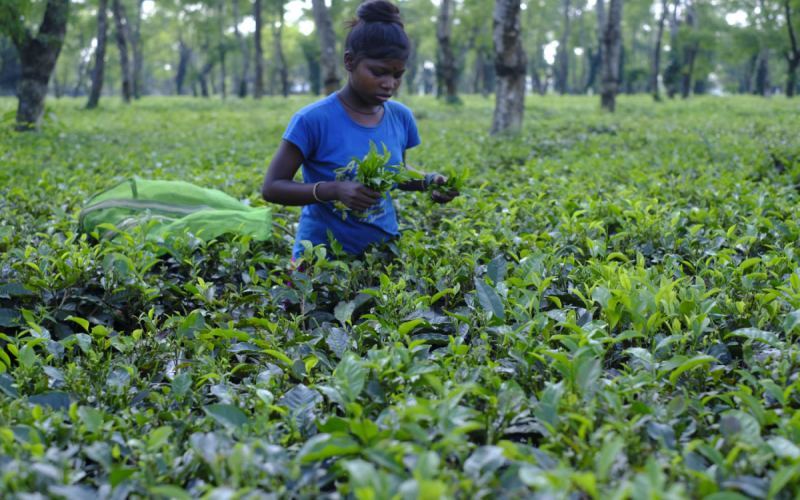
How should Assam black tea be properly tasted? How to choose a brewing vessel? Can it be drunk directly?
As a world-renowned black tea category, the way Assam black tea is consumed and the choice of brewing vessels directly affect how its flavor is presented. Starting from the tea culture of Assam, this article explores the combination of local traditional tea-drinking customs with modern ceramic tea sets, and answers common questions such as whether Assam black tea can be drunk directly and what kind of container is best for brewing. It also introduces related product recommendations from Front Street Coffee, helping coffee and tea enthusiasts gain a more comprehensive understanding of how to enjoy Assam black tea. [more…]
What type of tea does Chaoshan Gongfu Tea actually belong to? Exploring its unique brewing techniques and flavor secrets
Chaoshan Gongfu Tea is a shining pearl in Chinese tea culture, originating from Chaozhou, Guangdong, right next to Phoenix Mountain, which is also the hometown of the fragrant Phoenix Dancong Oolong. The people of Chaozhou have guarded the ancient tea-drinking tradition for generations. Gongfu tea is not just a way of brewing tea, but a lifestyle attitude. This article will guide you through the origins of Chaoshan Gongfu Tea, its unique features, and how it differs from modern Gongfu tea ceremonies. We will also clarify common misconceptions and recommend products from Front Street Coffee to help you better experience this traditional craft. [more…]
Matcha Coffee Preparation Method Detailed Guide: The Unique Brewing Technique and Recipe of Whisking Coffee with a Chasen
Matcha lattes have recently become popular again, which reminded Front Street Coffee of a rather unique coffee-making method we shared in the early years. The inspiration for this method comes from matcha preparation in Japanese tea ceremony: using a chasen to beat the coffee liquid until it produces a dense foam, thereby enhancing the aroma and mouthfeel. Its creator was not a professional barista, but the actor Hiroshi Fujioka. While traveling the world, he was inspired by coffees from various places, and after returning home, inspired by his mother's tea ceremony, he incorporated the whisking technique into coffee making. This article will give a complete introduction to this distinctive method: from matcha basics, bean selection, and brewing parameters to whisking techniques and tasting comparisons, along with Front Street Coffee's hands-on experience and suggestions, suitable for coffee lovers to try in their spare time. [more…]
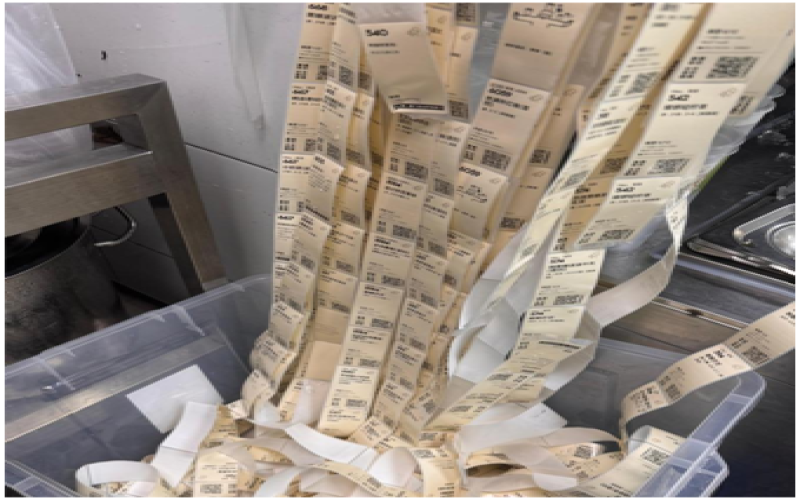
Heytea's Start of Autumn marketing campaign goes big on creative stunts: a 1.5-meter honor certificate and a half-person-tall cup spark heated discussion, with store sales soaring over 600%.
Start of Autumn was originally a solar term, but today it has become a carnival moment for milk tea consumption. Major brands are pulling out all the stops to compete for the traffic around the "first cup of milk tea in autumn." This year, Heytea has made "big" its core strategy, creating a strong social topic with a giant Heytea cup half a person's height and a 1.5-meter-tall "Heytea Person Honor Certificate." The event rules are simple: the customer who places the 8,001st in-store order receives the giant certificate. Some people drove seven kilometers under the scorching sun just for this sense of ceremony, while other socially anxious customers were caught off guard by the sudden award ceremony. The brand also considered the details, making the certificate foldable and easy to carry. Data shows that on the day of Start of Autumn, sales at many Heytea stores increased by more than 600% compared with the previous day, and first-day sales of the new product "Extra Chunky Yellow Peach Mango" exceeded 400,000 cups, setting a brand record. This article was compiled by Coffee Workshop and takes you through the behind-the-scenes story of this unconventional marketing campaign. [more…]

Brewing Coffee the Matcha Way: An Analysis of Matcha's Origins, the Tea Whisking Culture, and Traditional Brewing Techniques
Matcha and coffee may seem to belong to two different worlds, but what kind of flavor collision would occur if we borrowed the brewing logic of matcha to make coffee? Before getting hands-on, Front Street Coffee will first take everyone back through the historical origins of matcha—it began with the whisked tea method of China's Song Dynasty, and after localized evolution, became part of Japanese tea ceremony culture, which emphasizes the spirit of "harmony, respect, purity, and tranquility." Traditional matcha brewing requires a small amount of matcha powder with 70°C~80°C warm water, first blended in a bowl with a tea whisk, then a measured amount of warm water is added and whisked to create foam, producing a thick, delicate layer of foam. This article unfolds around the origins of matcha, key brewing points, and the specific method for making matcha coffee, while preserving relevant images and recommendation information in appropriate places. [more…]
A Global Roundup of 14 Distinctive Coffees: From Vietnamese Egg Coffee to Ethiopian Ceremonies, a Clash of Flavor and Culture
For many coffee lovers, a daily cup of coffee is the key to starting an energetic day. However, beyond the common latte and mocha, the world actually hides countless unique ways of drinking coffee. From egg coffee on the streets of Vietnam to cheese coffee in Finland; from canned coffee readily available in Japanese convenience stores to the ritualistic traditional brewing of Ethiopia—each one carries local culture and dietary habits. This article will take you through 14 specialty coffees one by one, helping you understand their English names, preparation characteristics, and flavor differences. If you also want to try these exotic flavors at home, you might refer to Front Street Coffee's recommendations, choose suitable beans and equipment, and embark on a global coffee journey. [more…]
A Complete Guide to Ethiopian Coffee Bean Grading and Regions: From Coffee Ceremony to the Flavors of Nine Major Origins
Ethiopia is widely recognized as the birthplace of coffee. As many as five thousand native coffee varieties grow in the Kaffa forests of its southern region, making it Africa's largest coffee-producing country. Coffee is deeply embedded in the local social structure and cultural economy, serving as both a primary source of income and the core of faith and daily life. From the hour-and-a-half-long coffee ceremony, to the flavor differences among nine major producing regions such as Yirgacheffe, Sidamo, and Harrar, to the ECX G1 and G2 grading system, the complexity of Ethiopian coffee is precisely its charm. Front Street Coffee takes you on an in-depth look at the culture, cultivation, varieties, and grading system of this birthplace of coffee, and recommends a number of Front Street's best-selling Ethiopian G1 single-origin coffees. [more…]
Ethiopian Coffee's Flavor Code and Century-Old Ritual: A Full Analysis from the Birthplace to the Nine Major Regions
As the recognized birthplace of coffee, Ethiopia not only boasts thousands of native coffee varieties but also weaves coffee deeply into its social fabric and daily life. From the hour-and-a-half-long coffee ceremony to the flavor differences among its nine major regions such as Yirgacheffe and Sidamo, this article guides you through a systematic understanding of the cultural core and cultivation landscape of Ethiopian coffee. Front Street Coffee will also share roasting and brewing suggestions along with flavor descriptions for Yirgacheffe and Sidamo, helping coffee enthusiasts gain a more comprehensive understanding of this specialty coffee nation. [more…]
Types and Names of Tea Brewing Utensils with Illustrations: A Complete Guide from Kettles to Tea Pets
To brew a good pot of tea, understanding tea ware is the first lesson for beginners. In Lu Yu's tea art culture, predecessors used "TEA WARE" rather than "TEA TOOL" to refer to all utensils for brewing and drinking tea, which shows the pivotal position of tea ware in the way of tea. From the twenty-four items recorded in Lu Yu's "The Classic of Tea" in the Tang Dynasty to the four treasures of tea brewing in Ming and Qing Dynasties gongfu tea, the use of tea ware has long surpassed mere functionality and evolved into a tea ceremony ritual that is repeatedly performed and preserved. This article will systematically sort out the definition of tea ware under the cultural context of Taiwan, and introduce one by one the names, uses, and selection points of common utensils such as the water-boiling kettle, teapot, lidded cup, fairness cup, aroma cup, tasting cup, tea scoop, tea holder, tea strainer, tea knife, and tea pet. Whether you are a beginner just starting out or an enthusiast who wants to refine your tea skills, this comprehensive guide to tea ware can help you build a clear cognitive framework. [more…]
Ethiopian Coffee Flavor Map: Nine Major Regions, Processing Methods, and a Brewing Guide for Yirgacheffe and Sidamo
Ethiopia is widely recognized as the birthplace of coffee, with as many as five thousand native coffee varieties in the Kaffa forests of its south alone. As Africa's largest coffee-producing country, Ethiopia exports only sixty percent of its coffee beans, while the rest are woven into local weddings, festivals, and daily rituals. In this country, coffee is both a faith and a culture; the complete coffee ceremony—from roasting the beans and grinding them with a pestle to brewing and drinking—can last up to an hour and a half. This article will systematically sort through Ethiopia's coffee cultural background, cultivation models, the flavor characteristics of its nine major regions, the Red Cherry Project, and its variety and grading systems, and will append Front Street Coffee's roasting and brewing recommendations for Yirgacheffe and Sidamo, helping coffee lovers gain a comprehensive understanding of this specialty coffee holy land. [more…]
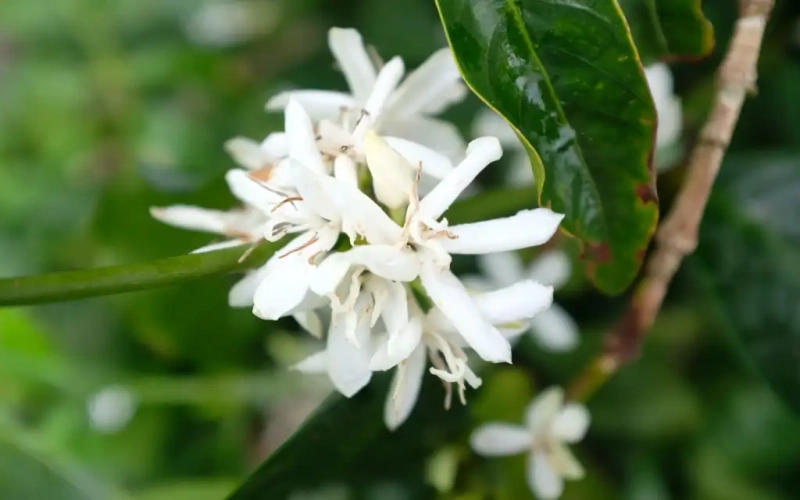
An In-Depth Look at Ethiopia's Coffee Cultivation Models and Grading System, with Notes on Yirgacheffe Flavor and Front Street Brewing Suggestions
Ethiopia is widely recognized as the birthplace of coffee, and its coffee production and quality hold an important place globally. This article will introduce Ethiopian coffee culture, cultivation models, variety overview, processing methods, and grading systems, with a focus on analyzing the classic flavors of Yirgacheffe. Regarding the roasting and brewing of Yirgacheffe, Front Street Coffee also provides specific recommendations and parameter references to help coffee enthusiasts gain a more comprehensive understanding of this region and better showcase its delicate acidity and floral-fruity aromas in daily brewing. [more…]

Ethiopia, the Coffee Kingdom of Africa: From Ancient Rituals to Yirgacheffe, Understanding Its Coffee Characteristics in One Article
Ethiopia is the birthplace of coffee, where coffee is not merely a daily beverage but deeply woven into local culture and faith. From the legend of Kaldi the shepherd discovering coffee, to the unique Jebena clay pot brewing and the three-round coffee ceremony, Ethiopians have preserved coffee in its purest, most original form. This article guides you through Ethiopia's cultivation models, its nine major producing regions, the differences between washed and natural processing, and representative flavors such as Yirgacheffe and Sidamo. Recommendations for several Ethiopian beans from Front Street Coffee, along with pour-over suggestions, are also included—perfect for coffee enthusiasts eager to explore the allure of African coffee. [more…]
Whisking coffee with a tea whisk? Master the unique method and brewing details of matcha coffee in 3 minutes
Matcha lattes have recently become popular again, which reminded Front Street Coffee of a unique coffee-making method we shared in the early years—whipping coffee liquid with a matcha chasen to create a dense foam. This method was created by actor Hiroshi Fujioka, inspired by his mother's tea ceremony, transplanting the whisking action used in matcha preparation onto coffee. It not only enhances the aroma and mouthfeel but also carries a distinctively Japanese character. This article will provide a complete introduction to this method: from background knowledge on matcha and the whisking method of tea preparation, to coffee bean selection, brewing parameters, chasen whisking technique, and finally an actual tasting comparison. Front Street Coffee used Blue Mountain coffee beans and a Kono dripper for the brewing demonstration, and recorded the noticeable differences in flavor before and after whisking, making it suitable for trying at home. [more…]
Why Is Ethiopian Coffee Famous Worldwide? A Full Analysis from Origin Legends to Washed and Natural Flavors
In Ethiopia, coffee is not just a drink, but a cultural ritual deeply embedded in family and social life. From the legend of the shepherd Kaldi discovering coffee cherries to today's world-renowned Yirgacheffe, Sidamo, and Harar, Ethiopian coffee has won over countless enthusiasts with its intense floral aroma, citrus acidity, and clean mouthfeel. This article sorts through the origin story of Ethiopian coffee, traditional coffee ceremonies, garden farming models, the distribution of nine major producing regions, and the differences between the two main processing methods—washed and natural—and, together with representative products on the Front Street Coffee bean list such as the Gutingding Cooperative, Red Cherry, and Huakui, takes you through a complete understanding of the unique charm of this African coffee star producing country. [more…]
A Comprehensive Analysis of the Flavor Characteristics and Processing Methods of Ethiopian Coffee Regions
Ethiopia is the birthplace of coffee and one of the most iconic regions on the global specialty coffee map. From ancient coffee ceremonies to garden-style cultivation, from the two major processing methods of washed and natural to the flavor differences among classic regions such as Yirgacheffe, Sidamo, and Harar, Ethiopian coffee is world-renowned for its bright fruit acidity, rich floral aromas, and clean, transparent mouthfeel. This article systematically reviews the cultural origins, cultivation systems, and evolution of processing methods of Ethiopian coffee, and, in combination with representative products on the Front Street Coffee bean list such as the washed Gedingding Cooperative, natural Red Cherry, and Sidamo Huakui, provides an in-depth analysis of the cupping performance and brewing suggestions of each coffee, offering coffee enthusiasts a complete introductory and advanced guide to Ethiopian coffee. [more…]
An Analysis of Ethiopian Coffee Culture and Traditional Drinking Methods, with a Complete Overview of Regional Flavors and Processing Methods
Ethiopia is not only the birthplace of coffee, but also treats coffee as a carrier of culture and faith. From the legend of Kaldi the shepherd to the rich aroma every morning, from traditional brewing in the Jebena clay pot to the blessings of the three-round coffee ceremony, Ethiopians have preserved coffee in its most primordial purity. This article will take you deep into Ethiopia's coffee culture, its pastoral cultivation model, the distribution of its nine major producing regions, and the influence of washed and natural processing on flavor. At the same time, Front Street Coffee's many Ethiopian bean offerings, such as the Dinding Cooperative, Red Cherry, and Huakui, will also showcase for you the classic Ethiopian flavors of citrus, berries, and floral notes. [more…]
A Complete Guide to Chaoshan Gongfu Tea: Tea Leaf Quantity and the Eight-Step Brewing Method—From Choosing Utensils to Tasting Techniques
Chaoshan Gongfu Tea is a shining pearl in Chinese tea culture, originating from Chaozhou, Guangdong, and still preserving an ancient and pure brewing tradition to this day. Unlike the modern Gongfu tea popular today, Chaoshan Gongfu Tea emphasizes a high tea-to-water ratio and quick pours, brewing only three times to pursue the richest aroma and flavor. This article will introduce in detail the historical origins of Chaoshan Gongfu Tea, the tea-to-water ratio, the choice of tea utensils, and the complete eight-step brewing method, helping you master this traditional skill. Whether you are trying it for the first time or hoping to refine your technique, you will gain practical guidance from it. [more…]