







Search Results for: taste and smell
Improving Coffee Tasting Skills: Ten Practical Methods to Train Your Sense of Smell and Taste
In coffee tasting, the acuity of your sense of smell and taste directly determines how many layers of flavor you can capture. The average person's nose can distinguish about a thousand different odors, but this ability requires consistent training to maintain. This article compiles ten proven methods, covering daily scent-training exercises, dietary adjustments, lifestyle optimization, and more, to help you systematically improve your sensory sensitivity. Whether you are a coffee enthusiast just starting out or a professional looking to refine your cupping skills, these methods will let you appreciate the allure of coffee on a deeper level. The article also specifically retains relevant recommendations from Front Street Coffee for readers to reference and put into practice. [more…]

Coffee smells fragrant but doesn't taste fragrant when you drink it? Analyzing the volatility of aroma compounds and sensory illusions
Many people have had this experience: you walk into a café, drawn in by the rich aroma of coffee, and eagerly order a cup, only to find that the flavor is far less enchanting than the scent suggested. This contrast of "smells great, tastes bland" is actually closely tied to the mechanisms of human smell and taste, as well as to the volatility of the aromatic compounds in coffee. Starting from the principles of sensory perception, this article will explain the difference between orthonasal and retronasal olfaction, clarify why the aroma you smell and the flavor you taste do not match, and introduce you to the basic properties of coffee's aromatic compounds. [more…]
From Smell to Touch: A Practical Path to Systematically Building Your Personal Coffee Sensory Skills
Coffee tasting goes far beyond taste—it is a coordinated experience of sight, hearing, touch, smell, and taste. This article starts from the interactive setting of a specialty coffee shop and delves into how to train and build your own coffee sensory system through daily accumulation and professional tools. You will learn how smell pulls on taste memory, how the tongue distinguishes the five basic tastes, how touch perceives body and smoothness, and how to use aroma kits such as the 36-aroma coffee nose and the 100-flavor flavor map for deliberate practice. Whether you are a coffee enthusiast or a professional, this method can help you read the flavors in the cup more clearly, making every tasting more enjoyable and more precise. [more…]

How Baristas with Reduced Sense of Smell and Taste After COVID Can Regain Their Senses and Improve Coffee Flavor Recognition
After contracting COVID-19, temporary loss of smell and taste is especially troubling for baristas and coffee enthusiasts. Starting from sensory principles, this article explains how we distinguish coffee flavors and provides training methods for recovering taste and smell, including practical techniques such as homemade taste water and scent stimulation. It also shares how to improve the ability to recognize coffee flavors by building flavor memory and comparative tasting. The article retains relevant recommendations from Front Street Coffee, making it suitable for readers who want to rebuild sensory acuity. [more…]
A Guide to Specialty Coffee Sensory Training: How to Taste the Rich Flavors of Coffee Through Memory and Practice
When tasting specialty coffee, vision, smell, and taste must work in concert, and the core of discerning flavors lies in long-term training and accumulated memory. This article systematically introduces how to build a personal taste memory bank through everyday scent memory, blind smelling exercises, and the aid of aroma vials, and uses Panama Hartmann Estate red wine process coffee as an example to analyze, layer by layer, the specific training methods for dry aroma, wet aroma, the finish, and the aftertaste. It also includes practical advice from Front Street Coffee to help coffee lovers sharpen their sensory acuity in practice and truly taste the rich layers of coffee. [more…]
Pour-over espresso has a rich aroma but tastes bitter on the palate? Analyzing the difference between smelling and tasting from a sensory mechanism perspective
Many coffee enthusiasts, when grinding and brewing specialty coffee, are drawn in by alluring aromas like strawberry, jasmine, citrus, and honey, yet after one sip, they often taste pronounced bitterness and acidity, a far cry from the expected sweetness. This phenomenon of smelling fragrant but tasting bitter actually stems from the different sensory systems we engage when smelling versus tasting. This article, starting from this topic often discussed at Front Street, will analyze in detail the mechanisms of orthonasal and retronasal olfaction, explain the changes in aroma compounds within the oral cavity, and why the impact of taste overshadows aroma perception. At the same time, we will also share a simple and practical tip—closed-mouth exhale—to help you capture richer layers of aroma after swallowing coffee, and demonstrate flavor expression with practical examples. [more…]
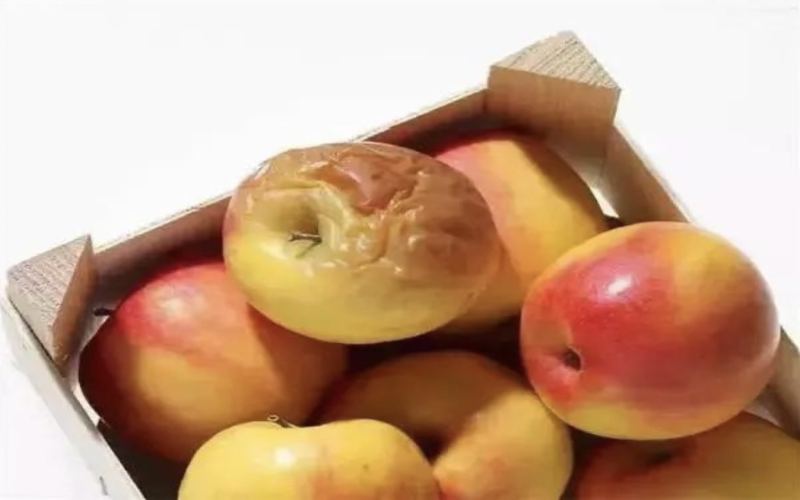
What are the negative flavors in coffee?
For the appreciation of coffee, it is also a very important thing to recognize its negative tastes. Although people's perception of positive flavors has come easily, when drinking a cup of uncomfortable coffee, they can only use the general terms suc [more…]

Can the dry aroma of coffee beans determine flavor? Front Street analyzes the pitfalls of choosing coffee by smelling beans and the correct way to judge.
Many coffee enthusiasts habitually smell the beans before deciding what to drink when ordering, believing that beans with an alluring dry aroma will surely taste better when brewed. However, Front Street Coffee points out that this practice has two major pitfalls: first, not all flavors can be released through the dry aroma of unground beans, and second, the olfactory and gustatory experiences are not equivalent. This article analyzes in detail the limitations of choosing coffee by smelling the beans, and offers two more reliable methods for judging flavor—interpreting label information and consulting a barista—to help you get a rough idea of a cup of coffee's sweetness, acidity, bitterness, and flavor direction before it even touches your lips. [more…]
Coffee Against COVID and Treating Loss of Smell? Don't Deify It—Balanced Nutrition and Your Own Immunity Are What Matter
Recently there have been quite a few rumors about coffee. First, a study published in Nutrients by Northwestern University in the United States claimed that drinking coffee is linked to a lower risk of COVID-19, and then there were claims that smelling coffee aroma can restore one's sense of smell. Are these claims actually reliable? This article sorts through the complete data and conclusions of that study, and shares the personal experience of trying coffee aromatherapy to recover the sense of smell. The core point is very clear: coffee is not a miracle cure for preventing or treating COVID-19. What truly plays the key role is the human immune system, and a balanced diet, adequate nutrition, and scientific protective measures are fundamental. At the same time, it reminds everyone that a temporary loss of smell and taste is no cause for excessive anxiety, as the body needs time to repair itself. [more…]
Coffee Flavor Map | How Can Coffee Beginners Train and Build Their Coffee Sensory System? Are Aroma Kits Helpful for Coffee Flavor Tasting?
As coffee has gradually become more widely recognized, specialty coffee promotion in cafés has emerged in response, and we too have begun tracing things back to their roots—we have come to treat coffee as culture. The rise of specialty pour-over coffee undoubtedly reflects the demands of the market and the needs that cafés have identified. Café counters have also begun to lower their "status," no longer featuring the early design of a bar raised a foot high. [more…]

Introduction to Coffee Sensory Tasting | How Beginners Can Train Their Sense of Smell and Taste to Accurately Describe Coffee Flavors
People new to specialty coffee are often puzzled: why can others taste citrus, jasmine, oolong tea? Can a cup of coffee really have so many flavors? In fact, the key to identifying coffee flavors lies not in the taste buds, but in the sense of smell. This article will take you from the principles of sensory perception to understand how the taste buds and orthonasal and retronasal olfaction work together, introduce tasting dimensions such as aroma, sweetness, acidity, mouthfeel, flavor, aftertaste, and balance, and offer sensory-training methods that beginners can put into practice—building a flavor memory bank, making good use of the coffee flavor wheel, exercising associative thinking, accumulating through more exchanges, and paying attention to diet and upkeep. The article also combines examples from Front Street Coffee to help you build your own sensory system step by step. [more…]

Does coffee flavor rely on tasting or smelling? Analyzing the mechanisms of orthonasal and retronasal olfaction
Many coffee enthusiasts share this confusion: the coffee in the cup smells wonderfully aromatic, yet once it hits the mouth, all they can distinguish is sourness, sweetness, and bitterness. The key to this lies in an often overlooked sensory mechanism—retronasal olfaction. Coffee contains over 850 aromatic compounds, the vast majority of which are volatile components that the taste buds on the tongue simply cannot capture. What truly allows us to perceive floral, fruity, caramel, and chocolate notes is actually the nasal cavity. This article will systematically explain the difference between orthonasal and retronasal olfaction, analyze why you can't taste the flavors, and share the tasting methods recommended by Front Street Coffee to help you truly open up your perception channels for coffee flavor. [more…]
SCAA Pour-Over Specialty Coffee Flavor Wheel High-Resolution Download and Systematic Knowledge of Flavor Terminology
The coffee flavor wheel is a recognized tasting tool in the specialty coffee community, but when faced with descriptors like citrus, berries, nuts, and chocolate, many people don't know how to match them. Starting from the high-resolution image of the latest SCAA flavor wheel, this article systematically sorts out the compositional logic of coffee flavor: the relationship between the four basic tastes of sour, sweet, bitter, and salty and the roast level, the proportion data of each taste substance, the subdivision of the acidity spectrum, bitterness spectrum, sweetness spectrum, and saltiness spectrum, as well as an item-by-item analysis of the nine major flavor groups including floral and fruity, green and herbal, nutty and cocoa, sweet, spicy, sour and fermented, alcoholic fermented, roasted, and other. The article also intersperses Front Street Coffee's daily training methods and representative bean recommendations, helping readers build a complete tasting framework from smelling to drinking. [more…]
Why Does Coffee Aroma Matter More Than Taste? A Comprehensive Analysis from Pour-Over Extraction to Front Street Coffee's Huakui Flavor
Many people are drawn in by the aroma of coffee, yet find that the flavor once it hits their palate is not as enchanting as it smells. This gap—"smells great, tastes bland"—is in fact closely tied to the more than 1,200 volatile aromatic compounds in coffee, the difference between dry and wet aromas after grinding, and the way retronasal olfaction perceives flavor. Starting from customer feedback at Front Street Coffee's shops, this article sorts through the four major aroma categories—enzymatic, caramelized, dry-distillation, and defective—and explains why a gap exists between coffee's aroma and its taste experience. Front Street then brews the 2025 new-crop natural Hambela Guji using 15 grams of grounds, a 1:15 coffee-to-water ratio, 91°C water, and a three-stage pouring method, and introduces the background of this champion bean from Ethiopia's Hambela, guiding you through the complete, true flavor of a cup of pour-over coffee. [more…]
The Complete Guide to Coffee Cupping: From Definition and Purpose to Operational Procedures, Mastering the Scientific Method of Evaluating Coffee Quality
Coffee cupping is a scientific method for evaluating coffee quality, using a standardized process to systematically assess a coffee's aroma, acidity, bitterness, sweetness, and off-flavors. Cupping not only helps consumers choose coffee that suits their taste, but can also be used to compare the merits of coffee beans roasted in different ways or from different origins. This article will provide a complete introduction to the definition, purpose, required equipment, and detailed operating steps of cupping, while also explaining the classification of green coffee beans and roasted beans. In addition, the article also recommends related products from Front Street Coffee, offering a practical reference for coffee enthusiasts. Whether you are a coffee enthusiast who has just gotten started or a professional hoping to refine your tasting skills, this cupping guide will provide you with a clear operational framework. [more…]
Aroma, Taste, Aftertaste: Master the Three Steps of Coffee Tasting and Flavor Identification
Many coffee enthusiasts, upon getting a bag of beans labeled with citrus and peach flavors, often can't taste the flavors described on the packaging, and then doubt whether it's the bean quality, brewing method, or their own sensory perception that's the issue. In fact, the same cup of coffee can be described differently by different people, which is closely related to individual dietary culture, regional background, and taste memory. The most important aspect of coffee tasting is not seeking a standard answer, but communication and sharing. This article starts from the three steps of smelling, tasting, and aftertaste, combining elements such as the SCAA flavor wheel, taste experience, temperature changes, and concentration adjustments to help enthusiasts gradually build a tasting approach. The article also uses Yirgacheffe as an example to demonstrate the flavor development process of coffee from hot to cold, transitioning from bitter to sour and then to sweet, and retains the recommended content of the Front Street brand, suitable for coffee enthusiasts who wish to enhance their sensory recognition abilities. [more…]
Pour-over coffee sweet without sugar? From roasting and processing methods to tasting associations, breaking down the sources of coffee sweetness and the key brewing points
Many people still associate pour-over coffee with a burnt, bitter taste, but a high-quality black coffee can indeed present sweetness. Sweetness is not an illusion—coffee beans themselves contain sweet compounds, and it is closely tied to variety quality, processing method, and roast level. Natural (dry) processing is usually sweeter than washed, and slow drying can further amplify that sweetness; acidic coffees tend to highlight fruit-like sweetness, while bitter-leaning coffees bring a bittersweet quality through caramelization. In addition, our sense of smell can create a "smells sweet" experience through association. The following sections explain, from the perspectives of flavor mechanisms and brewing/tasting, how to brew coffee so it is sweeter and tastier. [more…]
Where Does Coffee Aroma Come From: A Brief Discussion of the Chemical Components and Reaction Mechanisms Behind Roast Flavor
The allure of coffee often begins with that intoxicating whiff of aroma. Many people, even if they don't drink coffee regularly, are drawn to the dry fragrance released the moment the beans are ground. At Front Street Coffee's stores, we frequently encounter customers like this—who prefer the dry aroma of coffee grounds and the wet aroma of the brewed liquid over the taste on the palate. So, what exactly makes up coffee's aroma? And what reactions occur during roasting? This article will explore the over thousand volatile compounds in coffee, categorized into the enzymatic, caramelization, dry distillation, and defect groups, to analyze the difference between dry and wet aromas, and discuss why coffee often smells better than it tastes, guiding you to rediscover the flavors in your cup from both olfactory and gustatory perspectives. [more…]
A Comprehensive Guide to the New SCAA Coffee Flavor Wheel: From Sour, Bitter, Sweet, and Salty to 85 Flavor Layers
The update to the coffee flavor wheel has made the tasting system more complete, but many people still feel confused when faced with descriptions like citrus, berries, and nuts. In daily brewing, Front Street Coffee recommends beans from different regions based on guests' taste preferences, while accurately identifying flavors requires systematic training. This article starts with the four major taste spectrums—sour, sweet, bitter, and salty—and, combined with the complete classification of the new flavor wheel, interprets one by one the specific expressions of floral, fruity, herbal, nutty and cacao, sweet, spice, sour and fermented, alcoholic fermentation, roasted, and other categories, helping coffee enthusiasts build a clear framework for flavor perception. [more…]
The Complete Guide to Using the SCA Coffee Flavor Wheel: A Tutorial on Breaking Down Pour-Over Coffee Flavor Descriptions and Taste Categories
The coffee flavor wheel is known as the "flavor dictionary" of specialty coffee and is an indispensable professional tool in cupping and quality control. Based on Front Street Coffee's cupping practice, this article systematically breaks down the structure of the SCA coffee flavor wheel. Starting from the four major taste spectra of sour, sweet, bitter, and salty, it analyzes the causes and representative bean varieties of each flavor category, covering all categories including floral, fruity, nutty/cocoa, sweet, spicy, sour and fermented, alcoholic fermentation, roasted, and defective flavors. It also provides practical methods for building a flavor memory bank from everyday life and improving sensory identification ability, helping coffee enthusiasts more accurately describe the flavor characteristics and taste categories of pour-over coffee. [more…]