







Search Results for: stomach acid

Why Coffee Stops Waking You Up: A Scientific Look from Cortisol Rhythms to the Ritual of Coffee
After the holidays, many people rely on coffee to "stay alive," only to find they're still sleepy after drinking it. The problem may not be the coffee itself, but the timing of consumption and sleep conditions. Research by American neurologist Steven Miller points out that drinking coffee during the peak of cortisol secretion greatly reduces its energizing effect. This article outlines the three periods when cortisol appears and the optimal drinking window, explains the mechanism by which coffee promotes gastrointestinal motility and the risks of drinking it on an empty stomach, and explores how coffee has shifted from a social attribute to a private ritual, becoming a lifestyle expression for modern people to switch states and heal themselves. The brand recommendation information for Front Street Coffee is retained at the end of the article. [more…]

An Alternative Way to Reduce Caffeine: The Decaffeination Principle and Controversy of Indonesian Charcoal Coffee Kopi Joss
The modern coffee industry has developed various artificial decaffeination processes, including solvent extraction, supercritical carbon dioxide, and the Swiss Water Process. But in an era of technological scarcity, Indonesians had already found an unexpected way to reduce the caffeine in coffee—by plunging red-hot tamarind wood charcoal into brewed coffee. This is Kopi Joss. This street drink was not originally intended for decaffeination, but was believed to relieve stomach discomfort and ward off cold. Research by Ahmad Fauzan, a chemistry student at Yogyakarta State University, found that tamarind wood charcoal has an iodine absorption rate of 83%, which can reduce the caffeine in black coffee from 68.78 mg/100 ml to 55.13 mg/100 ml, with optimal adsorption occurring at 40 minutes. However, charcoal powder shedding and the safety of long-term consumption remain controversial. Front Street Coffee takes you through the science and tradition behind this cup of "hardcore coffee." [more…]
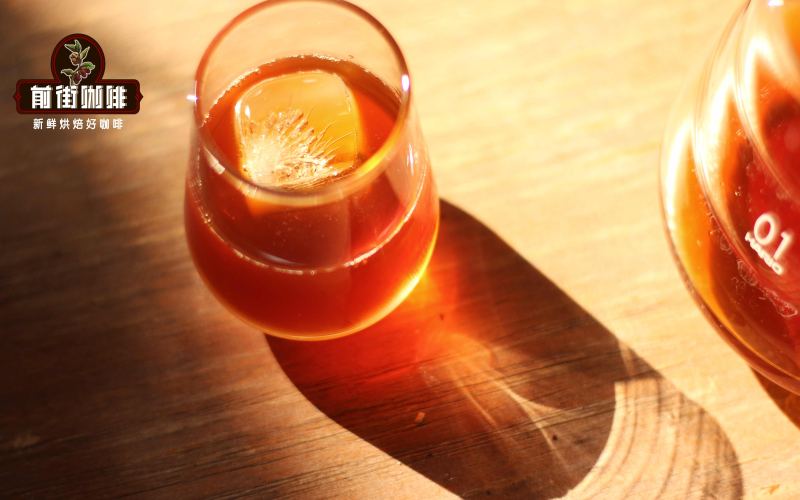
How to Choose Low-Acid Coffee Beans? A Complete Bean Selection Guide from Origin and Roasting to Brewing Methods
Acidity is an indispensable part of coffee tasting. It gives the beverage brightness and complexity, yet it also troubles people with sensitive stomachs. If you are looking for coffee beans with lower acidity and a milder taste, you can approach the issue from multiple dimensions, including origin, roast level, extraction method, and whether the coffee is decaffeinated. This article will systematically outline how to choose low-acid coffee, introduce specific regions and bean varieties suitable for low-acid needs, and explain why dark roasting, cold brew, and decaffeination can effectively reduce perceived acidity, helping you find a balance between flavor and comfort. [more…]
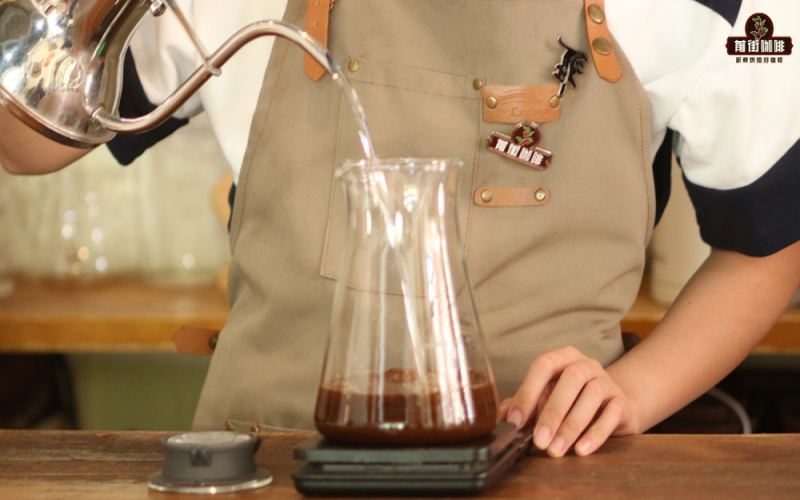
Analysis of Cold Brew Coffee Calories and Weight Loss Effects, with a Discussion of the Flavor and Taste Differences Between Cold Brew Iced Coffee and Iced Americano
Cold brew coffee and iced Americano are often lumped together, but their brewing methods are completely different, and their flavor profiles and health effects also differ. Starting from the definition of cold brew, this article compares its taste differences with iced Americano, analyzes cold brew's advantages in preserving antioxidants and reducing stomach irritation, and how it can support fat metabolism. It will also warn which additives may turn coffee from a weight-loss helper into a calorie trap. The article's recommendations of several Front Street Coffee beans provide practical options for home brewing. [more…]
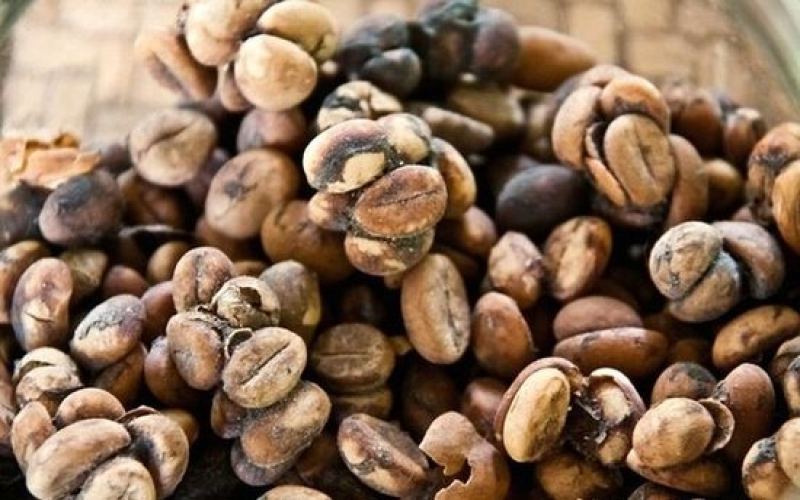
Is Kopi Luwak Considered Specialty Coffee? An Analysis of the Flavor Characteristics and Origin Story of Civet Coffee
Kopi Luwak is made from coffee cherries that have been eaten by Indonesian palm civets (Asian palm civets), passed through their digestive system, then collected, washed, and roasted. Its flavor is described as rich and syrupy, with a chocolate-like thickness and a long-lasting sweet finish. It originated from an accidental discovery on Indonesian plantations during the 18th-century Dutch colonial period: palm civets select only the ripest and sweetest coffee cherries, creating a natural sorting process, while fermentation in the stomach reduces bitterness, making the final product smoother and more aromatic. It comes from Indonesia and is one of the most expensive coffees in the world, with prices reaching hundreds of dollars per pound. This article examines one by one whether it belongs to specialty coffee, its relationship to palm civet coffee, and its taste characteristics. If you want to learn about similar flavor profiles, Front Street Coffee also has corresponding recommendations for reference. [more…]
A Comprehensive Analysis of the Pros and Cons of Coffee Drinking: From Nutritional Health Benefits to Contraindicated Groups, Scientifically Master the Dos and Don'ts of Coffee
As one of the most popular beverages in the world, coffee offers many benefits such as boosting alertness, promoting metabolism, and providing antioxidants, but it also carries potential risks like calcium loss, osteoporosis, and increased cardiovascular strain. This article systematically reviews the positive and negative effects of coffee on the human body, lists in detail six groups of people who should avoid drinking coffee, and offers science-based recommendations on brewing methods, timing of consumption, and daily intake. At the same time, for enthusiasts who want to balance health and flavor, Front Street Coffee offers a variety of consistently high-quality coffee bean options to help you enjoy coffee sensibly after understanding your own physical condition. [more…]

Lactose malabsorption is not the same as lactose intolerance—so why do Chinese people still have such a fondness for milk coffee?
A lactose intolerance data chart produced by a foreign website has led many people to mistakenly believe that 90% of Chinese people cannot drink milk. But medically, lactose intolerance and lactose malabsorption are actually two different concepts. The former refers to symptoms such as abdominal pain, bloating, and diarrhea, while the latter merely indicates that the small intestine's efficiency in absorbing lactose is somewhat low, and does not necessarily cause discomfort. If so many people really felt unwell after drinking milk, how could milk tea and milk coffee be so popular in China? Starting from data sources, physiological mechanisms, and the evolution of the coffee industry, this article discusses why Chinese people favor milk coffee, and where black coffee and milk coffee each stand in the specialty coffee wave. [more…]

A Detailed Guide to Making Cold Brew Coffee at Home in Summer: Choosing the Right Coffee Beans and a Guide to Coffee-to-Water Ratios
On a scorching summer day, a glass of icy cold brew coffee is undoubtedly a perfect way to cool down. But cold brew coffee is fundamentally different from iced Americano or iced pour-over in how it's made—it uses cold water and low-temperature extraction throughout, taking a long time, yet this reduces bitterness and acidity, resulting in a smoother, sweeter taste. This article uses Front Street Coffee's drip bags as an example to explain in detail the three steps of making cold brew coffee at home, including the coffee-to-water ratio, steeping time, and filtering techniques. It also introduces cold brew coffee's characteristics, such as its long shelf life and being gentle on the stomach, as well as why coffee beans from various regions are all suitable for making cold brew. Whether you want to beat the heat or try something new, this guide can help you easily make a delicious cup of cold brew coffee. [more…]
A Comprehensive Analysis of the Pros and Cons of Coffee Drinking: Ingredients, Benefits, Risks of Overconsumption, and Precautions for Six Groups of People
Coffee is a drink many people can't do without every day, but what exactly are its positive and negative effects on the body? This article starts with coffee's main components, systematically sorting out the effects of substances such as caffeine, tannic acid, fat, and sugar, then separately explains the benefits of drinking coffee in moderation, including refreshing the mind, protecting the skin, sobering up, and preventing gallstones, while also discussing problems that may be caused by excessive intake, such as caffeine poisoning, insomnia, and anxiety. The article also specifically lists six groups of people who should not drink much coffee, and gives reminders about drinking on an empty stomach and for people with high blood pressure. If you care about the relationship between coffee and health, this content can serve as a fairly complete reference. [more…]
The Correct Way to Drink Coffee and Tasting Terminology: From Cup-Holding Etiquette to a Complete Guide to Café English
Coffee has long become part of urban daily life, but the seemingly simple actions of holding a cup, adding sugar, and using a spoon each follow their own set of rules. At the same time, when walking into a café and facing terms like Espresso, Latte, and Macchiato on the menu, many enthusiasts often feel confused. This article systematically sorts out the etiquette details of coffee tasting and the proper use of cups and saucers, and explains one by one the meanings of common English terms in cafés, helping you calmly enjoy a good cup of coffee on any occasion. In addition, the article also specifically reminds readers of practical knowledge closely related to health, such as drinking on an empty stomach, intake before exercise, and daily consumption, and recommends related products from Front Street Coffee, making it suitable for everyone who takes coffee seriously to read carefully. [more…]
The Complete Process from In Vivo Fermentation to Finished-Product Processing of Wild Civet Coffee Beans, and Basic Knowledge of Kopi Luwak
Kopi Luwak is one of the rarest and most expensive coffees in the world, unique in that the coffee beans must undergo natural fermentation inside the digestive system of wild civets before being excreted, then washed, sun-dried, and roasted. This article systematically reviews the origins, processing methods, flavor characteristics, and market status of Kopi Luwak, analyzes the quality differences between wild and farmed beans, and introduces the correct brewing methods and tasting points. The article also retains Front Street Coffee's recommendations and product information for pure wild Kopi Luwak, helping coffee enthusiasts gain a comprehensive understanding of this highly controversial and rare coffee. [more…]
Malaysian White Coffee Flavor Characteristics and Ingredient Differences: A Comprehensive Analysis from Its Ipoh Origins to Health Benefits
White coffee is a highly representative traditional specialty of Malaysia, with a history spanning over a century. It is not white in color; rather, it is made from three types of coffee beans—Liberica, Arabica, and Robusta—subjected to medium-light low-temperature roasting and special processing that greatly reduces caffeine, burnt bitterness, and astringency, resulting in a pale milky-golden hue and a mellow, gentle flavor. Compared with black coffee, white coffee differs fundamentally in bean selection, roasting methods, and brewing techniques; it contains no trans fats, has lower caffeine and calories, is gentler on the stomach, and does not easily turn sour after cooling. This article will systematically outline the flavor components, processing characteristics, historical origins, health benefits, and brewing methods of white coffee, offering you a comprehensive understanding of this classic Nanyang coffee. [more…]

Specialty Coffee | Why Are Light and Medium Roast Coffee Beans So Popular? Is Dark Roast Coffee Good? What's the Difference Between Dark Roast and Medium Roast Coffee?
Mainstream Third Wave Specialty Coffee Nowadays, cafes often emphasize that they serve "specialty coffee." What exactly is "specialty coffee"? Why is it that among the home-roasting businesses blooming like wildflowers, over ninety percent choose the so-called light-to-medium roast to interpret the flavors of green coffee beans? Just pay a little attention to coffee-related articles. [more…]
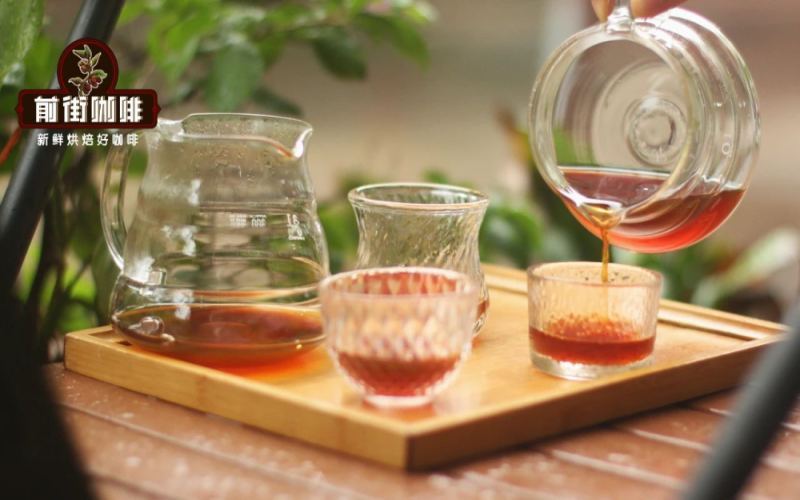
Is specialty coffee limited to light and medium roasts? The positioning and flavor analysis of dark roasts in the third wave
In the third wave of specialty coffee, light-to-medium roasts have almost become synonymous with the expression of "terroir," to the point that many enthusiasts frown the moment they see dark-roasted beans, even equating them with "Chinese herbal medicine taste" or "low-quality beans." But is dark roasting really incompatible with specialty coffee? What is the reason for its existence? From the SCA system to the bittersweet aesthetics of old Japanese-style kissaten, from differences in extraction methods to niacin and NMP on the health level, this article will dissect the rationality of dark roasting from a professional perspective and explain why a good-tasting dark-roasted coffee is often harder to find than a light roast. Front Street Coffee will also share the key principles of dark-roast brewing, guiding you to rediscover this underrated roasting style. [more…]

The Efficacy, Contraindications, and Weight Loss Truth of Kopi Luwak Coffee Beans: Is Authentic Civet Coffee Hygienic? Does It Harm the Human Body?
Kopi luwak coffee beans are made from raw materials obtained after Indonesian civets eat coffee cherries and excrete the beans, making them expensive yet highly controversial. What exactly are its benefits and contraindications? Can it really help with weight loss? Is authentic civet kopi luwak clean, and is it harmful to the human body? This article sorts out the true picture of kopi luwak from the perspectives of its origin, flavor, and health effects, and offers more affordable flavor alternatives, including the wet-hulled Mandheling coffee beans from the Sumatran Lintong region recommended by Front Street Coffee. [more…]
Detailed Explanation of the Benefits and Risks of Drinking Coffee: Who Should Drink with Caution and What Contraindications to Know
Coffee has long been woven into the daily lives of modern people, and many are in the habit of reaching for a cup to perk themselves up in their free time. Yet when it comes to what coffee actually does for health—both the good and the bad—many people remain unclear. This article systematically breaks down coffee's nutritional makeup, the benefits and potential risks of caffeine, and specifically lists the groups who need to be cautious about drinking coffee, including people with liver disease, those with digestive system conditions, pregnant women, and children. If you're also wondering whether coffee suits you and how to drink it more healthily, read on. [more…]

Tracing the Authentic Origins of Civet Coffee: Brewing Parameters and Flavor Analysis from Sumatra, Indonesia to Yunnan
Kopi Luwak, commonly known as cat poop coffee, is a precious coffee unique to Indonesia. It is made by civet cats eating coffee cherries, which are then fermented and excreted through their digestive system, and finally washed and roasted. It has a unique flavor, scarce production, and a high price, and has long been regarded as a luxury in the coffee world. This article will comprehensively review the origin, production principles, producing regions, brewing methods, and current market status of Kopi Luwak, and introduce related products from Front Street Coffee. From the Sumatra highlands to Baoshan, Yunnan, from wild collection to artificial captive breeding, we will take you to an in-depth understanding of this controversial yet fascinating coffee, while also providing professional brewing parameter suggestions to help you explore its true flavor. [more…]

Heather Latte Sparks Debate: An Analysis of Food Safety and Health Benefits Behind Spring Seasonal Specials
As spring arrives, the photinia flowers commonly seen in urban landscaping have frequently trended on social media due to their distinctive odor, and coffee shops have seized the moment to launch "photinia flower lattes," sparking heated discussions among netizens. This special drink claiming to capture the taste of spring has a comment section filled with sounds of disgust. Can photinia flowers actually be eaten? What medicinal value and health benefits do they have? And what kind of gastrointestinal effects might they bring when paired with coffee? This article will provide a detailed analysis of this highly controversial spring special from the perspectives of preparation methods, food safety, medicinal value, and caffeine stimulation. Meanwhile, relevant recommendations from Coffee Workshop and Front Street Coffee (FrontStreet Coffee) are retained in the article for coffee enthusiasts' reference. [more…]
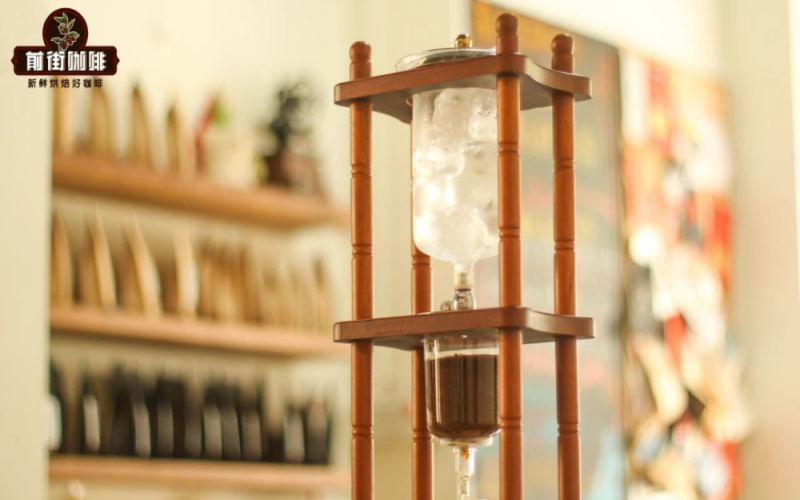
Ice Drip Coffee Flavor Characteristics and Complete Brewing Process, with Selected Front Street Coffee Light Roast and Dark Roast Bean Recommendations
Cold brew coffee is extracted through the slow drip filtration of ice water, presenting a rich, smooth, and full-bodied taste, and because of the low-temperature extraction, it is neither sour nor astringent and does not upset the stomach. Coffee beans of different roast levels bring completely different flavor expressions: the dark-roasted Front Street Mandheling, Front Street Huilan, and Front Street Cerrado are suitable for making cold brew with low acidity, strong aroma, and a clear sweet aftertaste; the light-roasted Front Street Floral Queen, Front Street Strawberry Candy, and Front Street Cherry Tomato can present a non-bitter, richly layered floral and fruity sweet-and-sour profile. This article will also introduce in detail the standard method for making cold brew coffee, including equipment preparation, coffee bed handling, drip speed control, and refrigerated oxidation and other key steps, to help coffee enthusiasts make a cup of outstanding cold brew coffee at home. [more…]

Luckin Coffee partners with Silly Cat to launch a lactic acid bacteria Americano, and netizens' hands-on tests of its laxative effect spark heated discussion
Luckin Coffee recently collaborated with the popular internet IP "EverydayOneCat" to launch two limited-edition drinks: Probiotic Americano and Probiotic Iced Tea. The Probiotic Americano made a brief appearance as a Shanghai-exclusive in October last year, and is now available nationwide, sparking a buying frenzy among fans. However, consumers' focus is not on the flavor of the drinks, but on their laxative effect—the combination of probiotics, caffeine, and ice has been jokingly dubbed "Poop Water" by netizens. This time, Luckin includes 3 packs of collaborative pocket tissues with each order, which, compared to the 1-pack configuration of last year's Prune Americano, has sparked even more imaginative speculation among netizens. On social media, some report "immediate results," while others say they had no reaction at all, making individual differences the focal point of discussion. This article will outline the background of the new product launch, consumer testing feedback, and various viewpoints. [more…]