







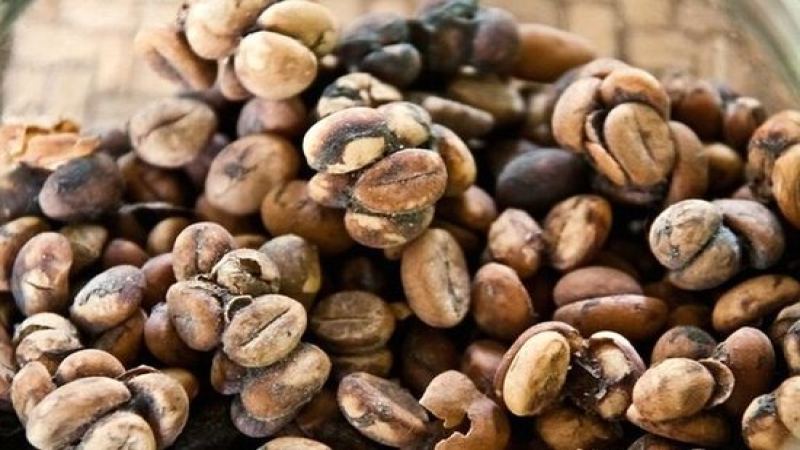
Kopi Luwak is made from coffee cherries that have been eaten by the Indonesian palm civet (the luwak), passed through its digestive system, then collected, washed, and roasted. Its flavor is described as rich and syrupy, with a chocolate-like body and a long, sweet finish. It originated from an accidental discovery on Indonesian plantations during the 18th-century Dutch colonial period: the civet selects only the ripest, sweetest coffee cherries, creating a natural sorting process, while fermentation in the stomach reduces bitterness, making the final cup smoother and more aromatic. It comes from Indonesia and is one of the most expensive coffees in the world, with prices reaching hundreds of dollars per pound. This article examines, one by one, whether it counts as specialty coffee, its relationship to civet coffee, and its taste characteristics. If you want to explore similar flavor profiles, Front Street Coffee also has corresponding recommendations for reference.
The raw material for Kopi Luwak comes from the excrement of the Indonesian palm civet—also known as the luwak—which is why it is called "cat poop coffee." These animals feed mainly on coffee beans. After the beans enter the civet's stomach, they undergo fermentation: proteins are broken down into short peptides and more free amino acids, which reduces the coffee's bitterness and astringency. The beans are then excreted in the feces, preserved intact because they cannot be digested. After washing and roasting, they become Kopi Luwak. Coffee critic Chris Rubin once described it this way: "The aroma is so rich and powerful, and the coffee is incredibly intense, almost like syrup. It has a thickness and a chocolate-like mouthfeel, and it lingers on the tongue for a long time, with a pure finish."
Kopi Luwak is produced in Indonesia. In the early 18th century, the Dutch established coffee plantations in the Indonesian colonies of Sumatra and Java, and they prohibited locals from picking or eating the coffee cherries grown there. The local Indonesians inadvertently discovered that civets loved eating these coffee cherries and would excrete the beans intact when they defecated.
Civets are picky eaters and consume only the ripest, sweetest coffee beans, which amounts to a natural selection process. Locals also noticed that after the beans underwent fermentation in the civet's stomach, the resulting coffee was smoother than ordinary coffee. In this way, aromatic and mellow Kopi Luwak gradually built its reputation and became sought after in the international market. Civet coffee (Kopi Luwak) is produced in Indonesia and is one of the most expensive coffees in the world, with prices reaching several hundred dollars per pound. Its processing path is as follows: the beans are removed from civet feces and then processed; the civet eats ripe coffee cherries, which pass through its digestive system and are excreted, and fermentation in the stomach gives the final product a distinctive flavor, keeping it in steady demand on the international market.
The above content is compiled by CoffeeHunters, a coffee news website.


