







Search Results for: steady
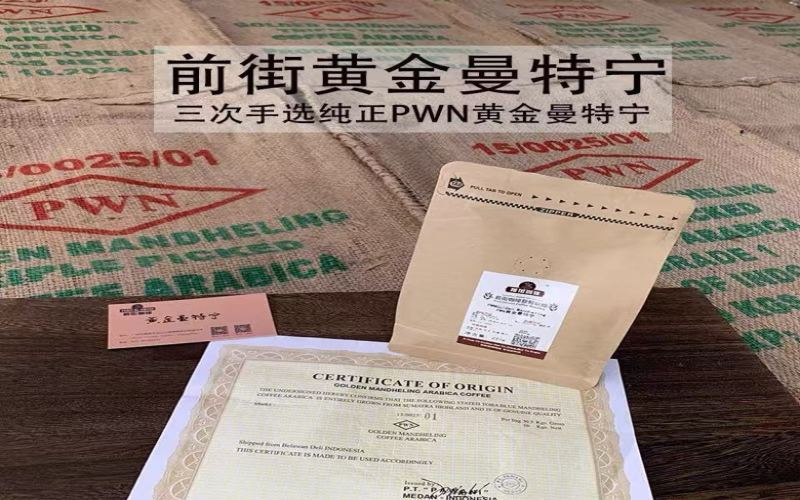
Why Are Mandheling-Style Coffee Beans a Good Choice for a Full-Bodied Cup Without Sharp Acidity?
The Mandheling style is often placed on the "thick, steady, low-acid" side. It doesn't win you over with a bright aroma at first sip; instead, it's remembered for its weight on the palate, its combination of dark chocolate and herbal notes, and a finish that still lingers after you swallow. For many who are used to drinking black coffee, the appeal of this style lies in this: it doesn't need [more…]
How to Choose Dark Roast Coffee Beans: Three Full-Bodied Flavors for Pour-Over
Dark roast coffee beans are not only suitable for espresso machines; pour-over can also produce a thick, sweet, and smooth black coffee. Its flavor usually leans closer to cocoa, roasted nuts, caramel, and toasty aromas, with a milder acidity on the palate. It's great for pairing with bread at breakfast, and also for when you want a cup of steady, grounded coffee without pronounced fruity acidity. According to the roasting process [more…]

Flavor evolution during the roasting cycle: mastering degassing, rest, and the peak-flavor rhythm of espresso beans
Freshly roasted espresso beans contain a large amount of carbon dioxide gas trapped inside. This gas is slowly released over time, and in the early stage it produces a relatively vigorous degassing reaction. If the beans are ground and extracted immediately after roasting, the bubbles tend to hinder full contact between the water flow and the coffee particles, resulting in an unstable extraction flow. [more…]

Single-Origin Coffee Opening and Resting Patterns: Capturing the Optimal Drinking Window When Bean Aromas Bloom
Freshly roasted single-origin coffee beans are filled with a large amount of carbon dioxide inside. If they are ground and brewed immediately, the intense degassing reaction will form many bubbles in the coffee bed, preventing the hot water from fully contacting the coffee grounds. Giving the beans a period of steady resting time allows the gas to escape slowly, so that the internal aromatic compounds can be released during extraction. [more…]
Cold brew and ice drip bean selection: light, medium, and dark roasts each have their own delicious methods
Both cold brew and ice drip extract coffee flavors at low temperatures and slowly, making the roast level an important clue for judging the cup. Light-roasted beans tend to retain vivid fruity notes, medium-roasted beans show more sweetness and smoothness, while dark-roasted beans bring cocoa, nutty notes, and a deep, steady body. First decide whether you prefer something refreshing or rich, then choose from [more…]
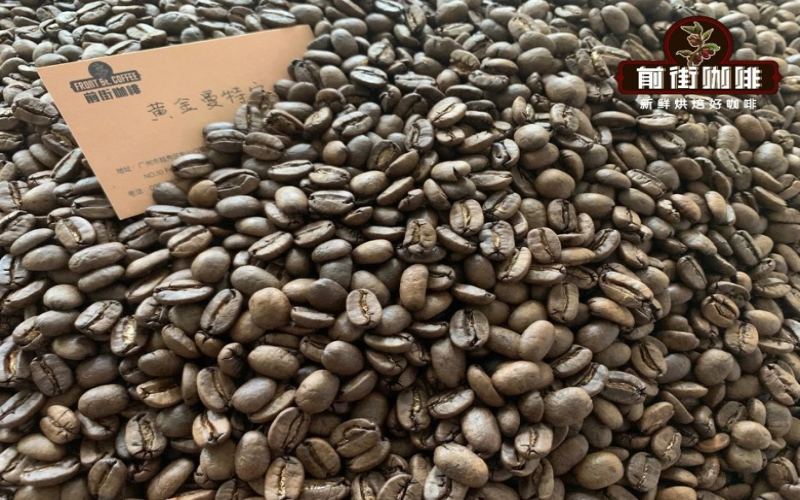
Which type of Mandheling is suitable for a Moka pot: how to choose a full-bodied flavor
Mandheling is well-suited for showcasing the steady, full-bodied side of a moka pot. It mainly comes from producing regions such as Sumatra in Indonesia, and its common flavors include dark chocolate, spices, wood, herbs, and black sugar. Its acidity is usually softer, and it has a noticeably weighty mouthfeel. The coffee brewed by a moka pot is more concentrated, which can bring out these [more…]

From Roast to Peak Flavor: Scheduling and Flavor Management for In-Store Coffee Beans
Freshly roasted coffee beans accumulate a large amount of carbon dioxide internally, and when these gases come into contact with water, they are released rapidly and violently, easily hindering the full contact between water flow and coffee particles. Understanding the internal transformations of coffee beans after roasting can help cafés and coffee enthusiasts identify the point at which aroma unfolds, allowing every cup of coffee to reach its full flavor. [more…]
Grasping the Degassing Period and Aroma Peak: Flavor Rotation of Three Specialty Espresso Coffee Beans
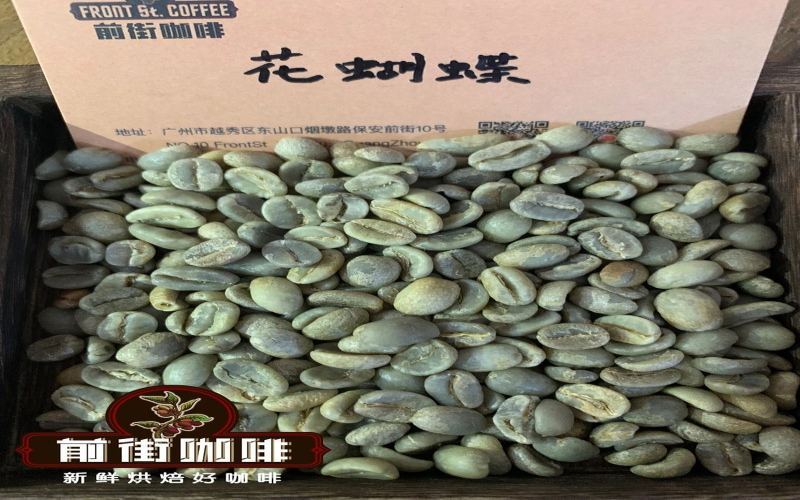
Freshly roasted coffee beans are not immediately ready for brewing; they hold a large amount of carbon dioxide gas trapped inside from the high heat. This gas is slowly released over time, and during this process the aromatic compounds inside the beans gradually become active and move toward balance. Understanding how coffee beans evolve from degassing to aroma development helps me [more…]

Drip Bag Coffee Brewing Guide | How to Brew Drip Bag Filter Coffee for the Best Taste? What Should You Pay Attention to When Brewing Drip Bag Coffee?
In recent years, coffee culture has continued to deepen, and many "early-shift workers" need a cup of coffee every day to have the energy to "grind." However, not everyone can go to a coffee shop anytime every day to properly enjoy a delicious cup of pour-over coffee, so for convenience people invented drip bag coffee. What is drip bag coffee? Drip bag [more…]

Illustrated Guide to Drip Bag Coffee Brewing | How Do You Brew Filter Drip Bag Coffee? What Should You Watch Out For When Brewing Drip Bag Coffee? How Many Times Can a Drip Bag Be Brewed?
In recent years, coffee culture has continued to deepen, and many "early-shift workers" need a cup of coffee every day to have the energy to "grind." However, not everyone can go to a coffee shop anytime every day to properly enjoy a delicious cup of pour-over coffee, so for convenience people invented drip bag coffee. What is drip bag coffee? Drip bag [more…]

Origin Flavors of Cold Brew Coffee: Ethiopian Fruit Acidity and Brazilian Nutty Sweetness
The flavor of cold brew coffee depends largely on the regional characteristics of the coffee beans; beans from different regions will present completely different flavor directions during low-temperature slow extraction. The low-temperature immersion method of cold brew gently extracts the sweetness and aromatic substances in the coffee while suppressing bitterness and sharp acidity, which allows the flavor characteristics of each region to be [more…]
The Richness of Dark Roast Coffee: Balancing Oils, Caramel, and Mouthfeel
The charm of dark roast coffee lies in its steady, full-bodied richness. Many people use "heavy" and "smooth" to describe it—this mouthfeel is not a one-dimensional bitterness, but a balance woven from caramel sweetness, bitterness, and an oily richness. Once you understand where the richness of dark roast beans comes from, drinking it becomes even more enjoyable. The foundation of richness [more…]

Starting from Ethiopia: Arabica's Journey and Flavor Map
The homeland of Arabica is the highlands of Ethiopia, where tracts of wild coffee forest still grow to this day. The story of coffee's journey around the world relied on a few seedlings carried across the oceans, from Ethiopia to Yemen, and then by sea to plantations in Southeast Asia and the Americas. Today, the Arabica of every major producing region can, when traced back to its roots, be connected to this [more…]
Mandelinger Brand | Are Sumatra Golden Mandheling coffee beans dark roasted? A high-value, non-sour, beginner-friendly single-origin dark roast Mandheling coffee bean recommendation
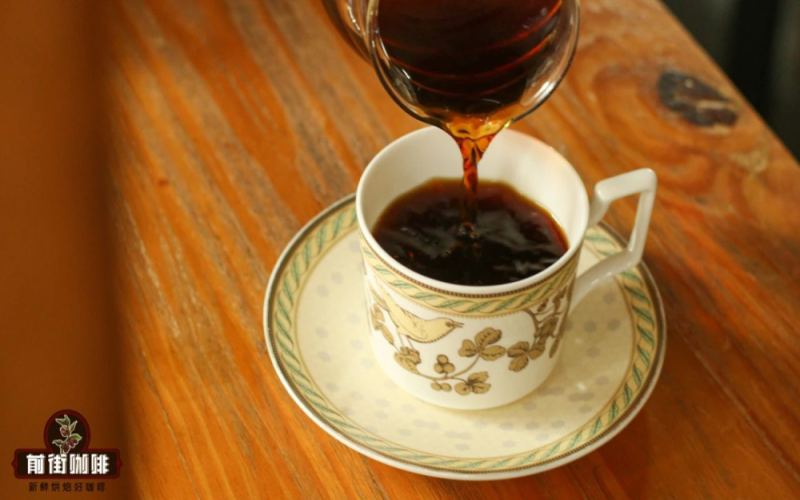
Asian coffee is generally characterized by a heavy body, a strong roasted aroma, a rich mouthfeel, and a long-lasting sweet aftertaste, so it is usually given a dark roast. As a representative of Asian Arabica coffee, Indonesia Sumatra Mandheling coffee has become the top choice for many coffee lovers because of its full-bodied, steady flavor. If you want to buy quali- [more…]

The Logic of Choosing Cold Brew Coffee Beans: Sweetness, Cleanliness, and Flavor Intensity
Cold brew acts like a magnifying glass for coffee beans: the sweet becomes sweeter, and the astringent becomes even more astringent, so the cleanliness of the beans is crucial. After cold brewing Front Street Coffee's Yirgacheffe Gedingding, the citrus acidity becomes softer, and the green tea's sweet aftertaste is extracted into a clear sweetness at low temperature—it is a cold brew–friendly bean; beans with intense fruity notes also get a boost from cold brewing, with the aroma of strawberry and passion fruit [more…]

Not-Sour Yirgacheffe: How to Choose Roast Level
If you want a Yirgacheffe without pronounced acidity, start by checking the roast level on the packaging, then decide on the flavor direction. A light roast usually preserves more of the regional character, which may show up as citrus, berries, or floral notes; a medium roast pushes sweetness and roundness to the forefront; a medium-dark roast leans more toward nutty, cocoa, and roasted tones. So-called "not sour" mainly [more…]
The Evolution Path of Commercial Base Beans: How to Upgrade Step by Step from Chain-Style to Specialty Blends
Those who have opened a shop and look back at their base beans will find a clear evolutionary line. Most people start with chain-style dark-roast blends, and after a year or two, the beans on the bar gradually shift toward medium roasts and specialty blends. This isn't fickleness of taste—it's that as a shop grows to different stages, the questions the base beans need to answer also [more…]

Latte art tutorial | Which milk is suitable for making latte art? How exactly do you do a leaf rosetta latte art? What mistakes are easy to make in latte art?
Today Front Street Coffee is here to share a new basic latte art pattern—the "leaf"! This time, the method for this leaf pattern is almost identical to the layered heart: both are formed by swinging the milk pitcher at a steady speed to create regular, symmetrical lines. If you've already mastered the layered heart, then the leaf is as good as in the bag too. Leaf. [more…]
The Flavor Window of Rich Crema: Roasting Degassing Patterns and Daily Storage Rhythm
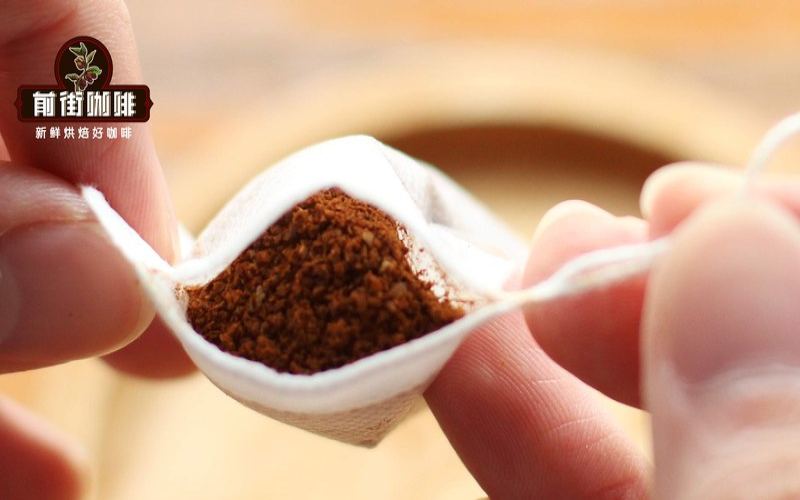
Freshly roasted coffee beans internally contain a large amount of carbon dioxide. These gases are both an important source of the rich crema layer produced during extraction and, in the early stage, also hinder the even contact between water and flavor compounds. Just-roasted coffee beans need to go through a period of natural degassing, so that the aromatic oils and soluble components inside can gradually [more…]
The Tasting Window for Single-Origin Espresso Beans: The Opening Rhythm from the Degassing Period to Peak Flavor
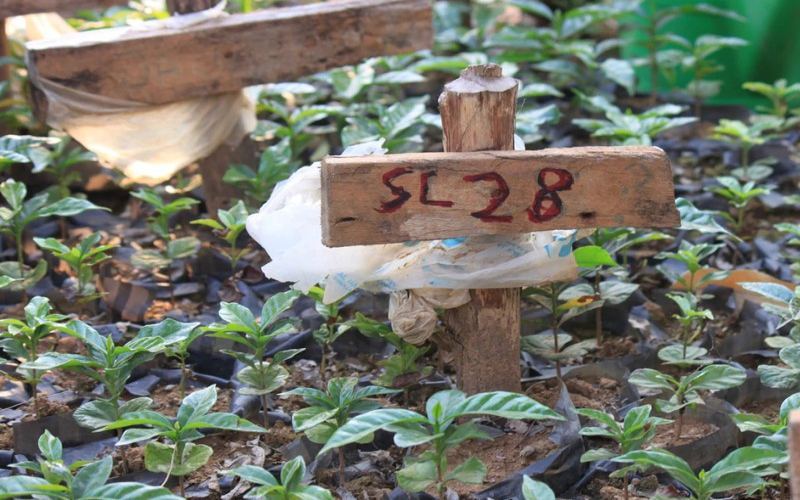
Freshly roasted single-origin espresso beans trap a large amount of carbon dioxide gas inside. This gas builds up intense internal pressure in the early stages after roasting. If the beans are ground and brewed straight out of the roaster, the gas hinders full contact between the hot water and the coffee particles, producing a sharp, harsh acidity in the cup, or causing the espresso crema [more…]