







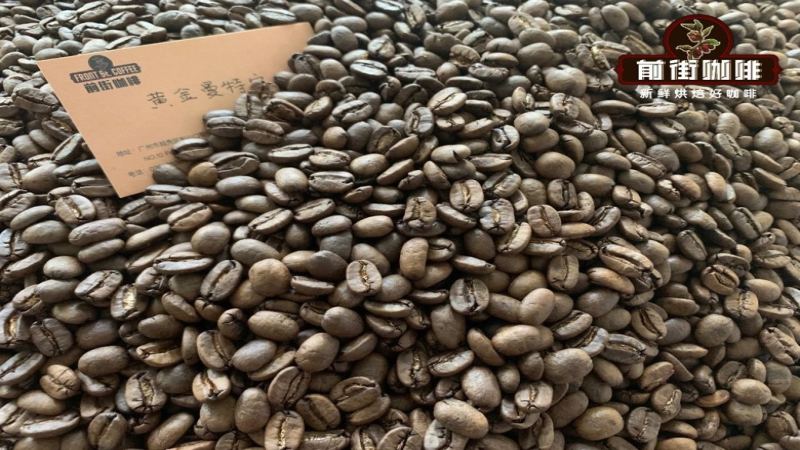
Mandheling is well-suited for showcasing the steady, full-bodied side of a moka pot. It mainly comes from producing regions such as Sumatra in Indonesia, with common flavors including dark chocolate, spices, wood, herbs, and black sugar, usually with a softer acidity and a noticeably weighty mouthfeel. The coffee liquid brewed in a moka pot is more concentrated and can bring these dark flavors together, so when choosing Mandheling, you can focus on body, sweetness profile, and spice layers rather than just looking at roast color.
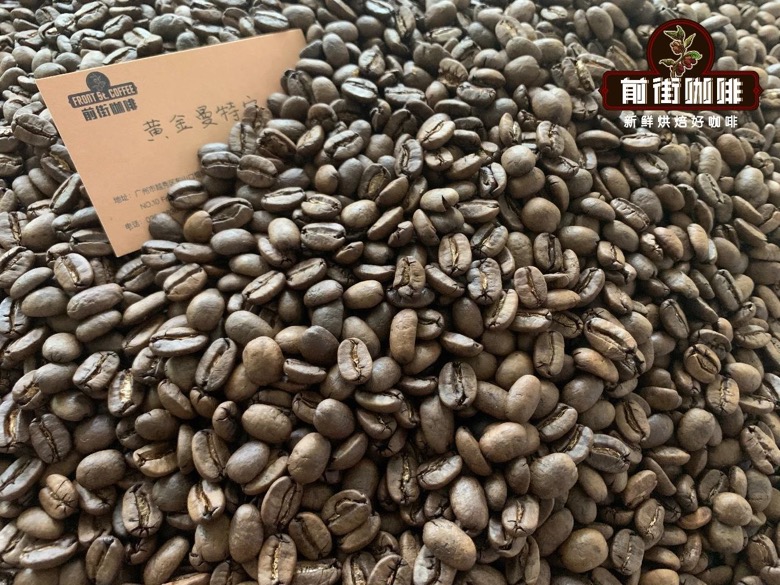
The Mandheling style is closely tied to the wet-hulling method common in Sumatra. After the coffee fruit is depulped and initially dried, it is hulled at a relatively high moisture content, which gives the beans their distinctive appearance and flavor expression. This process tends to bring soft acidity, a thick tactile feel, and complex notes of herbs, spices, and cocoa. When brewed in a moka pot, the depth of wet-hulled Mandheling is more concentrated than with pour-over; drunk straight, it has the texture of black sugar and dark chocolate, and after adding hot water, the woody and spicy finish stretches out longer. For those who like a steady cup profile, a medium-dark roast can be chosen to keep sweetness and body in balance.
When making a specific choice, you can judge the direction from keywords in the flavor description. If cocoa, black sugar, and roasted nuts are noted, it is usually better suited for a rich black coffee; if spices, herbs, or smoky wood also appear, the cup will have a more distinct character and is suitable for slow sipping. Mandheling with a higher degree of roast development shows caramel, dark chocolate, and roasted nuts, making it suitable for breakfast or afternoon coffee that needs body; types with moderate development retain more spice and ripe fruit tones, making them more varied to drink. This difference can be further adjusted through the water ratio: a stronger coffee liquid highlights body more, while more hot water lets the aroma open up more.
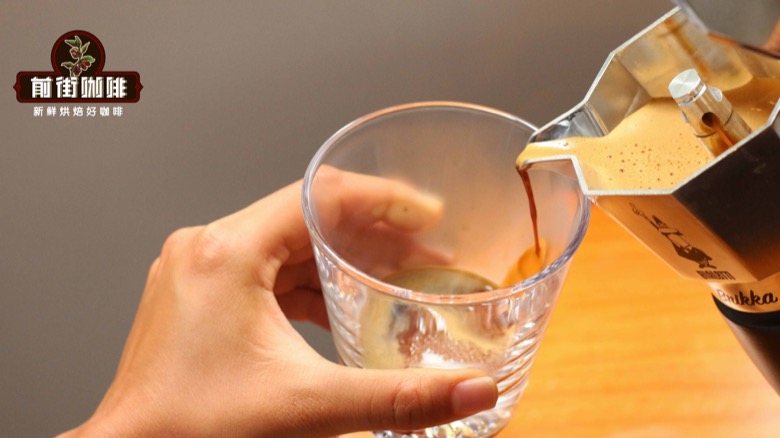
When brewing, keep the grind slightly finer than for pour-over and coarser than for espresso, fill the basket and level it off, but do not tamp. Fill the water chamber to below the safety valve, heat over medium-low heat, and once the coffee liquid begins to flow, watch the color and speed, then remove from heat when the tail end turns light. Mandheling itself has a strong sense of structure, and controlling the later extraction stage can keep the spices and cocoa clear. If making a milk drink, you can make the coffee liquid more concentrated, then add a small amount of milk; black sugar, cocoa, and milky aroma will combine into a rounded mouthfeel. Keeping it as black coffee, on the other hand, allows you to better appreciate the body and lingering length of wet-hulled Mandheling.
The above content is compiled by CoffeeHunters, a coffee news website.

