







Search Results for: smallholder cooperative
From Idido to Aricha: The Origins of Yirgacheffe Red Honey and Natural Processing Plants and Their Flavor Comparison
The Aricha processing station in Ethiopia's Yirgacheffe region, originally named Idido, was once owned by the well-known coffee trader Abdullah Bagersh. Although it later changed owners and names, its processing standards and quality have continued to this day. This article will trace the relationship between Idido and Aricha, introduce the operating model of the Yirgacheffe Coffee Farmers' Cooperative Union (YCFCU), and present Front Street Coffee's roasting recommendations and flavor descriptions for two beans—Yirgacheffe Red Honey Red Cherry and Natural Aricha—offering an in-depth look at the processing techniques and cup performance of the Misty Valley micro-region. [more…]

Exploring the Unique Flavor and Processing of Yirgacheffe Almaz Bekele Smallholder Natural G1 Coffee
Yirgacheffe, a star region in specialty coffee, boasts a wide variety of offerings, among which the sun-dried G1 lot produced by smallholder Almaz Bekele is particularly noteworthy. Under the guidance and assistance of YCFCU, this coffee displays mature and rich flavor layers, with a cupping performance that is even on par with well-known cooperatives. Front Street Coffee's Yirgacheffe G1 Sun-Dried Red Cherry selects perfectly ripe cherries, undergoes sun-drying and a medium-light roast, revealing aromas of tropical fruits, white grapes, blueberries, and orange blossom, with a smooth mouthfeel and full-bodied sweetness. This article will guide you through the production background of smallholder Almaz Bekele, the collaborative model of YCFCU, and the specific flavors and processing details of this coffee. [more…]
How Does Fair Trade Change the Fate of Coffee Farmers? The Flavor and Story of Ethiopian Natural Yirgacheffe Konga Wote Flower Beans
Yirgacheffe is one of Ethiopia's most renowned coffee regions, and behind this cup of floral and citrus notes lies a story of fair trade and smallholder farmers' struggles. This naturally processed Yirgacheffe from the Oromia Coffee Farmers' Cooperative not only carries the hopes of local coffee farmers to escape poverty, but also wins over countless coffee lovers with its G2 grade, organic certification, and richly layered flavors. This article will guide you through how the Oromia Cooperative grew against the odds during 30 years of low coffee prices, as well as the tasting profile and brewing suggestions for Front Street's Veda Flower beans. [more…]
Tracing the Origin of Yirgacheffe: A Full Analysis of the YCFCU Cooperative's Operational Model and Flavor Characteristics
Yirgacheffe is one of the flagship specialty coffee regions in Africa, yet many people are not clear about exactly where it is located, nor do they understand the farmer cooperative system behind it. This article will take an in-depth look at the background of the founding of the Yirgacheffe Coffee Farmers' Cooperative Union (YCFCU), its operating mechanism, and its impact on coffee quality. It will also introduce the division of the Yirgacheffe producing region, its flavor characteristics, and the unique charm of Front Street Coffee's Yirgacheffe washed and natural processing methods, giving you a comprehensive understanding of this classic coffee known as the "Queen of Coffee." [more…]
Yirgacheffe Worka Cooperative Washed Medium Roast: Flavor Profile & Pour-Over Parameters
The Yirgacheffe region has long been celebrated for its bright acidity and elegant floral aroma, and the washed beans from the Worka Cooperative stand out as one of its most distinctive offerings. These beans come from the small town of Werka in the Gedeb region of southern Ethiopia, run collectively by 305 smallholder farmers and holding Fair Trade and organic certifications. Worka employs traditional washing methods, revealing layers of aroma reminiscent of citrus, lemon, and Tieguanyin, with clean, bright acidity and a long-lasting sweet finish. This article will provide a complete overview—from the cooperative's background, growing conditions, and processing methods to Front Street Coffee's actual brewing recipe—of this washed Yirgacheffe bean that is ideal for beginners looking to experience the region, helping readers build a foundational understanding of its flavor profile. [more…]
Ethiopian Coffee Export System and ECX Grading Mechanism: A Special Analysis of the Yirgacheffe Region
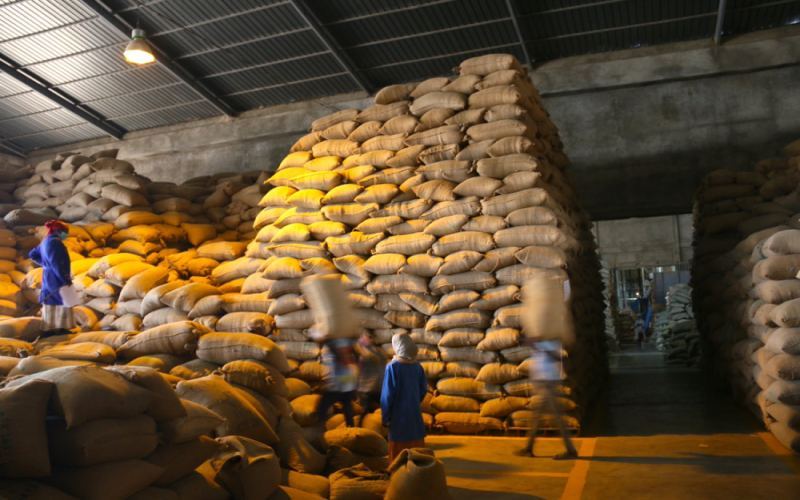
Ethiopia, as the birthplace of coffee, has an export system and grading structure that directly shape the flavor in the cups of coffee lovers worldwide. This article takes an in-depth look at the country's three major coffee export systems—ECX bidding, cooperatives, and single estates—revealing how ECX reshapes coffee trading through its pricing mechanisms, warehousing and logistics, and real-time information, while focusing on the ECX specialty grading standards of the Yirgacheffe region. It also introduces the operating models of the six major cooperative unions, and how well-known cooperatives such as Front Street Gediding and Front Street Woka stand out through their exquisite processing techniques. Whether you are a coffee professional or an enthusiast, you can understand from this the quality logic of Ethiopian coffee from origin to cup. [more…]
Ethiopia's Three Major Coffee Export Systems and the ECX Trading Mechanism: How Single-Farm Beans Like Hambela Hualukui Reach Overseas Markets
Ethiopia, as the holy land of specialty coffee, has a rather complex coffee export system. According to local regulations, coffee exports are divided into three major systems: ECX bidding, cooperatives, and single farms. Among these, cooperatives and single estates can bypass the ECX and export directly, offering relatively complete traceability. The ECX was founded by Eleni Gabre-Madhin in 2008, and through grading, warehousing, and real-time information, it transformed the trading circumstances of coffee farmers. However, what truly achieves 100% traceability is the single farm system that has risen in recent years. The Sidamo sun-dried Huakui is a representative work from the Hambela farm. This article will sort out the operational differences among the three systems, the trading logic of the ECX, the structure of the six major cooperative unions, and the significance of single farms to specialty coffee. Front Street will also continue to follow these origin developments, bringing coffee enthusiasts clearer origin knowledge. [more…]
Exploring Ethiopia SNNPR Natural Yirgacheffe G1: Flavor Analysis of the Heirloom Variety from Gedeb Gotiti Cooperative, Alimbukato Smallholder
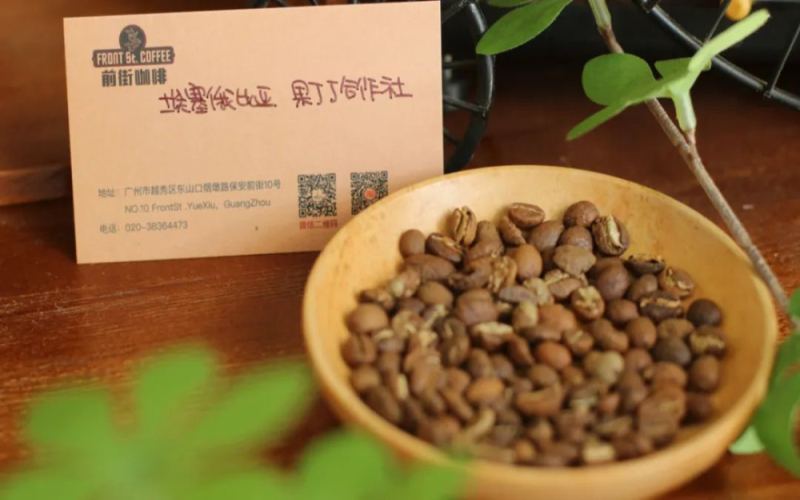
The Woka/Gotiti micro-regions in southeastern Yirgacheffe have always dazzled at the cupping table thanks to their high altitude and meticulous processing. This article focuses on the Alimbukato smallholder lot from the Gotiti cooperative, detailing both the natural and washed traditional methods, and presents a complete flavor description of Front Street Coffee's Gotiti. The natural lot shows berry, sweet orange, and creamy aromas, with clear sweetness and a black tea note in the finish; the washed lot is Grade G1, and under a medium-light roast it highlights jasmine and lemon notes, with citrus, blueberry, honey, and green tea interwoven on the palate, juicy and bright with balanced acidity and sweetness. The article ends with V60 three-pour brewing parameters and a flavor analysis, giving you a full experience of the rich charm of classic Gotiti. [more…]
Analysis of Papua New Guinea Coffee Region Characteristics and HOAC Cooperative Bird of Paradise Bean Flavor
Papua New Guinea is located in the Pacific Ring of Fire, with fertile volcanic soil and high-altitude growing conditions, making it an emerging Arabica coffee origin. Local coffee is mainly produced by smallholders, with a solid flavor profile, low acidity, and a clean cup that suits Asian taste preferences well. Among them, the HOAC cooperative in the Eastern Highlands Province, by joining the Fair Trade organization, uses community development funds to build roads, improve healthcare and education, and upgrade wet-processing equipment, which not only improves coffee quality but also enhances market competitiveness. This article will walk you through the overall characteristics of Papua New Guinea coffee and take a deeper look at the flavor and mouthfeel of HOAC cooperative's Bird of Paradise coffee beans, along with recommendation information from Front Street Coffee. [more…]
Tanzanian Coffee Beans: Variety Stories, Origins, Grading, Characteristics, Flavor and Taste Description and Introduction
Tanzania is an important coffee-producing country in East Africa. Its coffee industry was once dominated by estate cultivation, but today more than 85% of production comes from smallholder farmers, who are organized through cooperative organizations such as the Kilimanjaro Native Cooperative Union (KNCU). Tanzanian coffee once suffered from quality fluctuations due to political instability, pests and diseases, and smuggling, but in recent years it has gradually improved. Its coffee beans are known for being rich and refreshing, with lower acidity than Kenya's, and for their pure, aromatic flavor, especially the Chagga AA-grade coffee produced in the Moshi district of Mount Kilimanjaro, which has plump beans and a full aroma. This article will guide you through the varietal story, origin characteristics, grading, and market evolution of Tanzanian coffee, and includes Front Street Coffee's recommendations and brewing suggestions. [more…]
Behind the Proliferation of Yirgacheffe Cooperatives in Ethiopia: How Fair Trade Drove the Rise of Specialty Coffee
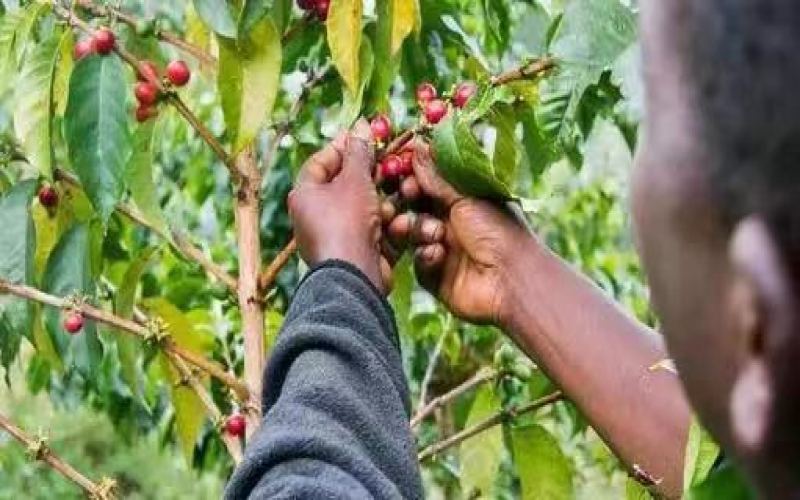
Why have so many cooperatives emerged in Yirgacheffe? Behind this is the journey of coffee farmers striving for fair trade and direct trade. Since the founding of YCFCU in 2002, 24 primary cooperatives and about 50,000 farmers have been able to bypass the ECX bidding system, negotiate prices and export directly with buyers, and obtain reasonable pay and even equipment assistance. Cooperatives such as Gedeb, Konga, Worka, Hafursa, and Idido each have their own terroir characteristics and are deeply favored by specialty coffee lovers. Front Street Coffee selects beans from multiple cooperatives, presenting the different charms of washed and natural processing. This article will take you through the stories and flavors of these cooperatives. [more…]
Ethiopia Guji Region Coffee Flavor Analysis: From Yirgacheffe Gedeb Village to Shakiso—Grading and Regional Evolution
As the birthplace of coffee, Ethiopia's regional divisions and flavor profiles have always been a focal point for coffee enthusiasts. This article will provide an in-depth analysis of the rise of the Guji Zone, starting from the four-tier administrative system of Region, Zone, Woreda, and Kebele, to explain the positioning of Guji-Shakisso within Oromia Region→Guji Zone→Shakisso woreda. At the same time, using the Yirgacheffe Geddida Village washed G1 lot as an example, it will fully present the production background, varieties, processing methods, and flavor layers of smallholder farmer Alimbukato, and trace the historical context of Geddida Village's independence from the Worka Cooperative in 2012. The article also covers the scale, organic certification, and high-altitude terroir conditions of the Worka Cooperative, helping readers comprehensively understand why Ethiopia's Guji Zone has become a hotspot that cannot be ignored in specialty coffee in recent years. [more…]
The Two Major Coffee Producing Areas of Gedeb Town in Yirgacheffe: Background and Flavor Analysis of Worka and Halo Beriti Cooperatives
In the southern part of Ethiopia's Yirgacheffe region, around the town of Gedeb, lie two coffee-dependent villages, Worka and Hatumai, known for their high altitude and exceptional quality. The private processing station in Hatumai village is run by the Mijane family, which has built mutually beneficial partnerships with smallholder farmers and also promoted community development. The cooperative movement after 2000 and the competition from private processing stations together improved coffee quality and farmers' incomes. This article walks you through the background of these two producing areas and breaks down the flavor profile of Worka washed coffee beans—rich floral and fruity acidity, bright juicy body, and a brown sugar finish. Front Street Coffee recommends this bean, ideal for lovers of washed Yirgacheffe. [more…]
A Complete Analysis of Kenyan Coffee Regions: From SL Varieties to the K72 Washing Method and the Historical Thread of the Auction System
Kenya is located in the equatorial zone of East Africa, with the Great Rift Valley running north to south through the country. The plateaus within its borders have an average elevation of about 1,500 meters, providing exceptional terroir conditions for coffee cultivation. Coffee is Kenya's second-largest agricultural export after tea, grown mainly on volcanic plots at elevations of 1,600 to 2,100 meters from the capital Nairobi to the areas around Mount Kenya. This article systematically examines the varietal composition of Kenyan coffee, the microclimatic characteristics of each major producing county, the iconic K72 washed processing method, the green bean grading system, and the evolution of the auction system from the colonial period to the rise of smallholder cooperatives—taking you deep into the complete picture of this heavyweight of African specialty coffee. [more…]
Flavor Analysis of Ethiopian Guji Zone Kochere Sun-Dried Coffee and the Background of Operation Cherry Red
Guji Zone is a coffee-producing region in Ethiopia that has attracted much attention in recent years, located southeast of Yirgacheffe and under the administration of Oromia Regional State. This lot of Kersha Village Natural G1 is produced by a local smallholder cooperative, using African raised-bed natural drying, at an altitude of 1,900 to 2,000 meters, with the variety being Ethiopian heirloom landraces. In terms of flavor, it presents delicate blueberry aroma, ripe orange and grape notes, with sweet, rich body and a long finish. This article explains in detail the administrative divisions of this producing region, the operating model of the Kersha cooperative, and how the Dutch Red Cherry Project improves coffee quality through technical guidance and premium-price purchasing, providing coffee enthusiasts with complete background and tasting reference. Front Street Specialty Coffee also recommends Yirgacheffe Natural Red Cherry, Costa Rica Sumava Black Honey, and Angel Estate, among other beans. [more…]
Ethiopia Yirgacheffe Worka Cooperative: Origin Story, Washed Processing, and Pour-Over Flavor Full Analysis
Yirgacheffe Worka is a washed coffee that is quite friendly to beginners. It comes from the small town of Worka in southern Ethiopia, where more than seven hundred smallholder farmers cultivate the land together. The local high altitude, misty microclimate, and traditional washing process give it elegant floral aromas and bright acidity. This article will unfold step by step from the origin background, cooperative operations, washing process, roasting color value, to Front Street Coffee's brewing recipe and flavor performance, helping readers fully understand the unique qualities of this bean. [more…]
Yirgacheffe Gedeb Gotiti Cooperative Full Analysis: From Worka Separation to Washed Processing Pour-Over Flavor Guide
Ethiopia is a vital source of specialty coffee worldwide, and the Yirgacheffe region is especially famous for its floral and citrus notes. This article focuses on the Banko Gotiti (Gedeb) cooperative in southern Gedeb, Yirgacheffe, outlining its history of independence from the Worka cooperative, the smallholder background of its roughly 300 members, its organic certification and high-altitude terroir, and offering Front Street Coffee's pour-over recommendations for the Yirgacheffe Gedeb Banko Gotiti washed beans. Using a V60, a 1:15 coffee-to-water ratio, and a staged pouring technique, this cup of coffee reveals strawberry, sweet orange, floral notes, sugarcane sweetness, and a gentle tea-like body, making it ideal for coffee lovers who want to deepen their understanding of Banko Gotiti's flavor logic. [more…]
Micro-lots and Cooperatives: The Journey of a Hand-Pour Bean from Farm to Shelf
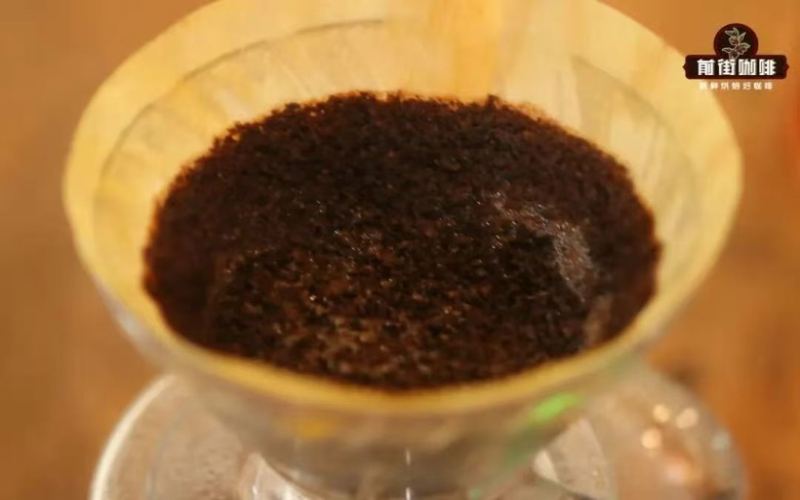
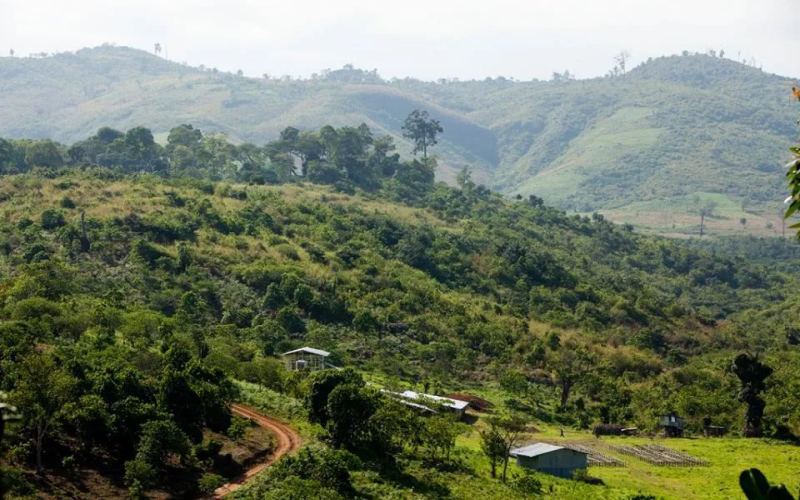
On specialty coffee menus, words like "micro-lot," "cooperative," and "processing station" are appearing more and more frequently, and price tags often jump up along with them. Behind these words lies an entire organizational system of origin—from seed to your pour-over dripper, the supply chain behind a bag of coffee is far more fascinating than you might imagine. First, let's look at the survival structure of smallholder farmers. [more…]
Ethiopia Yirgacheffe Coffee Region Story and Hand-Brewed Flavor Analysis of the Gotiti Cooperative
Yirgacheffe is one of the most iconic regions in the specialty coffee world, and its signature citrus and jasmine flavors have captivated countless coffee lovers. From the perspective of Front Street, this article takes you into this small Ethiopian town nestled by mountains and lakes, exploring the meaning behind the name Yirgacheffe, how local smallholder cooperatives operate, and how washed and natural processing methods affect flavor. The Gedingding Cooperative and the Natural Red Cherry on Front Street's bean list are two distinctive Yirgacheffe coffees—the former is known for its fresh, bright washed fruit notes, while the latter wins with its rich fermented sweetness. The article also shares Front Street's cupping notes and pour-over parameter recommendations in detail, helping you better brew out the captivating flavors of this African bean. [more…]
Natural Yirgacheffe Konga Cooperative Coffee Beans Pour-Over Flavor Analysis and Adjustment Approaches for Bitterness Issues
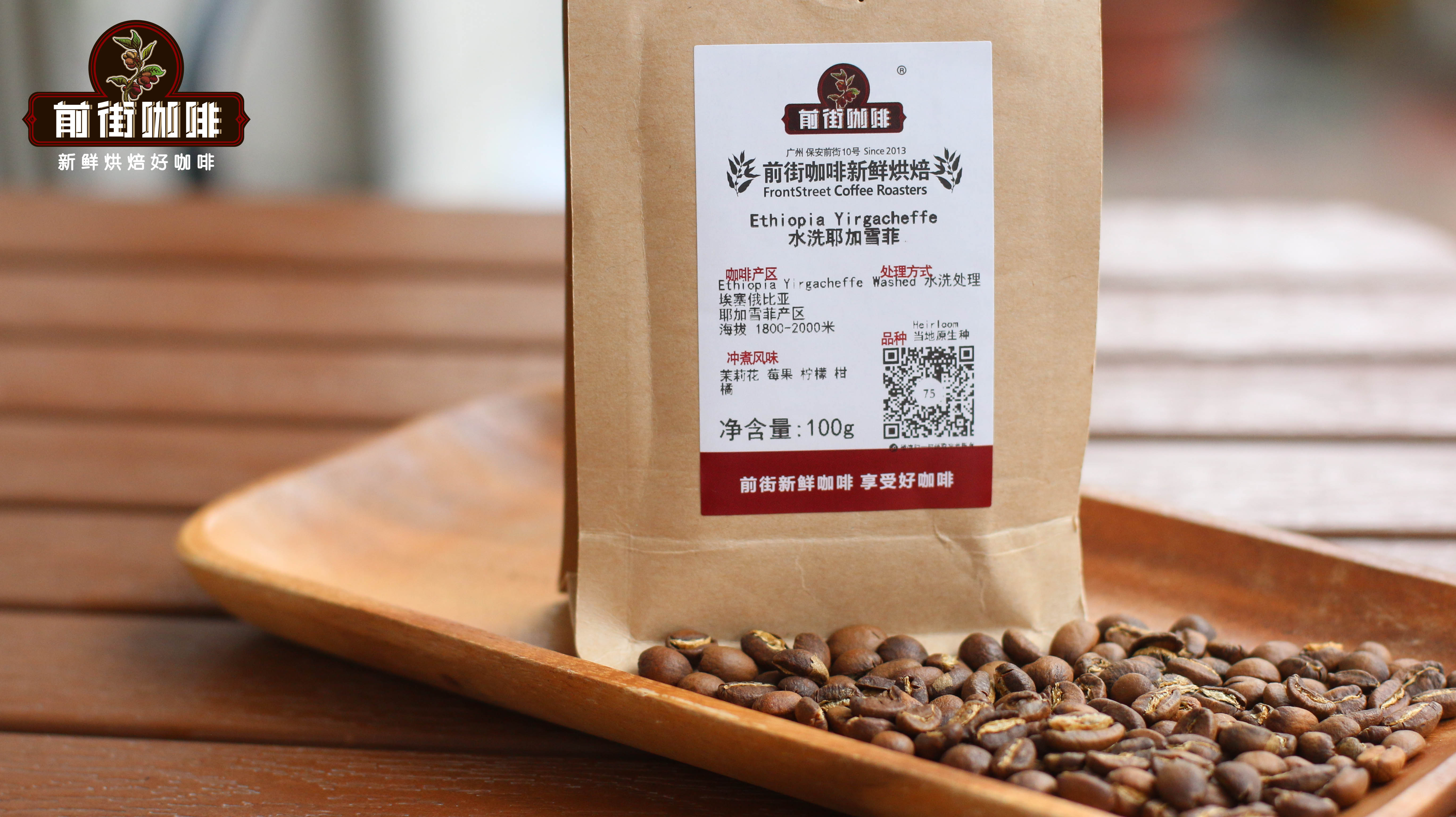
Yirgacheffe is one of Ethiopia's most renowned specialty coffee regions, famous for its floral and citrus notes. This article covers the regional background, variety characteristics, and cooperative system of Yirgacheffe, with a focus on the coffee flavors of cooperatives such as Konga, Gotiti, and Worka, and offers extraction adjustment advice for the bitterness that arises when brewing natural-process Yirgacheffe as pour-over. The article also compiles flavor descriptions and brewing parameters for several Yirgacheffe beans currently sold by Front Street Coffee, for the reference of coffee enthusiasts. [more…]