







Search Results for: small cup
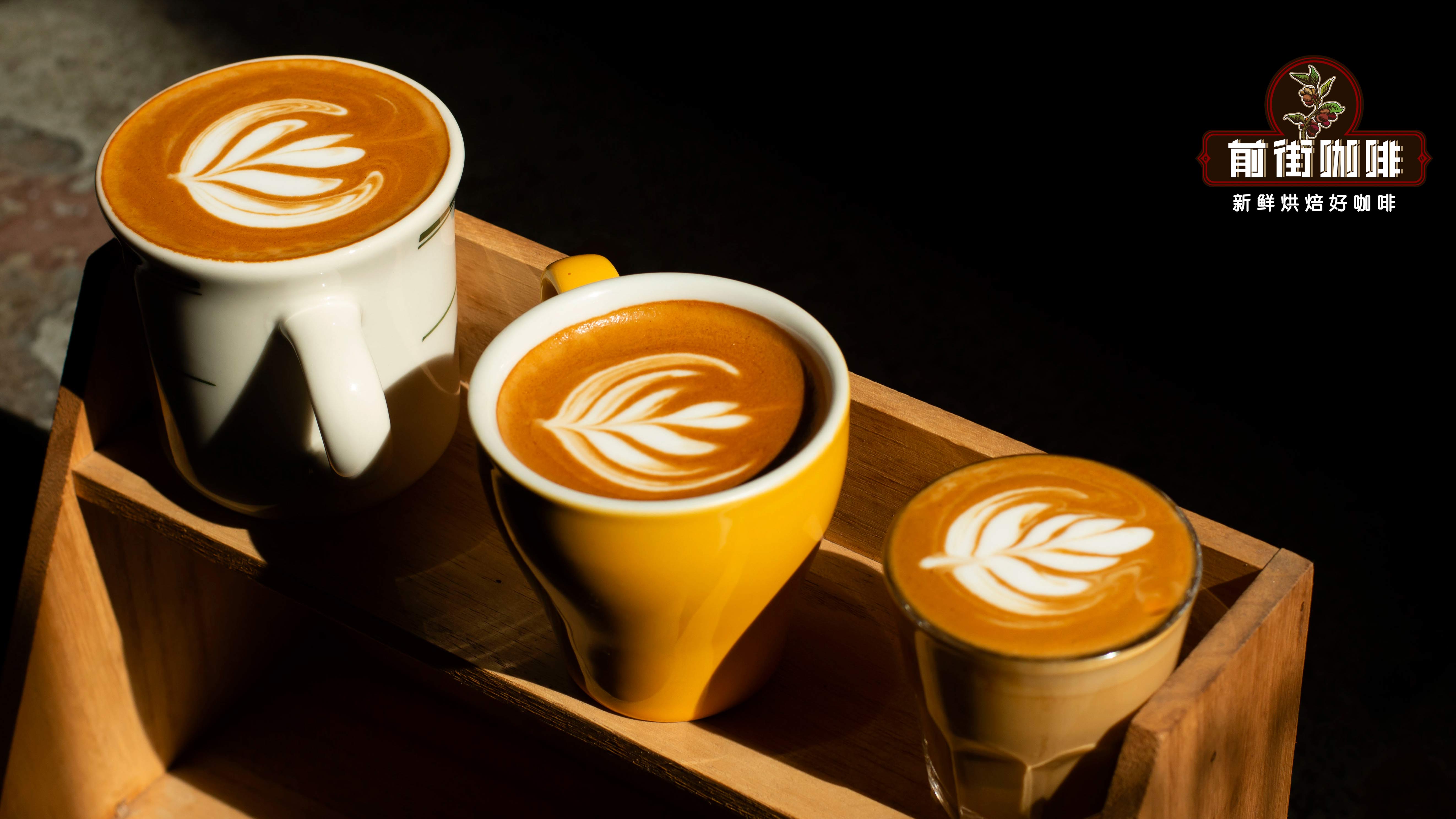
Espresso Cup Specifications | What Are the Standard Sizes for Espresso, Milk, and Latte Coffee Cups? Which Coffee Cups Should Be Used for Americano, Cappuccino, and Latte?
At FrontStreet Coffee, you'll see ceramic cups of all sizes lined up on the espresso machine, and these cups have specific meanings—different types of coffee are served in different cup sizes. In this article, Front Street tells you the secrets behind these coffee cups. [more…]
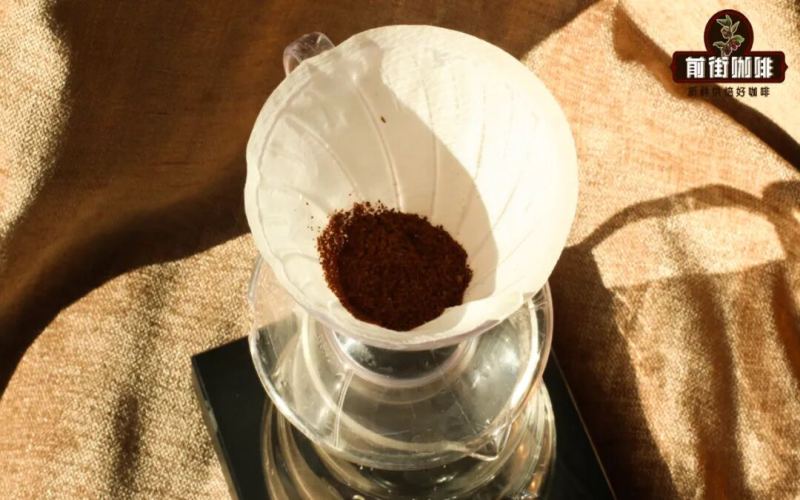
Pour-over coffee brewing method | How many coffee beans are needed to brew a pour-over? What are the difficulties of brewing coffee with a small dose? How to make pour-over coffee using only 5 grams of coffee beans
It might be used for making specialty coffee drinks, or perhaps you just want a light taste of coffee to get a hint of the flavor~ Occasionally, some friends have the idea of "brewing just a small cup of coffee with only a small amount of coffee beans." But if you've actually tried it, Front Street believes it shouldn't be hard to notice: compared to brewing with a large dose of coffee grounds, brewing a good cup with a small dose [more…]
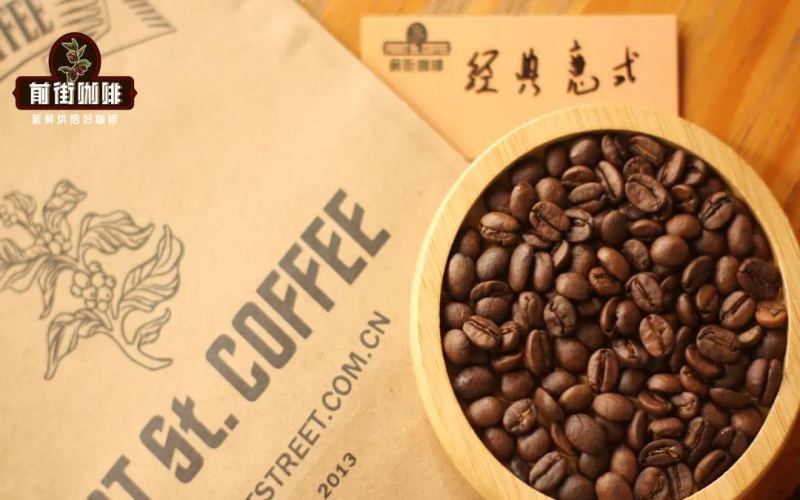
Types of Milk Coffee | What Is Piccolo Coffee? How Does Piccolo Differ from Latte and Flat White?
When it comes to hot milk coffee, the ones everyone has probably been drinking all along are latte and cappuccino, while in recent years the more popular one is Flat White, that is, Australian-style white coffee. Flat White is different from latte—it originated in the Oceania region. But did you know? Actually, besides Flat Whi [more…]
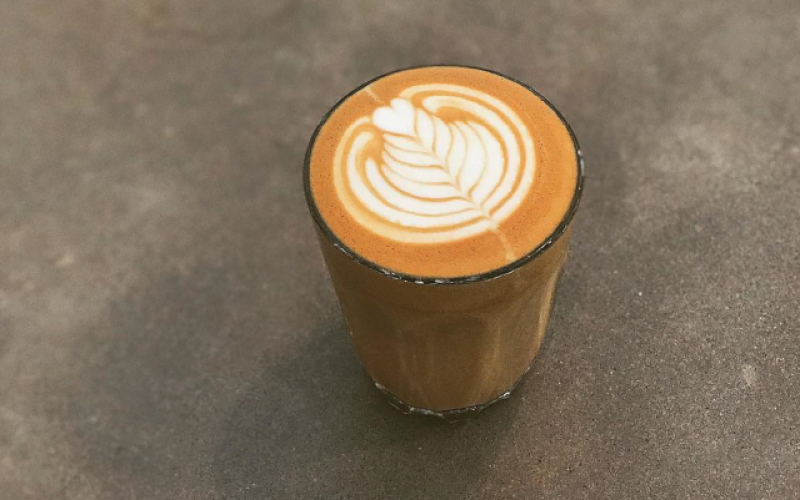
Piccolo Latte Coffee Milk Ratio | What flavor characteristics does a Piccolo Latte have? How can coffee beginners make a Piccolo coffee?
Piccolo Latte is an espresso drink made with espresso and steamed milk. It is served in a small cup, usually only 90–100ml in capacity, so it is also known as a shrunken version of a hot latte. Because baristas use lightly roasted coffee beans to make it, it has a rich coffee aroma. [more…]

Piccolo Latte Recipe | Why Is Piccolo Coffee Rare in Domestic Coffee Shops? What Is the Espresso-to-Milk Ratio in a Piccolo Latte?
There is a milk coffee drink that rarely appears on the menus of domestic cafes, but in Australia it is as popular as the flat white—that is the piccolo coffee, known as the "small latte." The difference between piccolo coffee and flat white: Piccolo coffee originates from Australia; in "piccolo latte," "piccolo [more…]
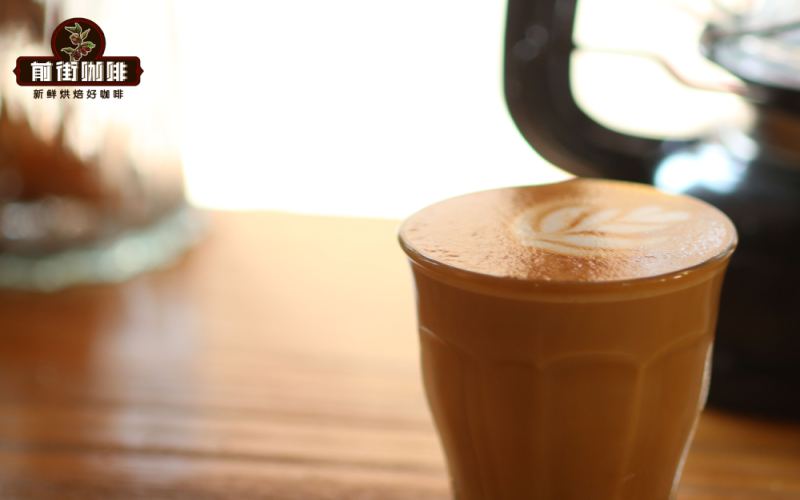
Australian Small Latte | The origin of the name Piccolo latte and how to make it. What is the difference in taste and mouthfeel between a piccolo and a flat white?
Now with the popularity of espresso, fancy coffee varieties are emerging one after another. Among them, on Front Street Coffee's espresso menu, latte and cappuccino are deeply loved by everyone, but today Front Street would like to introduce a relatively rare espresso drink—piccolo coffee, also known as piccolo latte. You may have rarely heard of [more…]
The Origins of Piccolo Coffee | What Is Piccolo Coffee? How Does Piccolo Differ from Latte and Flat White? How to Make a Piccolo Latte at Home?
When it comes to milk coffee, one that everyone may have been drinking all along is the latte, while a more popular one in recent years is the flat white, also known as Australian-style white coffee. The flat white is different from the latte; it originated in the Oceania region. In fact, besides the flat white, there is another [more…]
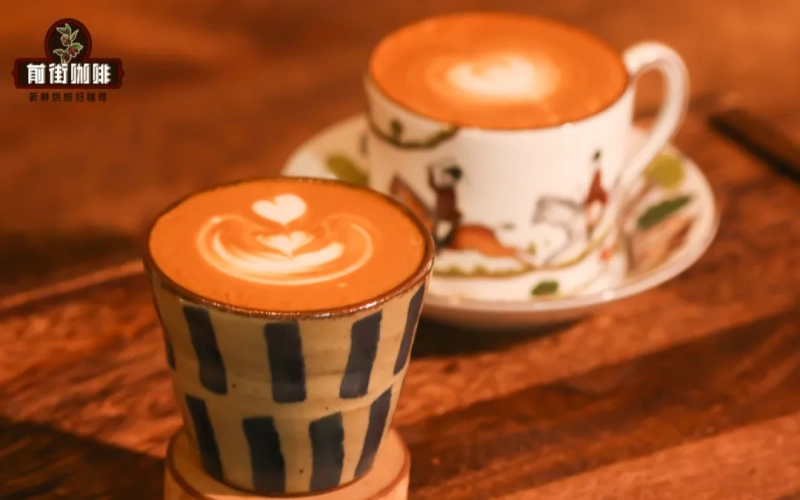
What exactly is the difference between a flat white and a piccolo? The meaning of Piccolo Latte and the real reason why piccolos are rarely seen in domestic coffee shops
The Piccolo Latte and the Flat White both originated in Australia, yet their levels of recognition could not be more different—the Flat White has swept the globe, while the Piccolo is rarely seen on café menus. "Piccolo" means "small" in Italian, so the Piccolo is also called a mini latte. It began simply as a small cup of milk coffee that Australian baristas made using a split spout during morning dial-in to reduce waste, and only later was it listed separately on menus. This article will analyze why the Piccolo struggles to gain popularity in China from the perspectives of its origins, preparation method, and cost structure, while also recommending Front Street Coffee beans suitable for making a Piccolo, and revealing its connection to the Combo coffee sets that have become popular in recent years. [more…]
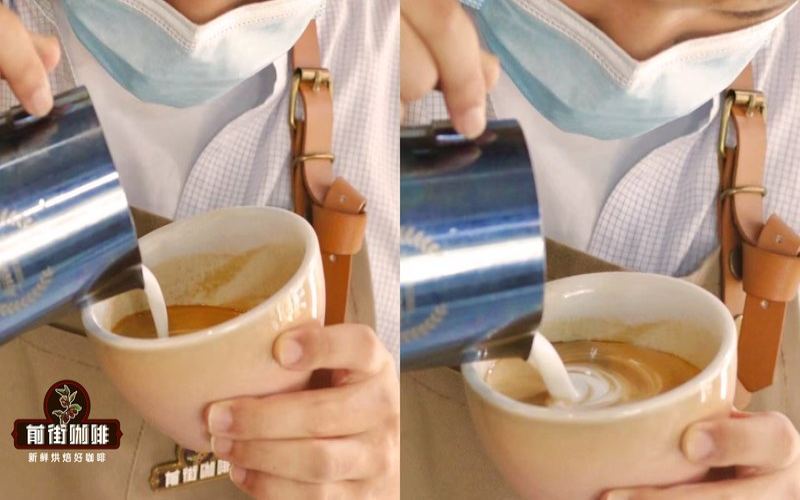
Light, Medium, and Dark Roasts: How SOE Lands in the Cup
SOE usually refers to espresso made from coffee beans of a single origin or a single batch. It doesn't belong to just one type of drink; what truly affects its performance is whether the beans are roasted light or dark: the lighter the roast, the more readily the aromas unfold toward floral, fruity notes and bright acidity; as the roast deepens, sweetness, body, and cocoa notes gradually take over. [more…]
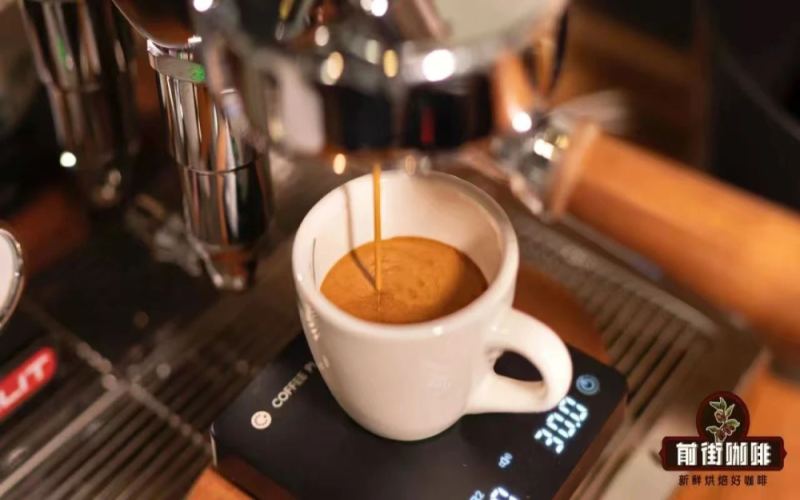
Piccolo Coffee | Piccolo Latte What are the flavor characteristics of Piccolo Coffee? What should be noted when making an authentic Australian-style Piccolo Latte?
Nowadays, when we walk into a coffee shop, we can see all kinds of drinks. Just the combinations of milk and coffee alone come in many varieties: latte, cappuccino, flat white, dirty, piccolo... I believe everyone is already familiar with the first four, so what exactly is this piccolo, which sounds so "niche"? Piccolo coffee is also called [more…]
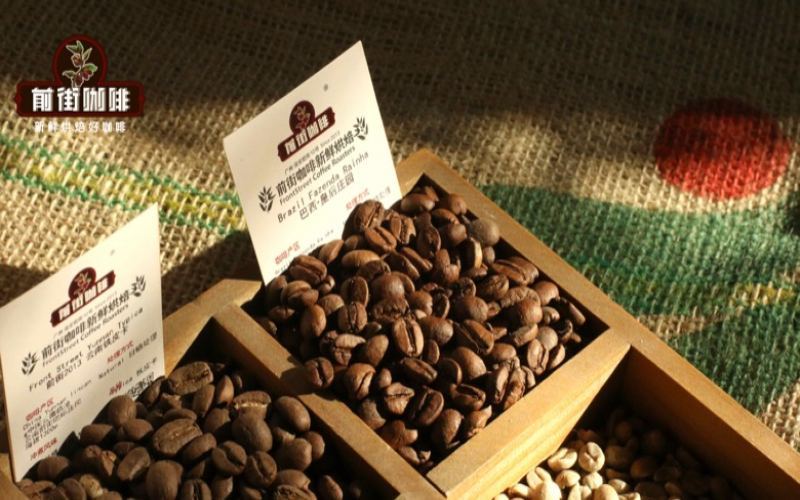
Brewing Brazilian and Colombian coffee with a moka pot: how to pair the nutty sweetness
Brazil and Colombia both work well in a moka pot for expressing nutty and sweet notes, but the flavor focus of the two is not the same. Brazil commonly shows hazelnut, peanut brittle, caramel, and cocoa, with a rounded mouthfeel, making it suitable as a substantial base; Colombia often carries brown sugar, caramel, ripe fruit, and a soft citrus note, which can give the brewed coffee more [more…]
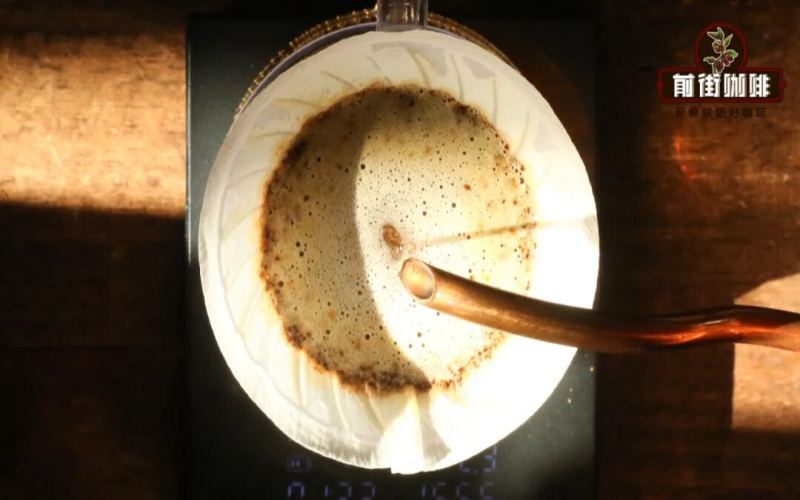
Ethiopian Yirgacheffe Coffee Beans | What Flavor Profile Does Yirgacheffe Kochere Coffee Have?
When it comes to specialty coffee beans, many friends always think of Yirgacheffe first. This is not only because Yirgacheffe has extremely high recognition in the coffee world, but also because the coffee produced in Yirgacheffe has outstanding flavor performance, is highly recognizable, and is unforgettable. However, brewing Yirgacheffe coffee well is not an [more…]
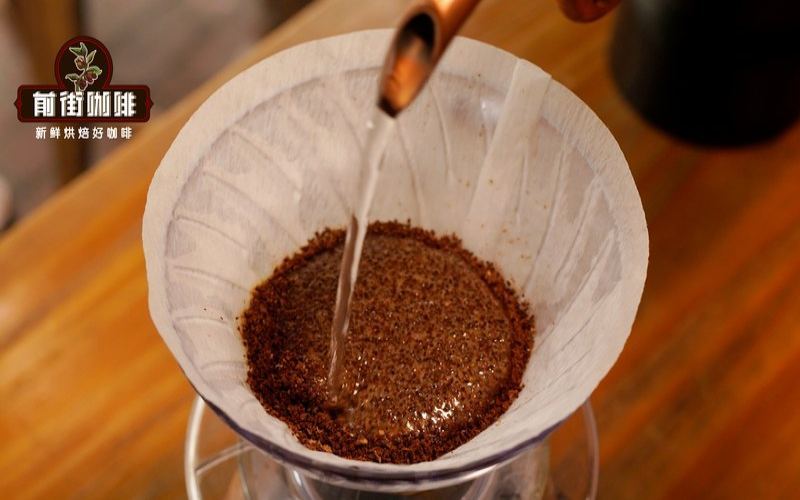
Floral and fruity pour-over beans: a flavor timeline after opening the package
In a cup of floral-fruity pour-over, the aroma changes over time. Freshly roasted beans usually carry more roasting gases, so the brew may have a scattered aroma and pronounced acidity, with the details not yet fully developed. After some time, the floral notes, fruity sweetness, and tea-like quality gradually become clearer, and the layers are more easily revealed on the palate. When buying beans, [more…]
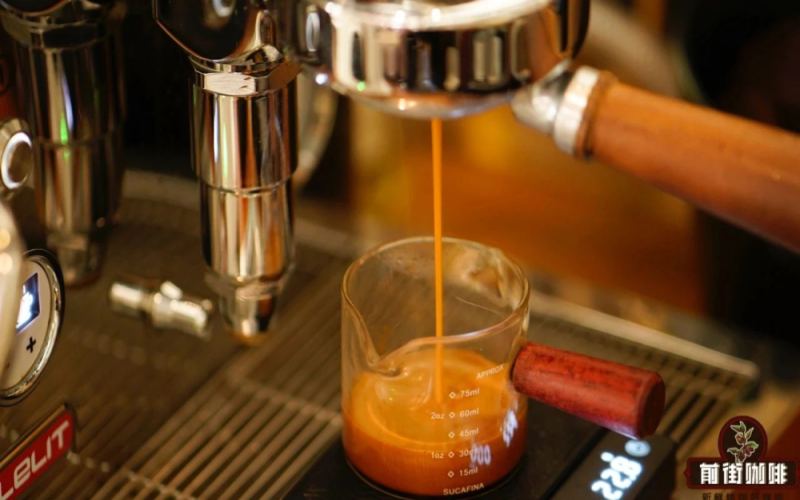
Coffee crema | What is the composition of crema in espresso? What should you do if there is no crema or the crema is clumpy when extracting espresso?
What is espresso? Espresso is a very, very small cup of coffee, about two or three sips and it's gone. Its flavor is extremely intense, and many people find it hard to accept. The small cup size and intense flavor are the reasons espresso has a very small audience in China, but latte made with milk and Americano made with water [more…]
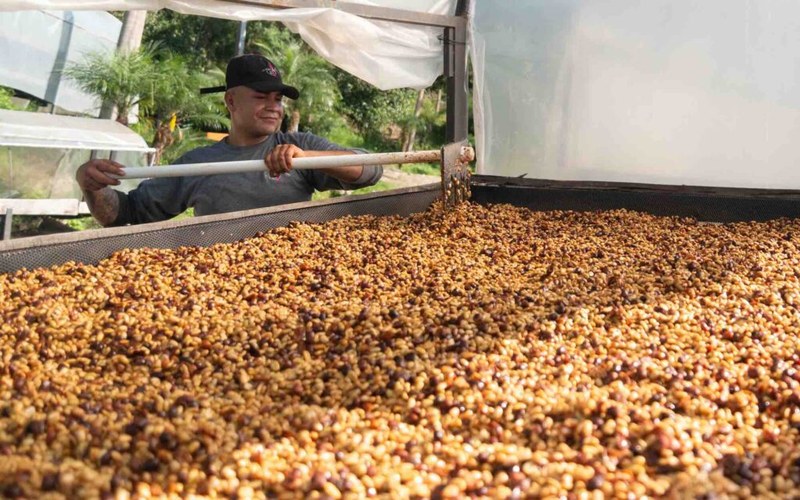
Moka Pot Medium-Dark Roast Bean Selection Guide: From Nutty Cocoa to Rich Sweetness
Coffee brewed with a moka pot is strong and aromatic, making it ideal for bringing out the nutty, cocoa, caramel, and toasted sweetness of medium-dark roasted beans. If you usually prefer coffee with a full body and restrained acidity, you can start with medium-dark roasts; they work well as a small cup of black coffee and can also be diluted with water or milk, making them suitable for breakfast, an afternoon pick-me-up, and [more…]
What roast level for Blue Mountain brings out the best taste while staying within budget?
Authentic Jamaican Blue Mountain coffee usually doesn't prove its identity by the words "Blue Mountain" alone. Its aroma, sweetness, and mouthfeel also change noticeably with the degree of roast. If you want to drink a smooth Blue Mountain on a relatively restrained budget, first look at how dark the beans have been roasted, then judge the acidity, body, and [more…]
SOE: From roast date to after opening, which cup has more aroma?
From the day roasting finishes, the aroma of coffee beans enters a track of continuous change. When SOE is pulled directly as espresso, if the gas inside the beans is still vigorous, the puck tends to extract unevenly, and the acidity in the cup is lively but somewhat scattered; as the beans gradually relax, sweetness, aroma, and texture come together more easily. Therefore, deciding whether to pull it as espresso, [more…]
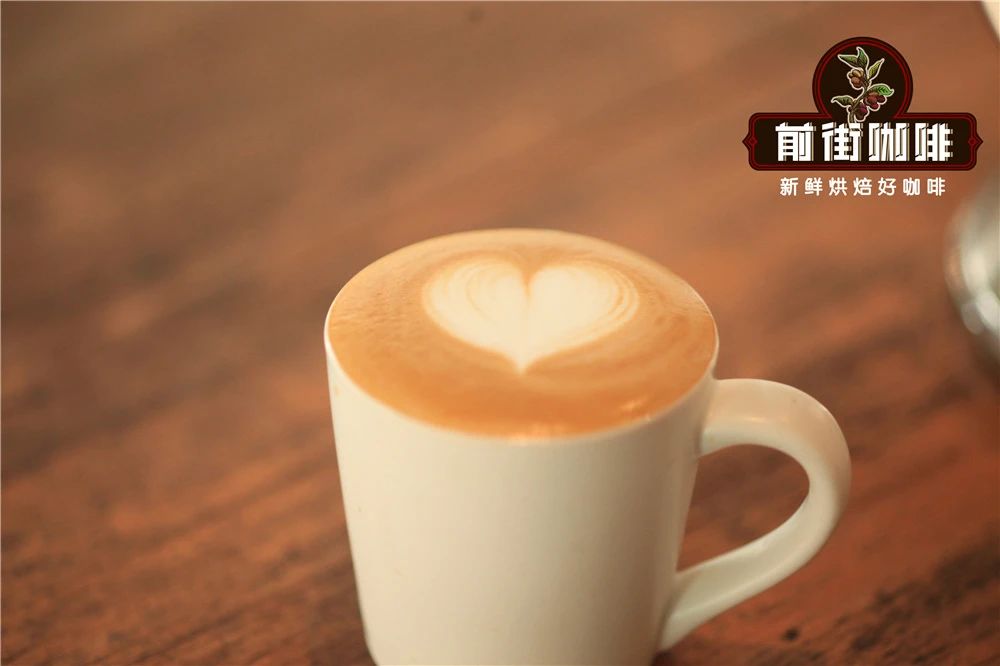
Types of Italian Milk Coffee | What are the differences in flavor and mouthfeel between Piccolo, Flat White, Latte, Mocha, and Cappuccino? Where did the Piccolo coffee originate?
For more specialty coffee knowledge, please follow our WeChat official account: Front Street Coffee (FrontStreet Coffee). Front Street Coffee (FrontStreet Coffee) has shared how to make several espresso drinks, and aside from the more common ones, quite a few readers have also responded [more…]
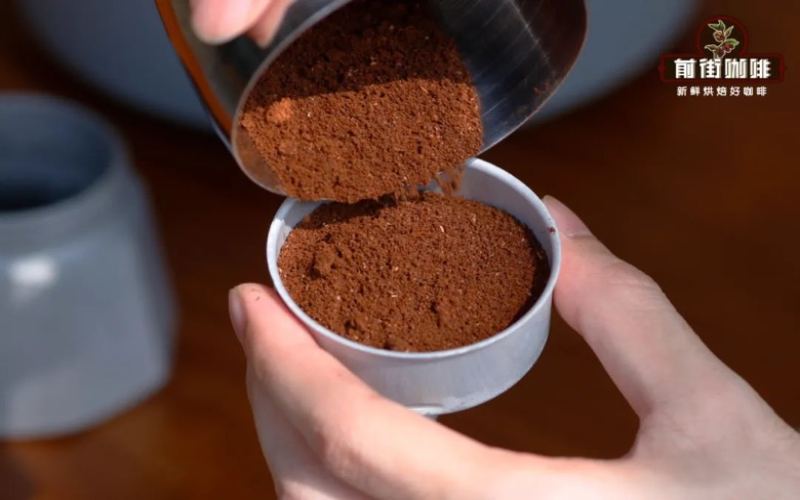
Floral beans from opening the bag to the cup: a timeline for tasting the aroma
The charm of light-roasted floral beans often lies in the changes that occur after opening the bag. Freshly roasted beans are not necessarily ready to drink right away; the gases produced during roasting continue to escape, and the aroma, acidity, and sweetness have not yet fully settled. When buying beans, check the roast date first, then plan your drinking rhythm—this matters more than just fixating on the flavor words on the packaging. [more…]
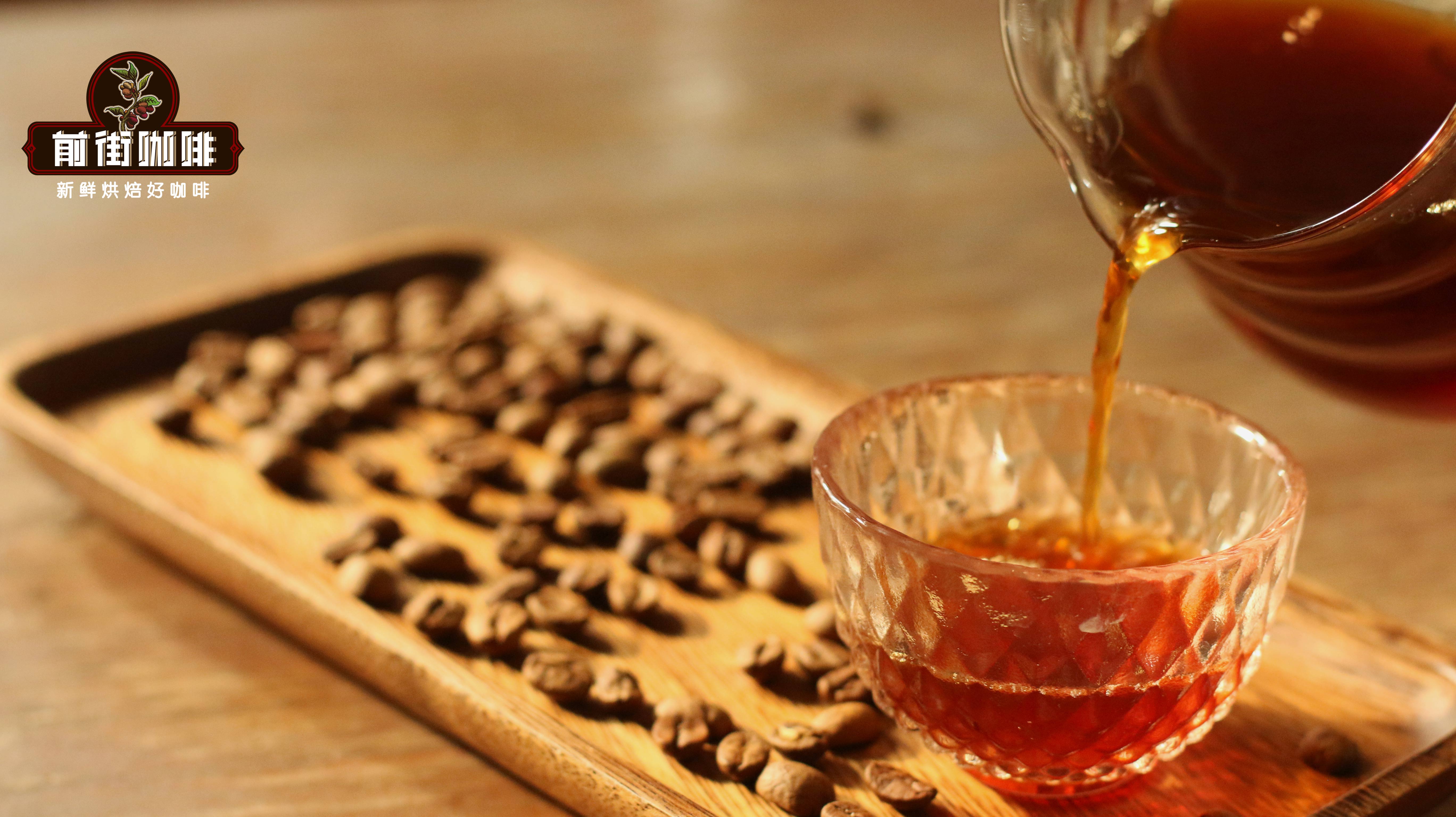
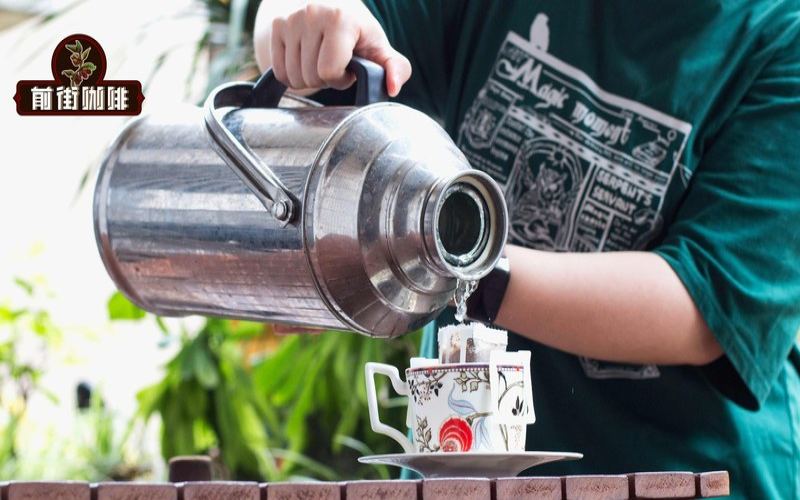
Portable Coffee Recommendations | What Is Drip Bag Coffee? What Are the Wrong Ways to Brew Specialty Drip Bag Black Coffee? What Is the Right Coffee-to-Water Ratio for Drip Bag Coffee?
For more specialty coffee knowledge, please follow our WeChat public account: Front Street Coffee (FrontStreet Coffee). In recent years, coffee culture has continued to deepen, and many coffee lovers need a cup of coffee every day to have the energy to "grind away." However, not everyone can always go to a coffee shop to savor it properly. [more…]