







How does Yunnan coffee taste in the cup?
Yunnan coffee is grown from small-bean Arabica varieties, mainly Catimor with Typica and Bourbon, planted since 1904 and now centered on high-altitude areas of the province. In the cup it shows moderate acidity, a rounded body and a sweeter, nutty through-line rather than the sharp fruit of some other origins.
Catimor is a cross of Caturra and the Robusta variety Tim, chosen for disease resistance and yield, and it dominates local plantings. The article also covers brewing: V60 three-stage pour-over with roughly 15 g of coffee, cold brew, moka pot and espresso, plus parameter tables for each method.
Yunnan, as China's core coffee-producing region, has a planting history of over a century. The area is dominated by small-bean Arabica varieties, with Catimor, Typica, and Bourbon being the main cultivated types. This article will start with the origins of the varieties, growing conditions, and flavor characteristics to systematically outline the tasting points of Yunnan small-bean coffee, and provide specific Front Street product recommendations for different brewing methods such as pour-over, cold brew, moka pot, and espresso machine. Finally, it includes the complete parameters and steps for V60 three-stage brewing to help coffee enthusiasts fully understand the true performance of Yunnan coffee.
When it comes to domestically grown coffee, Yunnan small-bean coffee is inevitably a topic that cannot be avoided. Next, let us explore Yunnan small-bean coffee together and experience what flavors Chinese local coffee actually presents.
Why is Yunnan coffee called small-bean coffee?
Yunnan is the earliest province in China to engage in coffee cultivation, with its coffee-growing history dating back to 1904. At that time, a French missionary brought coffee seedlings to Zhukula Village in Binchuan County, Yunnan, and planted them there, thus opening the prelude to coffee cultivation in China. After more than a hundred years of deep cultivation and development, Yunnan coffee has grown into an iconic representative of China's coffee industry.
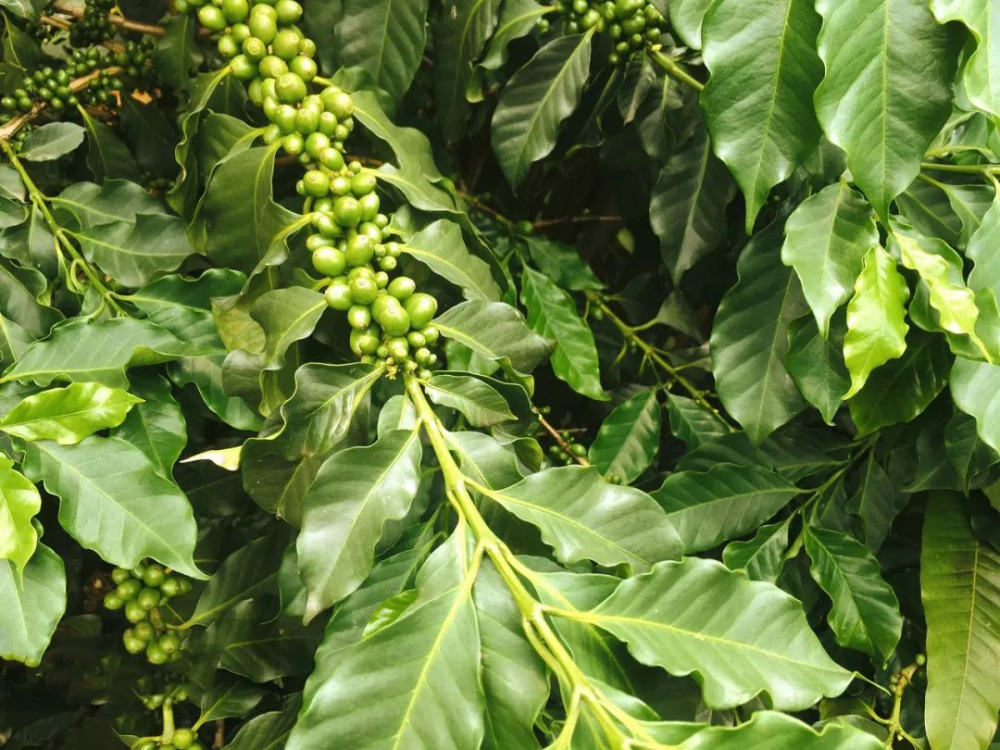
Currently, commercially cultivated coffee varieties can be broadly classified into two categories: Arabica and Robusta. Hainan mainly cultivates Robusta varieties, with relatively large beans; while Yunnan is dominated by smaller-bean Arabica, which local coffee farmers habitually call "Yunnan small-bean." At present, the small-bean coffee varieties grown in Yunnan include Catimor, Typica, and Bourbon, among which Catimor occupies an absolutely dominant position.
Catimor is a hybrid offspring of the Arabica variety Caturra and the Robusta variety Tim, possessing strong disease resistance and low-temperature tolerance, vigorous vitality, no need for shade, and considerable yield, thus being deeply favored by local growers.
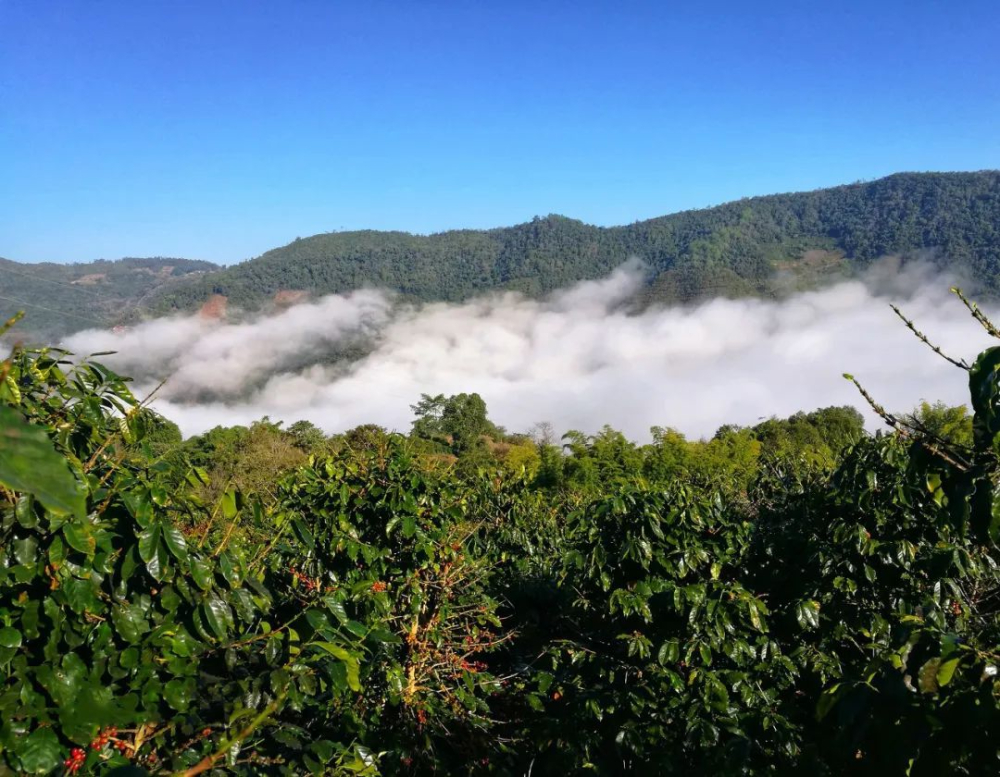
The cultivation of small-bean coffee has relatively high requirements for natural conditions: it needs high altitude, no frost, moderate sunlight and avoidance of direct exposure, and sufficient rainfall. Yunnan, located in the coffee-growing belt, happens to satisfy these conditions. Yunnan is located between the Tropic of Cancer and 15 degrees north latitude, with widely distributed slopes above 1,000 meters, concentrated rainy seasons, and fertile red soil, providing sufficient nutrient accumulation for small-bean coffee, making its aroma rich without appearing bitter.
Is Yunnan small-bean coffee actually good to drink?
With the continuous improvement of cultivation management levels and green bean processing technology, the quality of Yunnan coffee beans has steadily improved, and the varieties and uses have become increasingly diverse. We can choose suitable Yunnan coffee beans according to different preparation needs:
1. Yunnan coffee recommended for pour-over, cold brew, and drip bag brewing: Front Street 2013 Sun-Dried Typica
Region: Lincang, Yunnan, China
Estate: Front Street Estate Altitude: 1300m Variety: Typica Processing method: Sun-dried processing
Flavor: Apricot-like sweet and sour, nutty notes, brown sugar sweetness, with a tea-like aftertaste
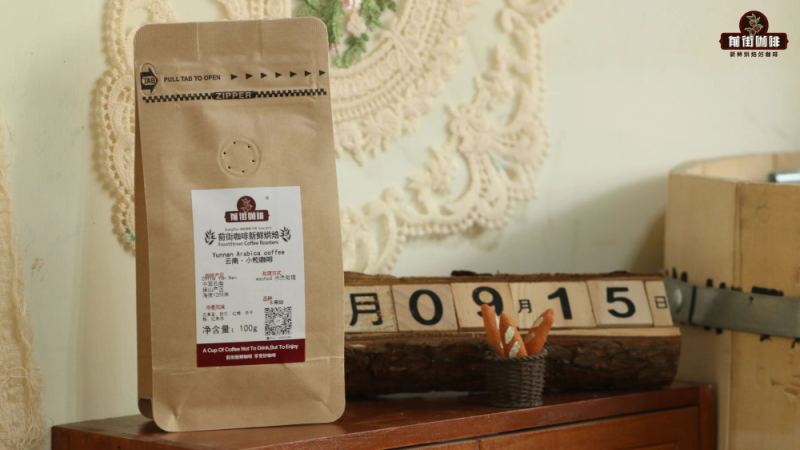
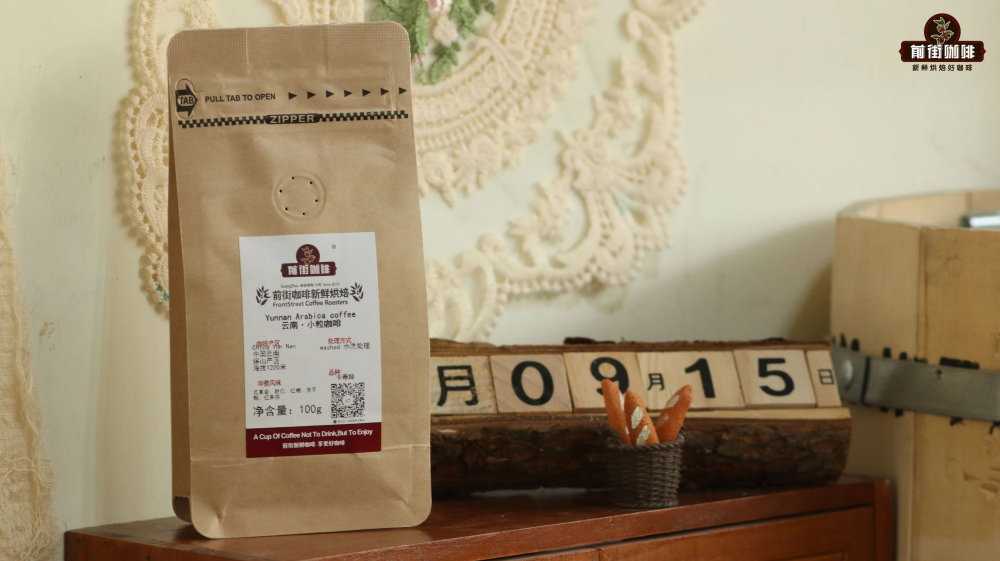
2. Yunnan coffee recommended for American drip machines or beginner pour-over practice: Front Street Yunnan Small-Bean
Region: Baoshan, Yunnan, China Altitude: 1200m Variety: Catimor Processing method: Washed processing
Flavor: Nutty aroma, herbal, chocolate, caramel, with a faint fruity acidity in the aftertaste.
3. Yunnan coffee recommended for moka pot and espresso machine preparation: Front Street Basic Espresso Blend
Region: Brazil Red Bourbon + Yunnan AA
Flavor: Chocolate, roasted nuts, butter, cocoa, moderate crema
In terms of cupping, Yunnan small-bean everyday beans display nutty and herbal aromas, accompanied by the sweetness of brown sugar and melon, as well as the acidity of plum. The acidity, sweetness, and bitterness are balanced, the mouthfeel is harmonious, and the sweet aftertaste is obvious. The flavor profile of Front Street Yunnan small-bean everyday beans is relatively neutral, so a medium roast is used, highlighting the nutty sweetness while retaining a certain acidity.
During the brewing process, an excessively high extraction rate easily brings bitterness, while too low a rate leads to a bland flavor. Therefore, it is recommended to choose a medium-coarse grind, control the water temperature at around 90 degrees Celsius, and pair it with a V60 filter cup. The V60 filter cup has a relatively large outlet diameter, combined with spiral ribs connecting the top and bottom, making it easier for steam to escape during extraction, thereby enhancing the layering of flavors.
Brewing parameters for Yunnan small-bean everyday beans: Filter cup: V60, Water temperature: 90-92°C, Coffee-to-water ratio: 1:15, Grind size: medium grind (75% passing through a Chinese standard No. 20 sieve), three-stage extraction
First, pour 15 grams of coffee powder into the filter cup and tare the scale. For the first stage, pour 30 grams of water for blooming, lasting 30 seconds while starting the timer simultaneously. Throughout, pour in a small stream in a circular motion from the center outward, making sure to fully saturate the entire coffee bed.
For the second stage, switch to a slightly larger stream and pour 120 grams of water, with the aim of lifting the entire coffee bed. The water column should be poured vertically and evenly. At this point, the timed scale shows 150 grams, and the pour is completed in about 55 seconds.
When the liquid level drops to halfway, begin the third stage of pouring, using a small stream in a small circular motion to pour 90 grams. Be careful not to make the circles too large, otherwise it may disturb the coffee bed and lead to under-extraction. The final total water amount is 240 grams, and the drip completion time is about 2 minutes and 10 seconds. After removing the filter cup, swirl the coffee liquid in the server to mix it evenly, and it is ready for tasting.
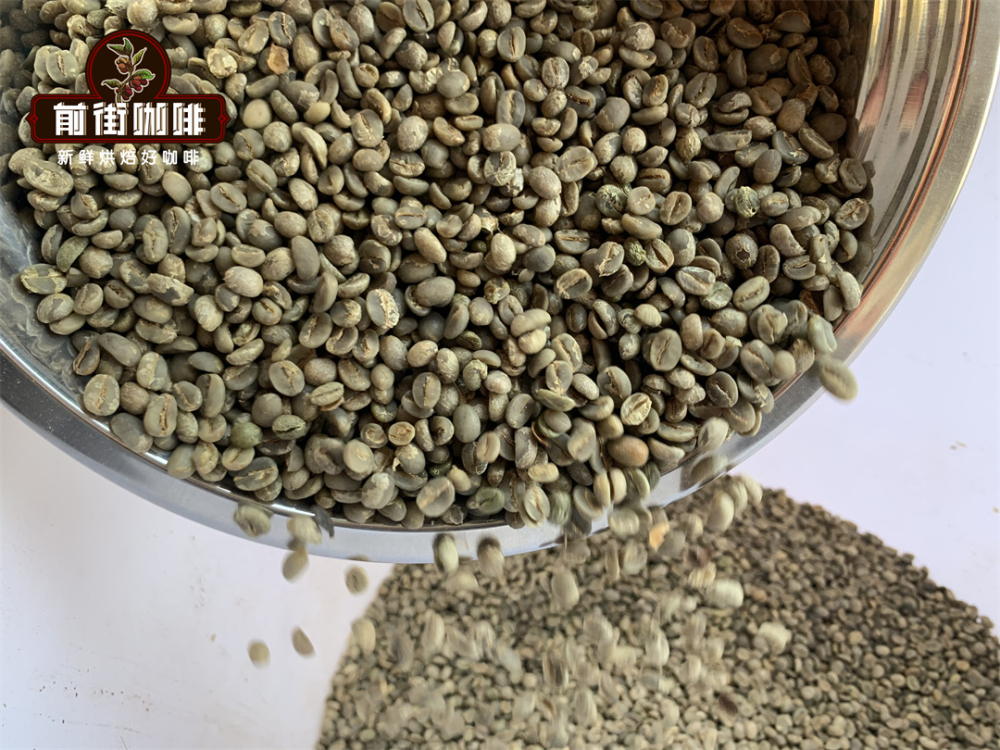
As for whether Yunnan small-bean coffee is actually good to drink, Front Street's answer is: you'll only know after trying it yourself.
The above content is compiled by CoffeeHunters, a coffee news website.


