







Search Results for: slowly
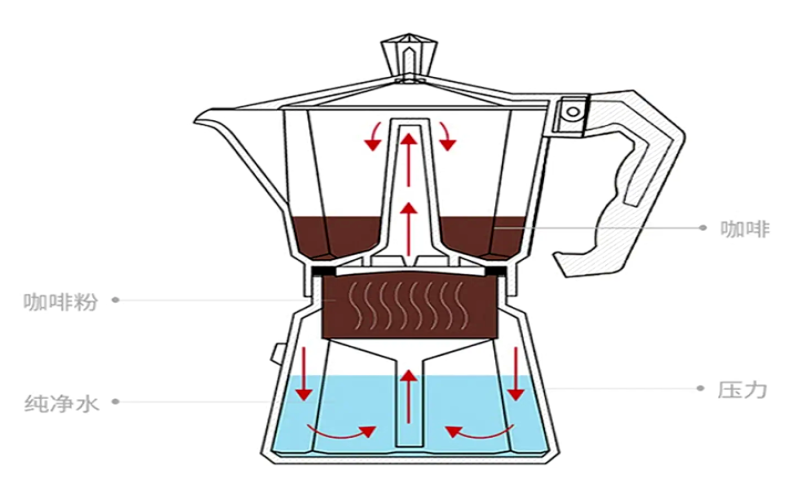
Moka pot produces no liquid at all / moka pot brews extremely slowly: a seasonal bean-list approach
In the early days of buying beans, chasing too many flavors at once isn't very meaningful. A more reliable path is to choose a bean with a clear profile and high brewing compatibility, fix your dose, grind, and water temperature, then observe how the entry, sweetness, and finish change—this is how a taste reference gradually takes shape. The working principle of a moka pot is steam pressure, and the coffee bed [more…]

LATTE DIRTY COFFEE DRINKING METHOD | How can you make the layers in a Dirty coffee clearly distinct? What are the key points for making a delicious Dirty coffee?
What we usually call a Dirty coffee is nothing more than taking a glass, filling it with milk, then placing it under the espresso machine's brew head and letting the espresso slowly flow into the glass, so that the coffee floats on top of the milk, forming a beautiful layer, and then as time passes, the coffee on top slowly seeps into the pure white milk. [more…]
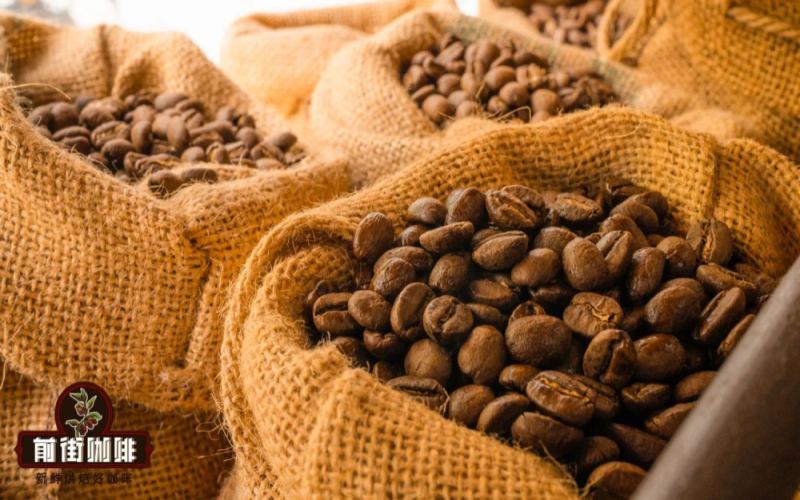
Illustrated Guide to Home-Roasted Coffee Beans | What Is the Relationship Between Coffee Roast Level and Coffee Flavor and Mouthfeel? What Tools Are Needed to Roast Green Coffee Beans at Home?
As coffee has become part of everyone's daily life, it's not hard to learn a lot of new and comprehensive knowledge about coffee from video apps. Besides researching how to brew and how to taste the flavors, many friends have started to take a strong interest in coffee bean roasting. But many of them act on a momentary impulse, and [more…]

Dirty Coffee Making Tutorial | What Are the Differences Between a Dirty and an Iced Latte? Can You Make a Dirty Coffee with a Moka Pot?
Dirty coffee is espresso extracted over iced milk, creating a beautiful layered look. As time passes, the coffee liquid on top slowly encroaches on the pristine white milk, forming a lovely gradient inside the transparent glass, as if the pure white milk has been dirtied. Put simply, a Dirty coffee is a visually striking drink that [more…]

Espresso Coffee Bean Recommendations | How Are Dirty Coffee, Flat White, Piccolo, and Latte Different? Which Coffee Beans Are Suitable for Milk Coffee?
For more specialty coffee knowledge, please follow our WeChat official account: Front Street Coffee. At Front Street Coffee, there are two hidden menus for espresso coffee: one is the Flat White, and the other is [more…]
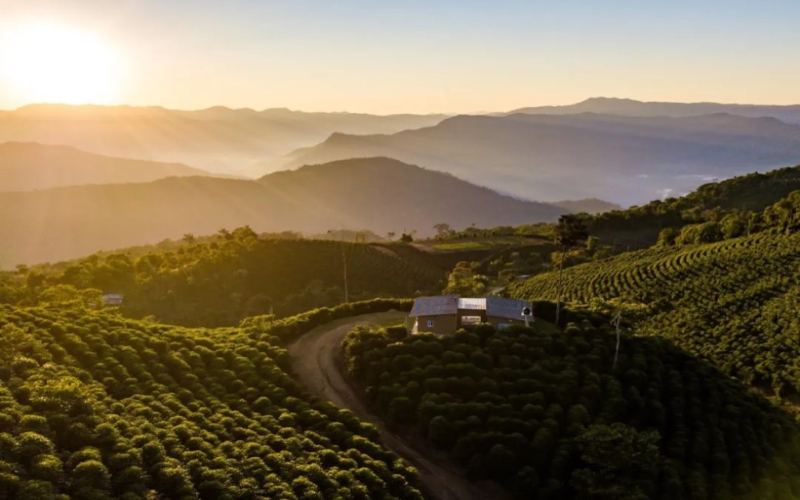
Underrated Pour-Over Origins Worth Trying: Bolivia, Papua New Guinea, and Yunnan
Pour-over enthusiasts who are used to drinking beans from popular regions like Ethiopia, Kenya, and Colombia sometimes want to change things up. In fact, there are some lesser-mentioned regions whose flavors are just as distinctive, and whose prices are relatively friendly—worth setting aside a spot for and trying slowly. Bolivia is a high-altitude origin that has gradually gained attention in recent years [more…]

Moka Pot Bold Aroma Beans: When to Open the Bag After Roasting for the Best Aroma
Roasted coffee beans are not at their most aromatic the sooner they are brewed. Although freshly roasted beans smell intense, they retain a relatively high level of carbon dioxide inside. When extracted with a moka pot, this can easily cause the coffee bed to degas vigorously, and the brewed coffee may also carry a harsh note. After resting for a period, the gas is slowly released, and aromas such as cocoa, nuts, and caramel become more expansive. [more…]

Home-roasted coffee beans | What are the taste differences between coffee beans of different roast levels? How to roast coffee beans at home? How are green coffee beans turned into coffee?
As coffee has become part of everyone's daily life, it's not hard to learn a lot of new and comprehensive knowledge about coffee from video apps. Besides researching how to brew and how to taste the flavors, many friends have started to take a strong interest in coffee bean roasting. But many of them act on a whim and end up putting their coffee [more…]
Traveling Along the Coffee Belt: How Terroir Shapes a Pour-Over
Stretching between the Tropic of Cancer and the Tropic of Capricorn lies a coffee belt. Every producing region along this belt tells its own coffee story through its unique altitude, soil, climate, and cultural traditions. For pour-over enthusiasts, understanding a region's terroir is like traveling the world with a flavor map in hand. The story begins with Ethiopia [more…]
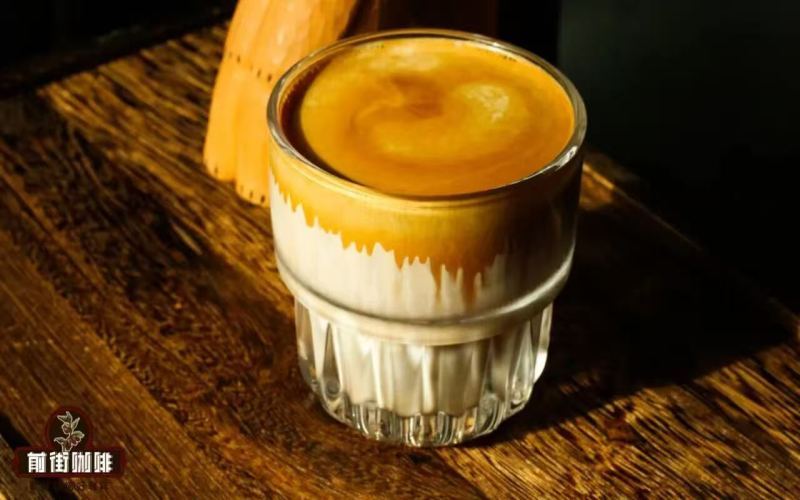
How to Make a Delicious Dirty: The Trio of Bean Selection, Milk, and Temperature
Dirty (dirty coffee) has been a perennial staple on café menus in recent years: hot espresso slowly sinks into iced milk, without stirring, and you drink it from top to bottom, so that in a single sip you get the alternation of hot and cold and the layering of milk and coffee. It looks simple, but between a delicious one and a mediocre one lies the gap of bean selection and details. The principle of Dirty: why [more…]

Common Types of Italian Coffee | What Are the Classic Milk Coffee Recipes? What's the Difference Between a Latte, Macchiato, Cappuccino, and Dirty?
Espresso is a must-have beverage in every café. Many people's first impression of espresso is that it's unbearably bitter. In fact, espresso isn't limited to such bitter shots. If you want an espresso that isn't bitter and suits your taste, the first thing you need to understand is the different types of espresso. Front Street Cof [more…]

Bean Selection for Cold Brew and Ice Drip: Two Directions—Fruity and Sweet
Cold brew and ice drip have very clear requirements for beans: strong flavor, ample sweetness, and high cleanliness. The passion fruit and blueberry flavors of Front Street Coffee Colombia Sidra slowly emerge in ice drip, with a juicy quality as rich as fruit tea; the sweet aroma of strawberry candy makes a cold brew in which the strawberry gummy character stands out even more at low temperatures. Choose the right beans, and the flavor concentration of cold brew and ice drip [more…]
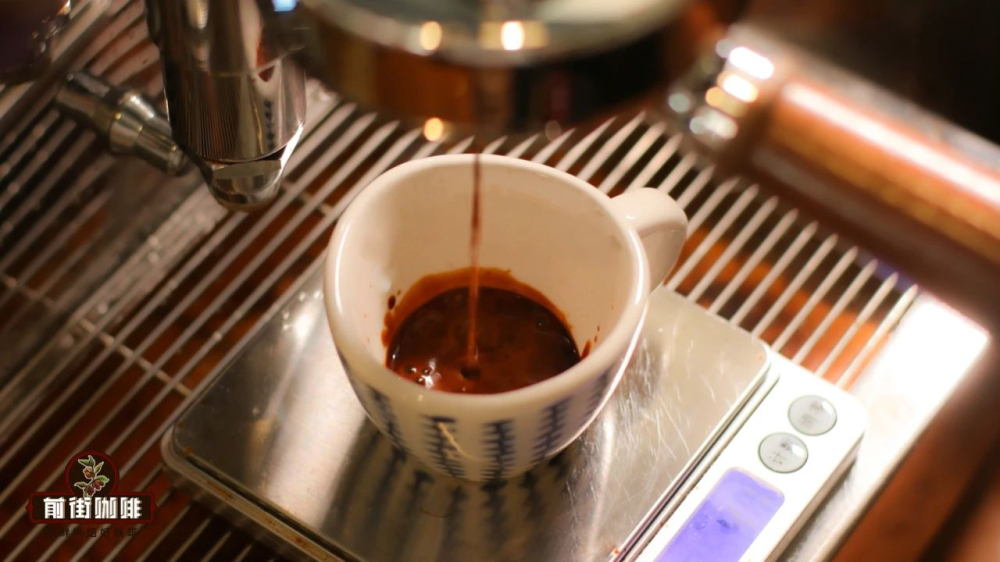
Benefits of Americano black coffee | Where did Americano coffee originate? How much caffeine is in a cup of Americano? What are the pros and cons of drinking Americano?
Many customers of FrontStreet Coffee wonder why espresso-based drinks include Americano. Literally, Americano means American-style coffee. Front Street believes there are mainly two correct ways to drink Americano: one is [more…]

Recommend a few coffee beans suitable for espresso extraction: balancing budget and drinking frequency
From bean to cup, a coffee must still go through grinding and extraction. When choosing coffee beans suited for espresso extraction, your daily buying decisions should take into account how quickly you'll drink them, how much to buy at a time, and whether your household mainly makes black coffee or milk-based coffee. First confirm your usual equipment and preferred taste, then compare specific bean options—the actual process will be smoother that way. [more…]
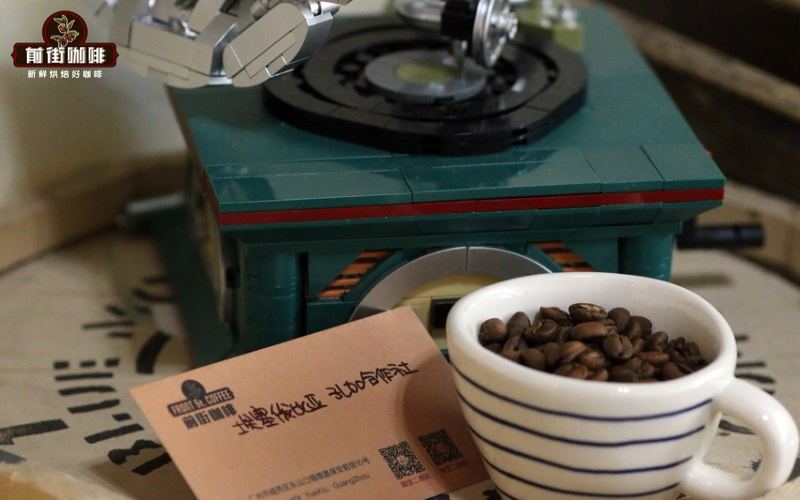
Home Americano Coffee Beans: Roast Level Determines Which Tastes Better
Home-brewed American coffee doesn't have to taste the same every time: light-roast beans can bring floral notes, fruity acidity, and a bright sweetness into the cup, medium-roast beans more easily deliver gentle sweetness and moderate body, while dark-roast beans build a steady, grounded flavor on cocoa, nuts, and roasty aromas. When choosing beans, look at the roast level first—this is essentially deciding the overall character of the cup—and then [more…]

10 Types of Espresso Drinks in Cafes | How Do Coffee Beginners Make Americano and Latte? What Are the Flavor Characteristics of Espresso Drinks?
Espresso is an essential coffee beverage in almost every coffee shop. And espresso isn't just about Americano and latte. In this article, Front Street Coffee introduces 10 espresso drinks found in coffee shops, along with their preparation methods. ① Espresso [more…]

Espresso Blend Opening and Storage Timeline: From Degassing to Flavor Release
After coffee beans are roasted, a large amount of carbon dioxide gas accumulates inside the beans, and this gas is slowly released over time. When extracting espresso, overly active gas can hinder uniform contact between the water flow and the coffee grounds, which can easily lead to channeling during extraction or excessively coarse foam. Understanding [more…]
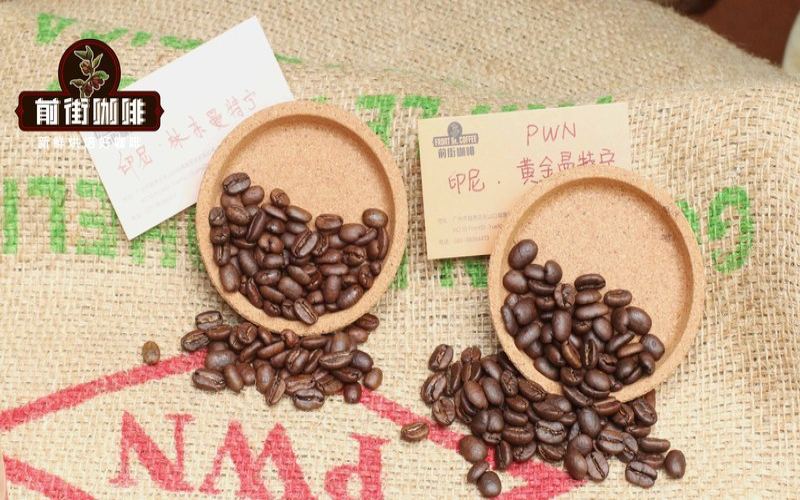
Moka Pot Bean Selection Guide: How to Choose from Light to Dark Roast
Coffee brewed in a moka pot is strong and intensely aromatic—perfect for sipping slowly from a small cup, or for adding water or milk. For those just starting out, roast level is an easier guide than region names: light roasts lean bright, medium roasts are balanced and sweet, medium-dark roasts have more body, and dark roasts bring pronounced cocoa and roasted notes. [more…]
American-style coffee beans within their peak flavor window: the selection and drinking rhythm from degassing and resting to opening and storage
The clear, translucent mouthfeel and layered complexity of Americano depend largely on the活跃 state of the flavor compounds inside the coffee beans. Freshly roasted coffee beans do not reach their full, vibrant state immediately; the carbon dioxide that builds up inside them is slowly released over time. Understanding this pattern of change can help us follow the beans' natural rhythm and, at [more…]

For making cold brew in summer, these 6 floral and fruity coffee beans are the right choice.
As soon as summer arrives, cold brew becomes a regular on many people's coffee lists. Coffee slowly brewed at low temperature has less bitterness, a more pronounced fruity aroma, and a smooth mouthfeel, like a cup of juice infused with coffee fragrance. But whether cold brew tastes good depends on the beans. Choose the right ones, and a cold-water steep alone brings out the flavor; choose the wrong ones, and no matter how long you steep it, it is still just a cup of" [more…]