







Search Results for: single-origin coffee bean prices
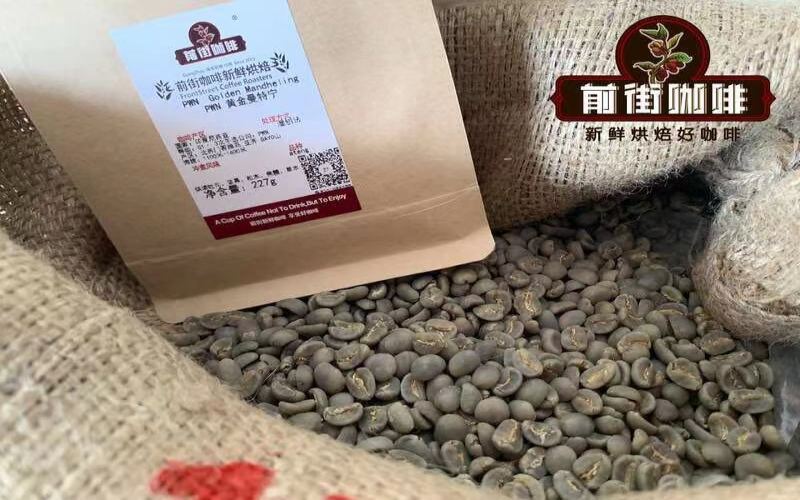
How to Distinguish SOE from Pour-Over Single-Origin and Espresso Blend Coffee Beans: Price Ranges and Key Buying Tips Explained
Many friends who are new to coffee discover when shopping online that coffee beans range in price from just over thirty yuan to more than three hundred yuan, with packaging sizes from 100 grams to 1 kilogram, and the listings are full of all kinds of technical jargon. This article is organized around the two main categories—espresso beans and single-origin beans—explaining how single-origin beans express flavor by region along with common packaging sizes, introducing the difference between SOE and espresso blends, the pricing and consistency considerations behind blending, and offering buying guidance based on Front Street Coffee's specific bean offerings, to help coffee lovers find the right beans for their needs. [more…]
SOE Coffee Bean Buying Guide: Pros, Cons, Pricing, and Considerations for Single-Origin Espresso
SOE coffee beans emerged in 2007 and had established a firm foothold in the North American market by around 2010. Today, more and more cafés feature them as their seasonal highlight. SOE, or Single Origin Espresso, refers to espresso extracted under high pressure from a single-origin coffee bean using an espresso machine. It is not some mysterious formula—essentially, it simply swaps a blend for a single-origin bean—but the resulting differences in flavor expression, consistency, and price are worth every coffee lover's serious attention. This article will explore the concept, common misconceptions, and key points for bean selection, while also recommending several distinctive, niche SOE beans from Front Street Coffee to help you make a more suitable choice based on your personal taste preferences. [more…]
What Exactly Is the Difference Between Single-Origin Coffee and SOE? From Definition and Price to Acidity, Explained in One Go
When ordering an Americano or milk coffee at a café, you often face a choice: the default espresso blend, or the pricier SOE? Many people quietly wonder—why does SOE cost more, and how does it relate to single-origin coffee? This article will sort out the concept and origins of SOE from the ground up, explain its essential differences from blended coffee, clarify why its price tends to be higher, and explore practical questions such as whether SOE is sour and whether its output is stable. It will also draw on Front Street Coffee's bean list and brewing experience to explain why Front Street does not easily launch SOE, helping you more clearly understand the value and limitations of this type of single-origin espresso. [more…]
A Comprehensive Guide to SOE Coffee: Single-Origin vs. Blend Differences, Price Comparison, and Key Brewing Points
When ordering at a café, the barista often asks, "Would you like SOE or a blend?" leaving many people puzzled. SOE stands for Single Origin Espresso, which refers to espresso extracted from coffee beans of a single origin. How exactly does it differ from traditional blended espresso? Is it more expensive? Is it necessarily better tasting? This article, from the perspective of Front Street Coffee, sorts out the origins of SOE and the background of its rise to popularity, compares the differences between single-origin and blended coffee in terms of flavor stability and cost, explains why not all single-origin beans are suitable for making SOE, and recommends three Front Street Coffee beans suitable for making SOE, helping you understand and choose more clearly. [more…]
Yunnan Small-Bean Coffee Flavor Characteristics and Price Analysis: A Taste Comparison of Two Front Street Coffee Single-Origin Beans
In recent years, Yunnan small-bean coffee has attracted increasing attention from domestic coffee enthusiasts. Its distinctive flavor profile and affordable pricing have led many people to choose it as an everyday staple bean. This article starts from the taste characteristics of Yunnan small-bean coffee and, combining two Yunnan single-origin beans from Front Street Coffee — Baoshan Catimor washed and Lincang Typica natural — provides a detailed analysis of the flavor differences brought by different producing regions, varieties, and processing methods. It also explores whether Yunnan small-bean coffee is overpriced. Whether you are a beginner just getting into pour-over or an advanced enthusiast with some tasting experience, you will be able to find a Yunnan coffee selection direction that suits you. [more…]
A Beginner's Guide to SOE Coffee Beans: Light Roast Acidity, Price Characteristics, and Whether Americano or Latte Suits Your Taste Better
When ordering at a coffee shop, the "swap to SOE for 3 yuan more" on the menu often makes people curious: what exactly is SOE? Is it really better when swapped in? SOE stands for "Single Origin Espresso," and its core is to highlight the unique flavor of a particular region. This article will guide you through the origins of SOE, how it differs from espresso blends, and whether it is equivalent to specialty coffee. We will also take a deeper look at the advantages and limitations of SOE, from roasting curves to extraction dialing-in, and teach you how to judge acidity and pricing characteristics. More importantly, we will compare the taste differences between SOE americano and SOE latte, and share the actual test performance of Front Street Coffee SOE beans such as Yirgacheffe, Huakui, and Xizhua, to help you find the cup that suits you best. [more…]
Single-Origin vs. Blended Beans: What Really Sets Specialty Coffee Apart from Commercial Coffee, and Why Pour-Over Costs More Than Espresso
When ordering at a café, many people wonder: why does a pour-over always cost noticeably more than an espresso, even though both are just a cup of coffee? Behind this lies a difference on three levels: coffee bean grade, sourcing cost, and labor time. This article, from the perspective of Front Street, sorts out the essential differences between single-origin beans and blend beans, analyzes the positioning divide between specialty coffee and commercial coffee, and explains one by one the key factors affecting the pricing of pour-over and espresso. Whether you are a coffee enthusiast just starting out or a veteran who relies on espresso every day, you can find the answer here. [more…]

SOE Coffee Beans | What Do SOE Coffee Beans Mean? How Is SOE Single-Origin Espresso Made?
For more specialty coffee knowledge, please follow our WeChat official account: FrontStreet Coffee "Passing by a coffee shop, I noticed below the espresso menu it said [Switch to SOE for 3 yuan extra]." So what exactly is this SOE, and will it taste better if you switch to it! In this article, the barista [more…]
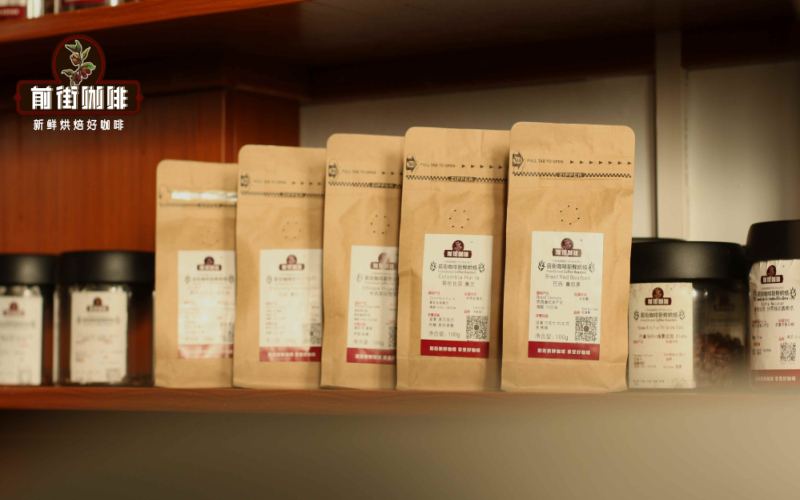
High-Quality Coffee Bean Buying Guide: Where to Buy Reliably, What's a Reasonable Price, Plus Front Street Coffee's Selected Single-Origin Recommendations
To enjoy a good cup of coffee, the freshness and quality of the beans are the decisive factors. Online shopping platforms now offer abundant choices, but knowing how to pick reliable coffee beans from such a vast array of products truly requires some experience. This article will discuss purchasing channels for high-quality coffee beans and the reasonable price ranges for single-origin beans. At the same time, targeting different taste preferences—from balanced and mellow to floral and fruity—we have selected a number of representative single-origin coffees from Front Street Coffee, covering growing regions such as Papua New Guinea, Brazil, Panama, and Yunnan, along with their respective reference prices and roasting suggestions, to help coffee lovers make purchases according to their needs. [more…]
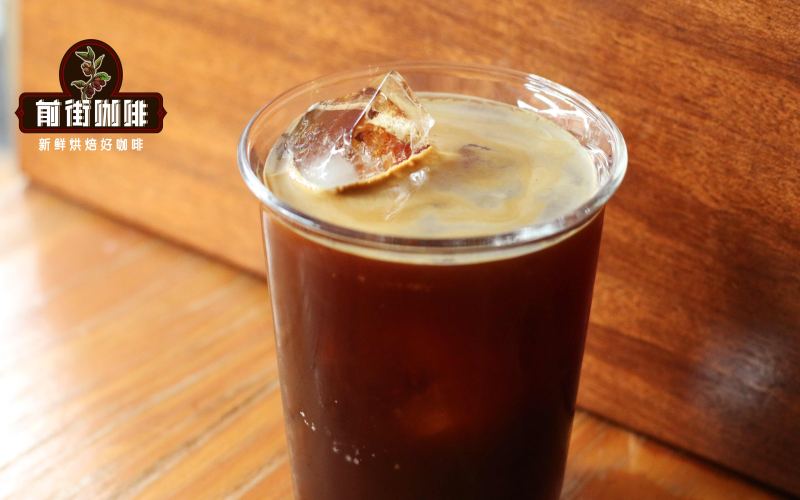
How Is SOE Coffee Different from Single-Origin Beans? An Analysis of Espresso Bean Selection Logic and the Reasons for the Price Premium
When ordering an Americano or latte at a coffee shop, you will often be asked by the staff whether you want to swap in SOE coffee beans for an extra few yuan. What exactly is SOE? How does it relate to single-origin beans and blend beans? This article starts from the definition of SOE, traces its historical roots with blended coffee, explains why SOE is often regarded as the more premium choice, and unpacks the cost logic behind its surcharge. It will also introduce the characteristics of Front Street Coffee's classic espresso blend, helping enthusiasts understand that SOE and blends are not absolutely superior or inferior to each other—the difference lies only in the purpose of use and the pursuit of flavor. [more…]
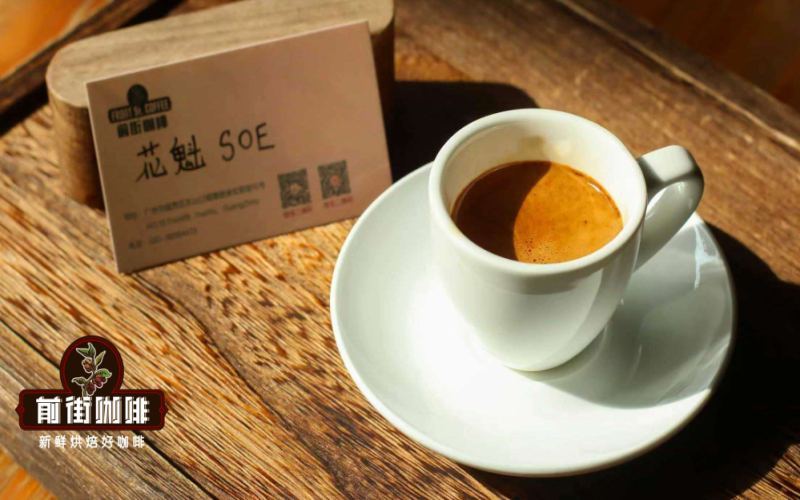
Price Differences and Flavor Comparison Analysis Between SOE Single-Origin Espresso and Pour-Over Coffee Beans
SOE (Single Origin Espresso) has become a popular choice for specialty and chain coffee shops in recent years. It uses single-origin beans extracted through an espresso machine, allowing the character of a producing region to shine through at high concentration. This article takes "Front Street Yirgacheffe Gudingding Cooperative Washed Beans" as an example, comparing the flavor differences of the same bean prepared by pour-over and SOE, analyzing SOE's advantages as well as shortcomings such as instability, and offering suggestions for selecting coffee beans suitable for SOE, including specific recommendations such as Front Street Strawberry Candy, Brazil Queen's Estate, and Granada Geisha, as well as Front Street's commitment to fresh roasting. [more…]
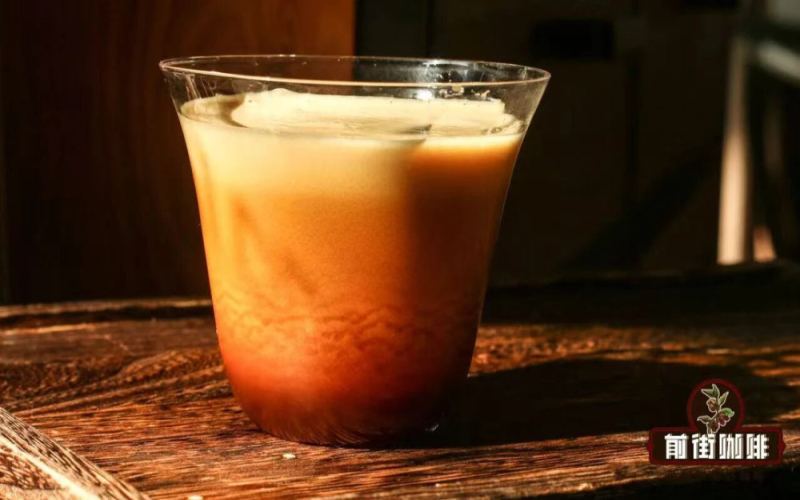
Why Is Single-Origin Espresso Priced Higher Than Blended Beans? A Complete Guide to Distinguishing the Differences and Flavor Characteristics of the Two
In recent years, SOE coffee has become increasingly popular in China, becoming a selling point for many chain brands to create personalized offerings. But many people are curious: why is a cup of espresso made with SOE often priced higher than traditional blends? This article will analyze from the perspectives of the definitions of SOE and blends, their development history, cost composition, and production difficulty, and provide practical advice and parameter adjustment ideas for making SOE at home. The article also retains Front Street Coffee's product recommendations for both shop opening and home scenarios, helping coffee lovers understand the principles while also choosing fresh beans that suit their taste. [more…]
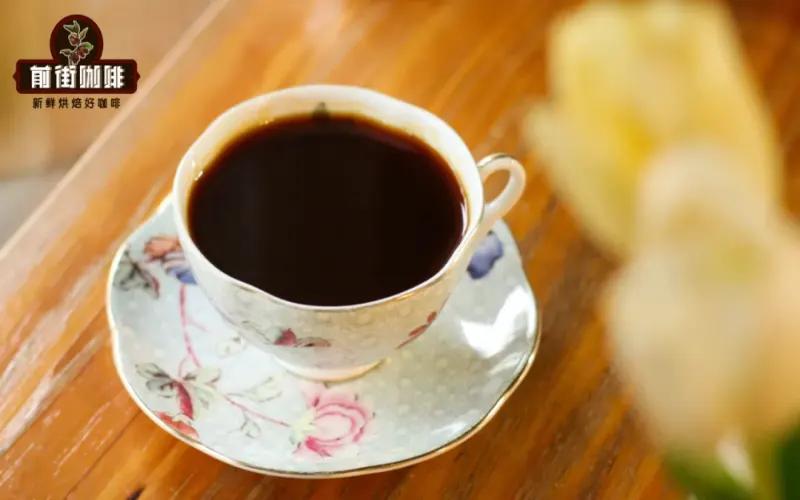
Specialty Coffee Bean Buying Guide: Flavor Profiles of the Top Ten Popular Single-Origin Coffees and Origin Ranking Analysis
For beginners just stepping into the world of specialty coffee, or for those who are still unsure about their own taste preferences, it's a good idea to start with single-origin beans that offer great value for money and showcase the characteristics of their producing regions. This way, you can gradually build your understanding of origins, varieties, processing methods, and roast levels without being put off by high prices. When buying, the roast date is the first thing to pay attention to—it directly reflects how fresh the beans are, and it's generally recommended to use them within 10 days of roasting for the best flavor expression. In addition, choosing a trustworthy roaster is equally important. Front Street Coffee, as a veteran roasting brand, has a physical store in Guangzhou, offering dozens of selected single-origin and espresso beans from various producing regions around the world, freshly roasted within 5 days, shipped within 24 hours, with stable quality and affordable prices. According to Front Street's latest sales data, the following ten single-origin beans are the most favored by consumers, covering a variety of flavor types and extraction methods, and are worth getting to know one by one. [more…]
Analysis of the Price Range for a Pound of Specialty Coffee Beans: Front Street's Guide to Five High-Value Single-Origin Picks
To enjoy a good cup of coffee, freshness and quality are both indispensable, and with the overwhelming variety of coffee beans on online shopping platforms, how to choose has become a challenge for many enthusiasts. This article will focus on the price ranges of specialty coffee beans, first introducing a trustworthy domestic roasting brand—Guangzhou Front Street Coffee—and then recommending five high-quality single-origin beans with distinct flavors, covering producing regions such as Papua New Guinea, Brazil, Panama, and Yunnan. From balanced and mellow to sweet and rich, from floral and fermented to slightly acidic without astringency, each bean is listed with a reference price and suitable brewing method, making it easy for readers with different taste preferences and budgets to choose as needed. [more…]
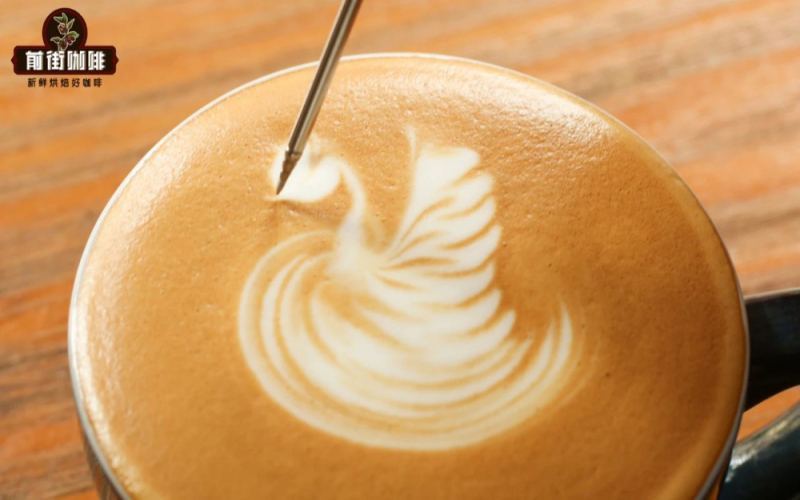
Which actually tastes better, SOE or blended beans? Explaining the definition of SOE, espresso bean choices, and price differences
When ordering at a coffee shop, more and more people find themselves torn: should they choose a regular blend or pay extra to upgrade to an SOE? Is SOE necessarily more premium and better tasting than a blend? Is it the same thing as single-origin beans for pour-over? Starting from the definitions, this article sorts out the real relationship between SOE and blended beans, analyzes the differences between the two in flavor, price, and commercial positioning, and introduces the characteristics and suitable scenarios of several Front Street Coffee espresso blends, helping you make a clearer judgment when ordering or buying. [more…]
Why is cold brew coffee priced higher? A breakdown of its cost structure and a guide to choosing single-origin beans for cold brew
On a scorching summer day, cold brew drip coffee becomes a best-selling item in many cafés, yet its price is often higher than an Americano or a latte. What exactly keeps cold brew drip coffee priced so high? This article breaks down the cost structure of cold brew drip coffee in detail from multiple dimensions, including the brewing process, equipment requirements, time costs, and raw material usage. At the same time, Front Street will also share how to choose the right single-origin coffee beans when making cold brew drip coffee, as well as the core flavor differences between cold brew drip and cold brew, helping coffee lovers gain a more comprehensive understanding of this craftsmanship that takes over ten hours to complete. [more…]
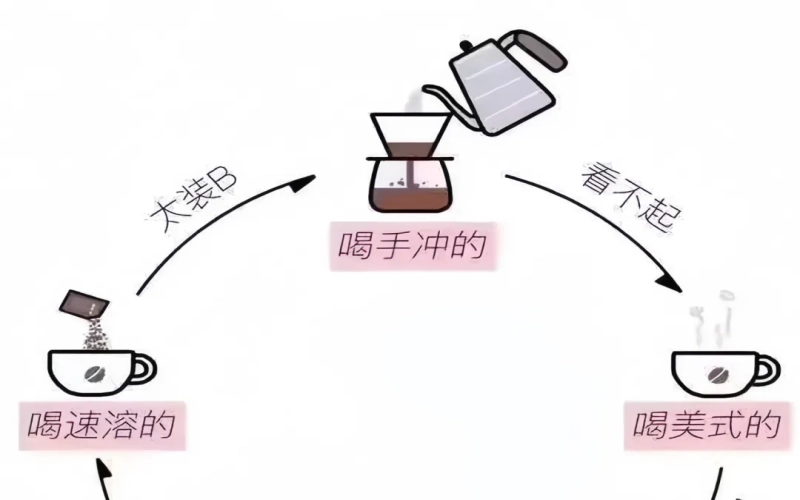
What Is Black Coffee? The Real Difference Between Americano and Pour-Over, and How Espresso Is Made
Americano and pour-over both belong to the black coffee camp, yet they are often compared side by side to determine which is superior, even giving rise to the stereotype that "Americano is inferior to pour-over." This article, from the perspective of Front Street, first clarifies the respective definitions and brewing logic of Americano and pour-over coffee, then breaks down where this prejudice comes from across three dimensions: bean selection, price, and operation. The article also explains that blended beans are not necessarily inferior to single-origin beans, that Americano may actually cost more, and the technical difficulty behind espresso production, helping readers understand that the two types of coffee are inherently equal and that a hierarchy of contempt should not exist. [more…]
Introduction to SOE Coffee Beans | Is SOE Coffee the Same as Specialty Coffee? What Are the Advantages and Disadvantages of SOE Coffee? What Are the Key Points for Making SOE Single-Origin Espresso?
For more specialty coffee knowledge, please follow the WeChat official account: Front Street Coffee (FrontStreet Coffee). What is SOE coffee? SOE is the abbreviation of Single Origin Espresso, which means single-origin espresso. Its focus is to highlight [more…]
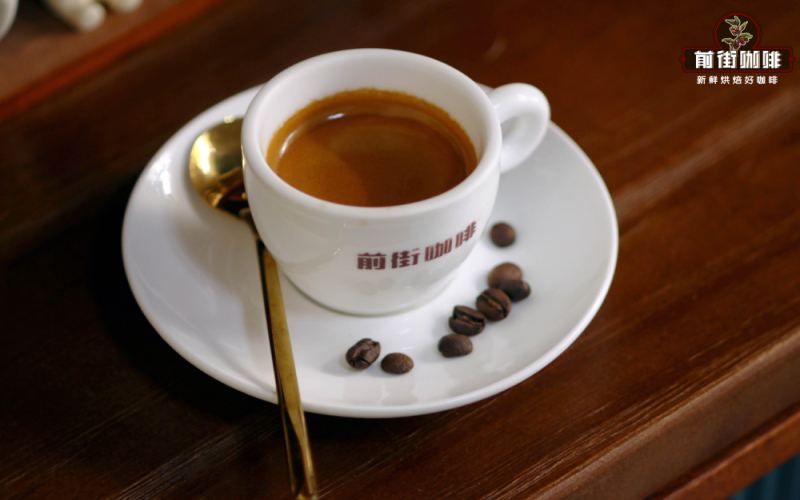
What exactly does SOE coffee refer to? Why is it priced higher than blends? Is it worth paying extra to upgrade Americano or Latte to SOE?
Walking into any specialty coffee shop, you can always spot SOE on the menu, often priced noticeably higher than regular espresso drinks. SOE stands for Single Origin Espresso—espresso extracted directly from coffee beans of one specific origin. It takes a completely different path from blended beans: the former emphasizes the pure expression of a region's flavor, while the latter pursues consistency and balance. An espresso machine amplifies the beans' own character, so not all single-origin beans are suited for SOE—roast level, extraction parameters, and freshness all influence the final flavor. This article will start from the definition of SOE, its pros and cons, its differences from coffee blends, and the extraction recipes for two Front Street Coffee SOE beans, to help you make a clearer judgment before paying extra to switch to SOE. [more…]
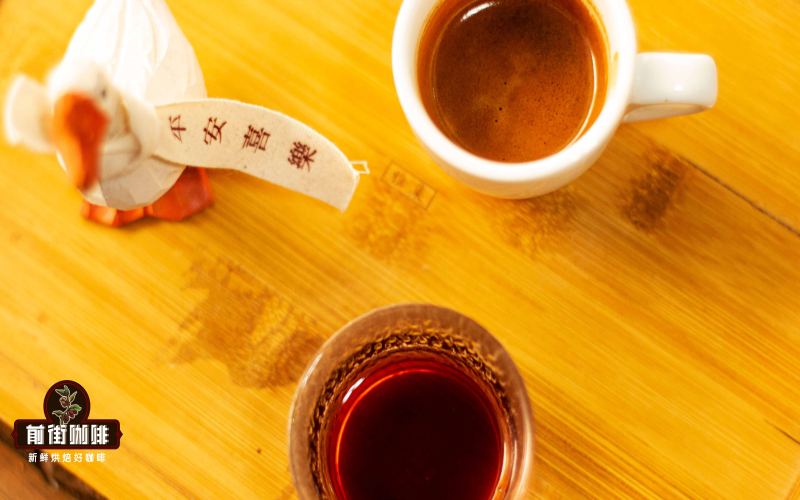
SOE Single-Origin Espresso Explained: Definition, Can It Be Brewed as Pour-Over, Reasons for Higher Price, and Brewing Key Points
In the landscape of espresso, SOE is attracting more and more attention from coffee shops and enthusiasts. It refers to espresso extracted from single-origin coffee beans, in contrast to the blending philosophy. This article, from the perspective of Front Street, sorts out the basic definition of SOE, reviews its trajectory from early single-origin beans to its resurgence in popularity, and answers a common question: can SOE coffee beans be used for pour-over? It also analyzes its flavor direction, its differences from blended coffee, and the freshness and extraction parameters that need attention during preparation. The article also introduces several of Front Street's single-origin beans and blended products, helping readers understand SOE's application scenarios and selection approaches more comprehensively. [more…]