







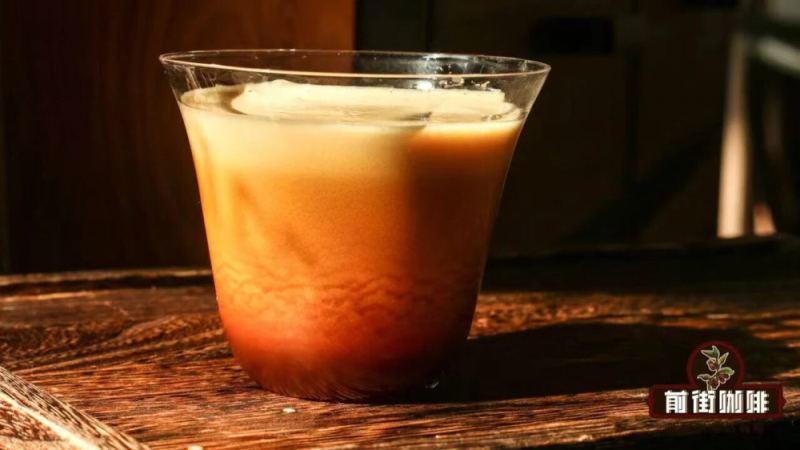
Why is SOE coffee priced higher than blends?
SOE coffee, or single origin espresso, usually costs more than a traditional blend because it is built from one specific lot rather than several cheaper origins combined. Blends exist to keep output stable and costs controlled, while SOE is roasted lighter to express a single region's personality. That narrower supply and harder roasting make the higher price understandable.
Espresso was originally a blend of two or more origins, often dark roasted to mask unpleasant odors and acidity, giving thick crema and hazelnut, chocolate, and caramel flavors. From the 1980s, specialty coffee roasters began roasting some beans lighter to highlight regional flavors, and early single-origin lots were mostly brewed by pour-over, siphon, or French press. Shops wanting stability still lean toward blends, while home brewers often adjust parameters to suit soe beans.
In recent years, SOE coffee has become increasingly popular in China, becoming a selling point for many chain brands to create personalized offerings. But many people are curious: even though it's the same cup of espresso, why is SOE often priced higher than traditional blends? This article will analyze from the perspectives of the definitions of SOE and blends, their development trajectories, cost composition, and production difficulty, and provide practical suggestions and parameter adjustment ideas for making SOE at home. The article also retains Front Street Coffee's product recommendations for both shop-opening and home scenarios, helping coffee lovers understand the principles while also choosing fresh beans that suit their taste.
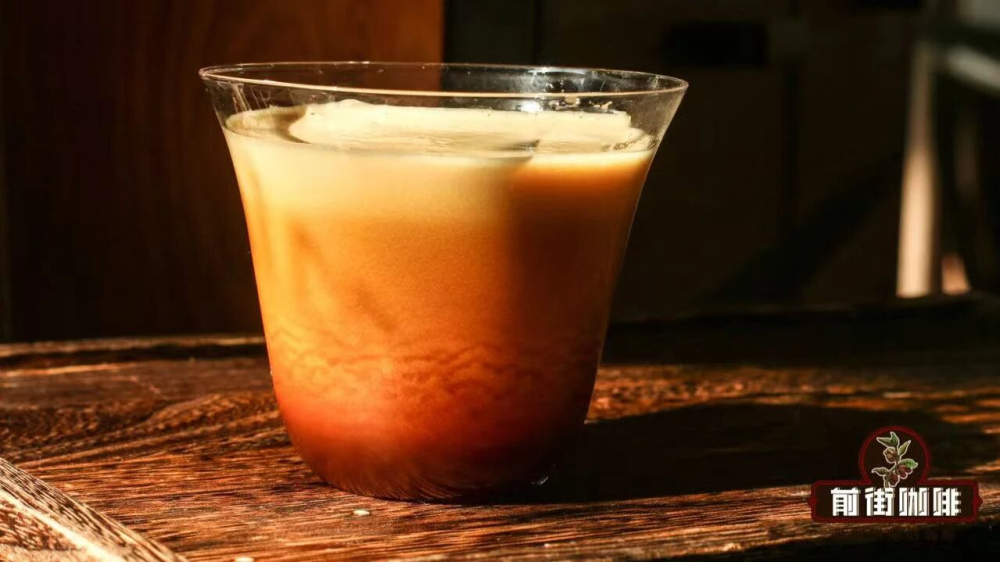
Today, coffee has gradually become part of Chinese people's daily lives, and everyone's demands for it have risen accordingly, with increasingly refined standards. In order to create their own unique memory points, many chain brands have launched personalized SOE coffee one after another, gradually evolving into a new consumer trend.
What exactly is the difference between SOE and blends?
In the era before specialty coffee rose to prominence, the raw material for espresso was usually a blend of beans from two or more origins, and there was not much fussiness about origin and batch. Manufacturers often used dark roasting to suppress less pleasant odors and acidity, so the extracted coffee had thick crema and a smooth, rich, balanced mouthfeel, with flavors mostly in the range of roasted hazelnut, chocolate, and caramel.
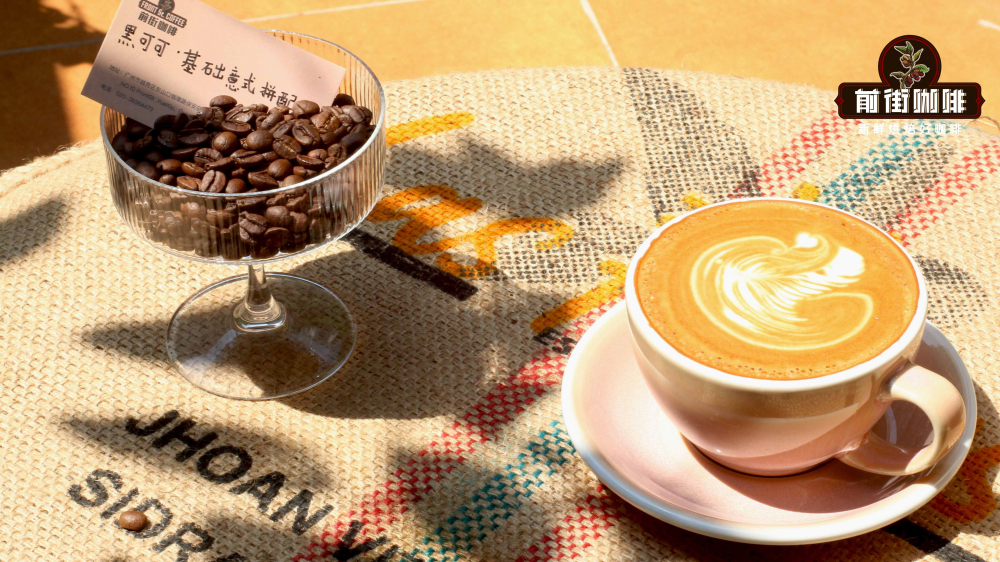
Front Street recommends that friends opening coffee shops prioritize espresso blends: first, the output is stable; second, costs can be controlled, making it highly cost-effective. If you pursue rich crema, you can choose Front Street Commercial Blend; if you want a more prominent nutty profile, choose Front Street Specialty Blend; if you prefer chocolate flavors, Front Street Dark Cocoa Basic Blend is recommended.
By the 1980s, the concept of specialty coffee was being emphasized continuously, and roasters began to realize that coffees from different origins each had their own personality. So they tried roasting some beans lighter to highlight regional flavors, and also "unlocked" more fruity notes. Early single-origin coffees were mostly extracted by pour-over, siphon, French press, and other methods, and people also began studying how to brew out the various flavors in the beans.
Some baristas, in order to stand out in competitions, would choose beans with distinctive character for brewing. James Hoffmann, the 2007 WBC World Barista Champion, put single-origin beans on an espresso machine, and SOE gradually became popular as a result.
SOE is the abbreviation of single origin espresso, referring to espresso made with coffee beans from a single origin. An "origin" can be a country, region, cooperative, estate, or farm, and coffee harvested from the same batch all counts as single-origin coffee. For example, the dozens of beans from different origins on the small blackboard in Front Street Coffee stores all belong to single-origin coffee, and Front Street generally serves them as pour-over. Single-origin coffee is built on the concept of specialty coffee, with the aim of emphasizing regional flavors, such as the jasmine aroma and citrus acidity of Front Street Yirgacheffe, the richness and herbal notes of Front Street Indonesia Mandheling, and the rich chocolate depth of Front Street Colombia.
In short, espresso made with single-origin beans can all be called SOE, and it belongs to the same category of espresso coffee as espresso blends (Blend). SOE needs to highlight the unique flavors of the origin, so the roast profile needs to be lighter. For example, Front Street Natural Red Cherry belongs to the classic Yirgacheffe, and the extracted Red Cherry SOE presents the sweet-and-sour notes of berries and citrus with a slight fermented feel. This type of SOE has a softer mouthfeel and clearer flavors, so businesses often emphasize the flavor characteristics used when serving it.
Why is SOE more expensive than blends?
It should be understood that coffee beans that emphasize a single origin are usually of a higher grade, so many coffee shops need to charge an extra difference when offering SOE beans.
However, single-origin beans used for pour-over need to consider presenting the unique regional flavors of the origin and the aroma of the beans themselves, just as Yirgacheffe should have fresh and bright citrus and lemon acidity, and Blue Mountain coffee should have sweet chocolate and caramel aromas. Similarly, SOE also needs to express the flavor characteristics that the origin should have. If roasted too dark, the flavors and aromas are easily masked by heavy substances; if roasted too light, it is easy to underextract, resulting in sharp acidity and a thin taste. So whether a cup of SOE tastes good greatly tests the roaster's and barista's "interpretation" of SOE.
Pressurized espresso extraction uses blended beans as raw material. Producers combine beans from different origins and use dark roasting to highlight a mouthfeel dominated by intensity, richness, and bitterness, with flavors basically fixed in the profile of caramel, dark chocolate, nuts, and cocoa. If espresso is to be different from traditional blends, single-origin SOE will use a lighter roast, presenting a lighter mouthfeel different from the traditional bitter profile, such as the fruit and floral notes mainly found in Ethiopian beans. Higher recognizability makes it easier for consumers to remember the characteristics of SOE, but from a cost perspective, higher-quality single-origin beans are of course also more expensive, so charging extra is only natural.
SOE is more difficult to make
To present the unique style of SOE, high-quality coffee beans, an appropriate roast level, corresponding grinding parameters, and proper extraction are all indispensable. Adjusting espresso extraction requires considering subtle fluctuating factors such as environmental humidity, extraction time, grind size of the coffee powder, dose, and brew ratio, making stable output more difficult to guarantee.
If we are making SOE at home, Front Street recommends using medium-dark roasted or flavor-oriented single-origin coffee beans, which can avoid the strong, harsh mouthfeel caused by roasting factors. Front Street Queen's Estate coffee beans are recommended. They are produced in Brazil and use a medium-dark roast. The extracted SOE presents chocolate, roasted hazelnut, cream, and a sugarcane-like clean sweet aftertaste. For those afraid of bitterness, buy Front Street Mozart coffee beans. They come from Costa Rica in Latin America and use a raisin honey process, and the SOE will carry dried fruit, tropical fruit, and light floral notes.
No matter how a coffee bean is extracted, Front Street believes freshness is very important. If coffee beans more than a month past the roast date are used, some of the aroma may already have been lost, and an unpleasant woody taste may have developed. Front Street hopes that every customer who places an order can taste the coffee's aroma at its optimal flavor period, so it ensures that only beans freshly roasted within 5 days are shipped. If everyone wants the SOE coffee they make to have a better flavor, Front Street recommends choosing freshly roasted single-origin coffee beans.
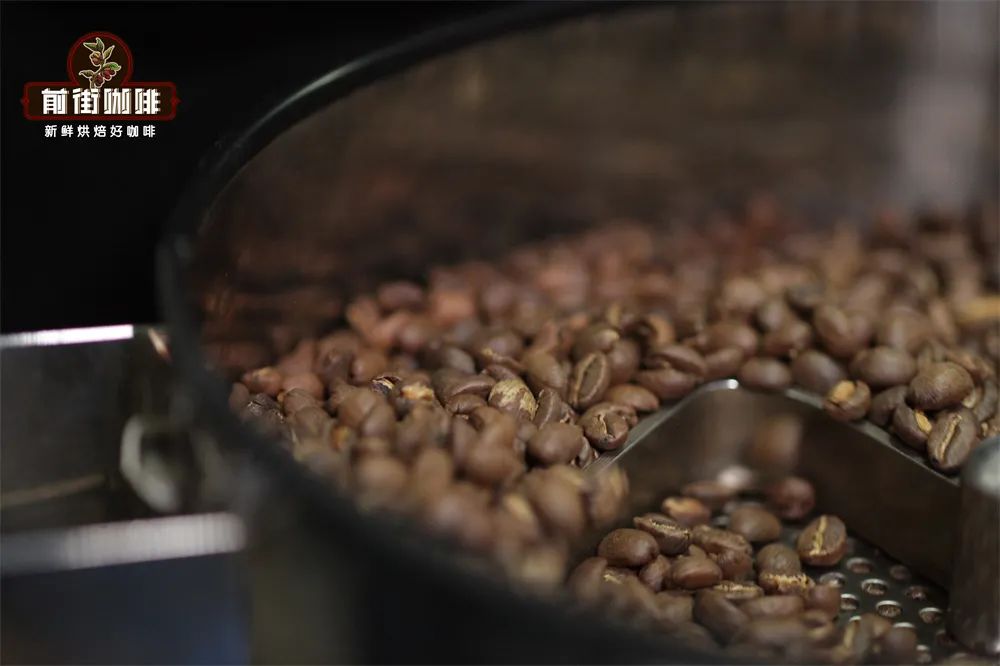
When we use coffee beans with a lighter roast level to extract SOE, because the beans have been roasted for a shorter time, their internal texture is still relatively hard, making the flavors harder to extract. Therefore, extraction parameters need to be adjusted to increase the extraction yield, such as extending extraction time, raising water temperature, making the grind finer, and increasing the dose. Because the fineness of espresso grinding is far higher than that of pour-over drip grinding, adjustments should not be too large, as this can easily lead to excessive variables and more unstable extraction. Front Street is for daily store output, so parameter adjustments are based on accumulated daily experience. If our home output is low and therefore harder to control, Front Street suggests keeping records and summarizing more on the relationship between extraction parameters and flavor performance, which will help us adjust quickly and also save unnecessary waste.
The above content is compiled by CoffeeHunters, a coffee news website.


