







Can SOE coffee beans be brewed as pour-over?
SOE stands for Single Origin Espresso: espresso extracted from coffee beans of only one origin, as opposed to a blend. The aim is to amplify one origin's character, such as the jasmine and citrus of a Yirgacheffe or the tomato-like acidity of a Kenya. In the early years of espresso, cafes worldwide used single-origin beans without naming the practice.
Blended espresso, or House Blend, combines beans from several origins, roasted together or separately and mixed by proportion, for layered and balanced flavor. SOE coffee beans can also be brewed as pour-over, since they are simply single-origin beans. Shops put SOE on menus as drinking culture grows, and its higher price reflects the cost of a specific lot, plus freshness and extraction parameters that matter during preparation.
In the landscape of espresso coffee, SOE is attracting more and more attention from coffee shops and enthusiasts. It refers to espresso extracted from single-origin coffee beans, contrasting with the blending concept. This article, from Front Street's perspective, sorts out the basic definition of SOE, reviews its trajectory from early single-origin beans to its resurgence in popularity, and answers a common question: Can SOE coffee beans be used for pour-over? It also analyzes its flavor direction, differences from blended coffee, and the freshness and extraction parameters to note during preparation. The article also introduces several of Front Street's single-origin beans and blended products to help readers understand SOE's application scenarios and selection approaches more comprehensively.
For more specialty coffee information, welcome to follow our WeChat official account: Front Street Coffee (FrontStreet Coffee)
In the past, the main products of coffee shops were basically espresso blends. But as the coffee drinking atmosphere continues to heat up, more and more shops are putting SOE on their menus, and some even use SOE as a core selling point. This time, Front Street will talk about SOE coffee.
What is SOE coffee?
SOE is the abbreviation of Single Origin Espresso, called single-origin espresso in Chinese, referring to espresso extracted using coffee beans from only one single origin, in contrast to blended coffee beans.
The so-called blended espresso, House Blend Espresso, is when the roaster selects coffee beans from multiple origins and with multiple flavors to blend and roast (or roasts them separately and then blends them in proportion), ultimately creating an espresso with rich flavor layers and a balanced mouthfeel. SOE, on the other hand, uses only single-origin coffee beans, with the goal of amplifying the unique taste of that origin, such as the jasmine aroma and citrus notes of Front Street Yirgacheffe coffee, the tomato-like acidity of Front Street Kenya coffee, and so on.
In the early years when espresso coffee first became popular, cafes around the world actually all used single-origin coffee beans, though they did not specifically emphasize this at the time. Later, as coffee consumption demand grew continuously, the quality of coffee beans from different origins varied greatly, and flavor and stability were difficult to guarantee. In order to avoid the negative effects brought by low-quality beans, some businesses began blending coffee beans from different origins together to make the output taste more stable.
In recent years, as the specialty coffee atmosphere has become stronger and stronger, coffee people have begun to value traceability of coffee beans and hope to drink espresso made from beans from well-known specialty origins, so SOE has become popular again.
Can SOE coffee beans be used for pour-over?
As the specialty orientation of coffee continues to be emphasized, high-quality single-origin coffee has also been brought out separately into the mainstream view of espresso, becoming a new trend. However, before SOE became popular, single-origin coffee beans in cafes were basically all used for pour-over, so higher-quality SOE coffee beans can of course also be used for pour-over. Front Street believes that as long as the parameters are suitable, using SOE coffee beans for pour-over can also showcase the origin's unique flavor and rich layers.
Flavor characteristics of SOE single-origin espresso
Traditional espresso blends mostly take the route of being rich, full-bodied, and balanced. In most cases, when businesses launch SOE, they select coffee beans that can reflect the unique flavor of that origin, and then highlight the origin's personality by adjusting the roast level. In other words, Yirgacheffe should taste like Yirgacheffe, and Mandheling should taste like Mandheling.
If it is a single-origin coffee mainly featuring floral and fruity notes, a lighter roast level is usually adopted, and the SOE will show bright acidity and sweetness of various fruits. For example, the sun-dried Huakui coffee beans on Front Street's bean list have a sweet-and-sour taste of strawberry and passion fruit.
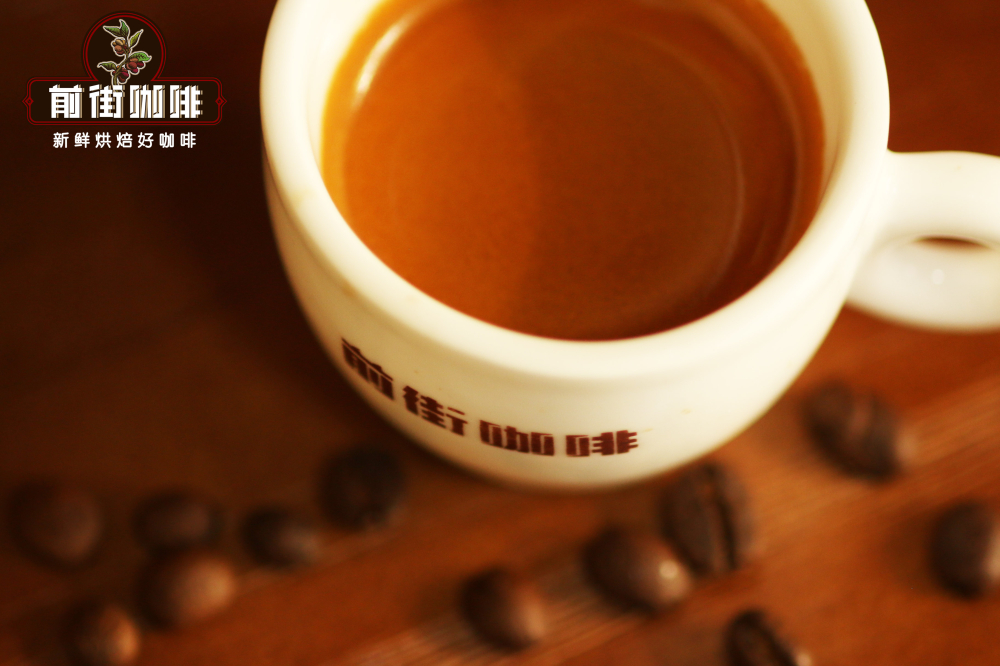
If single-origin coffee beans mainly featuring chocolate and nutty notes are chosen, a slightly darker roast level will be used, and the resulting espresso will have a rich roasted hazelnut aroma. For example, Front Street's Brazil Queen's Estate coffee beans present the sweet aroma of creamy peanut and dark chocolate.
There is also a Front Street Colombia Sidra coffee with winey and fruity flavors, which can be ordered directly through the Front Street Taobao store or Front Street Tmall flagship store. This coffee comes from Finca La Divisa in the Huila region, grows at an altitude of 1,700 meters, and uses double anaerobic natural processing. It has very intense grape, passion fruit, and citrus flavors. Made into SOE Sidra Americano, it has a refreshing and clear grape juice character, cool and pleasant.
Is SOE coffee better tasting than blended coffee?
As Front Street mentioned above, SOE is meant to emphasize origin flavor, so the roast level will not be too dark, which also increases the difficulty of extracting various flavors. When making espresso, high-temperature pressure extraction is used, and the coffee grounds are ground finer. If extraction is improper, harsh flavors can easily appear. High-quality blended coffee beans, on the other hand, are made by blending top-quality coffee from different origins, using a suitable roast level, and the resulting espresso is aromatic and balanced. Therefore, SOE coffee is not necessarily better tasting than blended coffee.
Front Street hopes that the espresso beans it produces can present richer aroma and balanced mouthfeel, so the espresso blends it launches are all based on this blending idea: blending according to acidity, bitterness, sweetness, aroma, and body into another coffee with a unique flavor. At present, there are four blended products on the shop's daily bean list, namely Front Street Sunflower Warm Sun Blend, Front Street Specialty Blend, the espresso moka pot coffee beans recommended by many baristas - Front Street Black Cocoa Blend, and Front Street Commercial Blend.
Among them, the daily espresso offering at Front Street's Dongshankou store is the Sunflower Warm Sun Blend. Front Street hoped to launch a coffee bean that has both fermented wine aroma and can also present fruity acidity and sweetness, blending Yirgacheffe sun-dried Red Cherry and Honduras Sherry in a 7:3 ratio. The rich aroma of this blended coffee bean has also won the affection of many friends.
Tips for making SOE coffee
Whether SOE tastes good is related to many factors, including the quality level of the SOE coffee beans, whether the roast degree is suitable, whether the coffee beans are fresh, and the range of extraction parameters, among others.
Coffee beans undergo a degassing and resting process 4 to 7 days after roasting (darker-roasted blends need about 10 days), and then enter a stable peak flavor period. After the peak of coffee aroma, the coffee flavor accelerates its loss over time, so freshness is crucial to coffee flavor extraction. Front Street's roasting principle is "freshly roasted good coffee," and the coffee beans shipped are ensured to be freshly roasted within 5 days, hoping that customers who place orders can enjoy the coffee within the complete peak flavor period.
The above content is compiled by CoffeeHunters, a coffee news website.


