







Search Results for: silky

A Complete Guide to Cappuccino Milk Frothing and Temperature: Professional Techniques from Steaming to a Dense, Silky Texture
In coffee shops, cappuccino is just as popular as latte, but have you ever noticed that cappuccino's foam layer is noticeably thicker than latte's? This is no accident, but is determined by four key factors working together: milk temperature, foam density, foam quantity, and milk texture. This article will focus on cappuccino, systematically explaining the correct method for steaming and frothing milk, analyzing why the ideal milk temperature range is 55-65°C, and explaining how foam that is too thin or too thick affects the presentation of coffee flavor. At the same time, we will also compare the differences between latte and cappuccino in foam handling, helping you make a cappuccino at home with foam and coffee liquid blended into one and a silky mouthfeel. [more…]
Latte Art Milk Froth Techniques | How Can Coffee Beginners Steam Silky Milk Froth? Which Espresso Beans Are Suitable for Latte Art?
Walking into a coffee shop, many people will choose a fancy coffee based on espresso, such as a latte, cappuccino, americano, etc. Each coffee has its own unique flavor, such as the perfect blend of coffee and milk in a latte, the thick milk foam of a cappuccino, and the light and mild taste of a flat white, all of which [more…]

Beginner Latte Art Tutorial Explained | How Can Coffee Newbies Make a Heart-Shaped Latte Art? How Do You Use an Espresso Machine to Steam Silky, Smooth Milk Foam?
For professional coffee knowledge exchange and more coffee bean information, please follow Coffee Workshop (WeChat official account cafe_style). For more specialty coffee beans, please add private WeChat Front Street Coffee (FrontStreet Coffee), WeChat ID: qjcoffeex. Coffee latte art is coffee [more…]
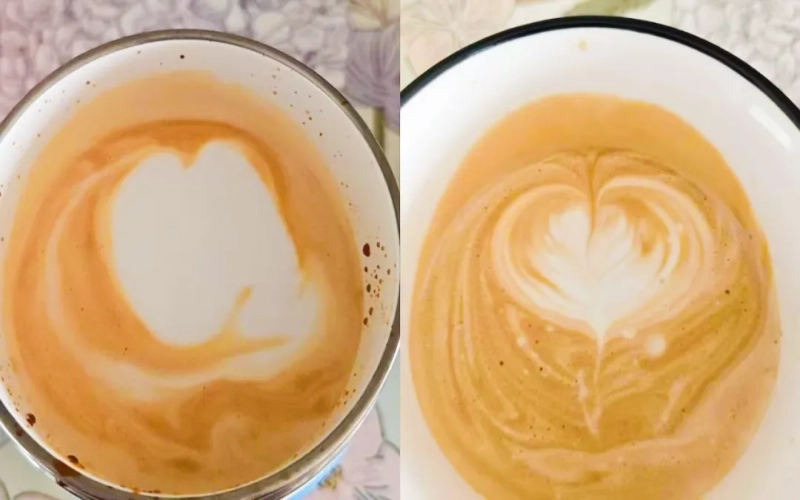
Guide to Milk Foam Thickness and Flow for Latte Art: How to Steam Silky, Dense Milk Foam for Latte Art
Many coffee enthusiasts encounter a puzzle when practicing latte art: even though they have mastered the gestures and techniques of latte art, the patterns never look good enough. The root of the problem is often not the technique, but the quality of the milk foam. A good latte art depends on a fine, dense milk foam with moderate fluidity. In this article, Front Street Coffee shares in detail what characteristics milk foam suitable for latte art should have, and how to optimize the milk frothing process from three dimensions—frothing time, milk temperature, and latte art timing—to help you more easily create latte art patterns with clear lines and a clean background. [more…]
What exactly is the difference between a flat white, a latte, a cappuccino, and a white coffee? A detailed explanation of milk foam, ratios, and origins in one article
Walk into any coffee shop, and the menu always features these classic milk coffees: Flat White, Latte, Cappuccino, and Australian White. They all look like espresso with milk, yet each tastes distinctly different. What exactly sets them apart? Is it the ratio of milk to coffee, or the texture and thickness of the milk foam? This article will take you through the controversial origins of the Flat White, clarify the relationship between Italian coffee and Australian coffee, and use specific ratio data to visually compare the subtle differences among these four coffees in terms of espresso, steamed milk, and milk foam. Whether you prefer a silky texture or favor thick milk foam, after reading this, you'll be able to find the cup that's right for you. [more…]
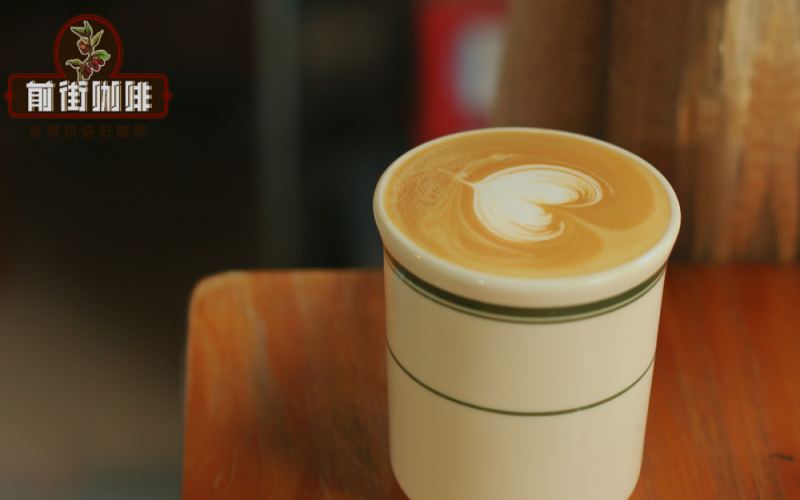
A Detailed Guide to Flat White Cup Sizes and Espresso Ratios: A Comprehensive Analysis from Hot Drink Traditions to Ristretto Extraction
As a classic milk coffee originating from Australia and New Zealand, the Flat White is known for its rich coffee flavor and silky mouthfeel. But what size cup should an authentic Flat White actually use? And how many shots of espresso should be paired with different cup sizes? This article will start with the controversy over the origins of the Flat White, explore in depth the differences between its hot-drink tradition and cold-drink variations, analyze the key extraction points and flavor characteristics of Ristretto, and share Front Street Coffee's specific parameters and operational details when making a Flat White, including key steps such as cup size selection, number of espresso shots, milk foam thickness, and temperature control, to help coffee enthusiasts recreate at home a cup of Flat White with distinct layers and a silky mouthfeel. [more…]
A Comprehensive Analysis of Colombian Coffee Flavors and Mouthfeel: Regional Characteristics and Grading from Medellín to Nariño
Colombian coffee occupies a pivotal position in the global coffee landscape thanks to its balanced taste, rich aroma, and silky texture. From Medellín and Armenia to Manizales, these producing regions in the Andes together form the renowned "Coffee Axis." This article will take you deep into the varietal characteristics of Colombian coffee, its strict grading system, and the unforgettable, lingering distinctive flavor of Front Street Colombian coffee. Whether it is the perfect balance of acidity, bitterness, and sweetness, or its almost commanding aroma, Colombian coffee is fully worthy of the title "green gold" and can be called the elegant gentleman of the coffee world. [more…]
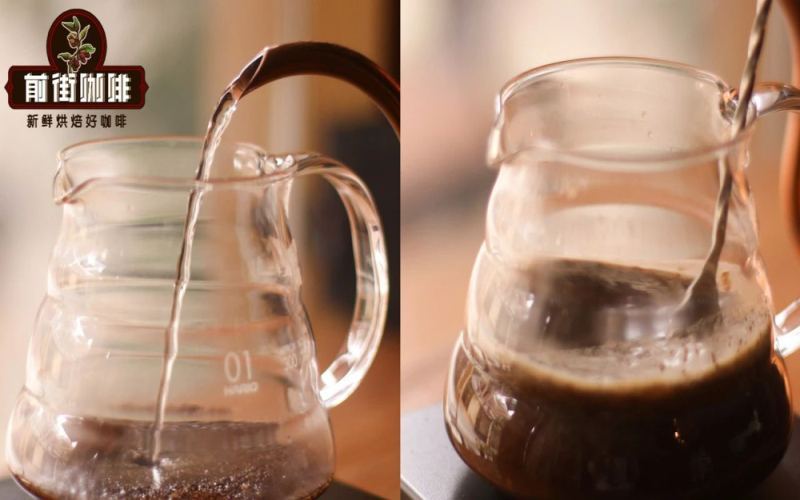
How to Make Cold Brew Latte Without a Coffee Machine: Detailed Method and Tips for Cold Milk-Infused Coffee
Want to enjoy a silky, smooth latte but don't have an espresso machine at home? In fact, with just a few simple steps—steeping coffee grounds in milk at low temperature—you can make a full-bodied, guilt-free cold brew latte. This article explains in detail the principles of milk-brewed coffee, the materials needed, brewing parameters and steps, and also includes a lazy version and tasting suggestions. It recommends several Front Street Coffee beans, including Sun-Dried Huakui, Mozart, Red Cherry, and Strawberry Candy, to help you easily enjoy professional-grade coffee flavors at home. [more…]

Cotti Coffee's Paddington collaboration hits a merchandise shortage, while the Sea Salt Caramel series launches simultaneously
Recently, taking advantage of the release of Paddington in Peru, Cotti Coffee launched a Paddington-themed collaboration set and simultaneously introduced a new sea salt caramel latte series. However, after the campaign kicked off, consumers in many places reported serious shortages of store-related materials, with cup sleeves, collaboration bags, and custom cups frequently out of stock, and even awkward scenes of SpongeBob cups being used as substitutes. At the same time, reviews of the two new drinks were mixed: the Sea Salt Caramel Silky Latte was criticized for being too sweet, while the Sea Salt Caramel Oat Latte was described as too bland. This article will restore the true picture of this collaboration campaign from multiple perspectives, including product taste, the experience of obtaining collaboration merchandise, and Cotti Coffee's internal material supply issues. [more…]
How to Make a Latte Without a Coffee Machine: A Complete Guide to Easy Homemade Cold Brew Milk Coffee
Want to enjoy a silky, smooth latte at home but don't have an espresso machine? In fact, with just a few simple steps and a long, low-temperature steep, you can make a full-bodied, guilt-free cold brew milk coffee. This article breaks down the principles of milk brew coffee in detail, explaining why low-temperature extraction avoids bitterness and preserves aroma, and walks you through choosing beans and milk, along with specific coffee-to-milk ratios and steeping times. From gathering ingredients to the lazy version of the method, plus tasting and storage tips, this covers everything so you can easily achieve latte freedom at home. [more…]

Does the name "white coffee" come from its color? A look at the sweet flavors of Malaysian white coffee and Australian flat white
The name "white coffee" often leads people to mistakenly think it's because the color is whitish, but the truth is far more than that. This article starts with the blending process and instant nature of Malaysian white coffee, sorts out the naming origins of "black coffee" and "white coffee" in Australia, and focuses on the Flat White that is popular in specialty coffee shops. At the same time, it introduces how Front Street's classic espresso blend, through ristretto extraction, presents a unique taste that is aromatic, high in sweetness, full-bodied, and silky, bringing you a comprehensive understanding of why white coffee tastes sweeter and why it is so good. [more…]
Colombia Rose Valley Coffee Beans: Origin Characteristics and Anaerobic Double Enzyme Washed Flavor Analysis
Colombian coffee is known for its diverse styles and bright fruity notes, and is one of the few single-origin coffees in the world sold under a country name. This article focuses on Front Street Colombia Finca El Arbol Rose Valley, analyzing its cultivation background in the Santander region, Caturra variety, 1,700-meter altitude, anaerobic double enzyme washed processing, and slow drying techniques, breaking down its complex aromas of white peach, strawberry, melon, rose, and champagne, while presenting its creamy toffee-like silky mouthfeel, to give you an understanding of the flavor sources and origin strength of this small-yield star bean. [more…]
Brazil Coffee Estate Picks: Hand-Drip Beans and Flavor Analysis, Front Street Canaan Estate Sweet Flatbread Coffee Review
As the world's largest coffee-producing country, Brazil's estate beans are attracting increasing attention from pour-over enthusiasts. Starting from the terroir of its producing regions, this article recommends Brazilian coffee estates worth trying, and answers what kind of Brazilian beans are suitable for pour-over and whether Brazilian coffee is actually good. It particularly introduces Front Street Coffee's Brazil Canaan Estate coffee—a unique bean with chocolate cookie and sweet flatbread flavors, specially reserved by Central Fork Roasting Company and hailed as "sweet flatbread coffee." From the Gem Estate in the Mantiqueira Mountains of the Carmo de Minas region to the silky, toasted-bread-like comfort in the cup, this guide takes you through the full charm of Brazilian specialty coffee. [more…]
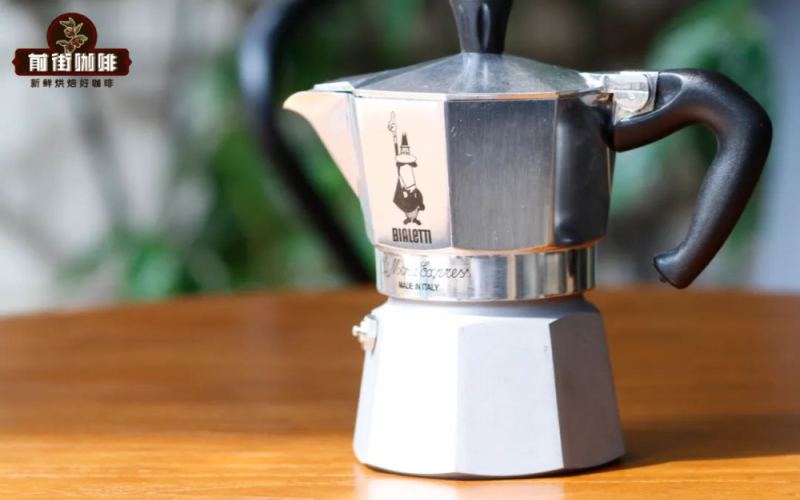
The Complete Moka Pot Guide: Step-by-Step Instructions, Tips, and an In-Depth Look at Pros and Cons
Since its debut in 1933, the moka pot has become the go-to entry-level choice for countless coffee lovers thanks to its compact convenience and rich brew. Yet controversy around it has never ceased: can it extract ideal crema like an espresso machine? And which coffee beans suit it best? This article systematically walks through the moka pot's operating steps and practical tips, compares its fundamental differences from coffee machines in crema performance, and objectively analyzes its pros and cons. At the same time, Front Street Coffee offers specific bean recommendations for the different flavor profiles of medium-dark and medium roasts, helping you consistently brew either silky, full-bodied coffee or fruit-forward, aromatic coffee with your moka pot. [more…]

What Is Milk-Brewed Coffee? The Complete Method and Recipe Ratios for Making Cold Brew with Milk Instead of Water
Replace the water in cold brew coffee with fresh milk, steep the coffee grounds at low temperature for a long time, and after filtering you get a silky, rich milk-brewed coffee. This method has recently drawn attention in coffee circles and is being called a new choice for fans of iced milk cold brew. This article will start with the principles of milk brewing, explaining why low-temperature extraction reduces bitterness and off-flavors, and how milk gives coffee a smooth, chocolate-milk-like texture. It then breaks down the practical points one by one: what roast level and flavor type to choose for the coffee beans, the actual differences in performance between fresh milk and oat milk, whether the grind should be coarser or finer than regular cold brew, what mouthfeel the 1:8 to 1:12 coffee-to-milk ratios each produce, the trade-offs between direct steeping and bag-steeping in terms of time and convenience, and whether it can be stored overnight once made. The article also retains Front Street's demonstration and specific parameters using two beans: Brazil Queen's Estate and Colombia Flower Moon Night. [more…]
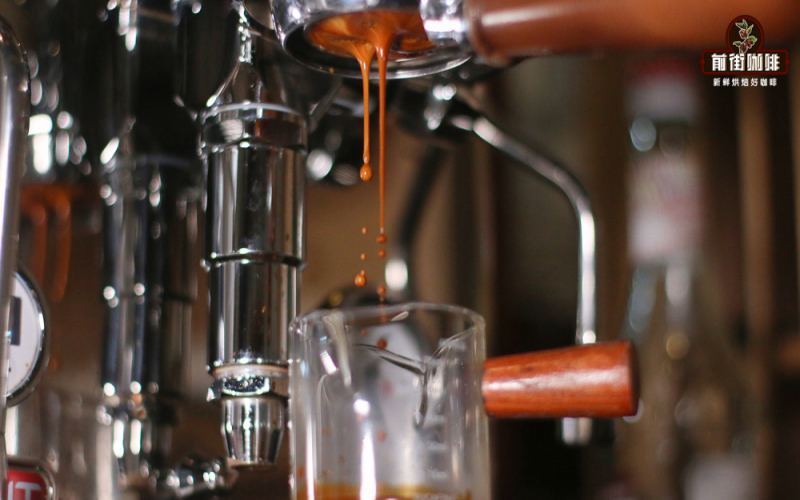
What exactly is Starbucks Flat White? How does it differ from a latte? A complete analysis of the Flat White
Driven by the specialty coffee wave, the Flat White has become an indispensable milk coffee choice on many café menus. Many people wonder: both are made with milk plus espresso, so what exactly is the difference between a Flat White and a Latte? Starbucks named the Flat White "Fu Rui Bai" — what kind of drink is it really? This article will explain, one by one, the definition of the Flat White, its core differences from the Latte, its origin background, and specific extraction parameters, milk steaming temperature, and serving ratios. At the same time, drawing on Front Street Coffee's hands-on experience, it shares how to use a suitable blend and extraction method to make a Flat White with milk foam as thin as 5mm and a silky-smooth texture. [more…]
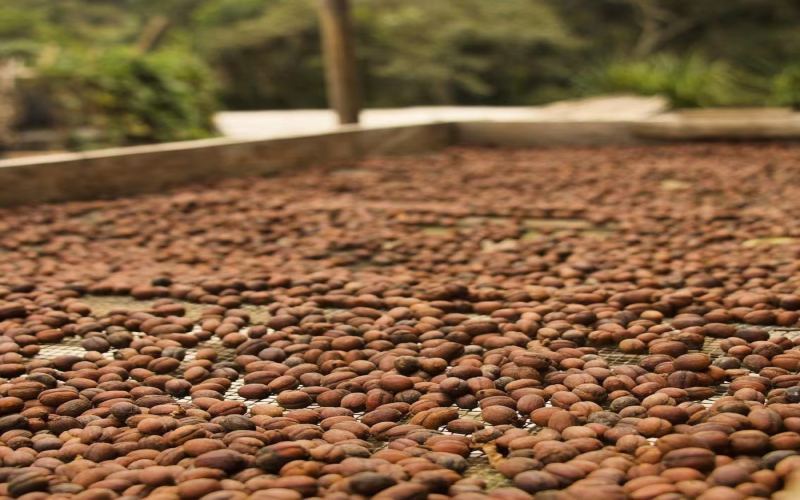
Analysis of Flavor Characteristics and Pour-Over Blooming Time for Brazil COE Fazenda Rainha Yellow Bourbon Coffee Beans
Located in the Mogiana region of São Paulo State, Queen's Farm is a perennial award-winning estate in Brazil's Cup of Excellence competition. With Yellow Bourbon as its core variety, the farm sits at elevations of 1,400 to 1,950 meters, with an average annual temperature of only 19°C, producing specialty coffee with dense beans and outstanding aroma. The Brazil Queen's Farm Pulped Natural Yellow Bourbon coffee beans offered by Front Street Coffee present rich nutty notes and a full body after medium-dark roasting, with a cupping profile of balanced, smooth acidity, a clean and faint bitterness, chocolate aroma, and a silky, delicate texture. This article provides a detailed introduction to Queen's Farm's regional background, the characteristics of the Yellow Bourbon variety, and the pulped natural processing method, along with pour-over parameters and blooming time recommendations from Front Street Coffee's baristas, helping coffee lovers brew a great cup at home. [more…]
A Historical Examination of the Origins and Flavor Characteristics of Colombian Coffee: From Missionary Records to "Green Gold"
Colombia's coffee cultivation history can be traced back to the Spanish colonial period in the sixteenth century, with multiple accounts of its introduction, including via water routes through Haiti and El Salvador, and in 1808 by a priest who brought it from the French Antilles via Venezuela. The earliest written record appears in the observations of the missionary Jose Gumilla in 1730 along the banks of the Meta River. Today, Colombia is the second-largest coffee producer after Brazil, as well as the world's largest exporter of Arabica coffee beans and the largest exporter of washed coffee beans. Its coffee is renowned for its silky, balanced flavor and is hailed as "green gold." This article reviews its historical origins and flavor characteristics, and retains the relevant recommendations for the Front Street brand. [more…]
Costa Rica Canet Estate Bach Mozart: Raisin Double Fermentation Honey Process Flavor Analysis
Located in the Tarrazú region, Finca Canet showcases the unique charm of a raisin double fermentation honey process through its Bach Mozart coffee beans. These beans use the Yellow Catuai variety, grown at a high altitude of 1,800 to 1,900 meters, with an SHB grade. Yellow Catuai, a hybrid of Mundo Novo and Caturra, was developed in 1949 at the Campinas Agronomic Institute in Brazil, combining disease resistance with a delicate, clean acidity. In processing, the coffee cherries are first dried in the shade until they reach a raisin-like state, then depulped for honey process fermentation, with an extremely high pectin retention rate, claimed to be 100% pectin honey process. The flavor profile is richly layered: the dry aroma features cherry, berries, plum, strawberry, peach, and jasmine; the wet aroma presents delicate floral and fruity sweetness, lemon citrus, and a faint wine-like acidity; on the palate, strawberry, apple, grape, and citrus interweave, accompanied by an unforgettable sweetness of honey and toffee, and a silky, lingering finish like Darjeeling black tea. Front Street Coffee recommends this bean, suitable for coffee lovers seeking complex fermentation flavors. [more…]
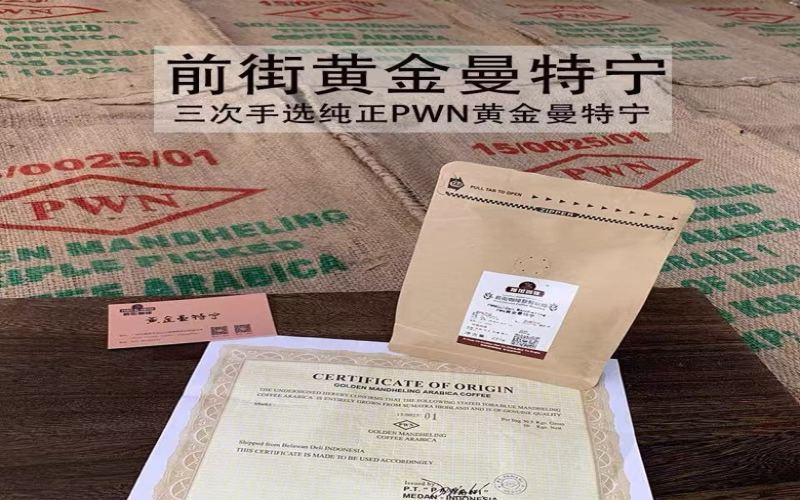
Region Selection for Rich Crema Beans: Crema Performance of Mandheling, Brazil, and Blue Mountain
The crema performance of espresso differs noticeably across growing regions. Mandheling, Brazil, and Blue Mountain are three representative origins, each with its own crema characteristics, suited to drinkers with different taste preferences. Mandheling is the choice for crema thickness. The Mandheling region uses wet-hulling processing, during which more pectin layer remains on the surface of the beans, add [more…]