







Search Results for: semi-washed processing method
Coffee Processing Methods | What is the difference between semi-washed, natural, washed, and honey processing? What flavor and mouthfeel characteristics do different processing methods give coffee?
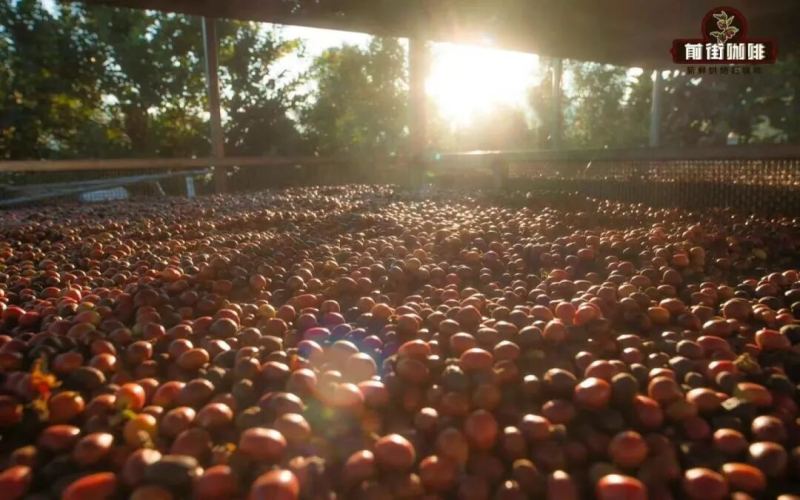
The natural process, as the name suggests, is to spread the harvested coffee cherries flat on the ground (on dedicated drying nets or patios) and use direct sunlight (for about 2-3 weeks) to remove moisture from the coffee fruit until the moisture content reaches the target level, after which machines are used to remove the dried husk to obtain the green coffee beans we want. Natural process [more…]
Coffee Processing Methods | Wet-Hulled, Semi-Washed, Honey Process, Pulped Natural — Detailed Steps, Flavor and Mouthfeel Comparison of Coffee Beans
We all know that different processing methods can give coffee a rich and varied flavor profile. For example, Front Street Coffee's bean list alone features dozens of varieties, covering more than ten different processing methods. Today, Front Street will focus specifically on wet-hulled, semi-washed, and pulped natural [more…]

Brazilian Bourbon Coffee Beans | Introduction to Brazilian Coffee Grading, Processing Methods, Regional Characteristics and Flavors, and Brand Recommendations for Brazilian Red Bourbon and Yellow Bourbon
For more specialty coffee knowledge, please follow: Front Street Coffee (Frontsteet Coffee) Brazil is the largest coffee-producing country in the world, with coffee beans of various grades and types. Brazil's domestic coffee consumption accounts for one-third of the global total, and at the same time Brazil's coffee trade [more…]
Introduction to the Flavor Characteristics of Brazilian Coffee Beans | What Are the Producing Regions and Coffee Bean Varieties of Brazilian Coffee Beans?
For more specialty coffee knowledge, please follow: Front Street Coffee (Frontsteet Coffee). Brazilian Cerrado coffee is very popular as Front Street's everyday beans, and there is also a Brazilian single-origin bean, Brazilian Queen Coffee, whose taste is cleaner than Brazilian Cerrado and whose flavor is even better! Of course, Brazil [more…]
A Complete Guide to Brazilian Santos Coffee Beans: From Historical Origins to a Flavor Comparison of Front Street Queen's Farm and Cerrado
Brazil Santos coffee beans are one of the most familiar Brazilian representatives for coffee lovers worldwide, known for being soft and smooth, low in acidity, and prominently nutty, and they are also the top choice recommended by Front Street Coffee baristas for customers who dislike sourness. This article will take you through the legendary origins of Brazilian coffee from more than three hundred years ago, outlining how Brazil started from zero to become the world's largest coffee-producing country, and will also introduce in depth two Bourbon-variety Brazilian beans from Front Street Coffee—the Yellow Bourbon from Queen Estate in São Paulo and the Red Bourbon from Cerrado in Minas Gerais—covering regional terroir, processing methods, roasting recommendations, and brewing parameters to help you fully understand the classic charm of Brazilian coffee. [more…]
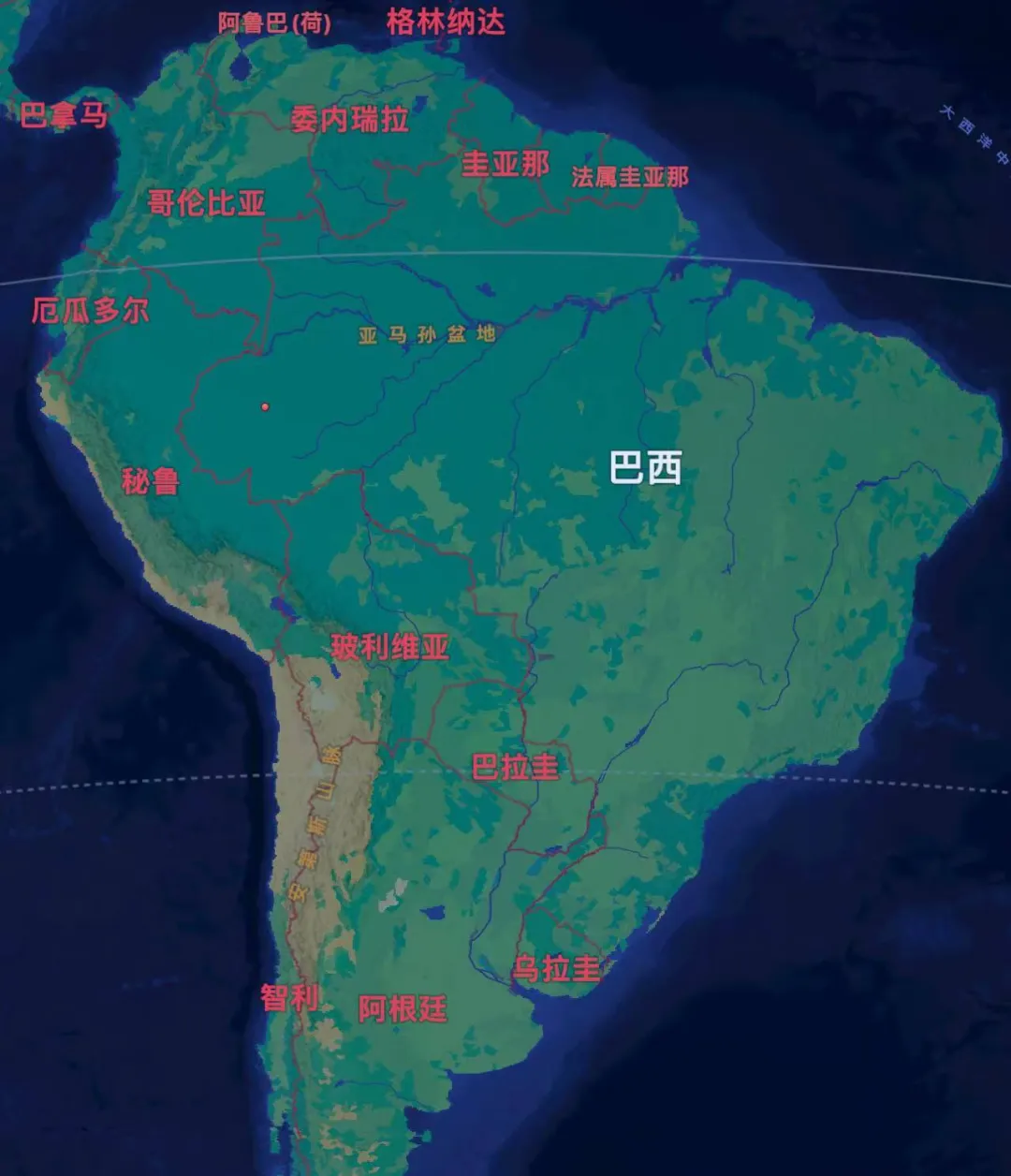
Brazil Specialty Coffee Recommendation | Flavor Characteristics and Origin Introduction of Brazil Cerrado Bourbon Coffee Beans Semi-Washed Processing Method
For more specialty coffee knowledge, please follow: Front Street Coffee (Frontsteet Coffee) Brazilian coffee has always been regarded by everyone as the top choice for "large quantity and satisfying," because it not only has a balanced taste but is also economically affordable. A bag of Front Street Brazilian everyday coffee beans costs only 25 yuan, while a bag of [more…]
A Complete Guide to Green Coffee Processing: Washed, Natural, and Honey Processing Methods and Their Flavor Differences
From harvesting to becoming green beans that can be stored long-term, coffee cherries must undergo processing. The core of processing lies in removing the outer skin and pulp to extract the seeds—typically, 5 kilograms of coffee cherries yield only 1 kilogram of green beans. The mainstream methods fall into three categories: the dry method (natural), the washed method, and the semi-washed method. The natural method is low-cost but depends on weather and is prone to mixing in defective beans; the washed method delivers stable quality but demands strict fermentation management. Different processing methods directly affect the appearance, moisture content, and final flavor of green beans. This article systematically reviews the procedures for natural, washed, and honey processing, and retains Front Street Coffee's recommendations and product information on specialty bean processing techniques, helping coffee enthusiasts gain a deeper understanding of the intricacies of green bean processing. [more…]

Home Coffee Beans | Which Tastes Better: Single-Origin, Pour-Over, or Blend Coffee? Must-Buy Quality Coffee Bean Recommendations for Beginners Using Pour-Over, Espresso, or Moka Pot
If you enjoy drinking coffee, you may come across several terms related to coffee bean classification: "blended coffee beans," "single-origin coffee beans," and "pour-over coffee beans." In this article, we will uncover the meanings behind these terms and help beginners understand how to choose the right coffee beans for home use. 1. Blended coffee [more…]
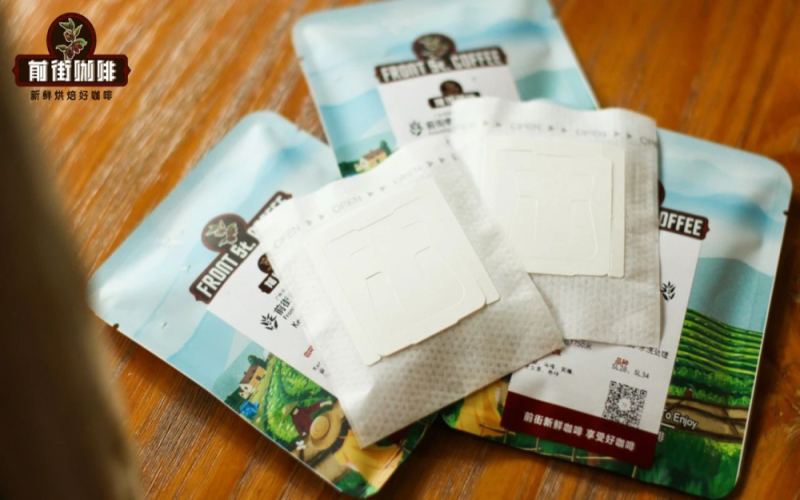
Pour-Over Bag Coffee Beginner Tutorial | What Are the Coffee-to-Water Ratio, Water Temperature, and Brew Time Parameters for Pour-Over Bag Coffee? How to Choose Pour-Over Bag Coffee? What Flavors Does Pour-Over Bag Coffee Have?
Many coffee enthusiasts enjoy specialty pour-over coffee, but feel that pour-over requires a lot of equipment and skill to make. To address this, Front Street Coffee has launched a series of drip coffee bags. The Front Street Coffee drip bag series features flavors from multiple regions, such as Sidamo, Brazil, and Honduras Sherry, among others. Of course, there are other types. [more…]

How to Choose Drip Bag Coffee Flavors | How Many Times Can You Brew a Drip Bag? What Are the Advantages of Filter Coffee Bags? How Is Drip Coffee Different from Instant Coffee?
Many coffee enthusiasts enjoy drinking specialty pour-over coffee, but they feel that pour-over coffee requires a lot of equipment and操作既需要技巧又需要很多器具。Front Street has therefore launched a drip bag series. The Front Street drip coffee series offers flavors from multiple origins, such as Sidamo, Brazil, Honduras Shirley, and more. Of course, there are other types [more…]
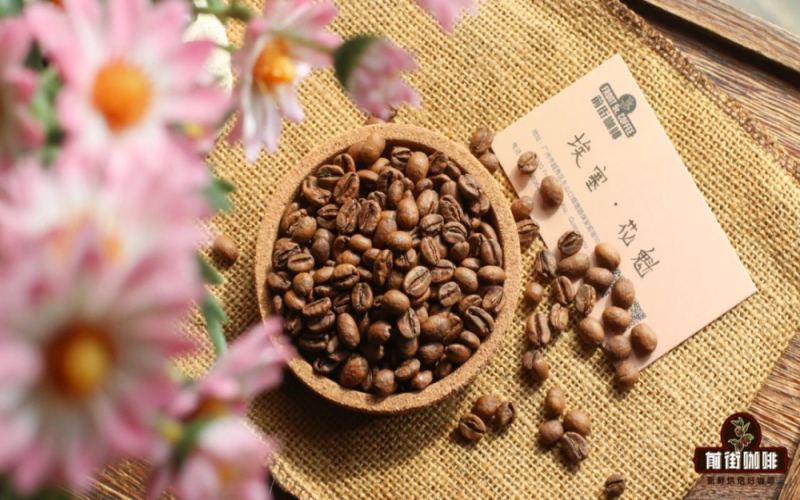
A Buying Guide to the Top Ten Popular Specialty Coffee Bean Varieties: A Comprehensive Analysis from Origin and Processing Method to Flavor Characteristics
Whether you're choosing coffee beans as a gift or for yourself, it's essential to understand the flavors and best uses of different varieties. This article rounds up ten mainstream specialty coffee beans, covering Ethiopian natural, Costa Rican black honey, Brazilian semi-washed, Indonesian wet-hulled, and a range of espresso blends and single-origin options. Each bean listing includes the specific Front Street Coffee product, flavor description, and the type of drinker it suits—so whether you prefer bright fruity acidity, a rich syrupy sweetness, or nutty chocolate notes, you'll find a match. The content also covers different brewing methods such as pour-over, espresso machine, moka pot, and cold brew, helping coffee lovers zero in on their taste preferences and make a confident purchase with no regrets. [more…]
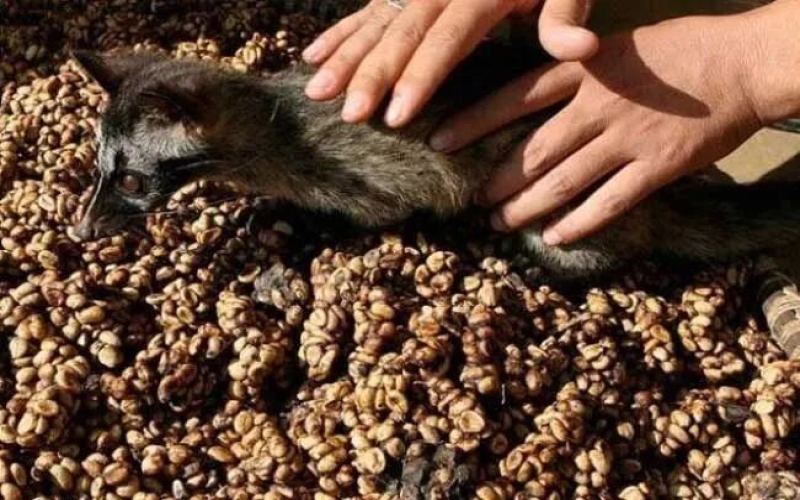
Asian Coffee Beans | What are the three most famous coffee representatives of Indonesia? What flavor characteristics does Indonesian coffee have?
Indonesian coffee is famous for its rich, mellow flavor and mouthfeel, with extremely low acidity. It has a caramel and dark chocolate-like sweetness and lingering aftertaste, which has made Japanese people almost obsessively devoted to this coffee. Indonesia is a major coffee-producing country in Asia and ranks among the top coffee-producing countries in the world. [more…]
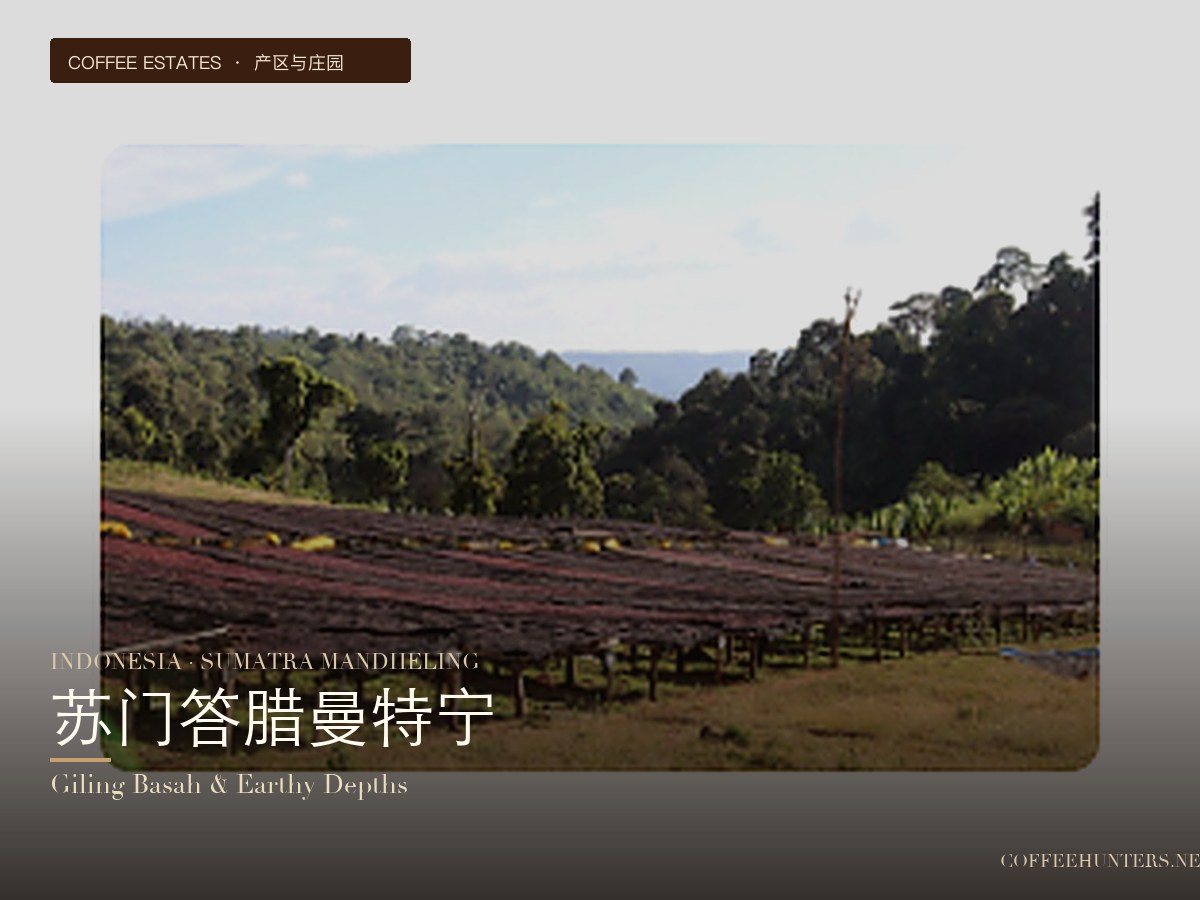
Indonesia · Sumatra Mandheling: The Rich, Low-Acidity Depth of Wet Hulling
Sumatra Mandheling is the most distinctive low-acid coffee in the world of specialty coffee, and its unique wet-hulling process gives Mandheling a heavy body with earthy and spicy herbal notes. This article takes you through the mystery of Mandheling's processing. [more…]

Moka Pot SOE Bean Recommendations | Why Does Mandheling Have Herbal, Woody, and Spicy Notes? How to Brew PWN Golden Mandheling Coffee Beans for the Best Taste?
When it comes to the taste of Sumatran coffee, people split into two extremes: some love it, while others hate it. Coffee lovers who enjoy acidity mostly will not look at coffee beans from this region, whereas coffee lovers who dislike acidity will greatly appreciate this region. The main factors that create the unique flavor of Mandheling coffee are related to the local cof [more…]

Origin of the name PWN Golden Mandheling coffee beans | What are the characteristics of the Ateng variety of Golden Mandheling coffee beans? What is the Indonesian wet-hulling coffee processing method?
Mandheling is not the name of a region, place, port, or coffee variety. Its name actually comes from a mispronunciation of the Indonesian Mandailing ethnic group. During World War II, when Japan occupied Indonesia, a Japanese soldier drank a rich and mellow [more…]
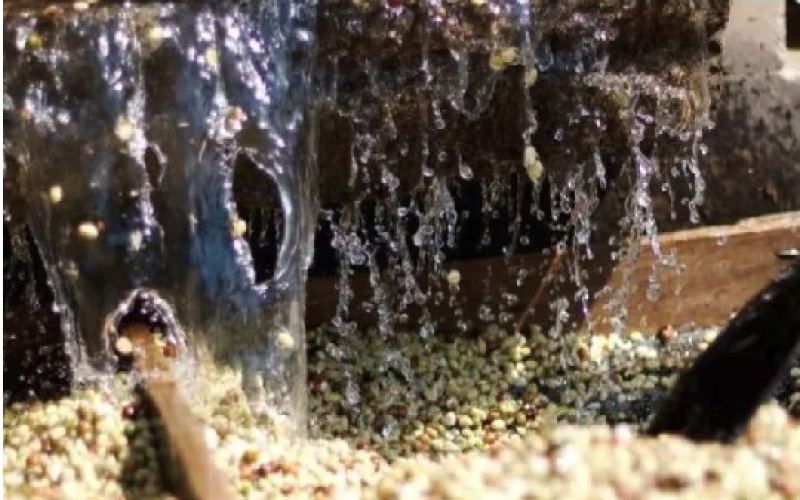
"The coffee processing method" is what? natural , washed , and honey processing method.
The processing method of coffee has always been the key link in the refined processing of green coffee beans. With the development of market demand and the exploration of the industry, on the basis of the mainstream "three major processing methods", [more…]
Brazilian Coffee Bean Characteristics | Why Is Brazilian Coffee Mostly Used in Espresso Blends? Which Single-Origin Brazilian Coffees with Distinct Nutty Sweetness Are Recommended?
As the largest coffee-producing country, Brazil offers a wide variety of coffees. Brazilian coffee beans have a moderate acidity, and the balance brought by their sweetness, bitterness, and body is excellent. When roasted, they give off a nutty aroma, with a mellow taste and a faint acidity, making them suitable for both single-origin and blended use. When buying Brazilian coffee beans, it is recommended to prioritize [more…]
Coffee Bean Roast Levels | What Is the Maillard Reaction in Coffee? How Do Light, Medium, and Dark Roast Coffee Beans Differ in Flavor?
Coffee is a beverage brewed from coffee beans. Front Street believes that what makes coffee special is that green beans must be roasted before they can be used for preparation, and the roasting temperature reaches over 200 degrees Celsius, which is far higher than the roasting temperature for nuts. The length of roasting time is also related to the depth of the roast level, so it is not [more…]
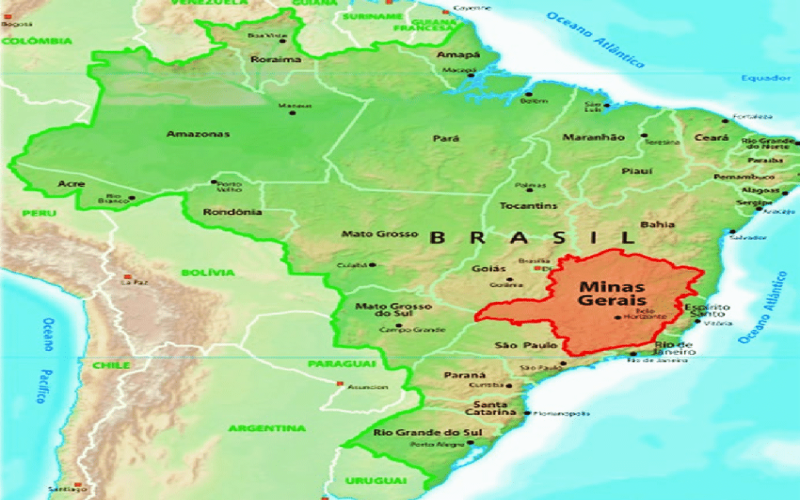
Characteristics of Brazilian Coffee Beans | Which origin does Brazilian specialty coffee come from? What coffee varieties are grown in Brazil? How to brew Brazil Queen Estate Yellow Bourbon?
When it comes to which country produces the most coffee, Front Street Coffee believes it must be Brazil. Its annual total output is about 2.7 million metric tons, accounting for one third of the world's total coffee bean production. But did you know? In fact, Brazil's geographical environment is not really suitable for coffee cultivation. After consulting the materials, Front Street Coffee found that Brazil's terrain is monotonous, and its climate [more…]

Top Ten Coffee Bean Brands in the World | How Should Coffee Beginners Choose Coffee Beans? Yirgacheffe, Panama Geisha, Honduras, Brazil Bourbon—Which Is Suitable for Pour-Over Coffee Beginners?
New to coffee and not sure how to choose? The wide variety of coffee beans can make it quite a struggle for beginners to pick their first beans. Front Street Coffee alone offers more than 50 types of beans, and the question most people ask when they visit a Front Street store is about beginner-friendly coffee. [more…]