







Search Results for: self-funded work uniforms

Cotti Coffee Job Applicant Asked to Buy Their Own Uniform Sparks Controversy: Is It Legal to Pay for Your Own Work Uniform?
Recently, a job seeker on a recruitment platform questioned a Cotti Coffee store manager about the requirement to buy their own work uniform, only to be hit back with "Has your family fallen on hard times?" — sparking widespread discussion online. Cotti's customer service responded that its operating stores are all partner stores, and uniform requirements are decided by the store manager. So, is it legal for employees to pay out of pocket for work uniforms? Article 9 of the Labor Contract Law has clear provisions on this, but the specifics depend on the situation. This article sorts through the course of events, the legal boundaries, and netizens' views, and includes Front Street Coffee's professional communication channels. [more…]

Mixue Bingcheng employee washing feet in sink sparks heated discussion, official response says it was emergency treatment for a scald
Recently, a video of a Mixue Bingcheng employee washing his feet in a sink inside the store spread rapidly online, drawing widespread attention. In the video, a man in a black work uniform is rinsing his feet in a sink behind the counter, with milk tea buckets and operating tools placed nearby, a scene that is shocking. Mixue Bingcheng later responded that the employee had scalded his foot at work and used cold water as an emergency treatment, and that the store involved had been ordered to close for disinfection and carry out rectification training. However, some netizens questioned the official explanation, saying the man's movements were calm and did not look like someone who had been scalded. The incident continued to escalate, and food safety and hygiene issues once again became the focus of public opinion. [more…]
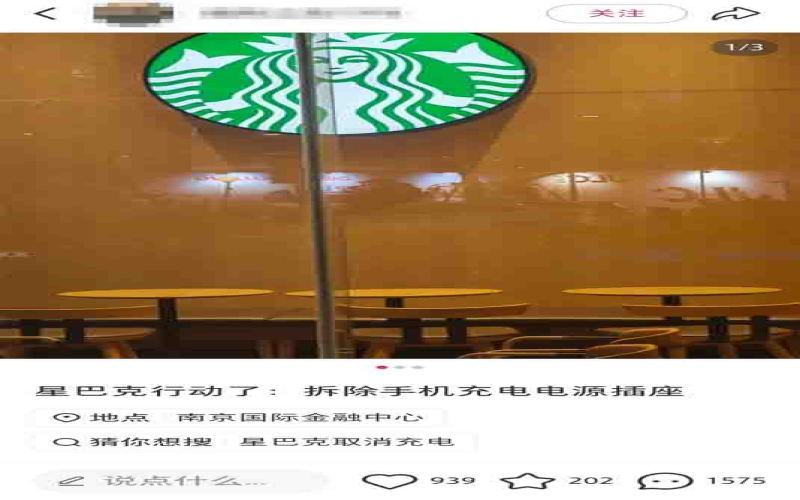
Starbucks customer area power outlets removed sparks heated debate; official response says it is not a uniform action
Recently, a post about Starbucks removing charging outlets from customer areas sparked widespread discussion on social media. Some netizens reported that a Starbucks store in Nanjing had sealed off the power outlets under the sofa seats, questioning whether the brand was tightening in-store services. Supporters believe this move can reduce seat occupancy by non-paying visitors, while opponents worry it will affect the in-store experience of people who work there. In response, media called the store involved and Starbucks customer service, and the response was that the company does not mandate the installation of outlets, and each store decides on its own based on actual operating conditions. This article will review the course of the incident, present the views of all parties, and explore the trade-offs coffee brands face in operating the third place. [more…]

Mixue Bingcheng Employee Sparks Controversy with Cigarette Hair Clip on Cap Brim, Netizens Question Store Image and Food Safety
Recently, a post about Mixue Bingcheng employees wearing cigarette-shaped decorations sparked heated discussion on social media. The poster pointed out that store employees had cigarette-shaped hair clips attached to the brims of their baseball caps, arguing that this makes smoking seem entertaining and normalizes it, and expressing concern about the negative impact on brand image and consumer perception. Some netizens speculated that this was just young staff members playing around, while other Mixue employees emphasized that the stores strictly prohibit smoking. However, most voices still held that employees wearing uniforms represent the company's image, and cigarette decorations easily raise hygiene concerns, especially potentially setting a bad example for underage customers. After the incident gained traction, a person believed to be the store manager and official customer service responded one after another, acknowledging the inappropriate behavior and stating that it had been rectified. Front Street Coffee continues to follow developments in the coffee and beverage industry, bringing you the latest report. [more…]
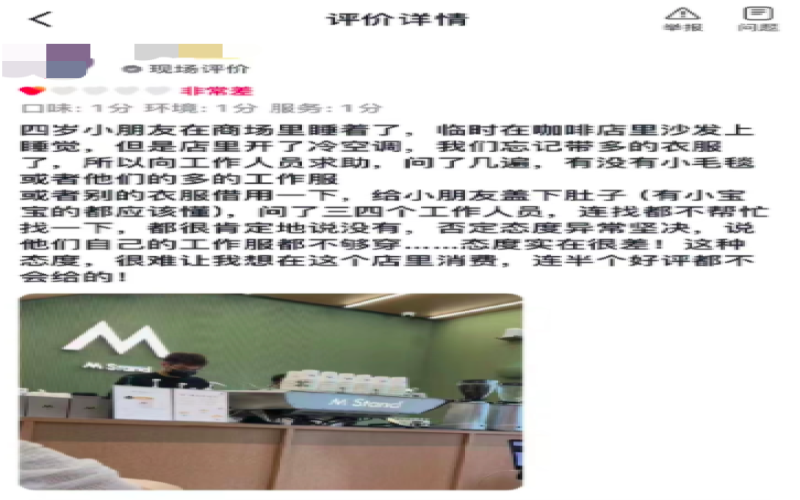
A customer left a bad review because they couldn't borrow a blanket; why are operators increasingly choosing to ban children from their cafés?
A mother took her child to a shopping mall. After the child fell asleep, she went to a coffee shop to rest on the sofa. Because the temperature inside the shop was low, she asked the staff to borrow a blanket or a work uniform but was refused. She later left a negative review, which sparked heated discussion among netizens. Some people understood the difficulties parents face when out with their children, while others believed that borrowing a blanket went beyond the scope of a coffee shop's service. At the same time, many coffee shop owners complained about the troubles brought by customers with children, and more and more stores have made banning children a rule. This discussion about service boundaries and business realities reflects the dilemma coffee shops face between customer experience and daily operations. [more…]
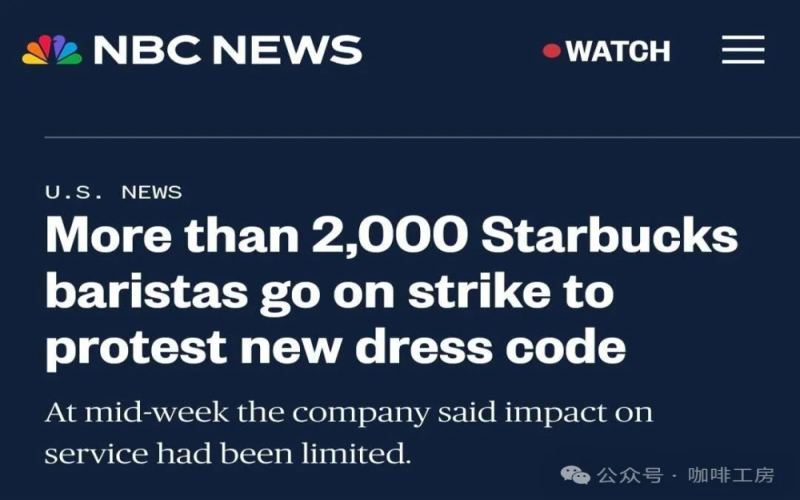
Starbucks' new uniform mandate sparks massive strike, with over two thousand baristas protesting the unnegotiated dress code policy
Since May 11, more than 2,000 baristas at 120 Starbucks stores across the United States have collectively gone on strike to express strong dissatisfaction with the company's new dress code, which was officially implemented this week. The Starbucks union pointed out on Wednesday that this action is a direct response by employees to the company's forced implementation of a uniform policy without consultation. The new rules require employees to wear black tops paired with khaki, black, or blue jeans, which the company says is intended to strengthen the brand recognition of the green apron. However, this move to tighten dress requirements for the first time in nearly a decade has been opposed by most employees, who believe Starbucks has ignored the voices of frontline baristas. [more…]
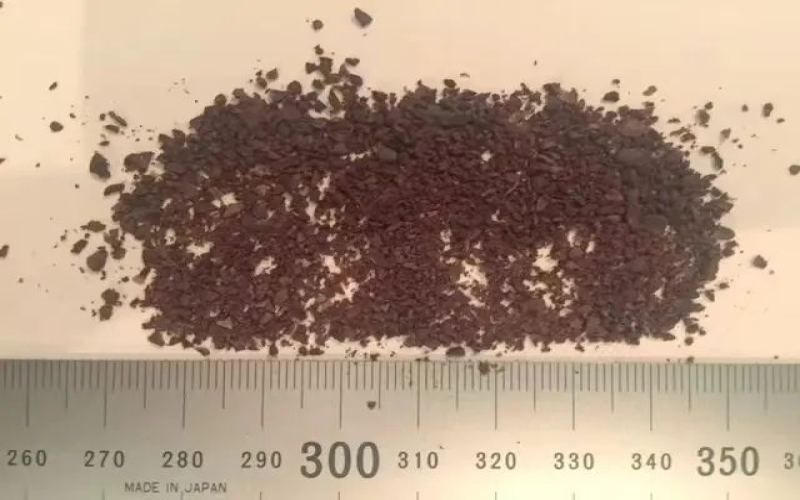
How to Deal with Excessive Fines in Pour-Over Coffee? A Full Analysis of Flat Burr, Ghost Tooth, and Conical Burr Grinder Burr Characteristics
The production of fines when grinding coffee beans is a normal phenomenon. A moderate amount of fines contributes positively to flavor; what truly causes trouble is excessive fines. Front Street Coffee has noticed that many coffee enthusiasts feel a sense of dread at the mere mention of fines, mostly because they have been tormented by clogged beds that won't drain, scorched bitterness, and astringency. This article first defines what particle size counts as fines, then explains the relationship between the causes of fines and the type of burr set, with a focus on comparing the differences among flat burrs, ghost-tooth burrs, and conical burrs in terms of grind uniformity and fines ratio. Finally, it offers two practical solutions: sifting out fines and adjusting brewing technique, along with rescue strategies for the common situation of abundant fines accompanied by coarse grounds that are also too coarse. [more…]
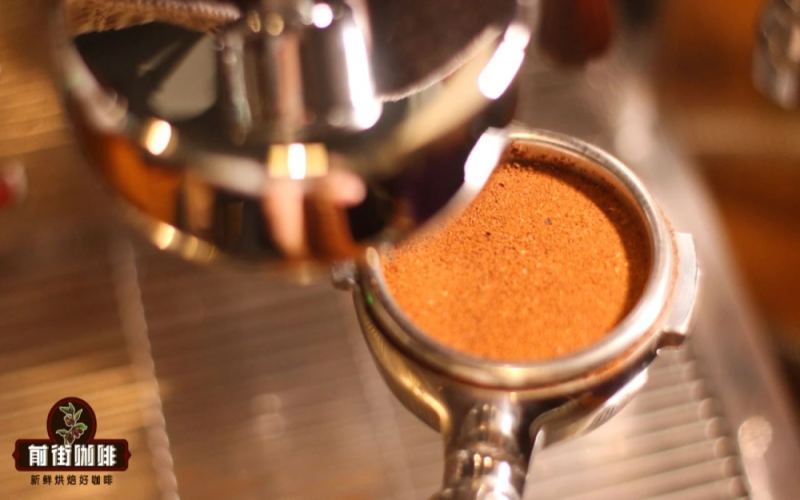
Espresso Ground Coffee Grind Setting Guide: From Grinder Selection to Extraction Parameter Adjustment
Many coffee enthusiasts who make espresso at home often run into problems like fast flow, thin crema, and weak flavor, and the root cause is often an improper grind setting. Starting with selecting fresh coffee beans and choosing the type of grinder, this article explains in detail the working principle, advantages, and disadvantages of flat burr grinders, and provides a method for judging grind size based on the golden ratio and golden time. At the same time, the article also shares Front Street Coffee's espresso extraction parameters and the flavor performance of classic espresso blends, helping readers systematically grasp the ideas and techniques for adjusting grind size. [more…]
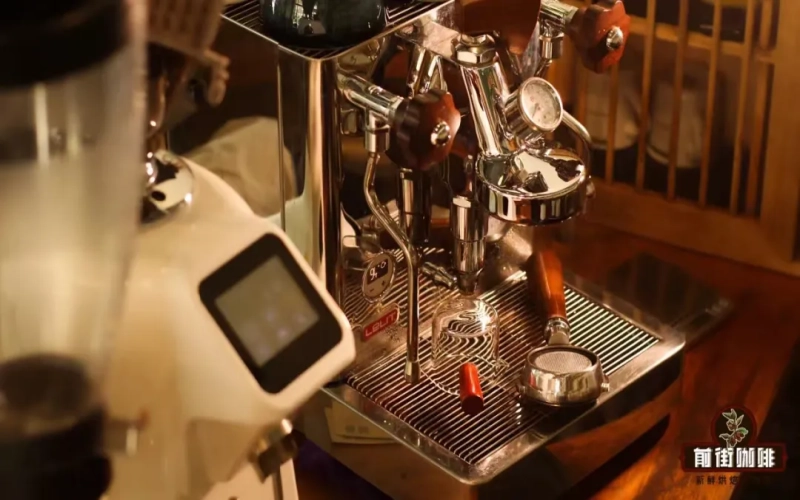
How can you precisely determine the grind setting for espresso? Which blend should you choose for espresso?
Many friends who are just getting into espresso run into the same confusion: even when they follow the parameters provided by the vendor, the coffee they make either has no crema, tastes weak and flat, or is bitter and hard to swallow. In fact, the key to the problem often lies in controlling the grind size and the coffee-to-liquid ratio. This article will start with how to determine grind size, helping you find the right setting for your equipment. It will also recommend several Front Street Coffee espresso blends, covering different styles such as rich, floral and fruity, nutty, commercial, and basic. It will then explain the working principles and adjustment logic of flat burr grinders, and finally explain when recalibration of grind size is needed, as well as the thinking behind a café's daily adjustments to espresso parameters. [more…]
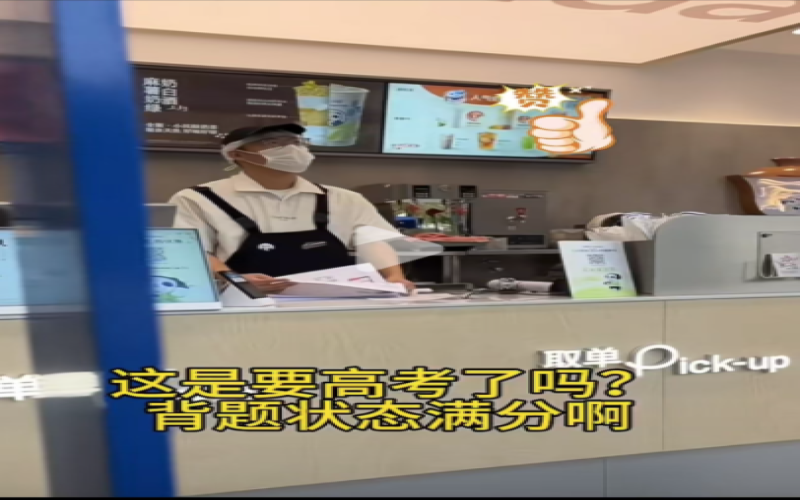
Tea Baidao employees are burying their heads in memorizing endorsement materials, yet when fans try to verify, they're brushed off with a uniform script. What exactly is this maneuver trying to guard against?
Cramming before an exam is a scene you might not expect to see in a milk tea shop. Recently, netizens captured a ChaPanda employee hunched over a stack of color-printed materials at the counter, muttering to themselves and occasionally looking up to memorize things silently. Upon investigation, it turned out this was tied to ChaPanda's soon-to-be-officially-announced global premium brand ambassador, Cheng Yi. It's not unusual for a brand to have employees familiarize themselves with ambassador information in advance, but at the same time, they strictly prohibit any early leaks. Material control is so tight that stores must send back photos of unopened watermarked materials every night, and violating stores even face financial penalties and contract termination. Many interpret this as having learned from the disastrous Gu Ming x Love and Deepspace collaboration. However, some consumers believe that rather than spending so much effort memorizing materials, it would be better to thoroughly study the recipes and techniques—after all, drink quality is the foundation of repeat business. [more…]
Typical Troubleshooting in Espresso Making: A Comprehensive Analysis from Crema Condition and Water Flow Pattern to Extraction Parameters
In the process of making espresso, even experienced baristas inevitably encounter various unexpected situations—crema bubbling, channeling, sharp or overly sour flavors, and every detail can affect the final flavor presentation. This article systematically sorts out several common problems in espresso making, including judging coffee bean freshness, checking extraction parameters, analyzing the causes of crema abnormalities, and diagnosing water flow conditions, and provides targeted adjustment suggestions. Whether you use a Synesso, Expobar, or other machine models, these troubleshooting approaches can help you quickly locate the root of the problem and take a step closer to an ideal cup of espresso. [more…]
How to Determine the Grind Size for Espresso? A Complete Guide from Bean Selection and Grinder to Brew Ratio and Extraction Time
Many coffee enthusiasts who make espresso at home often run into problems like abnormal flow rate, thin crema, and weak flavor—and the root cause is usually the grind size. This article starts with bean selection and the types of coffee grinders, then systematically lays out the criteria for judging espresso grind coarseness. It explains how flat burr grinders work, along with their pros and cons, and offers a dialing-in method based on a 1:2 coffee-to-water ratio and a 25-to-28-second extraction time. This helps readers judge whether the grind is too coarse or too fine by observing flow rate, crema color, and flavor performance. The article also includes the extraction parameters and flavor description of Front Street Coffee's classic espresso blend for practical reference. [more…]
Criteria for Identifying High-Quality Green Coffee Beans and an Analysis of Guatemala New Oriental Winey Natural Beans
What makes a coffee green bean truly high quality? From surface luster and color uniformity to bean-size consistency, every detail affects the flavor in the final cup. And the presence of defective beans is an invisible killer of both roasting and tasting. This article will guide you through practical methods for assessing green bean quality, and take you deep into Guatemala's New Oriente region to discover the Guava Plains Estate winey natural coffee beans recommended by Front Street Coffee—SL28 variety at 1,675 meters, processed via winey natural method, presenting the alluring flavors of pineapple, dried apricot and red wine. At the same time, we will also review the evolution of Guatemala's coffee industry, and see how international green bean traders work with local estates to break the vicious cycle of the traditional supply chain. [more…]

Flavor Experiment with Low-Temperature Slow Extraction: Differences in Cold Brew Across Different Processing Methods
The most fascinating thing about cold brew is that it works like a slow-motion projector: the flavor release that hot extraction completes in a few dozen seconds is stretched out over more than ten hours, and the character of every flavor compound is amplified and put on display. Running a set of cold brew comparison experiments with beans processed in different ways lets you directly see how each processing method truly expresses itself at low temperatures. The experiment is set [more…]
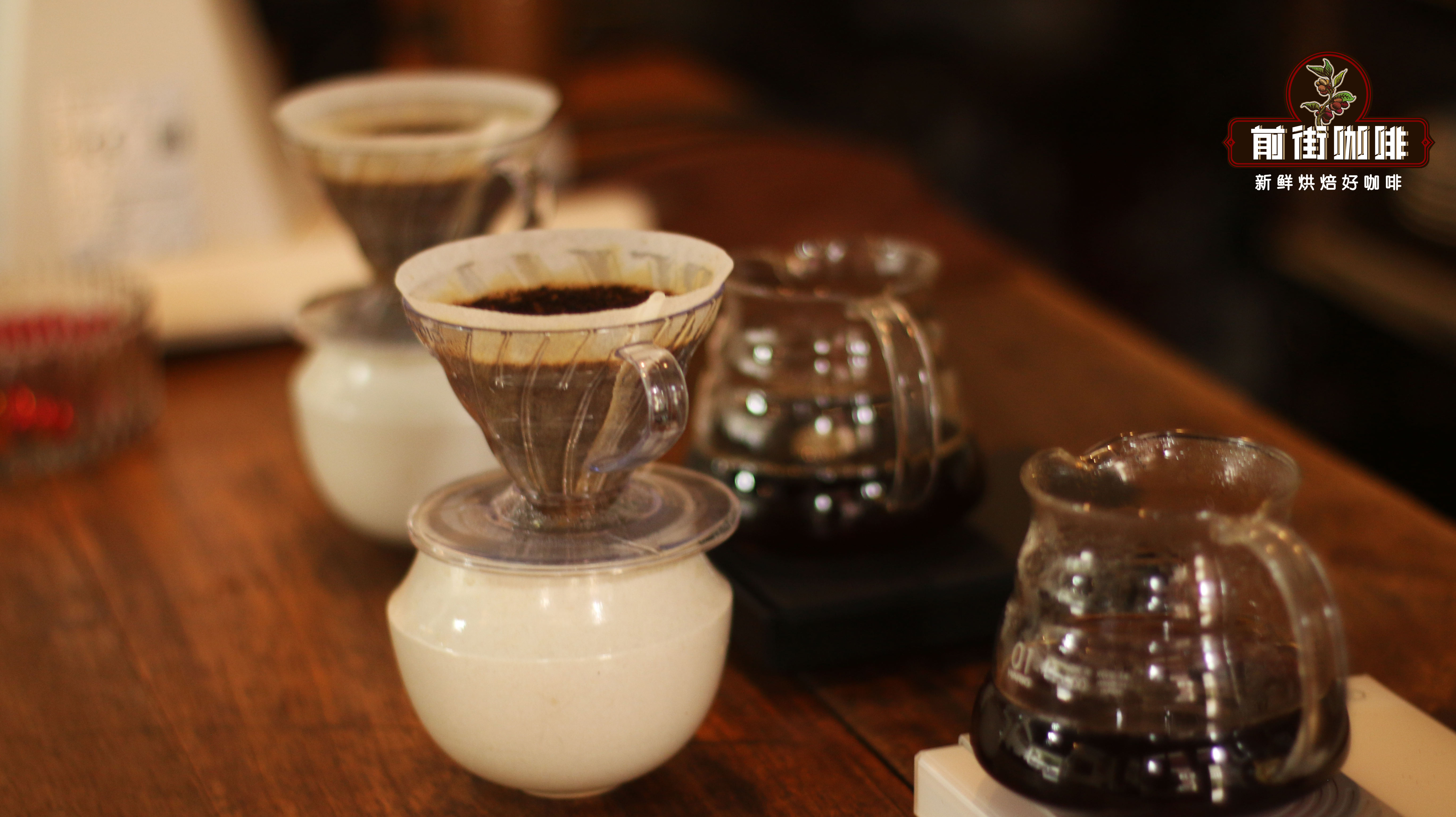
What is the purpose of blooming in pour-over coffee? How can beginners use the well method to improve bloom evenness?
Blooming is an indispensable key step in pour-over coffee, directly affecting the completeness and uniformity of subsequent extraction. Front Street Coffee has confirmed through comparative experiments that the extraction yield of coffee using blooming is significantly higher than versions that skip it. However, blooming is not as simple as "pouring water and waiting for bubbles"—blooming time, water amount, and wetting uniformity all influence the final quality. For beginners who are not yet skilled at water control, uneven wetting of the coffee bed often occurs in conical drippers. In this case, a simple and easy "digging a hole" method can significantly improve the degassing effect. Based on Front Street Coffee's practical experience, this article breaks down in detail the specific steps, applicable scenarios, and precautions of the hole-digging operation, helping beginners stably achieve more uniform extraction results even without proficient technique. [more…]

Espresso Grind Size | How to Adjust the Grind Setting for Espresso Beans? Recommended Espresso Blend Roasting Brands for Beginners
Many friends who have just opened a café or bought an espresso machine for home find that when they take the espresso beans they bought and follow the parameters provided by the seller, the espresso they make has no crema, or is very weak, or is very bitter. When this happens, the only thing we can change is the grind of the coffee beans. [more…]
The Complete Guide to Brewing Roasted Coffee Beans at Home: Bean Selection, Grinding, Water Temperature, and Resting Period Explained
Coffee beans cannot be eaten directly after roasting; they must be ground into powder and extracted with equipment before they can be consumed. This article compiles for coffee enthusiasts the complete key points for home-brewing roasted coffee beans: when selecting beans, look at color uniformity and aroma; grinding is divided into coarse, medium, and fine levels, corresponding to different equipment; water temperature must be controlled below 96 degrees Celsius, and the best drinking temperature is 85 degrees; it also explains in detail the chewing test for choosing fresh beans, the resting period after roasting, and how to distinguish single-origin beans from blends. Finally, it recommends Front Street Coffee's high-cost-performance freshly roasted Arabica beans, with a cost as low as five or six yuan per cup, making it easy to drink good coffee at home. [more…]

Beginner's Guide to Drip Coffee: From Brewing Principles to Taste and Flavor, Front Street Teaches You Bean Selection and Pour-Over Techniques
What exactly is drip coffee? How does it differ from espresso? Starting from the origins and working principles of the drip method, this article provides a detailed analysis of the taste characteristics of drip coffee, its core differences from espresso, the ideal brewing water temperature and roast level selection, and, combined with practical case studies of Front Street Coffee's V60 and KONO brewers, gives specific brewing parameters for bean varieties such as Sidamo Flower Queen and Mandheling. Whether you are a beginner who has just encountered coffee or an enthusiast looking to refine your pour-over technique, you will find brewing ideas and bean selection suggestions that suit you. [more…]

Making Boozy Coffee at Home: 10 Alcoholic Coffee Drinks with Recipes and Methods
Want to find a balance between a gentle buzz and staying clear-headed? Spiked coffee is becoming a new choice for many young people. When you're tired during the day, a hint of alcohol helps relax your nerves; after work at night, a warm alcoholic coffee soothes body and mind; and when the weather turns cold, it brings warmth from the inside out. This article compiles 10 alcoholic coffee recipes suitable for making at home, from simple convenience-store mixes to creative versions with milk foam, and to specialty cocktail coffees with a stronger alcoholic kick, covering pairings with various base spirits such as Baileys, whiskey, gin, brandy, and rum. When making them, there's no need to be rigid—just adjust the amount of alcohol to your personal preference—but be sure to drink in moderation according to your own condition, minors are prohibited from drinking alcohol, and drunk driving is strictly forbidden. At the end of the article, there is also a communication channel for Front Street Coffee (FrontStreet Coffee), making it convenient for coffee lovers to discuss further. [more…]
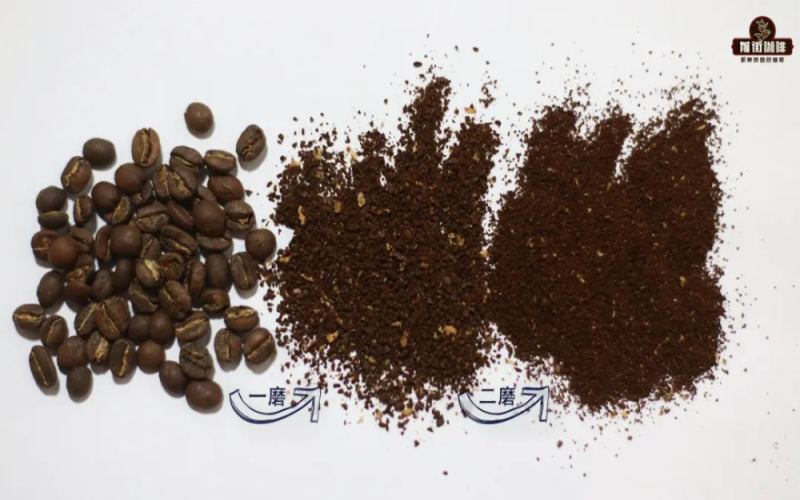
Is secondary grinding of coffee grounds really feasible? An analysis of the principles, risks, and practical approaches of WBC competitors
Some coffee enthusiasts might think: since a grinder can grind coffee beans into fine powder, grinding already-ground coarse powder finer again should not be a problem, right? This idea seems reasonable, but in practice it can cost the grinder dearly. This article focuses on regrinding, first explaining why putting coffee grounds back into the grinder can lead to clogging, breakdowns, and other risks, and mentioning a real case in which a Front Street Coffee shop's grinder was ruined as a result; then introducing how 2017 WBC Japanese competitor Tetsu Suzuki and 2019 WBrC Chinese competitor Du Jianing used techniques such as liquid nitrogen cooling and coarse grinding followed by fine grinding to pursue a more concentrated particle size distribution and higher uniformity, and finally reminding everyone to make a decision based on their own grinder conditions and budget. [more…]