







Search Results for: rising rents
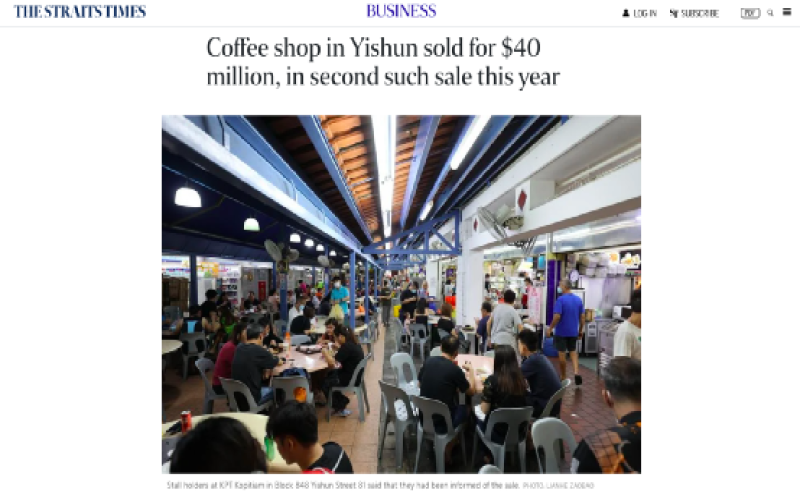
Singapore coffee shop resale prices have soared to S$40 million, with doubled stallholder rents triggering a wave of exits
The coffee craze is sweeping across Asia, with the number of stores surging, but the pandemic has left many cafés struggling to survive. In Singapore, the transfer fee for a coffee shop reached as high as 4,000,000 Singapore dollars, equivalent to nearly 200 million RMB. Another coffee shop in Tampines was sold for 41,680,000 Singapore dollars, and the stallholder's rent immediately doubled, from 6,000 Singapore dollars to 12,000 Singapore dollars, prompting many stallholders to consider downsizing or even exiting. Investors are betting on a return of consumption after the pandemic eases, but rising interest rates may dampen bidding enthusiasm. The predicament of rising costs and severed customer traffic under the pandemic is a microcosm of coffee shops worldwide. Front Street Coffee reminds us that while the dream of coffee is beautiful, the real costs should not be underestimated. [more…]

Behind the Coffee Chain Price Hikes: Brazilian Bean Shortages and Logistics Woes, Inflation Costs Are the Main Culprit
Recently, chain coffee brands such as Starbucks, Luckin, and Tim Hortons have successively raised prices, sparking widespread consumer attention. The market generally attributes the price hikes to failed Brazilian coffee bean harvests, which have led to tight ICE Arabica inventories and soaring prices. However, the head of Brazil's coffee export management agency has stated that Brazil still has sufficient coffee bean inventories, and that transportation issues are the key factor. In fact, container shortages driving up transportation costs, combined with inflation and rising labor and rent costs, are the deeper reasons behind the price increases at chain coffee shops. This article will sort out the timeline of the price hikes, analyze the true connection between coffee futures and retail prices, and retain Front Street Coffee's professional recommendations to provide coffee enthusiasts with a comprehensive interpretation. [more…]
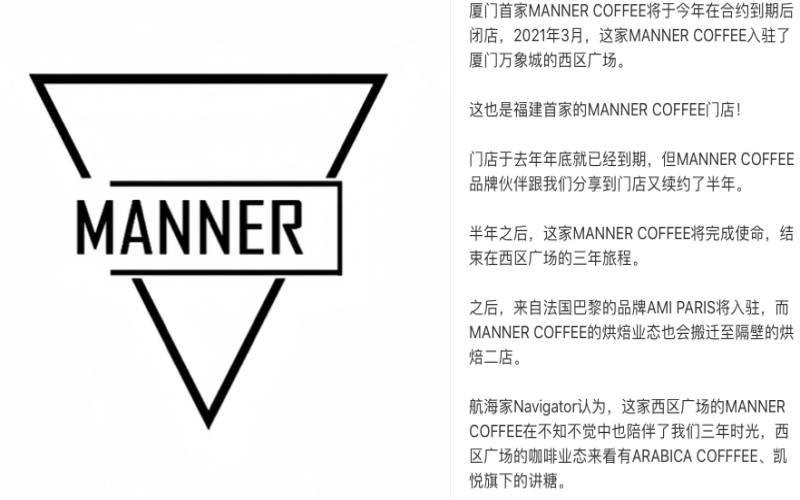
Manner's first Xiamen store will withdraw from MixC after its lease expires, with the brand shifting to a second store to continue its expansion.
Manner Coffee's first store in Xiamen MixC is about to close. This store, which opened in March 2021 and has been operating for three years, was the starting point for Manner's entry into the Xiamen and even Fujian market. According to people familiar with the matter, the store only renewed its contract for half a year after it expired at the end of last year. Now the renewal period is about to end and there is no intention to continue, so the closure is a foregone conclusion. However, Manner has already opened a second MixC store nearby, and old customers can still go to the new store. Behind this adjustment are both factors related to the mall's business planning and possible cost considerations brought about by rent changes. Although opening stores in core commercial districts can bring foot traffic and visibility, high costs such as rent, utilities, and labor also force brands to weigh the pros and cons. [more…]
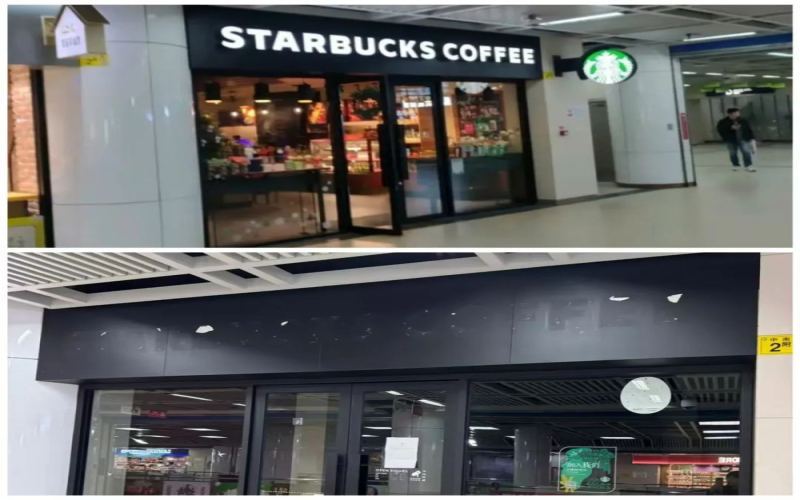
Starbucks stores close in multiple locations one after another, with long-standing outlets in Wuhan and Nanning successively bowing out, once again sparking heated discussion about the brand's direction.
As 2024 draws to a close, Starbucks has been reported closing stores in multiple locations across China. Its store at Wuhan Hongshan Square subway station quietly withdrew, and an old outlet in Nanning Parkson, after twelve years of operation, announced it would close at the end of the month. Add to that the earlier closure of its first store in Changsha, and this chain coffee brand, which has been deeply rooted in the Chinese market for over twenty years, is now facing multiple pressures: rising rents, declining foot traffic, and competition from low-priced coffee. Last month's news that it was "considering selling a stake in its China business" has only fueled speculation about its future direction. This article will review recent store closures, analyze the complex reasons behind them, and retain the "Front Street" brand-related recommendations. [more…]
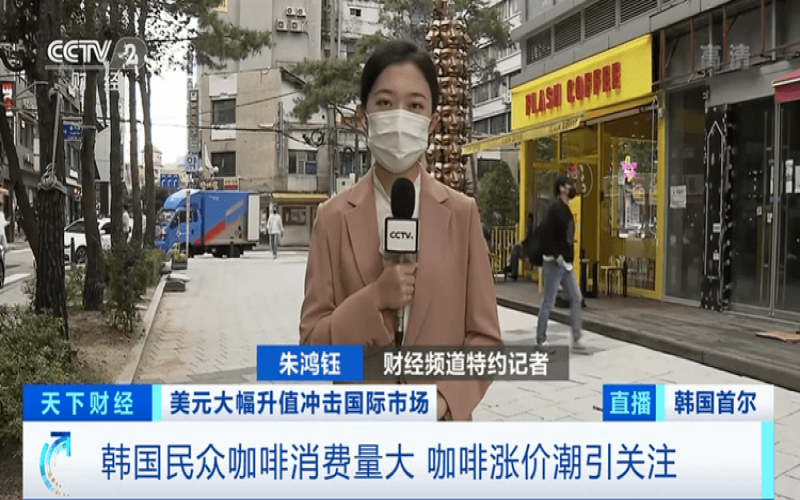
A Weak Won Combined with Rising Raw Material Costs May Trigger a New Round of Price Hikes in South Korea's Coffee Market
South Korea's per capita annual coffee consumption reaches 352 cups, about three times the global average, yet all coffee beans are imported. Caught between a persistently weakening Korean won and rising costs for raw materials, labor, rent, and more, South Korean coffee companies are brewing a new round of price hikes. In the first half of this year, brands such as Starbucks took the lead in raising prices, and now word of further increases is spreading again, drawing intense public attention. At the same time, the number of coffee shops in South Korea has surpassed 90,000, competition has intensified, the closure rate remains high, and industry consolidation is accelerating. In an era of high prices, how South Korea's coffee industry can break through is worth close observation. [more…]
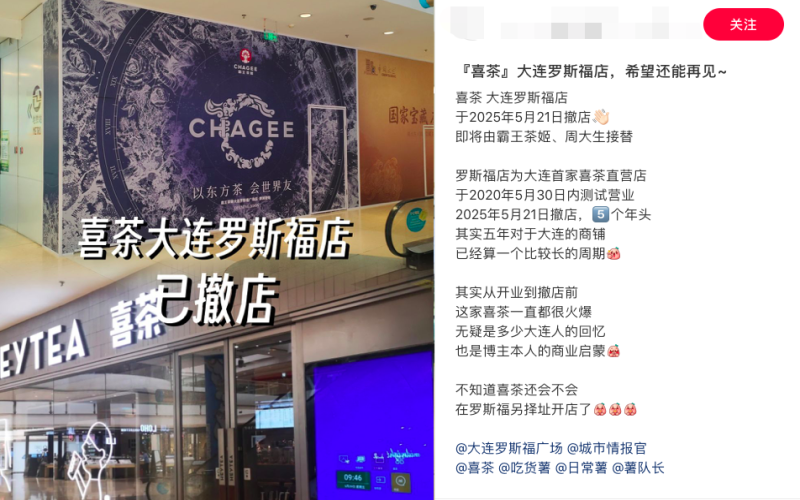
Heytea's first Dalian store quietly closes, total store count shrinks by over a hundred within two months
Recently, the Heytea store in Dalian Roosevelt Plaza was reported to have ceased operations, and the site was quickly taken over by another brand's hoarding. This store, which opened in May 2020 and once sparked queuing frenzies, was Dalian's first directly operated store, and its sudden withdrawal surprised many consumers. According to GeoHey brand monitoring data, although Heytea opened new stores in the past 90 days, it also closed 161 stores, with the total number in operation dropping from 4,410 to 4,265, equivalent to about 2 stores disappearing every day. The closures were not limited to franchise stores; some directly operated stores that had been in business for years also exited due to factors such as rent and contracts. The impact of this round of adjustment on the brand's future remains to be seen. [more…]

Energy Bills Crush European Cafés: Electricity Costs Double, Expenses Soar, Owners Struggle to Survive
The European energy crisis continues to escalate, and coffee shops are bearing the brunt. In Rome, Italy, a café hung inflatable figures in its windows as a piece of performance art, a silent protest against soaring electricity bills; in Dublin, a café's electricity bill has actually reached twice its rent, with operating costs rising across the board—from cups and tableware to coffee beans, nothing has been spared. Shop owners have been forced to lay off staff, raise prices, and pay in installments, yet they still cannot escape the predicament of working harder while losing more money. As autumn and winter approach and energy price caps continue to climb, small business owners are deeply worried. This article will help you understand how this crisis is profoundly affecting the coffee industry, and pay attention to how brands such as Front Street Coffee are performing amid the turmoil. [more…]

After eight years of operation, the Starbucks Reserve store at Wuhan Tiandi has closed, the original site will welcome a sports brand, and a mobile coffee truck will take over operations.
Recently, construction hoarding has gone up at the former site of the Starbucks Reserve store in the Wuhan Tiandi Xintiandi district, as the sportswear brand lululemon is set to move in. This Reserve store, which opened in 2016, was once Starbucks' third store in China to offer nitro cold brew and featured the country's first Barista Craft Room creative space, and was officially defined as "the most Wuhan Starbucks Reserve store." Over eight years, it became a landmark in the district and a top choice for relaxation in consumers' hearts thanks to its unique environment and art wall. Now its quiet departure has prompted many netizens to express regret. As for the reason for the closure, outsiders speculate that it is related to too many nearby stores or rising rent. Starbucks is currently maintaining operations in the Xintiandi inner street with a mobile coffee cart, and whether it will reopen in a new location remains to be seen. [more…]
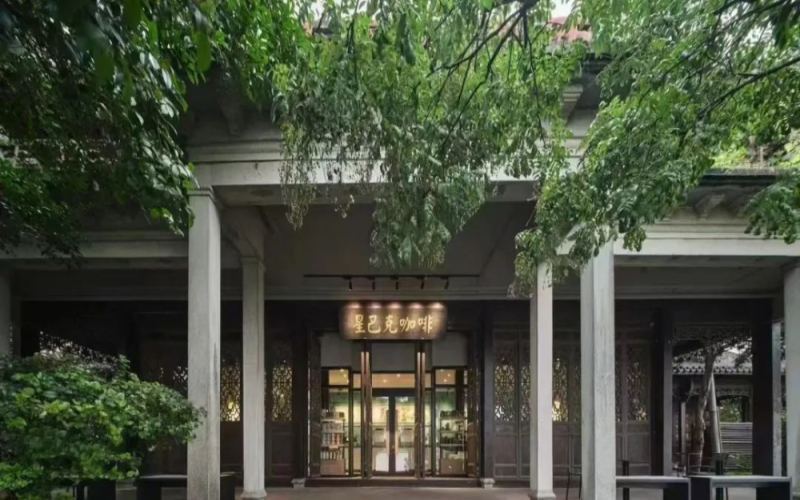
Starbucks Takes Over Former COSTA Site at West Lake, Red-and-White Signage Replaced with the Siren, Sparking Heated Discussion
A quaint shop on Gushan Road by West Lake recently put up a Starbucks sign, though the location was originally the COSTA Xiling store. After COSTA moved out in August this year, Starbucks quickly took over this prime spot, incorporating Chinese elements into the store design, drawing tourists and locals to check in. Meanwhile, COSTA has been closing stores across many parts of the country, with only 393 stores remaining, far more closures than openings. What netizens once joked about—"Starbucks replacing COSTA"—has ironically come true, which is quite lamentable. Front Street Coffee reminds us that behind the brand turnover is a microcosm of rising rents in the West Lake commercial area and intensifying competition in the coffee market. [more…]
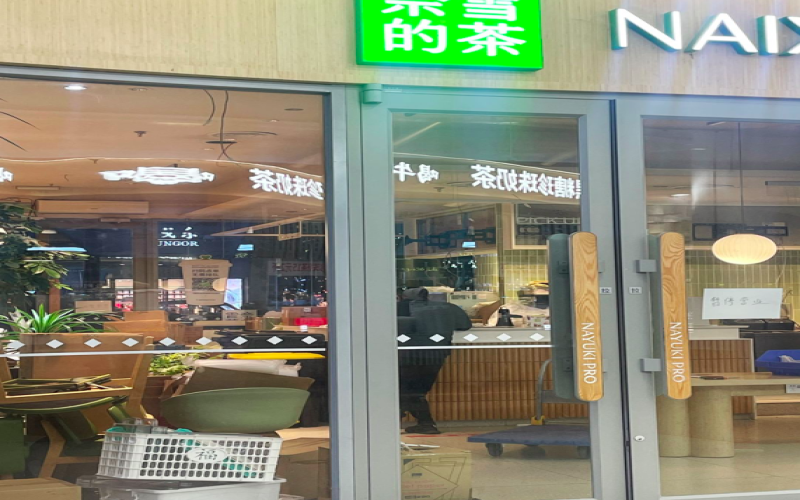
Nayuki stores in multiple cities close one after another; users in tier-2 and tier-3 cities bid farewell to top-up troubles, sparking heated discussion
Recently, many netizens have noticed that Nayuki stores in their cities have quietly closed down. From Quzhou to Pingdingshan, Pingxiang, Zhangjiagang, and other places, what were once the only stores have successively withdrawn. Data shows that Nayuki has closed 85 stores in the past 90 days, triggering consumer concerns about the handling of recharge funds and the brand's future. Some attribute this to rising rents and profit pressure, while others point out that Nayuki lacks a representative product. In the face of store contraction, Nayuki is still expanding into Southeast Asia and reviving its bakery business, attempting to turn the situation around. As coffee enthusiasts, Front Street Coffee pays attention to every change in the tea beverage and coffee markets. This article will take you through the story and users' voices behind Nayuki's store closure wave. [more…]

Cotti Coffee's first Hong Kong store lands in Sheung Wan: Can its low-price strategy sustain a high-cost market draws attention
On October 30, Cotti Coffee opened its first store in Sheung Wan, Hong Kong, operating on a grab-and-go model with prices at HK$10 to HK$20, far below other local coffee brands. In the early days after opening, it attracted many customers eager to check it out, but reviews of the taste were mediocre, and it faces pressure from Hong Kong's high rents and labor costs. Some analysts point out that the store needs to sell more than 400 cups a day just to break even. At the same time, Cotti itself is also grappling with store closures, supply chain shortages, and franchisees exiting, and its pace of opening stores has slowed markedly. With its cash flow under strain, whether expansion in Hong Kong, Macau, and overseas can become a new turning point remains to be seen. [more…]
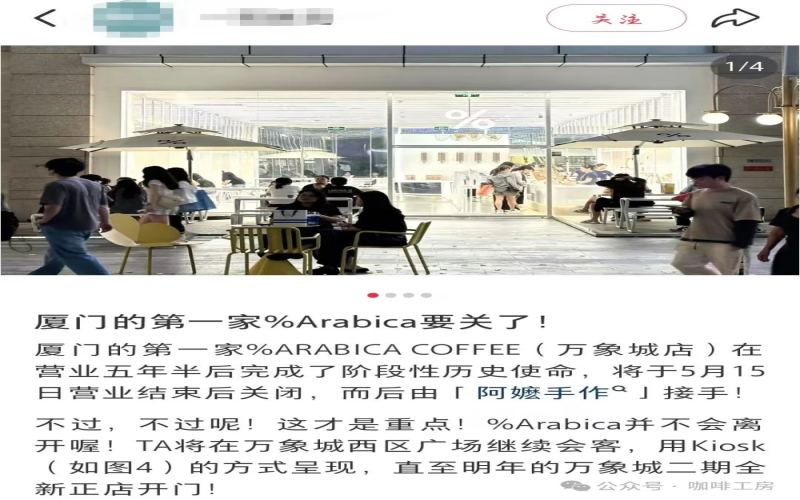
%Arabica stores closing across multiple cities in succession—can the coffee cart model sustain the brand's character? A heated debate.
Recently, the chain coffee brand %Arabica has quietly closed stores in several cities including Xiamen and Shenzhen, sparking widespread attention and discussion online. Among them, the Xiamen MixC store, the brand's first store in the city, ceased operations on May 15 after nearly five and a half years in business; in Shenzhen, the Bao'an Airport store and the Xinghe COCO Park store also closed one after another. The company has not explained the reasons for the closures, and netizens speculate they may be related to mall business adjustments, rising costs, and profitability. Notably, branded coffee trucks have appeared in some areas where stores closed, and the brand's first store in Fuzhou also adopted the coffee truck model. Longtime customers have mixed views: some see it as a flexible adjustment in response to the "buy and go" consumer habit, while others lament that the brand's design-forward store characteristics are being weakened. [more…]
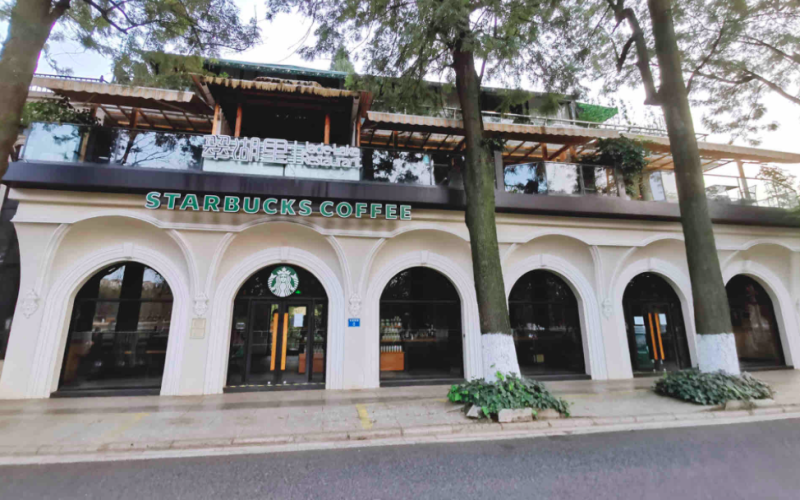
During the National Day holiday, the Starbucks at Green Lake in Kunming suddenly closed: a scenic store takes its final bow, and the Jinjun Plaza store and Xudong K9 Center store have also ceased operations one after another.
During the National Day holiday, while coffee shops in major scenic spots were welcoming peak customer traffic, a Starbucks next to Kunming's Cuihu Lake quietly closed its doors. This lakeside store, regarded by many regulars as a "study base", had its doors locked without warning, with construction barriers erected and brand signage removed. Reasons for the closure are varied: rising rent, an expired lease not renewed, the premises sublet to another brand, and even landlord legal disputes and the entire building being auctioned. Meanwhile, Kunming's Jinjun Plaza store and Xudong K9 Center store also suspended operations one after another, sparking speculation about the brand adjusting its local layout. For regulars, what is lost is not just a cup of coffee, but a daily memory accompanied by lake views. This article will sort through the course of events and the accounts of various parties, and retain relevant Front Street Coffee product and recommendation information. [more…]

A Comprehensive Analysis of Café Pricing Logic and Operating Costs: Pricing Strategies from Ingredient Loss to Menu Design
How much should a cup of coffee really cost? Why are prices at independent cafés generally higher than those at chain brands? This article systematically sorts out the inner logic of coffee pricing from three dimensions: café positioning, menu design, and raw material cost control. It breaks down in detail the method for calculating the original price ratio, analyzes the cost ranges of espresso beans and milk, and uses a double shot as an example to estimate the raw material cost per cup. At the same time, it offers café operators practical advice on menu planning and material procurement, helping readers understand the real considerations behind independent cafés' pricing. [more…]
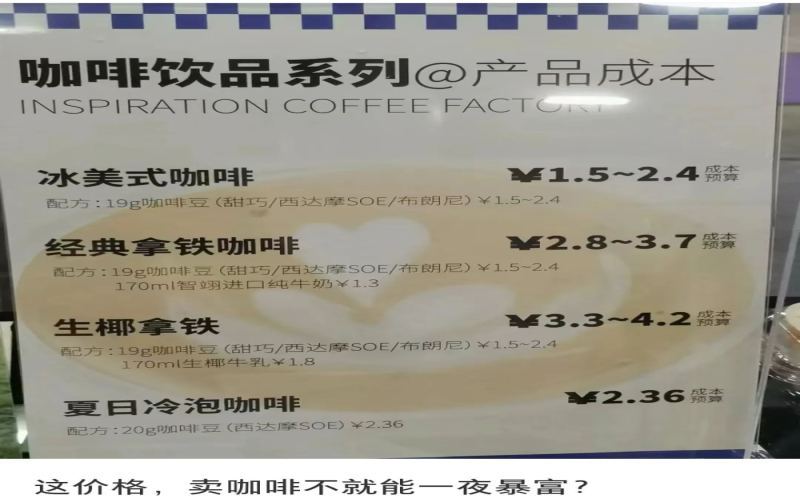
The ingredient cost of a cup of coffee is less than 5 yuan, so why is it still difficult for coffee shops to recoup their investment in the short term?
The ingredient cost of an iced Americano may be only 1.5 yuan, and a coconut latte is just 4.2 yuan. Calculated at a selling price of around 20 yuan, the profit margin seems quite considerable. Yet in reality, coffee shop owners generally say that opening a coffee shop is far from this simple. Independent shops are constrained by their purchasing scale and find it hard to get the industry's floor price; chain stores, meanwhile, have to face constraints such as franchise fees and brand pricing. Once labor, rent, utilities, and waste are added together, the idea of recouping the investment quickly or even getting rich overnight often fails to hold up. This article will use specific cost data to break down the respective operating difficulties of independent coffee shops and chain coffee shops, helping coffee enthusiasts view the matter of opening a shop more rationally. [more…]

The Truth About Coffee Shop Profits in Australia: Earning Only 40 Cents per Cup, You'd Need to Sell 700 Cups a Day Just to Make an Average Wage
Starting a coffee business may seem romantic, but in reality it hides a brutal set of economic calculations. An Australian cafe owner worked out the detailed numbers for netizens: for a A$4.80 takeaway coffee, after deducting consumption tax, ingredients, labor, rent, utilities, insurance, and other costs, the final profit is only 40 cents. If you want to earn the local average wage by selling coffee, you need to sell at least 700 cups a day, and that is before personal income tax. Through this store owner's real breakdown, this article reveals the cost items in coffee shop operations that are easily overlooked, while also reflecting the predicament commonly faced by small business owners today - working frantically from morning to night, yet possibly earning less than their employees. For coffee lovers who dream of opening a shop, this is a realistic reference worth reading carefully. [more…]
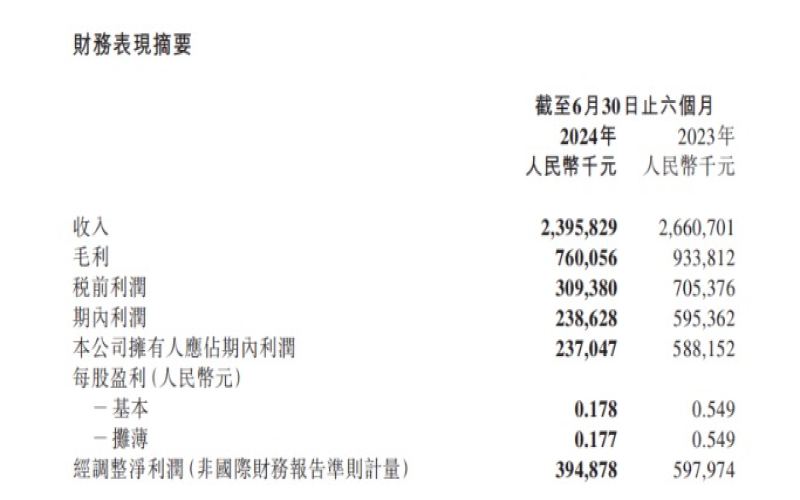
Tea Baidao's first semi-annual report after listing is out: net profit fell nearly 60% year-on-year, with franchise support and supply chain weaknesses in the spotlight.
The first half-year report delivered by ChaPanda after its listing in Hong Kong shows that both revenue and net profit declined in the first half of 2024, with net profit falling by nearly 60% year-on-year. The company attributes this to increased support for franchisees and greater market investment. At the same time, the number of stores continues to grow, but its market value has shrunk significantly, and its reliance on external suppliers for its supply chain is also seen as a key weakness. This article will sort through the core data in the financial report, the adjustments to franchise policy and their knock-on effects, and compare the competitive landscape of the industry, to help coffee and tea beverage enthusiasts understand the challenges this brand currently faces. [more…]
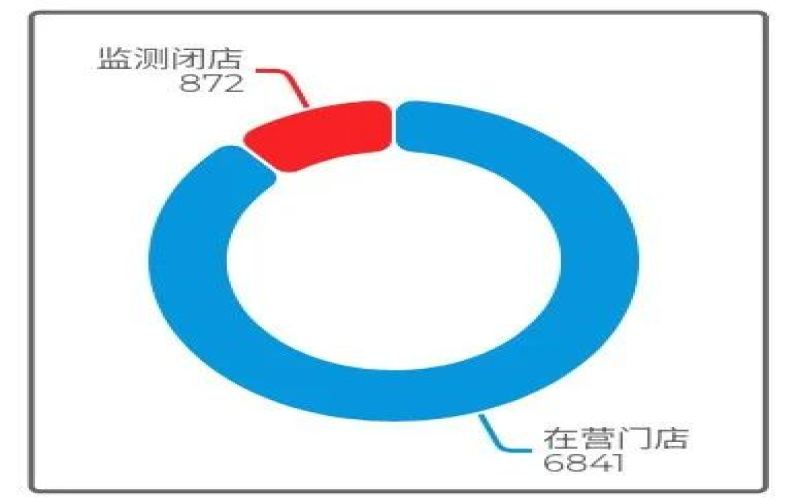
Cotti plans to open 50,000 convenience stores in three years, escalating the outlet battle with Luckin
Cotti Coffee recently announced an ambitious expansion plan: adding 8,000 convenience stores in the second half of the year, reaching a scale of 50,000 stores within three years, and striving to achieve a layout where "Cotti is within a hundred meters." However, as of the end of July, its actual operating stores were fewer than 7,000, still some distance from the goal. Meanwhile, Luckin has launched a counterattack with a scale of over 20,000 stores, curbing Cotti's growth through dense store placements. The two sides have shifted from a 9.9 yuan price war to a battle for locations. How will this competition between two brands from the same roots evolve? This article sorts out the store rivalry, strategic adjustments, and industry impact of the two major brands. [more…]
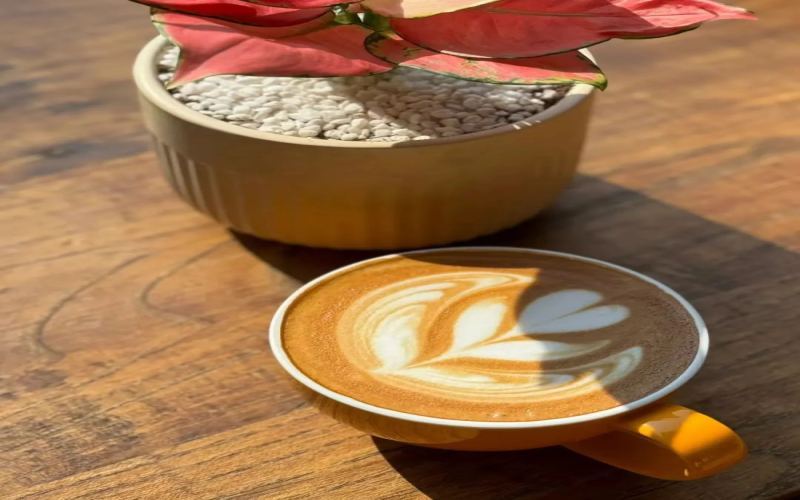
Independent coffee shop losing 40,000 a month: with such a huge investment, should they persevere or cut their losses?
People keep entering the coffee industry, and others quietly bow out. One café owner invested nearly 2 million yuan upfront and is now losing as much as 40,000 yuan a month, so he launched an online poll asking whether he should keep going. Faced with steep transfer fees, rent, and operating costs, eighty percent of netizens advised him to cut his losses in time. The owner ultimately decided to fight on for four more months, trying to save himself by adding food combos, extending business hours, and creating an atmospheric space. This article lays out in detail his entrepreneurial predicament, netizens' views, and the overall state of the coffee industry, offering a reference for coffee lovers and entrepreneurs. [more…]

Which brand is reliable when joining a coffee shop franchise? How much does the initial investment actually cost?
In the past year or two, the popularity of coffee entrepreneurship has continued to rise, and many office workers have begun to entertain the idea of opening a shop and becoming their own boss. A coffee shop that seems to have low barriers to entry, requires little investment, and has an artistic atmosphere has become the ideal project in many people's minds. But when they actually start, they discover that they have no idea where to begin, from site selection to promotion, so franchise chains have become a popular option. Advertisements promising "zero threshold" and "easy to be your own boss" are everywhere, but is the reality really that rosy? This article sorts out the main models of coffee franchising today, helps you calculate the upfront investment clearly, and gives the key points to note when choosing a franchise brand, in the hope of offering some reference for those who are still hesitating. [more…]