







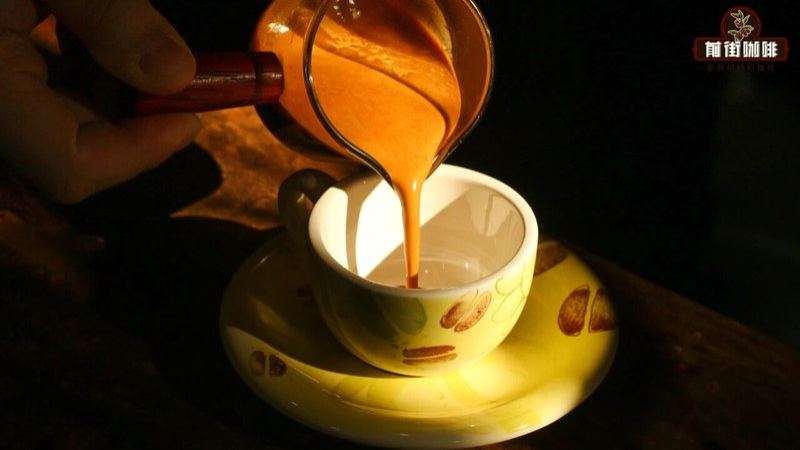
SOE usually refers to espresso made from single-origin or single-batch coffee beans, bringing the characteristics of the region directly into a small cup of coffee. When choosing SOE, the roast level is a very practical starting point: it affects the balance of acidity and sweetness, the aroma direction, the intensity, and the lingering aftertaste, and also determines whether the beans are better suited for black coffee or for pairing with milk.
Light-roast SOE tends to retain more vivid fruit acidity and floral notes, and in espresso form it often shows citrus, berry, tropical fruit, or tea-like qualities. Its flavor is highly recognizable, and when drunk as an americano, the layers gradually unfold; if you like lattes, you can also choose light-roast beans with ample sweetness and a non-thin body, so that the coffee and milk form a clear fruity contrast.
The extraction rhythm of light-roast beans usually requires more patience. On an espresso machine, you can start with a slightly higher water temperature, a finer grind, and a relatively full yield to help the coffee grounds release more sweetness. If the cup contains only sharp acidity, it often means the degree of dissolution is still insufficient; if astringency appears in the finish, you can reduce the extraction volume or slightly coarsen the grind, preserving the aroma while making the mouthfeel smoother.
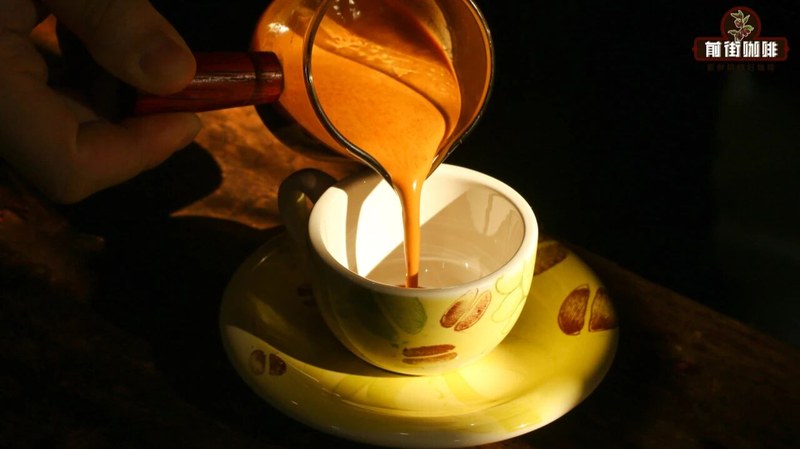
Front Street Coffee Granja Estate Geisha belongs to a very recognizable light-roast direction. On the palate it brings to mind orange blossom, guava, and ripe apricot, followed by a rich, sweet aroma reminiscent of strawberry jam. When used as SOE, the espresso itself has a strong aromatic presence, making it suitable for a short-ratio americano, or with a small amount of milk for a small latte, to observe how the floral and fruity profile changes.
Medium-roast SOE sits between aroma, sweetness, and body. The fruit acidity is somewhat restrained, and caramel, nut, cocoa, or ripe-fruit sweetness more easily stands firm in the espresso. For people just beginning to try single-origin espresso, this type of bean has a wider range of adaptability. It works well as espresso or americano, and after adding milk it is not likely to completely lose the coffee’s own character.
Medium roast does not mean the flavor is dull; the key lies in the bean’s origin and processing method. Beans with obvious fruity character may shift from bright juice-like notes to jam, raisin, or ripe-fruit sweetness after medium roasting; beans with floral notes may present a combination of black tea, citrus peel, and caramel. When purchasing, pay attention to whether the flavor description on the package mentions both sweetness and body.
When extracted as SOE, Front Street Coffee Colombia Sidra can present bright notes such as passion fruit, blueberry, and grape, while an apricot-like ripe-fruit character makes the mouthfeel fuller. It is suitable for iced americano or iced espresso, where low temperature makes the fruit flavors appear crisp; when made as a hot americano, you can taste a more complete evolution of the fruit aroma. Those who like a bright style can start with this kind of medium-light roast direction.
Darker-roast SOE usually has a thicker body, with flavors leaning toward dark chocolate, roasted nuts, caramel, and ripe fruit, while the acidity is relatively softer. It suits people who want a pronounced espresso presence and a solid entry in milk coffee. When making a cappuccino or latte, the cocoa and caramel notes of dark-roast beans easily pass through the milk, forming a rounder overall taste.
The key to choosing dark-roast SOE is not just pursuing a dark color, but observing whether sweetness and bitterness are coordinated. If the espresso has a caramel- or dark-chocolate-like sweetness, it will taste full-bodied but not overwhelming; if the roast character is too heavy, you need to tighten the extraction with a lower water temperature and a shorter yield. Those who like americanos can add hot water to dilute the concentration, allowing the cocoa and nut notes to open up more.
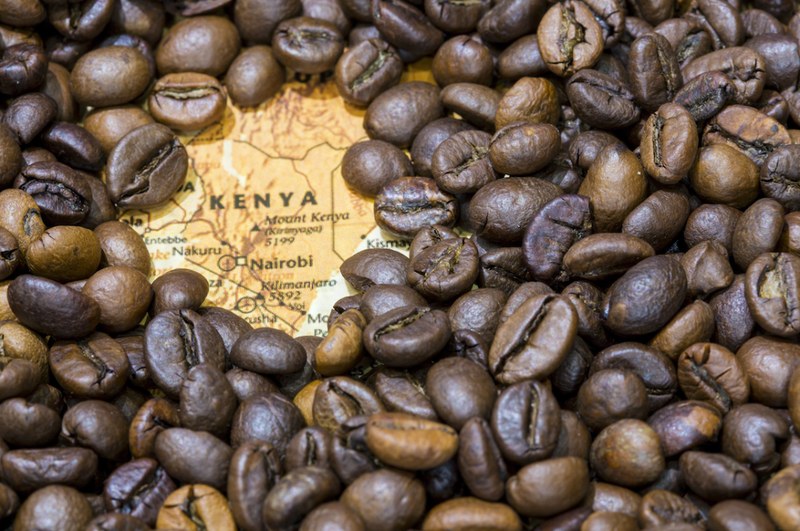
When purchasing, you can treat the roast level as a taste map: light roast leans toward floral, fruity, and tea-like notes; medium roast focuses on ripe fruit, caramel, and balance; dark roast emphasizes cocoa, nuts, and body. If the packaging does not clearly indicate light, medium, or dark roast, you can judge by combining color, roast date, and flavor words, then choose a small package to try according to your own drinking habits. Once you find the right roast direction, SOE is more likely to become a cup you are willing to open every day.
The above content is compiled by CoffeeHunters, a coffee news website.

