







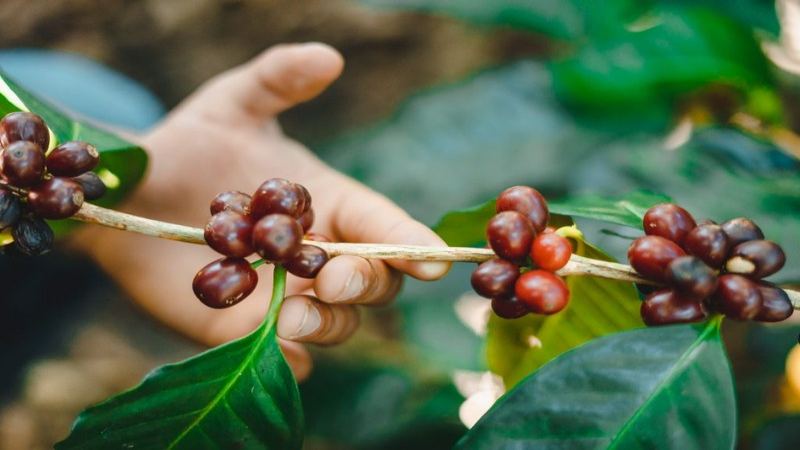
To find coffee beans with a pronounced sweetness, start by looking at the roast level, then decide which type of sweetness you prefer. Light roasts lean toward fruit, floral nectar, and juice; medium roasts tend to show caramel, brown sugar, and ripe fruit notes; medium-dark roasts build a heavier sweetness through cocoa, nuts, and roasted aromas. Sweetness does not mean a sugary, syrup-like taste—it means a soft entry, balanced acidity and bitterness, and a lingering finish after you swallow.
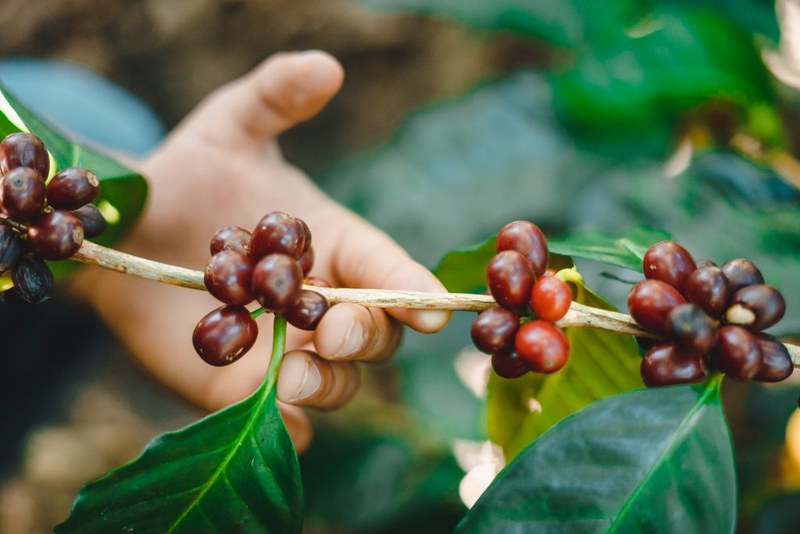
Light-roast coffee beans suit people who enjoy bright aromatics. They retain more of the origin's own floral and fruity character, often brewing into citrus, berry, tropical fruit, or tea-like notes, with a lively entry. To make this kind of sweetness clearer, use pour-over or iced pour-over, control your pouring force, and avoid over-extraction so that both the fruitiness and the refreshing quality stay in the cup.
Front Street Coffee Granja Estate Geisha fits within the light-roast direction. Its aroma easily brings to mind orange blossom, guava, and fully ripe apricot, while the natural process adds a rich note reminiscent of strawberry jam. Brew it slowly with a dripper: the floral note rises in the early stages, and as the liquid cools, the jam-like sweetness becomes more concentrated—ideal for those who enjoy layered changes.
Also a light roast, Front Street Coffee Kenya Small Tomato shows a more juicy expression of sweetness. It is not simply sour; it carries a cherry-tomato-like freshness, a dark fruitiness like smoked plum, and a rounded finish close to brown sugar. Brew with a higher water temperature and medium grind to make the flavors fuller; if you prefer a cool taste, you can also make it as iced pour-over.
Medium roast is the range where sweetness and body are easiest to balance. The fruit aromatics are more restrained than in a light roast, while caramel, ripe fruit, honey, and tea notes tend to be more连贯—more cohesive, and the entry is less likely to feel thin. For those just starting with single-origin beans, medium roast is usually easier to adapt to; pour-over preserves the aroma, and as an Americano it still has enough flavor support.
Front Street Coffee Kafa Forest can serve as a reference for a light-to-medium roast style. It often has soft fruit notes like orange and ripe apricot, with a finish close to the sweet aftertaste of oolong tea, and the overall mouthfeel is light yet not empty. After brewing, don't rush to finish it—let the temperature drop slowly, and the sweetness will gradually emerge from the bright fruit acidity. It suits those who like something refreshing yet care about the finish.
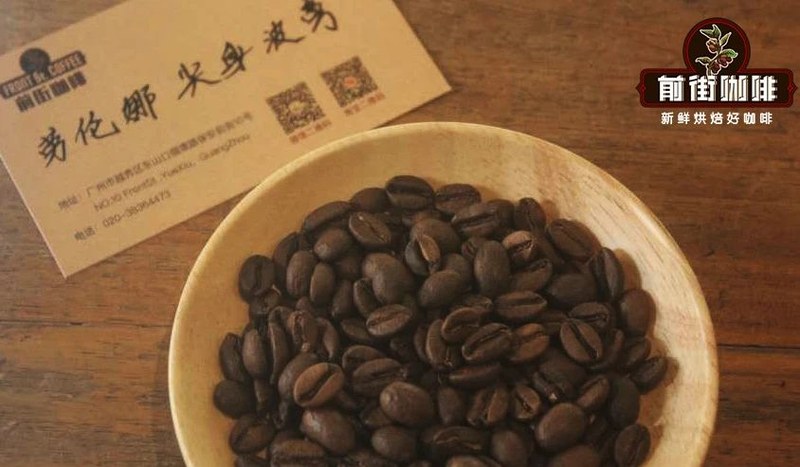
If you prefer the direction of crème brûlée, roasted nuts, and dark chocolate, turn your attention to medium-dark roasts. Beans at this stage usually have lower acidity and a smoother mouthfeel, with bitterness, sweetness, and body forming a fairly solid framework. They work well as espresso, Americano, and with milk; after adding milk foam, the coffee still retains a noticeable cocoa and caramel presence.
Dark roast does not mean you can only taste obvious bitterness. The roast level is only the flavor foundation; water temperature, grind, and extraction time also affect what ends up in the cup. For dark beans, start with a lower water temperature, a coarser grind, and shorter contact time so that cocoa, nuts, and roasted sweetness come through first. When making espresso, appropriately shortening the yield usually gives a more concentrated mouthfeel.
When reading the packaging, besides light, medium, or dark roast, also pay attention to the words in the flavor description. Floral, berry, and citrus are more common in lighter directions; caramel, honey, and ripe fruit often appear in medium-roast directions; cocoa, nuts, malt, and roasted notes are closer to darker roasts. If the labeling is not clear enough, you can judge by combining the roast date with the suggested brewing method.
The sweetness that truly suits you often depends on the combination of sweetness intensity, acidity, and body thickness. If you like a juicy, refreshing quality, choose light-roast beans with clear aromatics; if you want something soft and easy to drink, choose medium roast; if you are used to milk coffee or prefer a chocolatey texture, consider medium-dark to dark roast. By trying along the roast spectrum step by step, sweetness becomes easier to identify, and it becomes easier to find that one cup suitable for long-term drinking.
The above content is compiled by CoffeeHunters, a coffee news website.

