







Search Results for: research
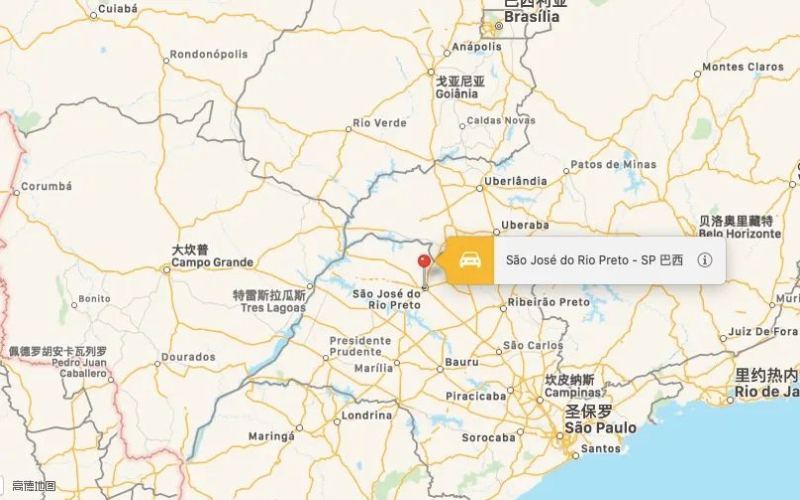
São Paulo State Plans to Transfer IAC Coffee Experimental Station and Germplasm Bank, Sparking Industry Concerns
The São Paulo state government in Brazil plans to sell a 7-hectare plot of land located in the state, which belongs to the Santa Elisa farm of the Campinas Agronomic Institute (IAC). This move has been strongly opposed by the IAC and the São Paulo State Association of Scientific Researchers. The farm hosts one of the world's largest coffee germplasm banks, preserving about 5,000 germplasm accessions, including the world's oldest Arabica coffee population. As one of the oldest agricultural research institutions in the world, the IAC's research achievements underpin 70% of the world's commercial coffee varieties. If the farm is sold, multiple coffee and crop research projects will be forced to halt, with far-reaching impacts on Brazil and the global coffee industry. [more…]
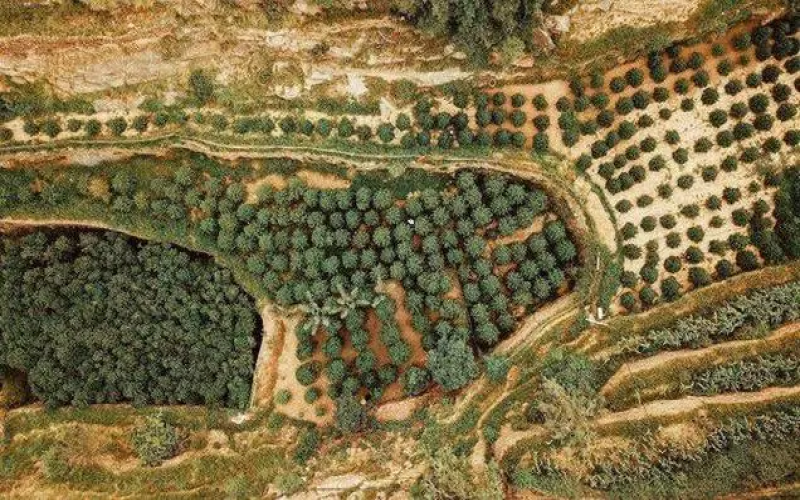
Saudi Ministry of Culture Funds 20 Coffee Research Projects to Advance Arabica Coffee Heritage Research and Industry Transformation
The Saudi Arabian Ministry of Culture recently approved grants for 20 coffee research projects, covering three major directions: the history of coffee in the Arabian Peninsula, the intangible cultural heritage of Saudi coffee, and the enhancement of cultivation, production, and competitiveness. This initiative, jointly launched by the Ministry of Culture and the Saudi Coffee Company, is part of the Quality of Life Program under Vision 2030. Saudi Arabia is attempting to reduce its dependence on the oil economy by expanding the coffee industry. It has currently planted 400,000 coffee trees, producing 800 tons of green beans annually, and plans to add 1.2 million more by 2026. Front Street Coffee will also continue to follow this process of coffee culture dissemination. [more…]
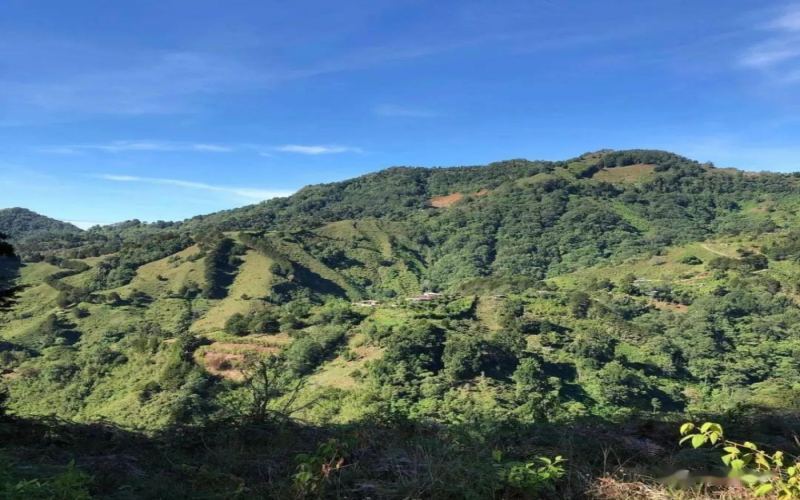
Brazil's IAC natural decaf coffee breeding enters a critical validation phase, with promising commercial prospects.
The natural decaffeinated coffee breeding program at Brazil's Campinas Agronomic Institute (IAC), which has spanned more than two decades, has now entered the stage of definitive verification. Researchers are cultivating and screening hybrid coffee plants derived from different varieties, with the goal of developing coffee varieties that are naturally low in caffeine or even caffeine-free without the need for industrial decaffeination. If this breakthrough ultimately comes to fruition, it will profoundly change the commercialization landscape of decaffeinated coffee in major markets such as the United States and Europe. According to forecasts by market research institutions, the global decaffeinated coffee market will reach US$28.86 billion by 2030, with young health-conscious consumers as the main driving force. Front Street Coffee will also continue to follow the subsequent progress of this transformative research. [more…]

Coffee grounds transformed into building material? Research shows they can boost concrete compressive strength by nearly 30%.
Every year, the world produces up to 60 million tons of waste coffee grounds, most of which end up in landfills, where they release carbon dioxide and methane as they decompose—and methane has 21 times the greenhouse effect of carbon dioxide. A research team at RMIT University in Australia tried pyrolyzing coffee grounds to replace part of the sand in concrete, and found that coffee grounds treated at 350 degrees Celsius and mixed into cement at a 15% ratio increased compressive strength by 29.3% compared with the standard formula. This technology not only finds a new outlet for coffee grounds, but can also reduce river sand mining and lower greenhouse gas emissions. However, the research is still at an early stage, and netizens have mixed views on its feasibility. [more…]
Exploring Costa Rican Coffee: ICAFE Research Institute, Variety Development, and Flavor Analysis of Canet Estate's Mozart
Although Costa Rica has a limited land area, it has become the world's fourteenth-largest coffee-producing country thanks to its fertile volcanic soil and long-term government support. This article traces the journey from the coffee defense institution established in 1933 to today's ICAFE research institute, outlining its role in advancing variety research and industrial upgrading, with a focus on disease-resistant breeding in cooperation with Starbucks and the birth of the Venecia variety. At the same time, the Musician Series Mozart from Canet Estate, which Front Street Coffee has acquired, uses a raisin honey process to present star fruit, berry acidity, and raisin sweetness. This article also shares its V60 brewing parameters and flavor performance. [more…]
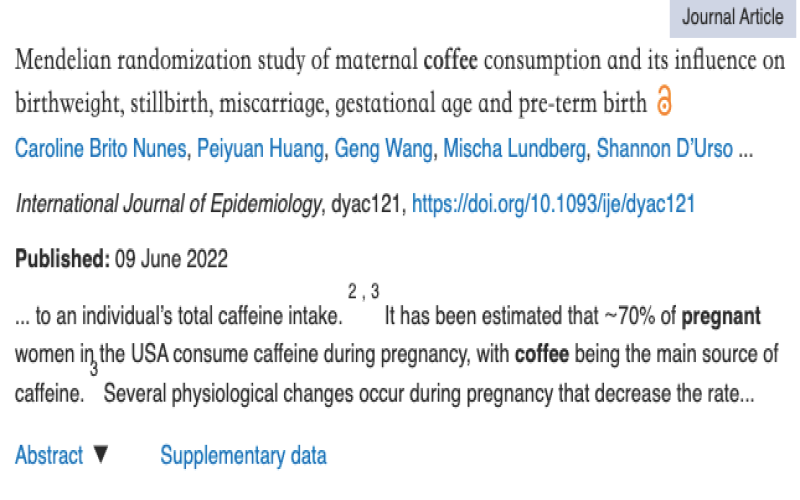
Can You Safely Drink Coffee During Pregnancy? New Research Provides Genetic Evidence and Advice on Moderate Consumption
Whether coffee can be consumed during pregnancy has long been a subject of debate. A team from the Institute for Molecular Bioscience at the University of Queensland published a Mendelian randomization study in the International Journal of Epidemiology, using genetic data to explore the causal relationship between coffee consumption during pregnancy and adverse pregnancy outcomes such as miscarriage, stillbirth, preterm birth, and low infant birth weight. The results suggest that, provided the body's condition allows it, moderate coffee consumption during pregnancy does not necessarily lead to adverse outcomes, but caffeine may still affect fetal development. This article will review the key findings of the study and offer practical advice on coffee consumption and caffeine intake during pregnancy, helping coffee lovers make safer choices. [more…]
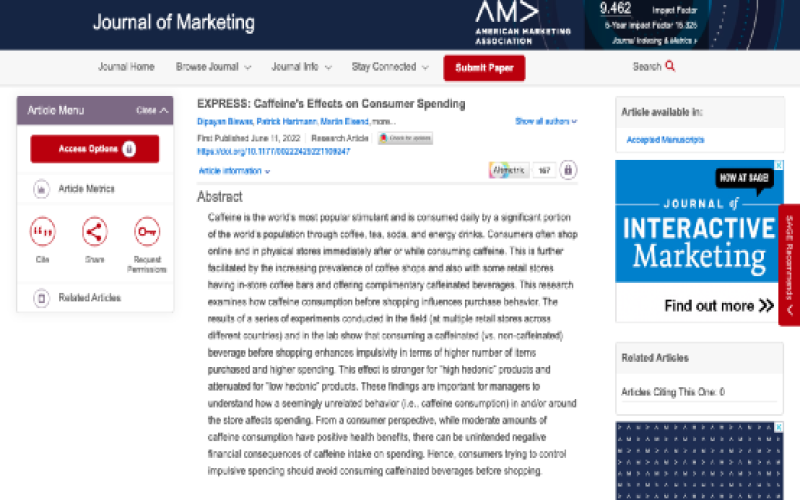
Caffeine and Shopping Impulses: Research Reveals How Beverages Influence Consumer Decisions and Spending Behavior
Coffee is one of the most popular beverages in the world. Not only can it refresh the mind, but it may also quietly change your shopping habits. A study published in the Journal of Marketing found that consuming caffeine before shopping significantly increases spending and the number of items purchased, especially non-essential goods. Researchers at the University of South Florida, through offline retail store and online laboratory experiments, revealed how caffeine affects impulse control by releasing dopamine. This article will explain in detail the design of the study, its results, and its implications for everyday consumption, while also reminding coffee lovers to be mindful of the potential financial effects while enjoying coffee. [more…]

Coffee Consumption and Irritable Bowel Syndrome Risk: Latest Research Reveals a 16% Reduced Association
Coffee is not just a pick-me-up beverage—in recent years, research has also found that it has potential benefits for the digestive system. A 2023 systematic review and meta-analysis published in the journal Nutrients, which included more than 430,000 participants, explored the association between coffee intake and the risk of irritable bowel syndrome (IBS). The results showed that, compared with non-coffee drinkers, people who drank coffee had a 16% lower risk of developing IBS. This protective effect may be related to the antioxidant and anti-inflammatory properties of components in coffee such as caffeine, polyphenols, diterpenes, and trigonelline. However, the effect of coffee on relieving IBS symptoms varies from person to person, and the study itself has observational limitations. This article will provide a detailed interpretation of this study and explore the possible effects of coffee on gut health. [more…]

Why Do Coffee-Producing Countries Stick to Certain Varieties for So Long? A Panoramic Analysis from the History of Leaf Rust to Laboratory Breeding
When you shop for coffee beans, have you ever noticed that certain origins always seem to grow just a few fixed varieties? Brazil, for instance, is dominated by Bourbon, while Jamaica Blue Mountain is inseparable from Typica. Behind this lies both the logic of variety dissemination and natural adaptation, as well as a chapter of coffee history rewritten by leaf rust. That devastating disease at the end of the 19th century forced many producing countries to turn to research on disease-resistant new varieties, leading to the establishment of national coffee research institutes. This article will walk you through the origins and development of common laboratory varieties such as Catuai, SL28, SL34, Ruiru 11, and H1, and how they became the mainstays of today's producing regions. It will also mention related beans selected by Front Street Coffee, offering you a practical buying reference. [more…]
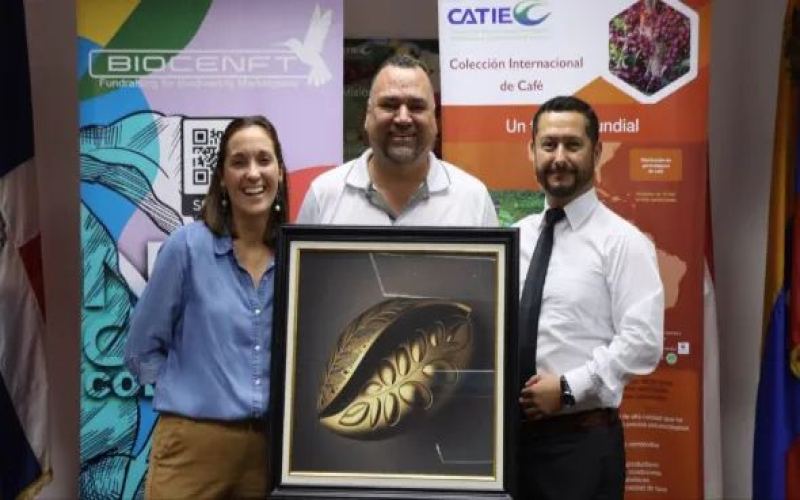
Costa Rica releases 12 coffee variety NFT artworks, with proceeds to be invested in coffee research and species conservation
The Specialty Coffee Association of Costa Rica (SCACR), in collaboration with the Tropical Agricultural Research and Higher Education Center (CATIE) and NFT marketing company BIOCENFT, has jointly issued 12 NFT digital artworks themed around coffee varieties. These works cover varieties such as Geisha, Wush-Wush, Mibirizi, and Java, and are divided into three tiers: Gold, Silver, and Standard, with prices ranging from US$20 to US$12,000. All proceeds from the sale will be used to support CATIE's international coffee collection, coffee breeding programs, and SCACR's daily operations. Under the framework of the global strategy for the conservation of coffee genetic resources, whether this cross-sector experiment can inject new vitality into Costa Rica's coffee industry is worth watching. [more…]

What Happens to People Who Drink Iced Americano Coffee Long-Term? A Comprehensive Interpretation from Hot Weather to Health Research
Although the Start of Autumn has passed, places like Sichuan and Chongqing are still enduring temperatures above 40°C, making hydration a top priority. Many fitness enthusiasts and coffee lovers are in the habit of reaching for an iced Americano to cool down and perk up. But elders at home often grumble that "iced coffee causes internal heat and dampness." Is there any basis for these claims? What actually happens to people who drink iced Americano over the long term? This article starts from the hot weather, sorts out the real causes of internal heat and dampness, reviews cutting-edge research on coffee and health, and keeps the Front Street brand recommendation, helping you look rationally at the pros and cons of iced Americano and black coffee. [more…]
Under the double assault of climate stress and disease, Indonesia's coffee production is declining—can the Komasti resistant variety break through?
In recent years, Indonesia's coffee industry has faced severe challenges under the dual pressures of climate change and farm pests and diseases. The USDA Foreign Agricultural Service predicts that Indonesia's coffee exports will decline by 32% year-on-year in 2023/24. Previously, excessive rainfall disrupted coffee fruit development, leading to a sharp reduction in yield; now, high temperatures and drought are accelerating the spread of pests and diseases, restricting tree growth and further causing coffee supply shortages. Faced with this situation, the Indonesian Coffee and Cocoa Research Institute (ICCRI) continues to seek solutions through agricultural research, including the introduction of the disease-resistant and high-yielding Komasti Arabica variety. In 2022, ICCRI partnered with the World Coffee Research Institute to establish a demonstration plot in West Java to showcase the variety's performance to local farmers. Front Street Coffee is paying attention to this important development in Indonesia's coffee industry, and this article will review the research and development background, current promotion status, and future potential of the Komasti variety. [more…]

Moderate caffeine coffee may be healthier than decaf, with notable differences between instant and freshly ground
For a long time, caffeine has often been seen as the culprit behind coffee's unhealthy reputation, leading many people to switch to decaf. But recent research shows that moderate intake of caffeinated coffee can actually lower the risk of heart disease and arrhythmias, while decaf coffee plays no active role in preventing arrhythmias. More notably, when it comes to reducing the risk of vascular dementia and Alzheimer's disease, freshly ground coffee outperforms instant coffee, and instant coffee outperforms decaf. Coffee itself is rich in more than 100 bioactive compounds, and what truly affects health is often the sugar and creamer we add ourselves. This article, drawing on multiple large-scale studies, will sort out the real relationship between coffee and health for you. [more…]

Italy develops a wearable tasting helmet to objectively quantify the sensory emotions of coffee through physiological signals.
As the 2024 WBrC World Brewers Cup came to a close, curiosity was once again piqued about what judges feel inwardly when tasting coffee. A team from Italy's National Research Council has designed a tasting helmet that, through wearable sensors such as electrocardiogram, galvanic skin response, and electroencephalogram, transforms abstract emotions like pleasure and disgust during coffee tasting into biomedical data. This technology is expected to assist the SCA coffee value assessment system, reduce subjective bias, and open up new perspectives for coffee sensory analysis. At present, the helmet still needs refinement, and there are plans to work with professional tasters to advance its practical application. [more…]
Philippine Coffee Industry Achieves Breakthrough: ACDI/VOCA Partners with WCR to Complete Five-Year Project, Legally Introduces New Arabica Varieties for the First Time
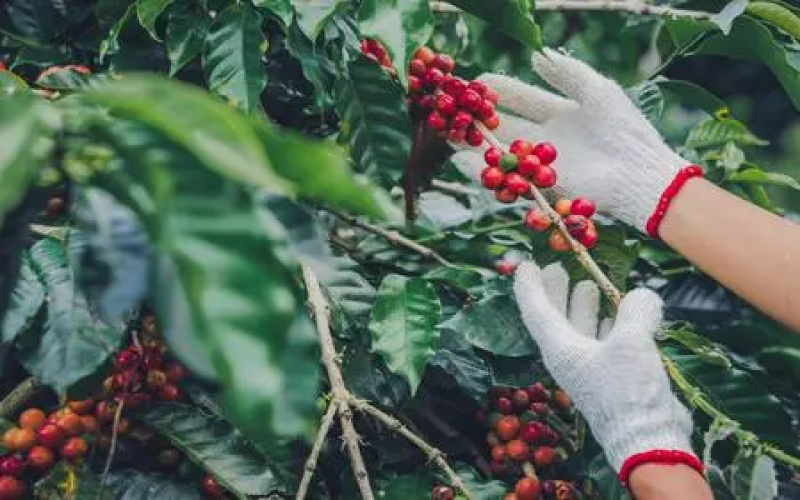
Recently, the five-year Philippine Coffee Advancement and Farm Enterprise (PhilCAFE) project, funded by the United States Department of Agriculture and implemented through a partnership between ACDI/VOCA and World Coffee Research (WCR), has officially concluded. Launched in 2019, the project aimed to improve coffee production and quality, empower farmers, and support the skills development of national researchers and producers. The project legally introduced new Arabica varieties to the Philippines for the first time, established 18 on-farm technical trials and 2 coffee variety trial sites, paving the way for innovation in the Philippine coffee industry. Front Street Coffee notes that this initiative is expected to help the Philippines cope with climate change-induced yield declines and provide farmers with more high-yielding, climate-resilient, and pest- and disease-resistant variety options. [more…]

Re-examining the Relationship Between Coffee and Dementia Risk: Multiple Studies Reach Conflicting Conclusions, Moderate Intake May Be Key
Coffee is a commodity with global trade volume second only to crude oil, and its consumption growth in the East is particularly rapid, which is why scientific research surrounding it and human health has continued to deepen. Interestingly, the conclusions of related studies are not consistent: some have found that drinking coffee can slow cognitive decline, while others suggest that excessive consumption may shrink brain volume and increase dementia risk. This article reviews several representative cohort studies from around 2021, involving findings from Edith Cowan University in Australia, Tianjin Medical University, and the University of South Australia, attempting to clarify the complex associations between coffee intake and Alzheimer's disease and stroke, and to explore the relationship between the number of cups consumed daily and the safe upper limit of caffeine. [more…]
Why do some origin places only produce a fixed number of coffee varieties?
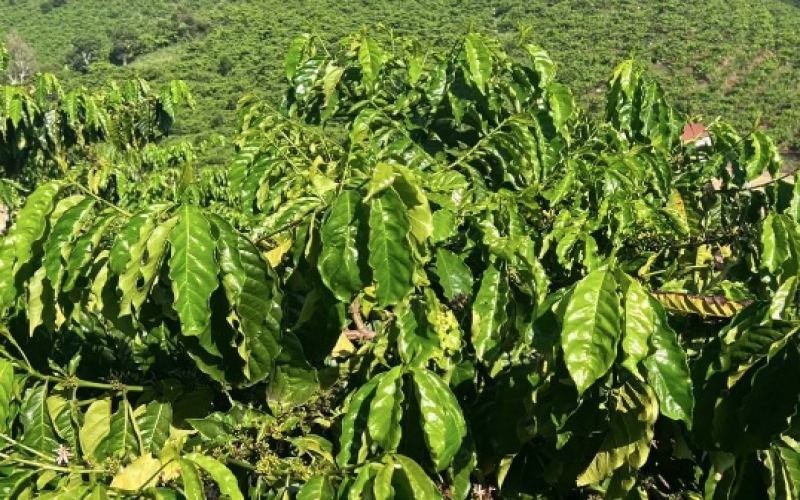
At present, some coffee-producing countries basically only produce a few fixed coffee varieties, such as Brazil mainly produces Bourbon, and Jamaican Blue Mountain mainly produces Typica, etc. In fact, in many cases, it is due to the spread of coffee [more…]

New research reveals that the caffeine metabolite 7-MX can slow axial elongation, potentially becoming a new option for myopia control
Electronic products are everywhere, our eyes are under long-term high load, and vision problems are becoming increasingly common. About 30% of the world's population is currently affected by myopia, and this proportion is expected to climb to 50% by 2050, with the share of high myopia not to be ignored. A recent study published in the British Journal of Ophthalmology found that the caffeine metabolite 7-MX can inhibit axial elongation in the human eye, thereby potentially slowing the progression of myopia. Based on more than two decades of medical records for 711 children in Denmark, the study offers a new potential drug direction for myopia prevention and control. This article will explain in detail the study's findings, data, and limitations, and discuss the future application prospects of 7-MX. [more…]
World Coffee Research releases Arabica SNP genetic fingerprint database covering 23 common varieties.
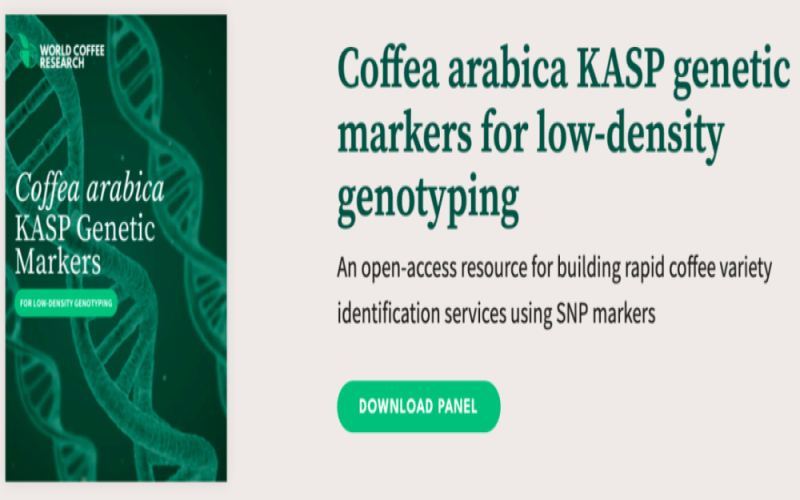
The World Coffee Research (WCR), in collaboration with the Swedish laboratory Intertek Agritech, collected samples of common Arabica varieties in Latin America and Africa, successfully constructing a reference database based on SNP fingerprints. This database currently covers 23 varieties and is open to the public free of charge, aiming to address the long-standing issue of variety misidentification in the coffee industry caused by the high cost of genetic testing. Through simple leaf collection and genotyping, producers can verify the genetic purity of coffee trees at low cost, avoiding economic losses caused by variety mismatches. WCR plans to continue expanding the number of varieties in the future, promoting variety identification and protection in the coffee supply chain. [more…]
New findings on coffee and lifespan: colorectal cancer patients may benefit most from four cups daily, while moderate consumption also benefits the general population
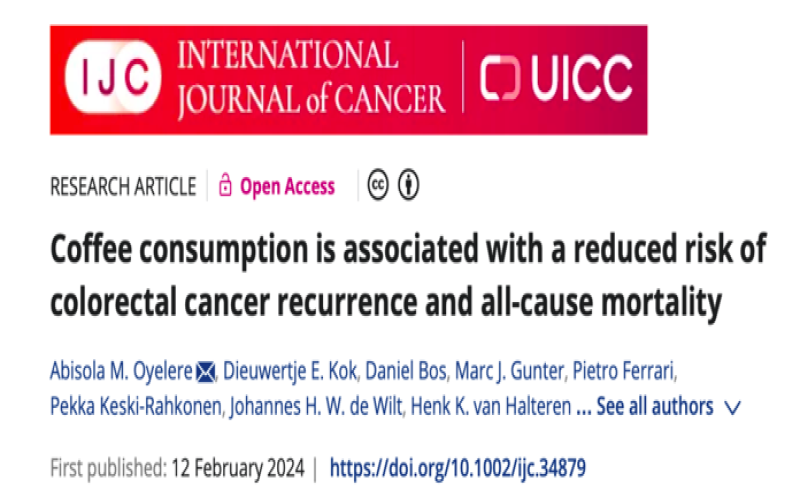
Coffee is no longer just a pick-me-up; health research around it keeps emerging. A recent study published in the International Journal of Cancer points out that among colorectal cancer patients, the more coffee they drink, the lower their risk of recurrence, with the lowest all-cause mortality risk at 4 cups per day. Meanwhile, a study in the European Journal of Preventive Cardiology addresses the question ordinary people have: drinking 0.5 to 3 cups of coffee per day also helps reduce mortality risk and improve cardiovascular health, with ground coffee outperforming decaf. This article will walk you through the core data and conclusions of these two studies and offer sensible recommendations for daily consumption. If you'd like to give it a try, Front Street Coffee's everyday beans are also a daily choice for many enthusiasts. [more…]