







Search Results for: regional differences
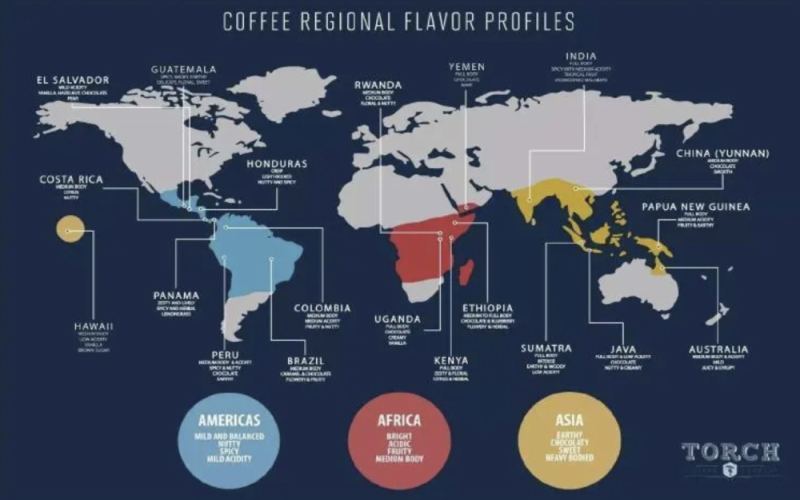
Global Coffee Bean Producing Regions Explained: An Overview of Coffee Belt Climate Characteristics and Flavor Differences Across Three Continents
The growth of coffee trees has strict requirements for the natural environment. The world's major coffee-producing regions are concentrated in a narrow strip between the Tropic of Cancer and the Tropic of Capricorn, known in the industry as the Coffee Belt. This region spans Africa, Central and South America, and Asia, with an average annual temperature above 20 degrees Celsius, warm weather year-round, frost-free winters, abundant sunshine, and ample rainfall, providing ideal growing conditions for coffee trees. Even coffee of the same variety, when grown in different countries or regions, can present completely different flavors in the cup—differences in altitude, climate, and soil give each bean its own unique regional imprint. Front Street Coffee has repeatedly verified this pattern in daily cupping sessions. Starting from the characteristics of producing regions across three continents, this article will sort out their respective flavor trends and representative coffee beans. [more…]
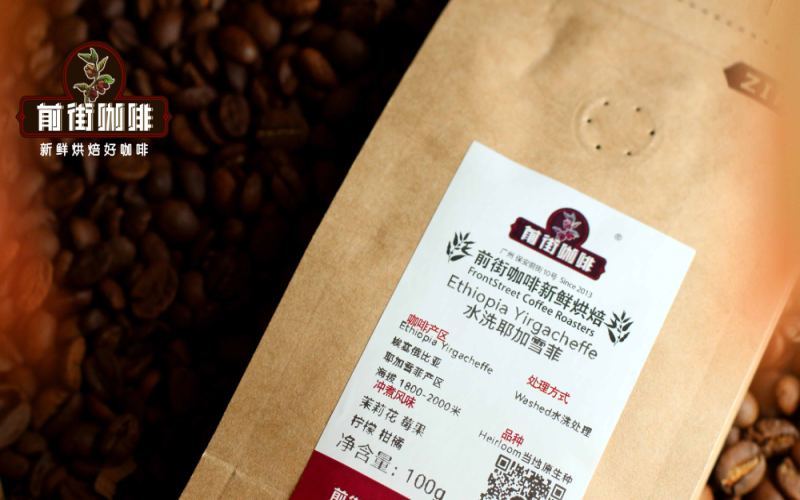
Are Hualkui and Yirgacheffe the Same Coffee? Analyzing the Flavor Differences Between Two Major Ethiopian Producing Regions
Ethiopia, as the birthplace of coffee, has nurtured many renowned coffee-producing regions, among which Yirgacheffe and the much-followed Huakui in recent years are often confused by enthusiasts. From the perspective of Front Street Coffee, this article provides an in-depth analysis of the regional backgrounds, variety relationships, and flavor characteristics of these two coffee beans. The article first introduces Ethiopia's cultivation patterns and main producing regions, then details the Huakui from the Guji region of Sidama and the Gudingding from the town of Yirgacheffe, covering altitude, processing methods, flavor descriptions, and brewing suggestions. Through comparison, readers will clearly understand that although Huakui and Yirgacheffe both belong to Ethiopia, they present completely different coffee experiences due to differences in regional terroir and processing methods. [more…]
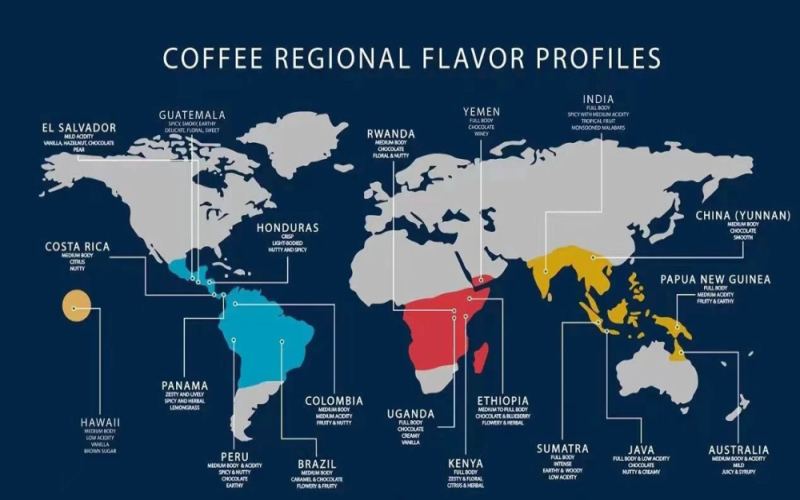
Coffee Region Basics: Flavor Differences and Representative Beans of the African, Central and South American, and Asian Coffee Belts
The Coffee Belt refers to the tropical and subtropical regions where the average annual temperature exceeds 20°C, with warm seasons year-round, frost-free winters, abundant sunshine, and ample rainfall—conditions highly favorable for coffee tree growth. Even among coffees, beans from different origins vary enormously in flavor; even the same variety grown in Panama and neighboring Costa Rica will perform differently. Flavor differences are not only related to variety—altitude, climate, and soil also profoundly influence the formation of coffee flavors, allowing one to identify the origin with a single sip. Front Street Coffee has found in daily cupping sessions that African beans typically have brighter acidity, Central and South American beans have more layered flavors with softer acidity, and Asian beans are full-bodied and steady, with strong taste and low acidity. This article will combine several representative beans from Front Street Coffee to analyze the flavor characteristics of the three major origins. [more…]
A Complete Analysis of the Flavor Differences Between Yirgacheffe and Sidamo Coffee: Regional Characteristics and Front Street Coffee's Popular Bean Recommendations
Ethiopia's Yirgacheffe and Sidamo are the two major regions most often compared in the specialty coffee world. Though they lie within the same country, differences in altitude, soil, climate, and variety give them distinctly different flavor profiles. Yirgacheffe is known for its citrus acidity and delicate floral aromas, while Sidamo is celebrated for its berry notes, fermented flavors, and diverse terroir. This article examines the differences between the two—from regional geography and representative bean varieties to processing methods and brewing recommendations—and recommends several popular Front Street Coffee beans to help coffee lovers more clearly choose the cup that suits their taste. [more…]
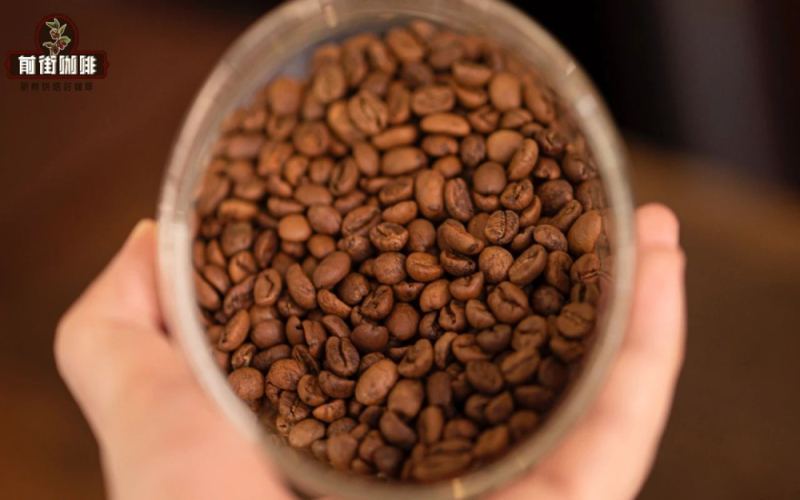
Exploring the Guti Guti region of Yirgacheffe: A full analysis of the flavor differences between natural and washed processing methods
Yirgacheffe is one of Ethiopia's most iconic specialty coffee regions, renowned worldwide for its bright, citrus-lemon-like acidity and clean, translucent cup. But many people don't know that beyond the classic washed processing method, the naturally processed coffee beans from Yirgacheffe are equally stunning. Front Street Coffee will take you deep into the cultivation stories of the Guttiti/Gedeb regions, systematically compare the processing workflows, pros and cons, and flavor differences of natural and washed methods, and use two coffees—Yirgacheffe Natural Red Cherry and Washed Gedeb—as examples to share practical roasting and brewing data, helping coffee lovers gain a more comprehensive understanding of the unique charm of this high-altitude region. [more…]
What is the difference between Mandheling and Golden Mandheling? An analysis of the flavor and taste characteristics of Mandheling pour-over coffee.
Mandheling coffee is hailed as the representative of specialty coffee in Asia, while Golden Mandheling attracts much attention for its higher price. Both originate from the island of Sumatra in Indonesia, so why is the price gap so wide? This article systematically sorts out the core differences between Mandheling and Golden Mandheling, from the origin of the name Mandheling, the way Indonesian production regions are defined, and the classification of export grades, to the evolution of the Lintong and Aceh production regions. At the same time, combined with pour-over extraction, it introduces the flavor and taste characteristics of Mandheling, and recommends Front Street Coffee's Mandheling and Golden Mandheling products, helping coffee enthusiasts build a clear understanding. [more…]
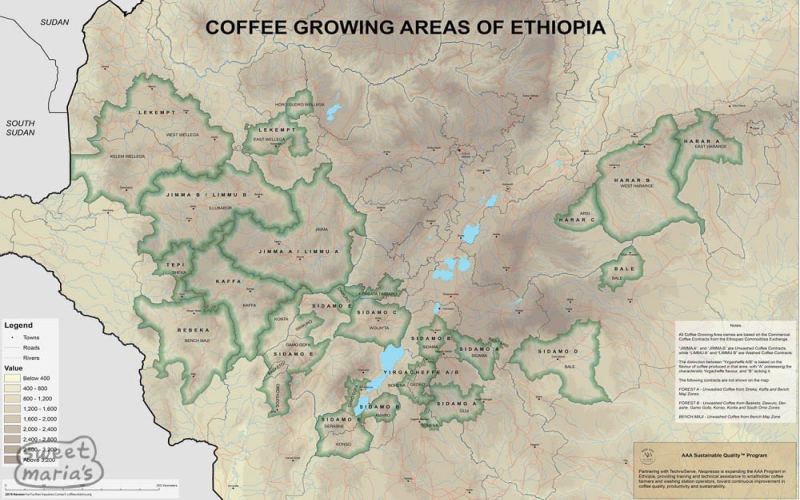
Ethiopian Coffee Regions, Brands & Grading Guide: Yirgacheffe, Sidamo, Harar Flavors and Washed vs Natural Differences
Ethiopia is the birthplace of Arabica coffee, and within its borders lie well-known regions such as Sidamo, Harar, and Yirgacheffe, extending further into specialty micro-regions like Limu, Djimmah, Lekempti, Bebeka, and Wellega. Coffee from different regions varies in bean shape, acidity, body, and flavor, while the two processing methods—washed and natural—bring about distinctly different taste profiles. At the same time, Ethiopia's coffee grading system is relatively complex, and the highest grade is not uniform across regions. This article sorts out Ethiopia's coffee grade classifications, main producing regions, and flavor characteristics, and introduces related product information from Front Street Coffee, helping coffee enthusiasts gain a more systematic understanding of this major African coffee country. [more…]
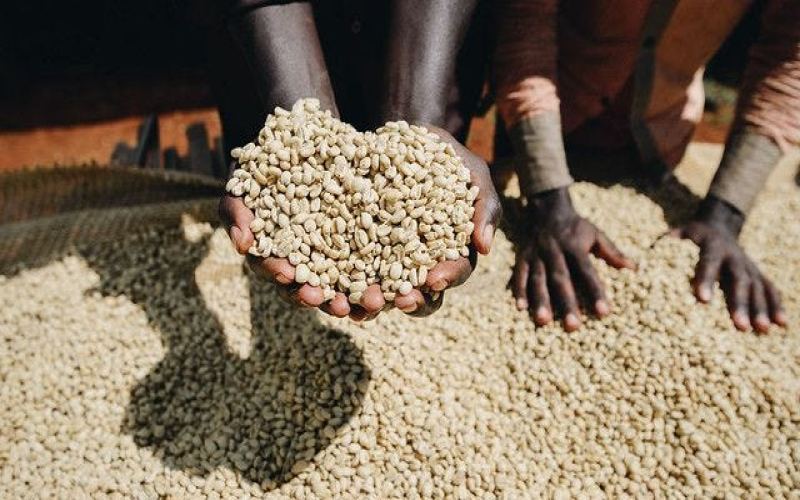
Analysis of the Differences Between Ethiopia's Sidamo and Yirgacheffe Coffee Regions and a Comparative Flavor Analysis of Front Street Coffee's Natural Process Beans
Ethiopia, as the birthplace of coffee, is home to many renowned producing regions, among which Sidamo and Yirgacheffe are the most prominent. Yirgacheffe was originally part of the Sidamo region but was separated out due to its distinctive citrus-lemon acidity. From the perspective of Front Street Coffee, this article systematically examines the geographical environment, processing method evolution, and flavor characteristics of Sidamo and Yirgacheffe across three dimensions: region, variety, and processing method. It also provides a detailed comparison of the roasting curves and pour-over parameters of two coffee beans—Front Street Sun-Dried Yirgacheffe Aricha and Front Street Sun-Dried Huakui—to help coffee enthusiasts gain a deeper understanding of the differences and charm of these two regions. [more…]

A Complete Flavor Analysis of Ethiopian Sidama Coffee: Washed vs. Natural Differences, Guji Hambela and Arsi Characteristics
Sidamo is an important specialty coffee region in the southern highlands of Ethiopia, known for its diverse flavors and natural-process beans. This article begins with a comparison between Sidamo and Yirgacheffe, sorting out the differences in aroma, acidity, and mouthfeel brought about by washed and natural processing; reviews the smallholder farming and cooperative model of Ethiopia's coffee industry; and further extends to the Guji Hambela sub-region and the story of how "Huakui" rose to fame, as well as the current development status of the West Arsi region. The article also includes Front Street's brewing parameter recommendations for Sidamo coffee, along with flavor descriptions of beans such as natural West Arsi and Huakui 5.0, making it suitable for enthusiasts who want a systematic understanding of Ethiopia's coffee regions. [more…]
A Complete Analysis of Ethiopian Coffee Flavors: From Regional Terroir to the Cup Differences Between Yirgacheffe and Sidamo
Ethiopia, the birthplace of Arabica coffee, nurtures strikingly diverse flavor profiles thanks to its varied terrain and climate. From the intense berry notes of Sidamo to the fresh white floral aromas of Yirgacheffe, the differences among regions and processing methods are what drive coffee lovers to keep exploring. This article will outline the flavor characteristics of Ethiopia's main producing regions, review the rise to fame of the Huakui coffee beans, and introduce in detail the Gudingding and Red Cherry, two Yirgacheffe offerings from Front Street Coffee's everyday drinking series, along with practical pour-over parameter recommendations to help readers understand the appeal of Ethiopian coffee more systematically. [more…]
A Complete Analysis of the World's Top Ten Coffee Producing Regions: From Brazil to Guatemala, the Flavor Differences Between Mandheling and Blue Mountain Explained Once and for All
The golden coffee-growing belt spans the Tropics of Cancer and Capricorn. The climate, terrain, altitude, and processing methods of different producing countries give coffee beans vastly different flavor personalities. In this article, Front Street Coffee will guide you through the world's top ten coffee origins—from Brazil's balanced sweetness and Costa Rica's honey-processed sweetness, to Indonesia Mandheling's rich herbal aroma and Jamaica Blue Mountain's clean elegance, and on to Ethiopia's floral and fruity notes and Kenya's cherry tomato-like acidity. It will also answer a question many enthusiasts care about: which is actually better-tasting, Mandheling or Blue Mountain coffee beans? The two have completely different styles and suit different taste preferences, and after reading this article you will have a clearer judgment. [more…]
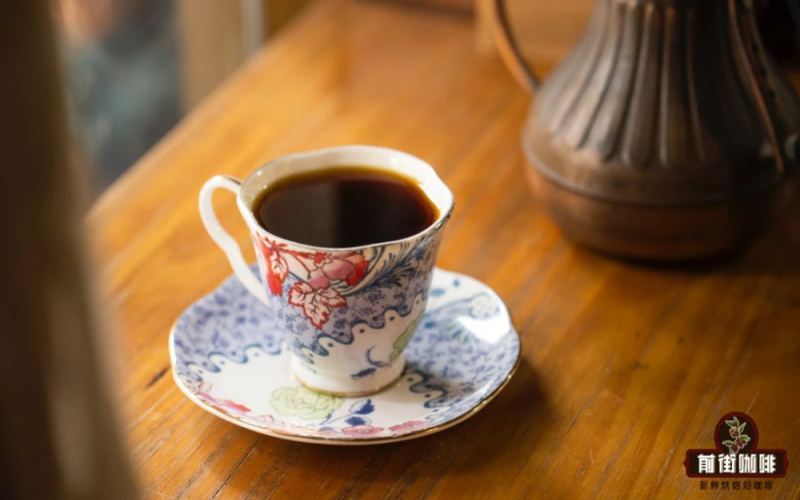
Tracing the Origins and Processing Methods of the Yirgacheffe Coffee Region: Washed vs. Natural Differences and Pour-Over Parameter Reference
Yirgacheffe is a specialty coffee region well known to coffee enthusiasts worldwide, celebrated for its bright citrus-lemon acidity and white floral aromas. This article explores three dimensions—the region's history, varieties, and processing methods—to trace how Yirgacheffe grew from a sub-region of Sidamo into a renowned coffee origin, and offers a detailed comparison of the washed and natural processing methods in terms of their procedures, advantages and disadvantages, and flavor differences. The article also draws on Front Street Coffee's roasting and brewing practices to share the specific parameters and flavor profiles of two coffee beans—Yirgacheffe Natural Red Cherry and Washed Gudingding—providing coffee lovers with a complete reference spanning from understanding the origin to putting it into practice in the brew. [more…]

How to Choose Coffee Beans for Beginners? The Difference Between Dark Roast and Light-Medium Roast, Plus Front Street Coffee's Recommended Everyday Beans from Major Regions
Friends who are just getting into coffee often struggle with the same question: for a beginner, should you choose dark-roasted or light-to-medium-roasted coffee beans? In fact, whether it's single-origin or espresso, freshness always comes first. For single-origin beans, pay attention to origin, altitude, and processing method, while for espresso beans, look at the blend recipe. The world's coffee-growing regions can be broadly divided into three major areas: Africa, Asia, and the Americas, each presenting different flavors such as floral and fruity acidity, nutty and herbal notes, or nutty and chocolatey notes. Front Street Coffee's everyday drinking beans are selected from representative regions across major growing areas, mainly using the washed process, striving to showcase the true flavors of their origins. This article will introduce Front Street Coffee's everyday drinking bean series one by one by region, and share pour-over pouring techniques and the importance of coffee bean freshness, helping beginners find the cup of coffee that suits them. [more…]

What is the difference between Ethiopian Yirgacheffe and Sidamo? A brewing flavor comparison of washed Gedingding and natural Huakui
Ethiopia, as the birthplace of coffee, has two major producing regions—Yirgacheffe and Sidamo—that enthusiasts often compare. Front Street Coffee has long recommended these two types of beans, and this article will systematically sort out the differences between them, from varieties and regional backgrounds to processing methods and actual brewing. It focuses on the brewing parameters and flavor performance of Front Street Yirgacheffe Gutingding (washed) and Front Street Sidamo Huakui (natural), and explains the effects of water temperature, grind size, and other factors on extraction, helping readers more clearly understand the style characteristics and selection directions of the two producing regions. [more…]

Brazilian Coffee Bean Grading Standards and Regional Growing Characteristics, Analysis of Flavor Differences Under Different Pour-Over Methods
As the world's largest coffee producer, Brazil is renowned for its coffee's nutty and chocolatey notes, full-bodied and balanced taste, and stable supply. This article begins with the cultivation characteristics and main producing regions of Brazilian coffee, sorting out the terroir differences between two high-quality regions: Mogiana in São Paulo state and Cerrado in Minas Gerais state. It introduces two representative varieties, Red Bourbon and Yellow Bourbon, and provides a detailed interpretation of the grading system for Brazilian coffee beans based on flavor, defect rate, cupping score, and bean size. At the same time, using Cerrado Red Bourbon and Queen's Farm Yellow Bourbon as examples, it shares Front Street Coffee's brewing parameters and staged extraction techniques, comparing the specific performance of the two beans in terms of body, cleanliness, and sweetness. [more…]
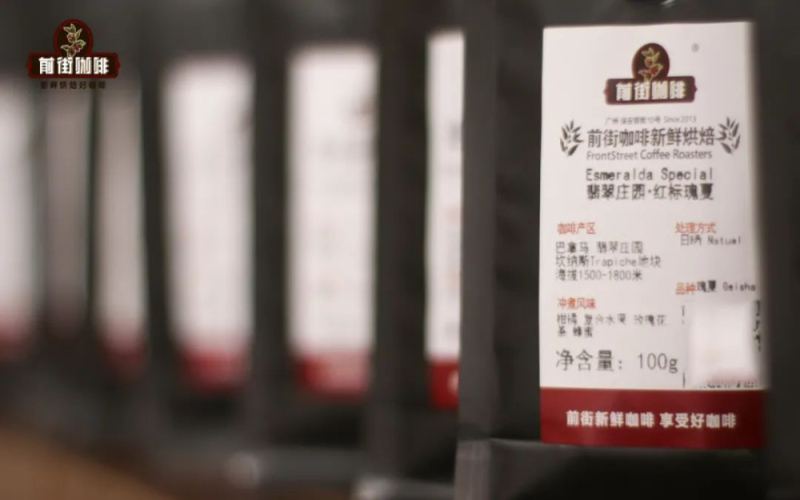
Coffee Regions, Processing Plants, Cooperatives, and Estates: Understanding the Roles in the Supply Chain from Cultivation to Sale
When we talk about specialty coffee, we often hear terms like origin, processing station, cooperative, and estate. They each represent different stages and organizational forms within the coffee supply chain. This article will start with definitions and analyze the differences and connections among these four one by one: how origins are divided into large and small, why processing stations centralize the processing of coffee cherries, how cooperatives help coffee farmers join forces, and why estates enjoy greater autonomy. Understanding these concepts will not only help you more clearly interpret the information on coffee bean labels, but also let you better understand the story behind every cup of coffee when making a purchase. [more…]
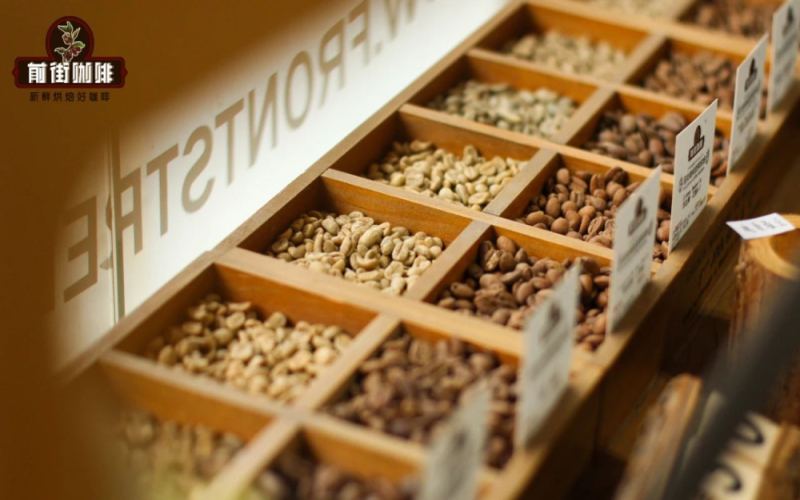
Flavor Analysis of Coffee Beans from the Asia-Pacific Region and the Origin of the Low-Caffeine Auspicious Dragon Blend
The allure of coffee is often rooted in the land where it grows. The Asia-Pacific region spans the Indonesian archipelago, East Timor, Papua New Guinea, India, Vietnam, and even China's Yunnan and Taiwan, among other places. The enormous differences in climate and soil across these areas have given rise to widely varying coffee flavors. This article will start from the overall characteristics of Asia-Pacific origins, sort through the representative bean varieties and taste profiles of different countries, and further introduce the origins and features of Starbucks Decaf Komodo Dragon Blend. Front Street Coffee (FrontStreet Coffee) hopes that through continuous understanding and comparison of origins, more coffee lovers can step into the vast world of coffee. [more…]
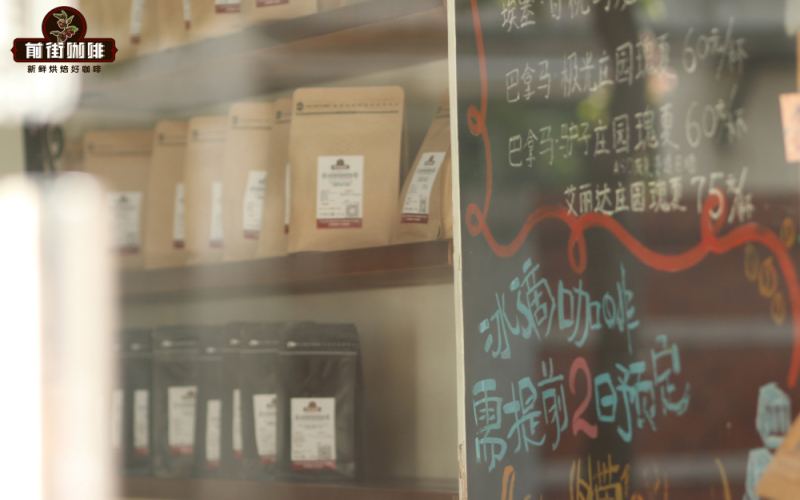
A Complete Analysis of the Flavor Profiles of Ethiopian Coffee Bean Regions: The Fruity and Floral Acidity from Yirgacheffe to Sidamo
As the recognized birthplace of coffee, Ethiopia has become a specialty entry choice for many coffee lovers thanks to its bright, high-quality fruit acidity and rich floral and fruity aromas. Compared with the expensive Panama Geisha, Ethiopian coffee offers equally impressive acidity at an affordable price. The country has many producing regions, and differences in climate, soil, and altitude give each region a distinct flavor personality. This article will systematically review Ethiopia's main coffee regions, focusing on the washed elegance of Yirgacheffe and the wild natural character of Sidamo, while also delving into the evolution of Huakui coffee, and sharing Front Street Coffee's roasting approach and brewing parameters for Ethiopian beans. [more…]
Comparison of Ethiopia Sidamo and Yirgacheffe Regions: Flavor Differences, Processing Methods, and Brewing Parameters Explained
Ethiopia is a major origin for specialty coffee, and among its regions, Sidama and Yirgacheffe are often compared by coffee enthusiasts. Yirgacheffe was originally just a small town within the Sidama administrative area, but due to its unique citrus-lemon acidity, it was independently demarcated and ultimately became one of Africa's most renowned coffee regions. From the perspective of Front Street Coffee, this article systematically examines the differences between Sidama and Yirgacheffe across three dimensions: regional terroir, variety characteristics, and processing methods. It also includes specific brewing comparison data for naturally processed Yirgacheffe Aricha and naturally processed Guji Huakui, helping readers more intuitively understand the flavor directions of these two beans. [more…]
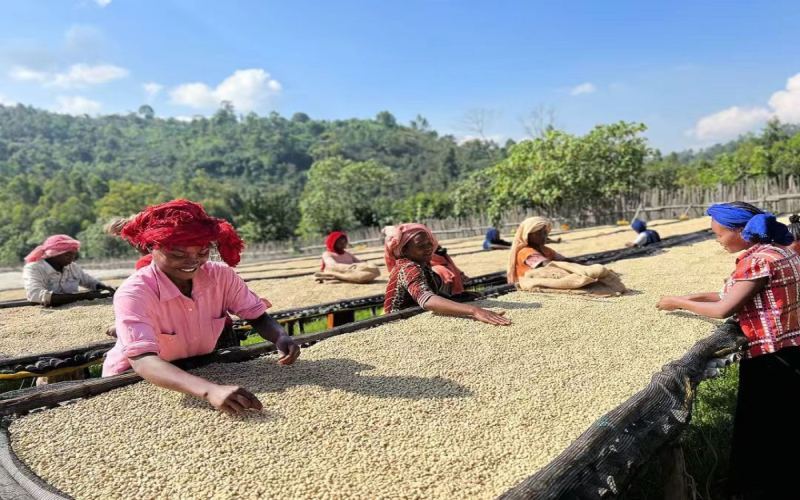
Yirgacheffe Washed Gutingding vs. Natural Red Cherry: A Comparative Analysis of Flavor Differences Under Different Processing Methods
Yirgacheffe is renowned worldwide for its clear citrus-lemon acidity, and the washed processing method has played an indispensable role in this. However, the natural (sun-dried) method also radiates a unique charm in the Yirgacheffe region. Front Street Coffee will begin with the region's background and the principles and procedures of processing methods, systematically sorting out the core differences between the washed and natural methods, and further comparing two representative beans in the Front Street shop—Ethiopia washed Gutingding and Ethiopia Yirgacheffe natural Red Cherry—in terms of their specific performance in roasting curves and cupping flavors, providing coffee lovers with a clear tasting reference. [more…]