







Search Results for: recommendations for women ordering
Is Starbucks Americano actually bitter? Low-fat coffee recommendations suitable for women
Is Caffè Americano actually bitter? This is a question many coffee newcomers often ask. In fact, the Americano method originated in Europe and is made by combining hot water with espresso, giving it a subtly different taste from American-style brewed coffee. This article will start with the principles behind making an Americano to help you understand where its bitterness comes from, and at the same time recommend a few relatively light coffee choices at Starbucks for women who follow a low-fat diet, along with relevant recommendations from Front Street Coffee, so you no longer agonize over what to order. [more…]

Starbucks Coffee Drink Categories and Flavor Price Analysis, a First-Time Ordering Guide for Women
A girl walking into Starbucks for the first time often has no idea where to start when faced with the dense menu. This article systematically sorts through the representative drinks of Starbucks' four major series—espresso, Frappuccino, shaken iced tea, and cold brew iced coffee—explaining one by one their flavor characteristics and differences in sweetness and bitterness, with price references for Grande, Tall, and Venti sizes. Those afraid of bitterness can choose a Latte or Caramel Macchiato, those who love sweetness can try seasonal new releases and Matcha Frappuccino, and those who do not drink coffee also have tea options. Those who dislike sweet, cloying drinks may consider an Americano or pour-over. At the end, the article also compiles Front Street Coffee's specialty bean information channels for advanced enthusiasts to reference. [more…]
2023 Coffee Consumer Insights and Store Opening Strategy: Four Core Customer Groups and Store Layout from a Data Perspective
Latest data from Meituan shows that coffee delivery orders have more than doubled year-on-year, with post-90s women becoming the main consumer group for freshly made coffee, and the 20-40 yuan price range dominating. Based on platform data, this article provides an in-depth analysis of the four core consumer groups in the current coffee market—from user profiles and price acceptance to time distribution and motivations for visiting stores—and, combined with the emerging trend of coffee rising in county towns, offers practical suggestions for coffee shop entrepreneurs in 2023 on site selection, operations, and scene design. At the same time, the article retains recommendations for specialty coffee bean procurement channels for practitioners' reference. [more…]
A Comprehensive Analysis of Mandheling Coffee Beans: Flavor Characteristics, Differences from Golden Mandheling, and Drinking Methods Suitable for Women
As the most representative coffee variety from Sumatra, Mandheling has enjoyed enduring popularity in the Asian market thanks to its low acidity and full-bodied taste. This article begins with the origins of the name Mandheling, traces the hierarchy of contempt in the minds of older generations of coffee lovers, clarifies the essential differences between Golden Mandheling and Aged Mandheling, and takes a deep dive into the sources of its smooth, mellow flavor, its distinctive dark-roast method, and the two best ways to prepare it: cold brew and espresso. It also addresses common questions such as whether Mandheling is suitable for women to drink and whether pour-over Mandheling is acidic, and recommends Front Street Coffee's Mandheling products for readers to consider purchasing. [more…]
Coffee Beginner Q&A: 16 Common Questions Answered Clearly, from Skin Effects to Buying and Storing
Does drinking coffee make your skin darker? How long can coffee beans be stored after opening? Can pregnant women drink coffee? These questions seem simple, yet they often leave people uncertain. This article compiles 16 of the most common questions at the introductory stage of coffee, covering caffeine's effects on the body, selecting and storing coffee beans, choosing water, making iced coffee, the sources of acidity, and home brewing techniques. Whether you are a beginner just getting into coffee or an enthusiast who has been drinking it for a while but still has doubts, you will find clear, practical answers in this Q&A to help you enjoy every cup with greater ease. [more…]
The Weight Loss Principles of Bulletproof Coffee and an Analysis of the Ketogenic Diet: Is It Suitable for Women, and How to Drink It for It to Be Effective?
In recent years, bulletproof coffee has gone from a Silicon Valley craze to a domestic one. Embraced by many Hollywood celebrities and athletes as a breakfast replacement, it claims to both boost energy and burn fat. Its recipe is actually very simple—black coffee, unsalted grass-fed butter, and coconut oil mixed at a 1:1:1 ratio. Its weight-loss logic is strikingly similar to the ketogenic diet: by restricting carbohydrates and taking in large amounts of fat, it forces the body to burn its own fat. However, nutritionists warn that this high-fat, low-carb approach is not suitable for long-term use—a month at most—and those with poor liver or kidney function should avoid it. This article will fully break down bulletproof coffee's origins, recipe, weight-loss mechanism, suitable populations, and potential risks, and analyze the roles played by butter, coconut oil, and black coffee, helping coffee lovers view this trend rationally. [more…]
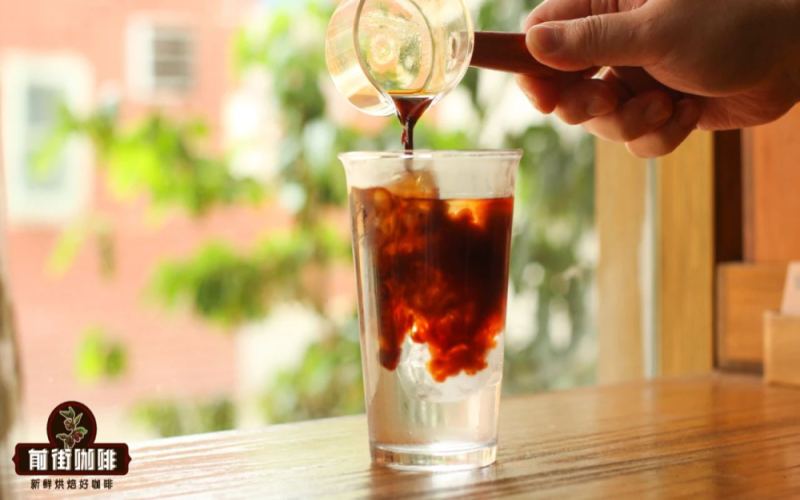
What Exactly Is Americano? How It Differs from Espresso and How to Make Iced Americano at Home
Americano is the most popular category in coffee shops aside from milk coffee, and its taste appeal is fairly balanced between men and women. It is essentially espresso diluted with hot water, which retains the coffee aroma while lowering the strength, matching the drip coffee taste familiar to American consumers. Front Street Coffee has found in its daily production that Americano is popular mainly because of its high cost-effectiveness, freely adjustable strength, and simple, no-fuss choice. This article will systematically review knowledge related to Americano, from its definition, reasons for its popularity, and espresso bean selection to home brewing methods, and will provide flavor and price information for four espresso beans including Front Street Warm Sun Blend. It will also share specific ratio plans for hot and iced Americano, making it easy for coffee lovers to replicate at home. [more…]
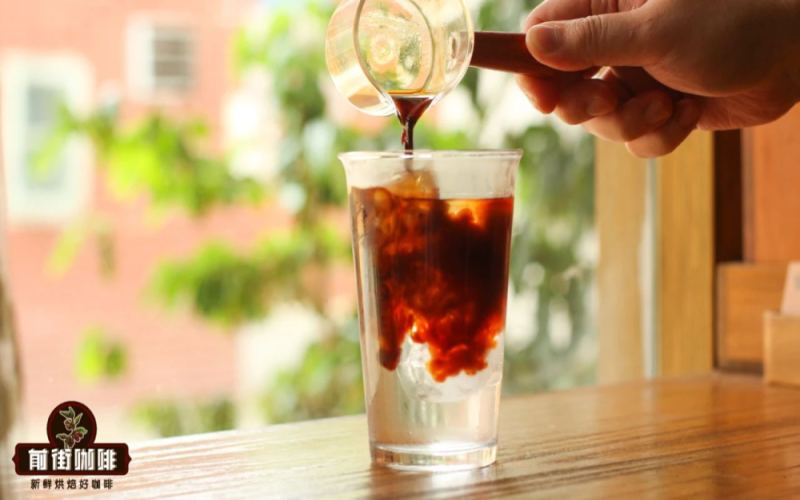
Espresso Coffee Introductory Guide | What Is the Difference Between Americano and Espresso? How Can Beginners Make Iced Americano at Home?
For more specialty coffee knowledge, please follow our WeChat official account: Front Street Coffee (FrontStreet Coffee). Americano is the most popular coffee in coffee shops apart from milk coffee. If milk coffee lovers are mostly women, then Americano can be considered a very neu- [more…]
Arabica Caffeine Content Explained: Effects, Health Impact, and a Science-Based Guide to Drinking
Caffeine is a much-discussed active component of coffee. It dissolves easily in hot water but poorly in cold water, stimulates the central nervous system, sharpens the mind, and also has cardiotonic and diuretic effects. A cup of coffee typically contains 60-65 milligrams of caffeine, but excessive intake may cause discomfort such as tinnitus and palpitations. Black coffee is considered the way of drinking that best preserves the beneficial components, offering multiple functions such as refreshing the mind, stimulating the appetite, promoting urination, activating blood circulation, relieving asthma, and removing odors. Light roasts have a higher caffeine content, which helps with weight loss, while the antioxidant effects of black coffee help fight cancer and aging. A healthy adult can metabolize 500-600 milligrams of caffeine per day, roughly equivalent to 5 cups of coffee, while pregnant women need to reduce their intake. This article will systematically analyze the mechanisms of caffeine's effects, its pros and cons, suitable populations, and scientific drinking methods, and recommend quality products from Front Street Coffee. [more…]
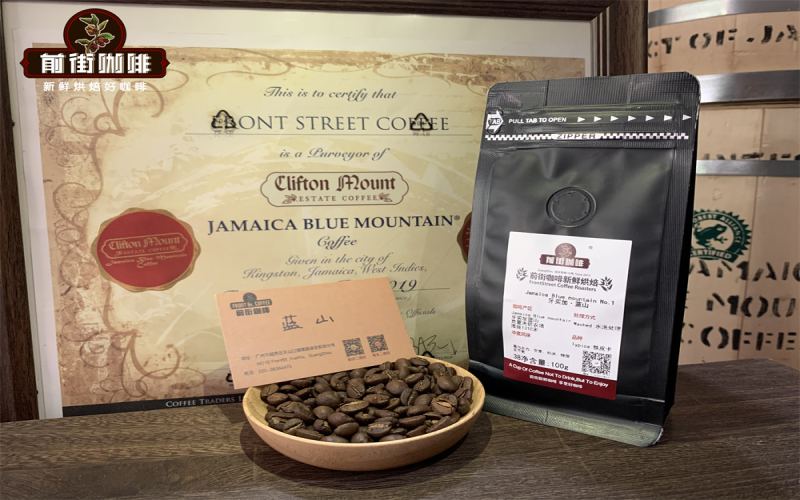
Jamaica Blue Mountain Coffee Flavor and Variety Analysis: A Complete Guide to Typica Cultivation, Washed Processing, and Grade Classification
Jamaican Blue Mountain coffee has long held its position as a benchmark in the specialty coffee world thanks to its unique flavor and scarcity. It originates from the ancient Typica variety, rooted in the volcanic soil and misty microclimate of the Caribbean's Blue Mountain range, hand-picked by local women workers on steep slopes, and washed to preserve a clean, clear cup profile. The CIB classifies Blue Mountain into four grades, among which Blue Mountain No. 1 stands as the top representative with a screen size of 17 and above, a defect rate below 3%, and a rich, balanced flavor. Front Street Coffee recommends a medium-dark roast paired with a KONO dripper for pour-over, bringing out black chocolate, nut, and almond sweetness in the finish. This article will give you a comprehensive look at Blue Mountain coffee's varietal characteristics, processing methods, and origin terroir. [more…]

A European-style coffee shop inside Shanghai First Maternity and Infant Hospital has become a trendy photo spot, and the hospital has responded that it will strengthen management.
Recently, Shanghai First Maternity and Infant Hospital has seen its on-site European vintage-style coffee shop become a popular photo spot for many "influencers" on social media, with related topics continuing to gain traction. Many local residents have reported that the crowds of photo-takers have disrupted normal medical order. Why has this coffee shop become a photography hotspot? How have the hospital and the shop responded? The hospital stated that it will strengthen management by discouraging commercial photography, prolonged occupation of patient rest seats, and the use of large professional equipment such as fill lights, in order to ensure normal medical activities. [more…]

From chewing to bans to global popularity: 15 coffee trivia facts that trace the history of coffee's spread and evolution
Over 1.3 billion people worldwide start their morning with a cup of coffee every day, but the history of coffee's spread is far less straightforward than one might imagine. Originally, people did not treat it as a beverage; instead, they mixed coffee cherries with animal fat to make energy balls to chew on. In the Middle Ages, it was used as a medicinal herb, and later on the Arabian Peninsula, it evolved into a stimulating drink called Gahwa. Upon entering Europe, coffee was once boycotted or even banned for religious and political reasons—Sweden once prohibited the sale of coffee along with cups and saucers, and the Ottoman Empire imposed capital punishment on those who drank it publicly. Meanwhile, anecdotes such as the predecessor of instant coffee and Brazil sending athletes to competitions with coffee beans abound. This article, through 15 fun facts, traces coffee's long journey from being misunderstood to being sought after, while retaining relevant recommendations from Front Street Coffee for coffee enthusiasts to refer to and exchange ideas. [more…]
Yirgacheffe Red Cherry Project Coffee Bean Analysis: Flavor Differences Between Natural and Red Honey Processing and Pour-Over Techniques
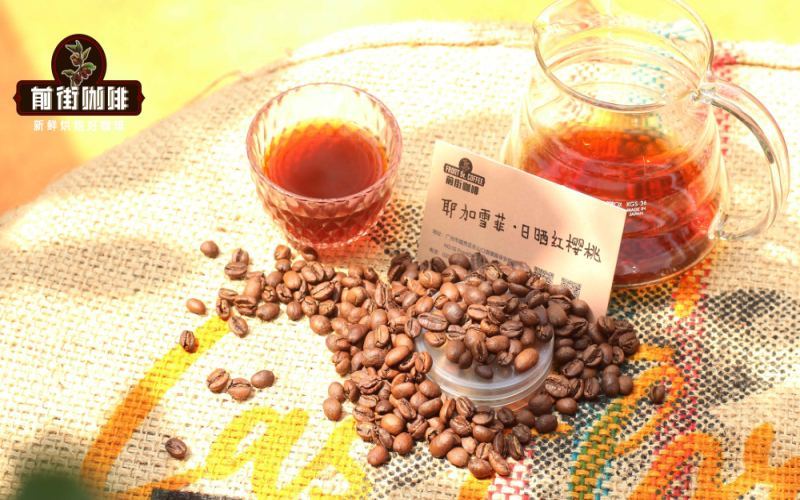
On Front Street Coffee's Ethiopian region menu, Front Street Red Honey Red Cherry and Front Street Natural Red Cherry always stand out. What exactly is the Red Cherry Project? And what different flavor expressions do the natural and red honey processing methods bring to coffee? Starting from the background of the Yirgacheffe region, this article will explain in detail the origins and operation of the Red Cherry Project, compare the characteristics of natural and red honey processing techniques, and share Front Street Coffee's roasting suggestions and pour-over parameters for these two beans, leading readers to a comprehensive understanding of these two highly representative Ethiopian coffees. [more…]
How Does the Red Cherry Project Improve Ethiopian Coffee Quality? A Flavor Analysis of Natural Yirgacheffe Red Cherry
The flavor of coffee depends not only on the altitude, soil, and climate of its origin—the harvesting method also has a key impact on quality. Although machine picking is highly efficient, it struggles to distinguish the ripeness of the fruit; manual harvesting, by contrast, allows selection by ripeness, and is especially more reasonable in high-altitude mountainous areas. In 2007, the Dutch green bean trader Trabocca launched the "Red Cherry Project," requiring 100% fully ripe red cherries to be picked entirely by hand, with strict quality control through two rounds of cupping, and using high prices to incentivize coffee farmers to produce with care, breaking the previous vicious cycle of "valuing weight over quality." This article will walk you through how the Red Cherry Project operates and recommend a Front Street Coffee sun-dried Red Cherry coffee bean—a Yirgacheffe G1 grade bean, processed by the traditional sun-dried method, with full fruit aromas and a black tea finish, suitable for pour-over, cold brew, espresso SOE, and many other extraction methods. [more…]
What Exactly Is the Red Cherry Project? The Flavor Code and Brewing Essentials of Yirgacheffe Natural Beans
The "Red Cherry Project," which frequently appears on café menus, is often mistaken to mean that cherries have been added to the coffee, and some even claim to taste cherry flavor in it. In reality, the name comes from the dark red appearance of ripe coffee fruit, which resembles a cherry. The Red Cherry Action was initiated by the Dutch coffee merchant Trabocca, aiming to improve the coffee quality of smallholder farms in Ethiopia by strictly selecting fully ripe fruit. This article will provide a complete analysis of the origins, operating methods, and producing regions of the Red Cherry Project, and will focus on the Yirgacheffe Natural Red Cherry produced by Front Street Coffee, breaking down this bean's flavor performance and extraction logic one by one—from terroir and processing methods to roasting curves and brewing parameters—to help coffee lovers truly understand the value of Red Cherry coffee. [more…]
The Correct Way to Drink Mandheling Coffee | What Are the Variety, Green Bean Processing Method of Indonesian Mandheling Coffee? An Introduction to Water Temperature, Grind Size, and Pouring Technique for Mandheling Pour-Over Coffee
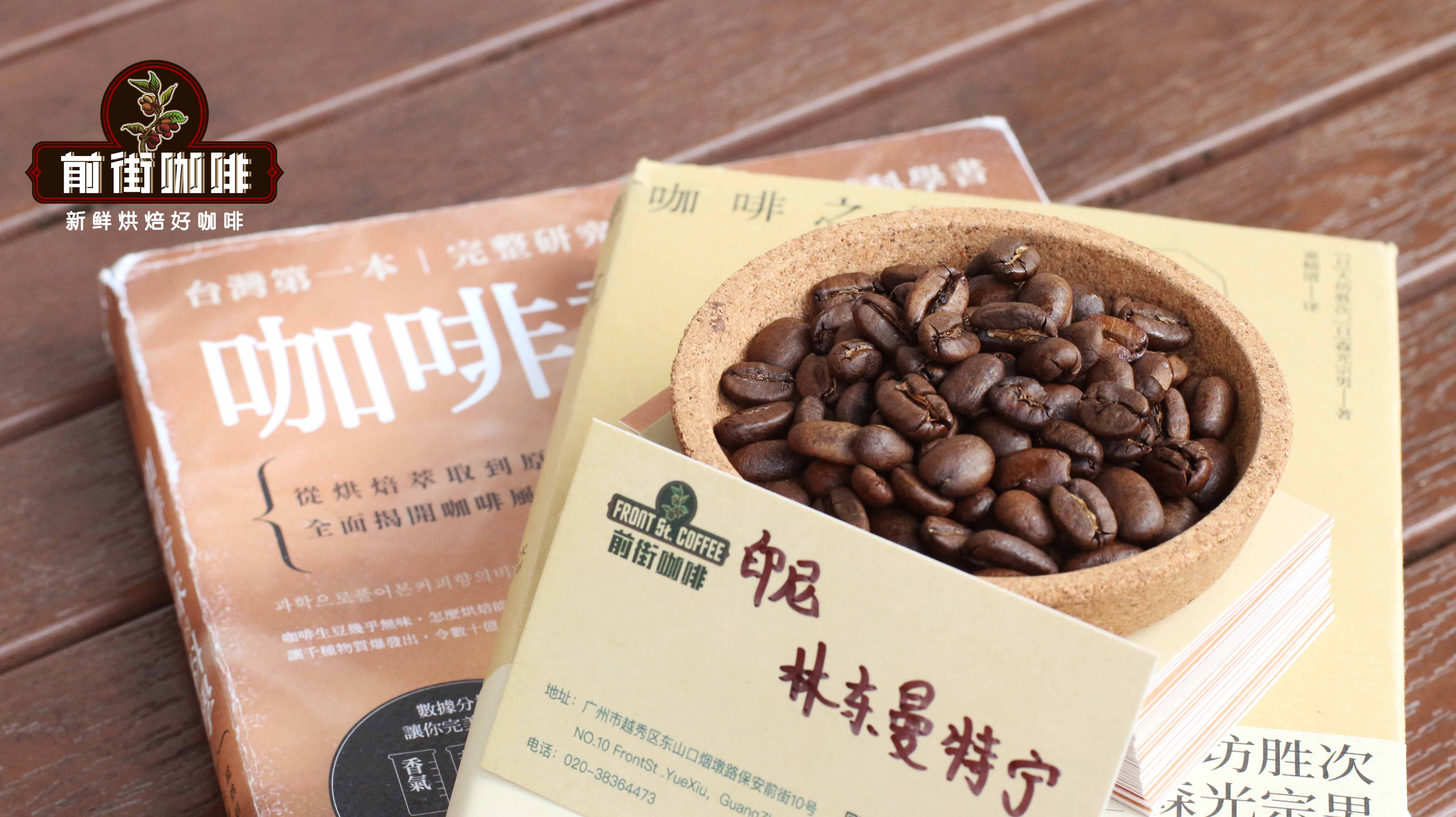
Speaking of Front Street Mandheling coffee, there's a rather curious phenomenon at Front Street: in the past, Front Street Mandheling coffee was mostly favored by men, but now women have gradually come to like it too! If you're used to the taste of Ethiopian coffee, then trying Front Street Mandheling coffee may feel unfamiliar; but if [more…]
Shanghai French Concession Artistic Cafes Roundup: A Street-Corner Map of Petty-Bourgeois Sentiment and Coffee Aroma
In the old lanes and alleys of Shanghai's former French Concession lies the city's most captivating coffee scenery. Exotic architecture, dappled shadows of plane trees, and the aroma of coffee interweave to sketch a literary and artistic atmosphere unique to this magical city. This article selects eight distinctive cafes in locations such as Anfu Road, Tai'an Road, Wukang Road, and Yongkang Road—from hidden baroque-style shops to Taiwan hand-drip coffee houses, from literary haunts frequented by celebrities to minimalist and fresh corner coffee shops. Each one carries different stories and moments in time. Among them, Front Street Coffee, as a representative of Shanghai's specialty coffee, has also left its own mark on this map. Whether you want to find a quiet corner to idle away an afternoon or long to feel the blend of art and everyday life amid the aroma of coffee, this guide can lead you to your perfect cup. [more…]
The Difference Between a Long Black and an Americano: The Order of Espresso and Water Isn't the Key—The Difference in Strength Is the Essence
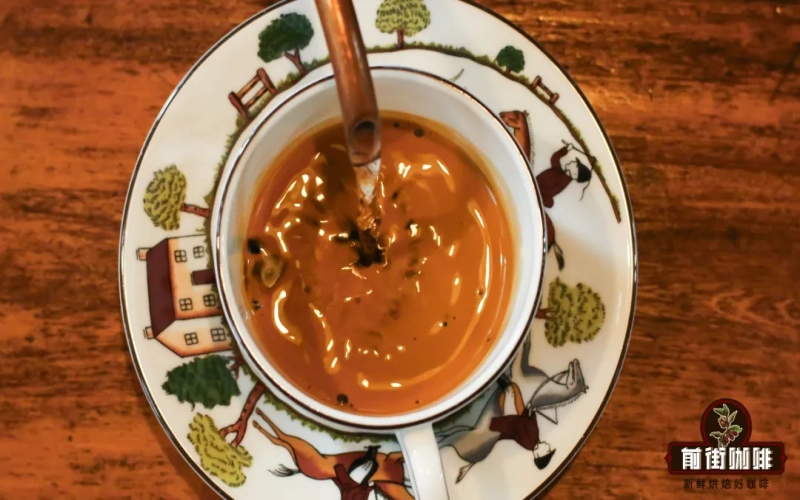
Many people think that adding water first and then espresso makes a Long Black, while adding espresso first and then water makes an Americano—but is that really true? Front Street Coffee sorts through the real differences between Americano and Australian Long Black one by one, from the order of preparation and concentration ratios to flavor expression. The article points out that the biggest difference between the two actually lies in concentration—Americano has more water and a lighter mouthfeel, while Long Black is rich and full-bodied. It also recommends an espresso blend suitable for practice and Front Street Coffee's Strawberry Candy Espresso, helping coffee lovers more intuitively understand the distinct charms of these two black coffees. [more…]

Jamaica Blue Mountain Coffee Buying Guide: Authentic Flavor, Grade Classification, and the Current State of Japanese Market Monopoly
Blue Mountain coffee originates from the Blue Mountains in eastern Jamaica. Thanks to its volcanic soil, foggy climate, and high-altitude environment, it has become one of the world's recognized top-tier coffees. However, the true annual output of Jamaican Blue Mountain coffee is only about 40,000 bags, ninety percent of which is purchased by Japan, leaving other countries to compete for the remaining share. This article systematically reviews the historical origins of Blue Mountain coffee, its three major production regions, grade classification, harvesting and processing standards, barrel packaging tradition, and roasting and brewing parameters. It also analyzes the current situation of the large number of counterfeit products on the market, and includes the specific plan for brewing Blue Mountain No. 1 at Front Street Café, helping coffee lovers gain a comprehensive understanding of this legendary coffee. [more…]
Yunnan Baoshan Lujiang Small-Bean Coffee: Brand Recommendations and a Full Analysis of Flavor Advantages
Lujiang Town in Baoshan, Yunnan, is known as China's No. 1 Coffee Village, and the small-bean coffee produced here has won a world gold award. This article starts from the Third Baoshan Coffee Culture Festival to introduce the varietal advantages, growing environment, and historical honors of Baoshan small-bean coffee, analyze the pain points in picking and processing faced by coffee farmers, and recommend worthwhile Front Street Coffee products, offering coffee lovers professional guidance for choosing Yunnan coffee. [more…]