







What Makes Jamaica Blue Mountain Coffee Farms Distinct?
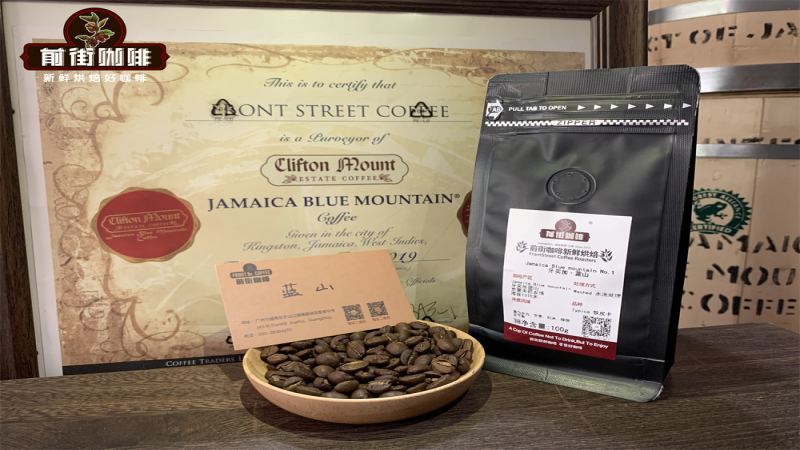
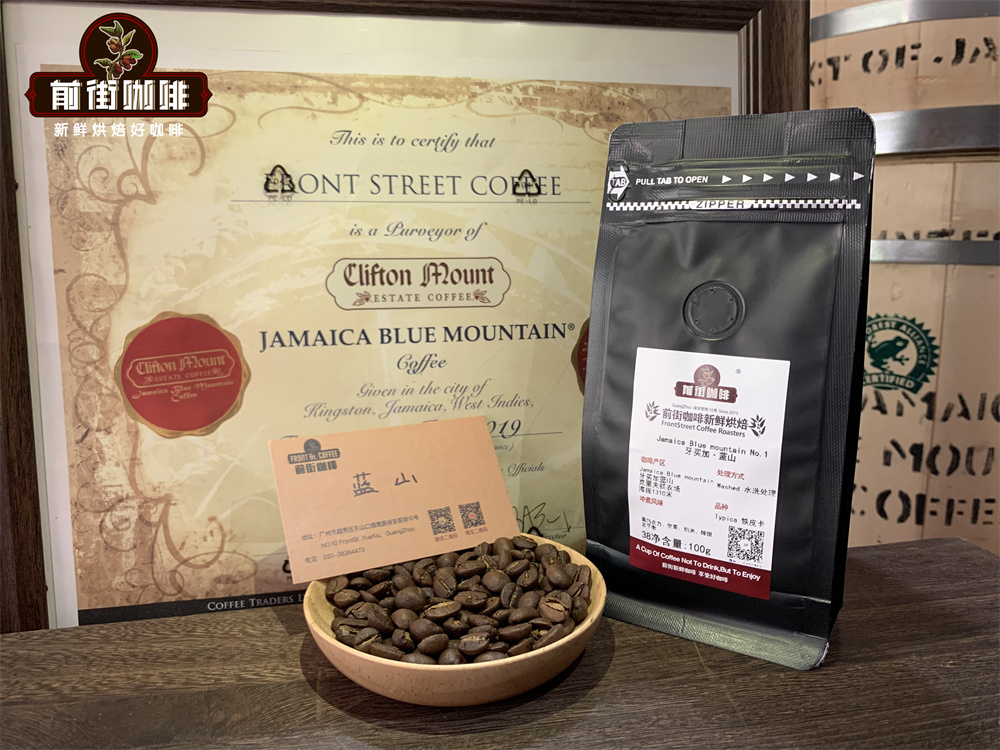
Jamaica Blue Mountain coffee comes from the Typica variety, grown in the volcanic soil and misty microclimate of the Blue Mountains and hand-picked on steep slopes. Washed processing keeps the cup clean and clear, with notes of dark chocolate, nuts and an almond-like sweet finish. The CIB sorts it into four grades, and Blue Mountain No. 1 requires screen size 17 and above.
Typica spread from southwestern Ethiopia to Yemen around the 15th to 16th centuries, then traveled worldwide with French and Dutch merchants. Sir Nicholas Lawes brought it to Jamaica in the 18th century, and it reached the Blue Mountains soon after. Local Typica adapted to the island's tropical rainforest climate, gaining stronger disease resistance than ordinary Typica, which supports long-term coffee growth there.
Jamaican Blue Mountain coffee has long held the benchmark position in the specialty coffee world thanks to its unique flavor and scarcity. It originates from the ancient Typica variety, rooted in the volcanic soil and misty microclimate of the Caribbean's Blue Mountains, hand-picked by local women on steep slopes, and washed to preserve a clean, clear taste. The CIB classifies Blue Mountain into four grades, among which Blue Mountain No. 1 stands as the top representative with a screen size of 17 and above, a defect rate below 3%, and a rich, balanced flavor. Front Street Coffee recommends a medium-dark roast paired with a KONO dripper for pour-over, bringing out notes of dark chocolate, nuts, and an almond-like sweet finish. This article will walk you through Blue Mountain coffee's varietal characteristics, processing method, and origin terroir.
In an era when specialty coffee had yet to become widespread, most consumers' understanding of coffee remained at the crude division of "black coffee" or "milk coffee," yet Jamaican Blue Mountain had already stood at the pinnacle of the coffee world with its formidable reputation.
The reason Blue Mountain coffee can become such an outstanding specialty is inseparable from its excellent variety and unique microclimate.
The variety used for Blue Mountain coffee is Typica.
Typica is a long-established variety within the Arabica family, brought from southwestern Ethiopia to Yemen for cultivation around the 15th to 16th centuries through human harvesting, and later spread around the world by French and Dutch merchants. Typica plants are relatively tall, with bronze-colored tips on their leaves, and the beans are large and elongated with pointed, upturned ends, resembling an egg in shape. This variety often carries a citrus-like acidity and a sweet finish, hailed by many enthusiasts as an elegant and clean coffee bean. However, due to low yields and weak resistance to leaf rust, it was gradually replaced by farmers with more robust varieties.
In the 18th century, Sir Nicholas Lawes introduced Typica to Jamaica, and it soon spread to the Blue Mountain region for cultivation, giving it a history of over two hundred years. Blue Mountain's Typica also adapted to the local island-type tropical rainforest climate, evolving stronger disease resistance, particularly notably superior to ordinary Typica in resisting coffee berry disease. That Typica could integrate into the terroir here owes much to the Blue Mountains' superior natural environment and unique microclimate.
Blue Mountain's superior growing conditions
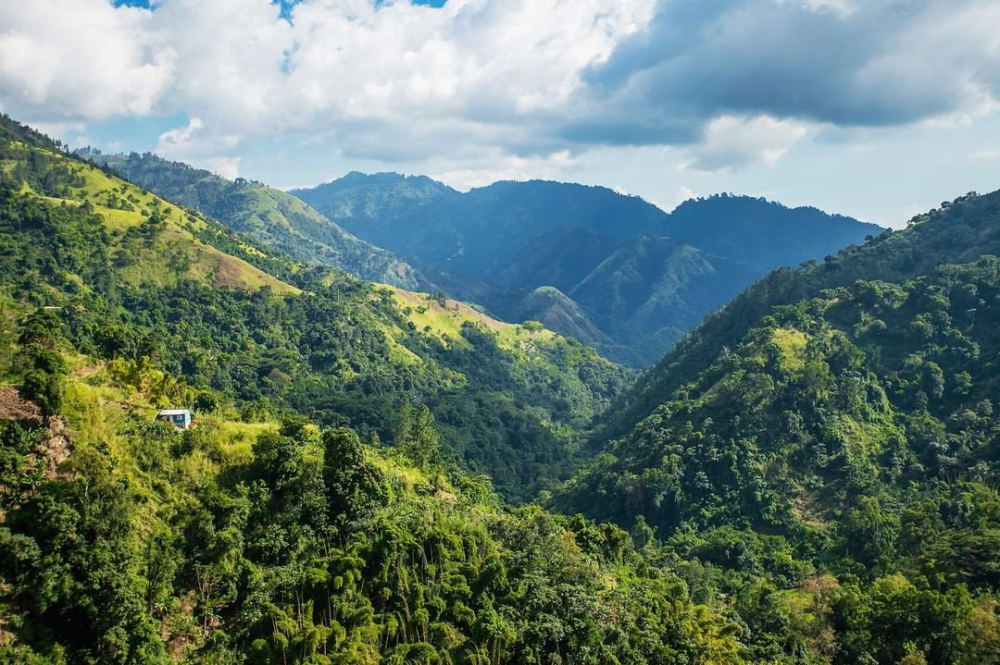
The Blue Mountains lie in the eastern part of the island of Jamaica in the Caribbean Sea, surrounded by seawater, reflecting a blue sheen under sunlight, hence the name "Blue Mountain." Far from cities, with the highest peak exceeding two thousand meters in elevation, it is a well-known local tourist destination. Fertile volcanic ash soil, ample sunlight, and rainfall provide abundant nutrients for crops, and locals often plant coffee alongside bananas and avocados.
Compared with other crops, coffee trees are more delicate and demanding, requiring not only a warm, humid environment free of frost and ample nutrients but also appropriate shade. The Blue Mountain peaks are shrouded in mist and clouds year-round, enveloping the coffee farms and creating exceptional conditions for coffee growth.
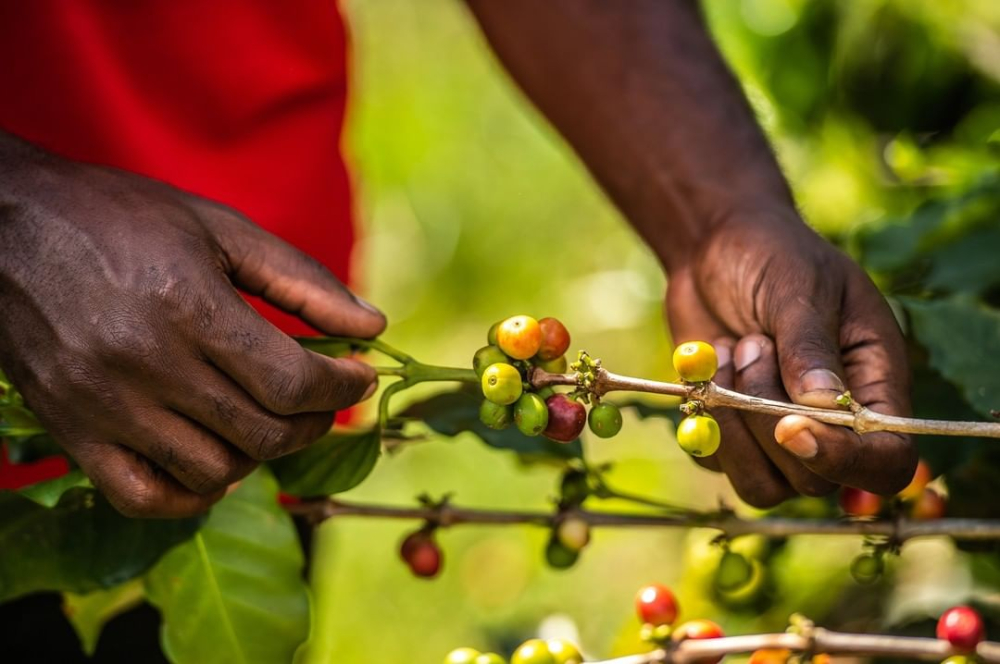
The specific Blue Mountain coffee growing areas are distributed across four production regions between 910 and 1700 meters in elevation (above 1700 meters is protected forest), namely St. Andrew, St. Mary, St. Thomas, and Portland. At high altitudes, the Blue Mountain terrain is rugged, making harvesting extremely difficult. The coffee trees all grow on steep slopes, a task that none but skilled local women workers could handle. During picking, cherries must also be selected at just the right ripeness, as underripe or overripe fruit affects coffee quality. After picking, Blue Mountain fresh cherries are typically washed the same day.
Washed Blue Mountain coffee
As market demand diversifies, some estates have begun releasing small lots of natural-process Blue Mountain, but Front Street believes that washed Blue Mountain coffee has a clearer flavor and best presents the classic Blue Mountain profile; if trying it for the first time, it is advisable to start with washed Blue Mountain coffee .
After hand-picking, the fresh cherries are placed in water, first skimming off floating defective beans, then removing the skin and pulp, and letting them ferment in tanks for 12 to 18 hours. Once fermentation is complete, the beans are pushed back and forth in the tank, using friction between the beans and the force of water to wash the coffee beans until smooth and clean. They are then spread out under the sun to dehydrate and dry until moisture content reaches 12% to 14%, after which they can be bagged, stored to rest, and sent for quality inspection before export. Washing greatly reduces the defect rate, better restoring the aroma of the Blue Mountain coffee beans themselves, with a higher degree of cleanliness in the cup.
Grading of top Blue Mountain
In terms of green bean quality control, the CIB has regulated the cultivation, production, and sales of Jamaican Blue Mountain coffee to improve coffee quality, standardize processing procedures, and coordinate Blue Mountain coffee's sales in the market. The CIB is also responsible for grading and quality testing of coffee produced in the Blue Mountains. In other words, all Blue Mountain coffee sold around the world must be certified by the CIB and bear its label.
Compared with other coffee origins, Jamaica was the earliest country to recognize coffee's "taste of place." The standards for evaluating Blue Mountain green bean quality involve multiple dimensions: green bean size, defect rate, color, uniformity, and post-roast cup performance (including dry aroma, wet aroma, acidity, flavor, body, cleanliness, etc.).
Bean size is measured using screens with different hole diameters; beans that do not pass through the holes meet the corresponding size standard. Color evaluation combines visual observation with colorimeter readings, with blue-green being the highest grade. Based on these standards, Blue Mountain coffee is divided into four grades, from highest to lowest: Blue Mountain No. 1, Blue Mountain No. 2, Blue Mountain No. 3, and Blue Mountain Peaberry. Top-grade Blue Mountain No. 1 green beans must meet a screen size of 17 and above, a defect rate below 3%, a moisture content of about 13%, and in the cup present rich coffee aroma, a smooth and balanced mouthfeel, low acidity, and a lasting sweet finish.
Blue Mountain coffee beans that pass quality inspection are transported in different materials depending on their grade. Blue Mountain No. 1, No. 2, and No. 3 are the only coffees in the world exported in wooden barrels, available in three sizes: 70 kg, 30 kg, and 15 kg. Other grades of Jamaican coffee are exported in 60 kg burlap sacks. Compared with coarse burlap sacks, oak barrels can absorb and release internal and external moisture and isolate coffee aroma from escaping, keeping the beans at a more stable moisture content and making roasting more consistent. Later, the barrel also became one of the symbols for identifying authentic Blue Mountain coffee; Front Street's store even displays a barrel used to transport Blue Mountain No. 1 green coffee beans.
Flavor and taste of pour-over Blue Mountain No. 1 coffee
The Jamaica Coffee Industry Board recommends a roast level that highlights Blue Mountain's traditional flavor, and Front Street's roasters follow this principle, using a medium-dark roast so that Blue Mountain No. 1 coffee presents both richness and a gentle fruit acidity. As the roast level deepens, the coffee beans become porous, and once ground they easily absorb more water and release more soluble matter, making over-extraction likely. Therefore, the baristas at Front Street Coffee (FrontStreet Coffee) recommend a medium grind and a not-too-high water temperature; here, 87 to 88°C is used, with the coffee ground to a coarseness of 75% passing a No. 20 standard sieve. In order to highlight the rich, rounded mouthfeel of Blue Mountain No. 1 coffee , Front Street pairs it with a KONO coffee dripper for extraction.
Brewing parameters: 15 g coffee, 1:15 coffee-to-water ratio, grind: EK43s setting 10.5 (75% passing a China No. 20 standard sieve), water temperature: 87 to 88°C, brewing method: staged extraction.
Place the filter paper in the KONO dripper and pour in water to wet the paper while making it fit more snugly. Add the coffee grounds and tap gently to distribute the bed evenly. For the first pour, gently add 30 g of water for blooming, with a bloom time of 30 seconds; for the second pour, add water up to about 125 g, circling outward evenly and steadily. Then wait for the coffee liquid to drop; when it has dropped halfway, pour the final stage of water up to 225 g, and after all the coffee has dripped through, the total extraction time is generally about 2 minutes.
The pour-over Blue Mountain No. 1 coffee is dark chocolate and nuts, very rich, with a pronounced almond sweet finish. As the temperature drops, roasted hazelnut and creamy, sweet, silky notes emerge, accompanied by a hint of gentle acidity and caramel sweetness, with the aroma lingering in the mouth.
For professional coffee knowledge exchange and more coffee bean information, please follow Coffee Workshop (WeChat public account: cafe_style)
For more specialty coffee beans, please add the private WeChat of Front Street Coffee (FrontStreet Coffee), WeChat ID: qjcoffeex
The above content is compiled by CoffeeHunters, a coffee news website.


