








Speaking ofFront Street Mandheling coffee, there's a very strange phenomenon at Front Street — in the past, Front Street Mandheling coffee was mostly favored by men, but now women are gradually falling in love with it too! If you're used to the taste of Ethiopian coffee and then try Front Street Mandheling, you might find it hard to get used to; but if you set aside what Ethiopian coffee is like and slowly savor Front Street Mandheling, you'll discover it's actually not that bitter, nor does it have such a strong herbal taste.
Front Street Mandheling coffeeis an Asian bean, with a relatively full-bodied flavor, along with herbal notes and some piney aromas — it is also the representative of Asian coffee beans. Front Street Mandheling coffee beans are relatively large with a hard density, and defects easily appear during cultivation, so after harvesting they usually undergo strict hand sorting. The appearance of Front Street Mandheling coffee beans could be called the ugliest, but some say that the uglier Sumatran coffee beans are, the better, richer, and smoother they taste. As one of Front Street's staple beans, Front Street Mandheling is very popular, and the single-origin Front Street Golden Mandheling in particular is highly sought after — it's perfect for coffee lovers who enjoy a full-bodied taste!
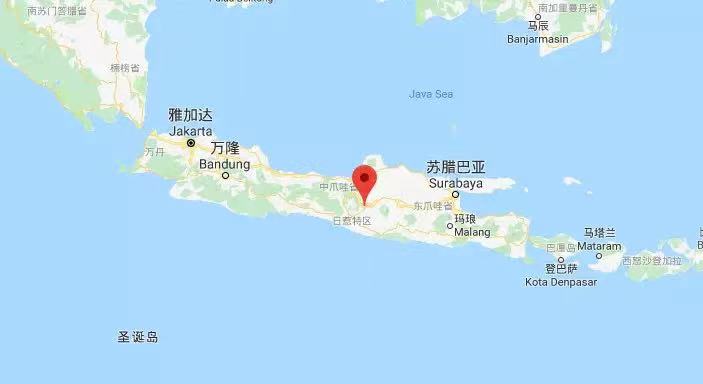
The most famous coffee-producing region in Asia is the various islands of the Malay Archipelago: Sumatra, Java, and Kalimantan. Among them, the Sumatra Mandheling coffee from the Indonesian island of Sumatra is the most renowned. Mandheling coffee is produced in Sumatra, Indonesia, in Asia, and is also known as "Sumatra coffee." Sumatra has the fertile volcanic soil found in many well-known coffee-producing regions, and the soil is rich in minerals that help coffee cherries generate more nutrients and aroma. Local farmers plant coffee trees at moderate altitudes, generally between 600-1200m. The low-altitude growing environment, combined with the tropical rainforest climate, means coffee cherries ripen in a shorter time and struggle to develop rich acidity, so the coffee here has more of an herbal and spice character.
What variety is Front Street Mandheling coffee?
Front Street LinDong Mandheling coffeelists its variety as: Tim Tim Ateng,Front Street Golden Mandheling coffeelists its variety as: Ateng. What variety is this? Front Street Golden Mandheling coffee beans are produced in the Gayo Mountains of Aceh, North Sumatra. The variety is Ateng, which is a hybrid between Arabica and Robusta, widely planted in Sumatra and other small Indonesian islands. It is actually a branch of Catimor, and Ateng is the local name. What Indonesia calls Tim Tim is what we call Timor. The Ateng variety is very well suited to being planted and developing its flavor in the Aceh region.
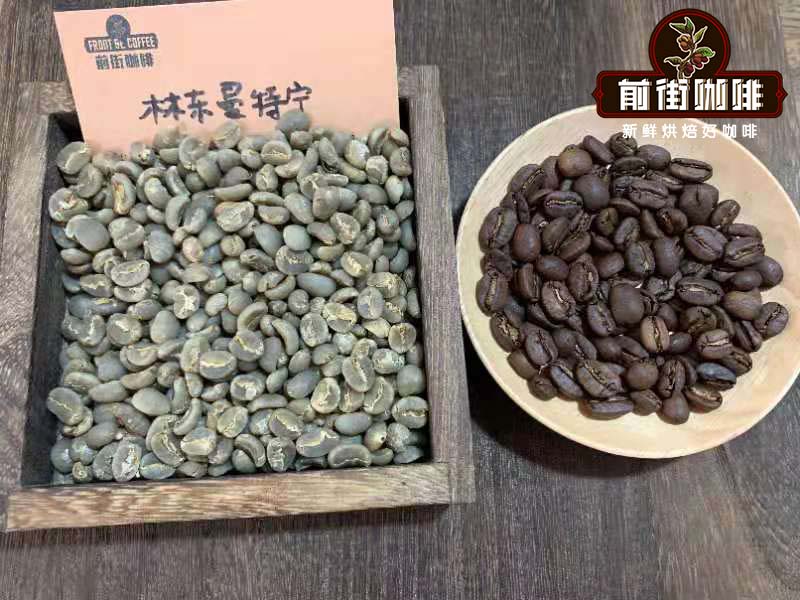
Due to the localized naming used by Indonesians, the coffee varieties of Front Street Mandheling that we often see seem rather unfamiliar, but in fact they are just different names.
Front Street Mandheling coffee beansprocessing method
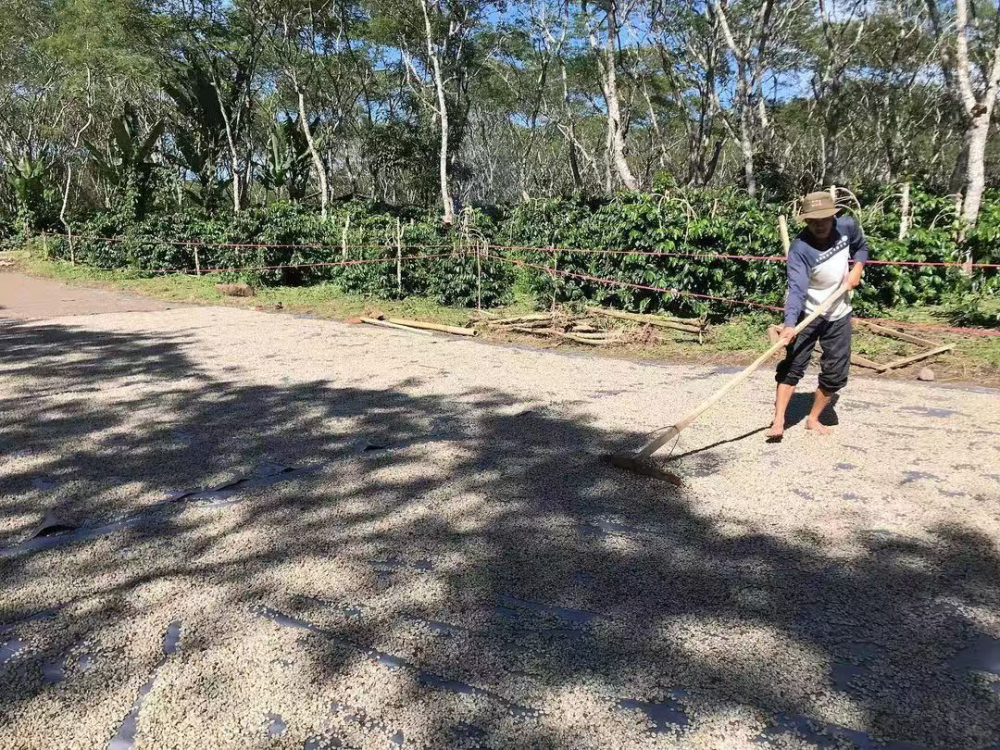
Apart from the local climate, the unique flavor of Mandheling coffee is also inextricably linked to its processing method. Indonesia is located in a typical tropical rainforest climate zone, where it rains frequently and the hours of sunlight are relatively short, which is unsuitable for sun-dried processing. In addition, the local economic conditions are modest, with insufficient funds to invest in washed processing, so a semi-washed method — also known as the wet-hulling method — emerged locally. This is a rare processing method in the world, and by accident it created Mandheling's special low-acidity, thick, and mellow aroma.
Parameters for Front Street brewing Front Street Mandheling coffee:
Front Street Mandhelingcoffee is so unique — how should it be brewed to fully bring out its flavor? Below, Front Street shares some parameters for Front Street hand-brewing Front Street Mandheling coffee:
Front Street Mandheling coffeehas a flavor profile of nuts and chocolate, and Front Street's roaster chooses a dark roast. The darker the roast, the looser the texture of the coffee beans and the stronger their water absorption, making extraction easier during brewing. Therefore, Front Street uses a lower water temperature and a coarser grind to avoid over-extraction producing a burnt, bitter taste.
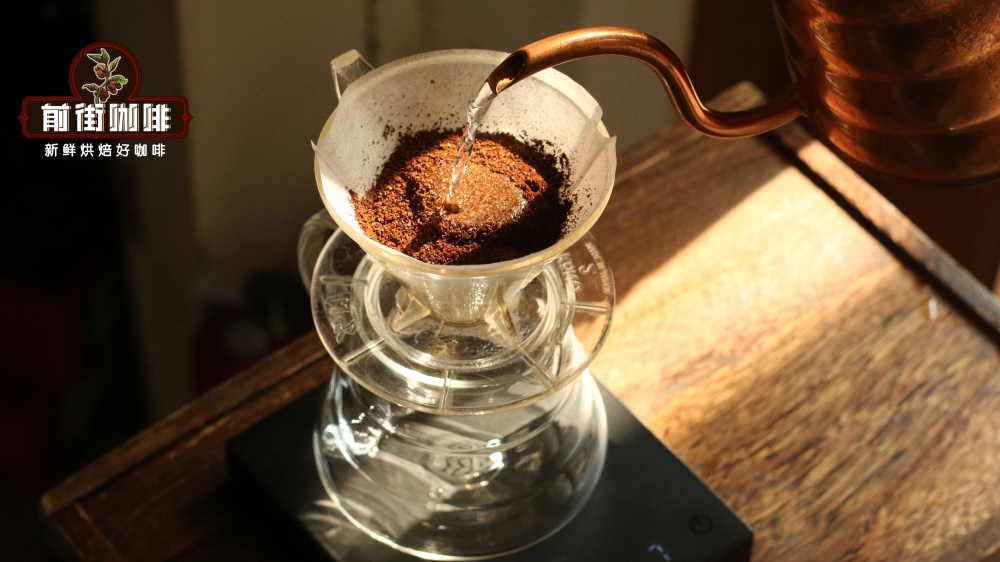
Front Street chooses: a KONO dripper, 88°C water temperature, a 1:15 coffee-to-water ratio, 15g of coffee, a grind size with 70% passing through a No. 20 standard sieve, and a multi-pour brewing method. The resulting Mandheling coffee is full-bodied and creamy on the palate, with a rich herbal flavor and high sweetness.
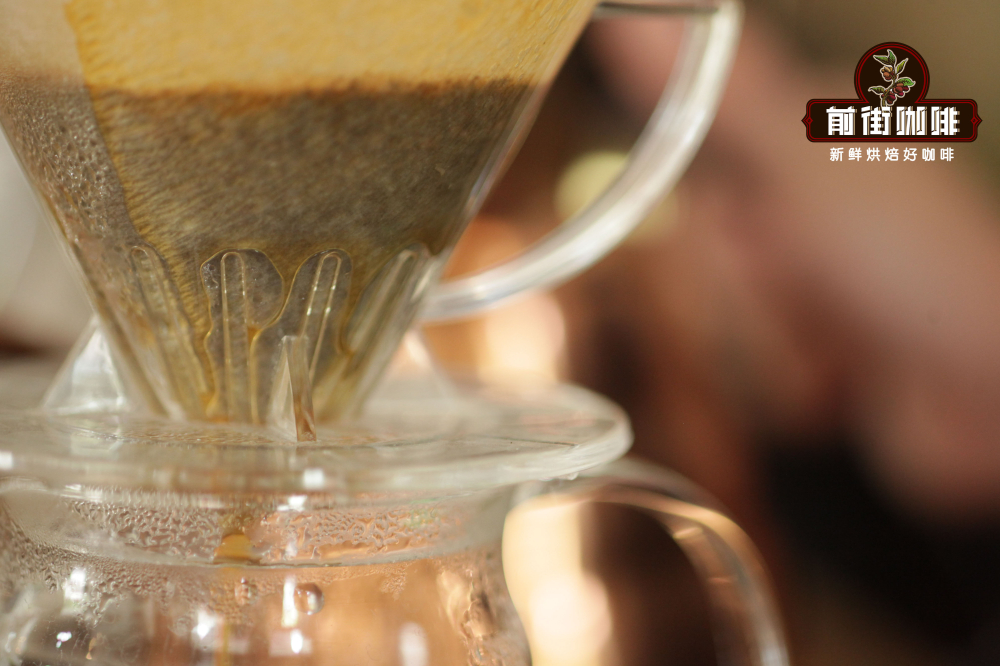
In choosing the dripper, Front Street selected the Kono Meimon dripper. The Kono dripper's greatest feature is that the ribs extend from the bottom to the middle, while the upper part is a smooth dripper wall, so that when the filter paper fits the dripper, water cannot "sneak" around the coffee grounds, enhancing the body and making it suitable for brewing medium-dark roasted beans such as Front Street Mandheling and Front Street Golden Mandheling.
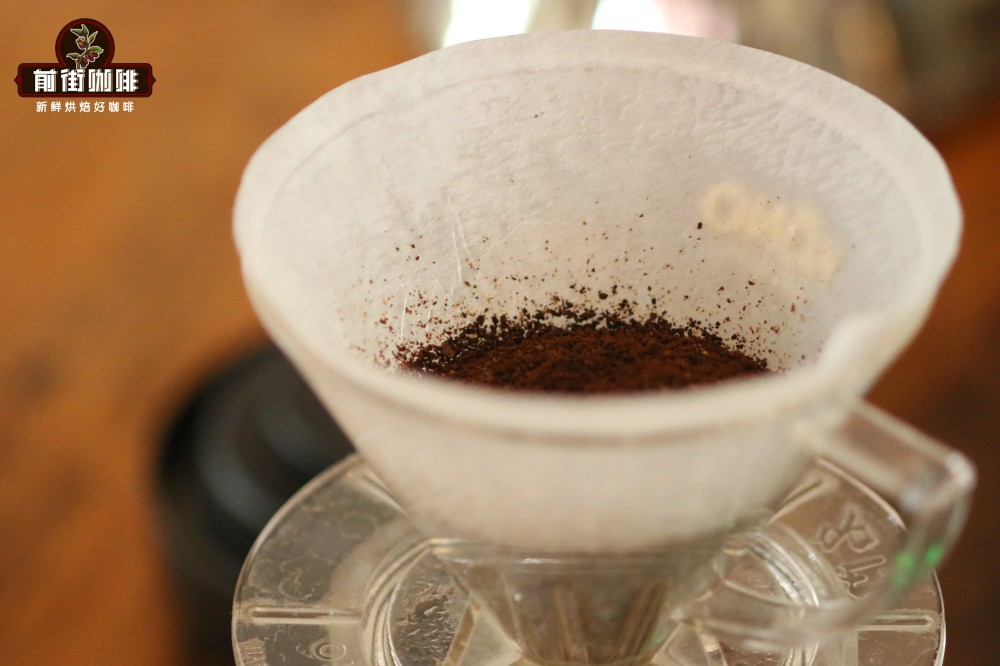
The dose Front Street uses is still 15g. More coffee grounds isn't necessarily better, nor is less necessarily better — it depends on the dripper's specifications. Front Street uses a 1-2 cup dripper, for which a dose of 15-20g is a reasonable brewing amount; brewing with an amount outside this range can be somewhat difficult.
For the coffee-to-water ratio, Front Street recommends 1:15, although some suggest 1:13 or an even smaller ratio. As Front Street has said before, concentration and body are not necessarily linked, and an overly concentrated brew can cause discomfort. Therefore, using a 1:15 ratio can also express Mandheling's full-bodied taste well. Of course, if you want a lighter taste, you can adjust the ratio slightly yourself.
For the grind size, Front Street uses a 70% passing rate through a No. 20 sieve. The grind for brewing Front Street Mandheling coffee should be a bit coarser than for light-roasted beans, because Front Street Mandheling uses a dark roast, giving it a looser structure that absorbs water and releases coffee compounds more easily. If ground to the fineness of light-roasted beans, it easily brews out a burnt, bitter taste; if ground even coarser, the coffee becomes thin and flavorless, with a watery body.

For the water temperature, Front Street recommends brewing at 88°C. By the same logic as the grind size, too high a water temperature easily produces a burnt, bitter taste, while too low a temperature makes the coffee dull and produces an unpleasant sourness.

For the brewing method, Front Street likewise uses a three-stage pour. Pouring in three stages better expresses the full body and caramel sweetness of Front Street Mandheling coffee. The specific water distribution is: the first stage is a 30ml bloom pour, which completely wets the coffee grounds to let them degas and to better extract flavor compounds later. Using staged extraction, bloom with twice the coffee dose in water, i.e. 30g of water for a 30-second bloom. The reason for the bloom is to allow the coffee grounds to release internal carbon dioxide, making the later stages of extraction more stable. The second stage is a small, circular pour until 125g, stopping when the coffee grounds are exposed before starting the third pour. The third stage continues pouring until 225g, then stops. Once the water in the dripper has finished dripping, remove the dripper. Timing from the start of pouring, the extraction time is 2'00". Next, pick up the whole cup of coffee and swirl it to mix evenly, then pour it into a cup to taste.
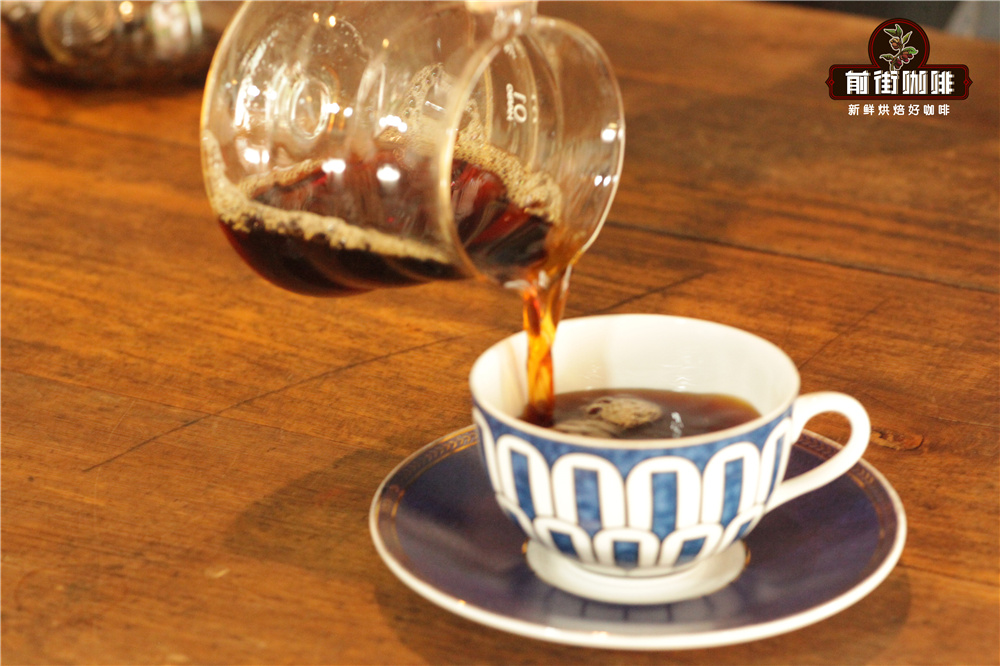
【Front Street Lin DongMandheling coffee beansflavor】:A rich herbal aroma on the palate, black chocolate, caramel, and a sweet finish.
Front Street's coffee brewing suggestions:
When it comes to brewing coffee, Front Street has always believed that the freshness of the coffee beans is a crucial factor — fresh coffee beans let you experience the coffee's rich flavors to the fullest. The coffee beans shipped by Front Street Coffee (FrontStreet Coffee) are all within 5 days of roasting, because Front Street knows well how much bean freshness affects flavor. Front Street's roasting philosophy is "freshly roasted good coffee," so that every customer who places an order receives the freshest coffee. The resting period for coffee is about 4-7 days, so when the customer receives it, it is at its best flavor.
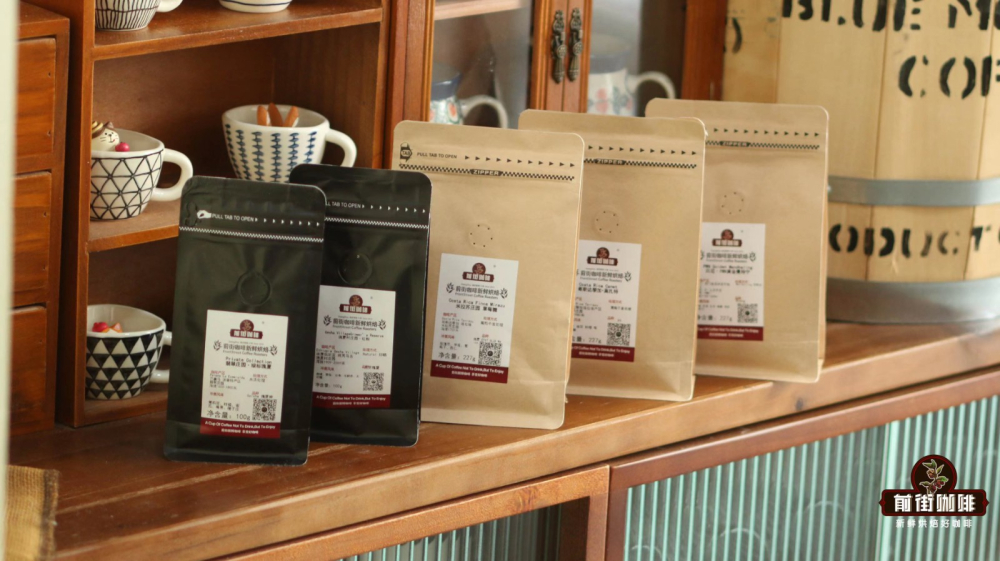
Of course, some customers need Front Street to help grind the coffee, and that's fine too, but Front Street must remind you: once the coffee beans are pre-ground, there's no need for further resting, because during transport the pressure from carbon dioxide inside the packaging also rounds out the coffee's flavor, so you can brew a cup as soon as you receive the ground coffee. However, ground coffee needs to be brewed promptly, because once exposed to air it oxidizes fairly quickly — in other words, the coffee's flavor dissipates more quickly and won't taste as good. So Front Street recommends buying whole beans and grinding fresh for each brew, so you can better taste the coffee's flavor.
On Front Street Coffee (FrontStreet Coffee)'s bean list there are Front Street Lin DongMandheling coffee,Front Street Golden Mandheling coffee. If you're not used to drinking Mandheling coffee, you can try coffees from other producing countries, such as: Ethiopia's bright floral notes, citric acidity, and citrus tones; Colombia's nuts, dark chocolate, and soft fruity acidity — they're all delicious coffees too~
The above content is compiled by CoffeeHunters, a coffee news website.


